Blog

  • Metal vs. Shingle Roof Cost

    Metal vs. Shingle Roof Cost

    If you are standing in your driveway looking up at your aging roof, you are likely feeling a mix of anxiety and curiosity about the price tag. It is a common dilemma for homeowners: do you stick with the familiar, lower-cost option, or invest in a premium material that promises longevity? Many people ask, is a metal roof more expensive than a shingle roof, and the answer is not as simple as a single dollar amount.

    While the initial sticker shock of metal roofing is real, the long-term financial picture tells a different story. In this guide, we will strip away the marketing fluff and look at the hard data, installation nuances, and lifetime value to help you make the best decision for your wallet and your home.

    The Upfront Price Tag: Initial Installation Costs

    When comparing materials strictly by their initial purchase and installation price, asphalt shingles are the clear winner in terms of affordability. However, understanding why there is a price difference is crucial for budgeting accurately.

    Asphalt Shingles: The Budget-Friendly Standard

    Asphalt shingles have dominated the US housing market for decades because they are inexpensive to manufacture and easy to install. Most roofing contractors are highly familiar with them, which keeps labor costs competitive.

    • Average Cost: $3.50 to $5.50 per square foot.
    • Total Average Project: For a typical 2,000-square-foot home, expect to pay between $7,000 and $11,000.

    Metal Roofing: The Premium Investment

    Metal roofing involves higher material costs (steel, aluminum, copper, or zinc) and requires specialized labor. Not every roofer is certified to install standing seam metal roofs, which can drive up labor rates due to scarcity of skilled technicians.

    • Average Cost: $7.00 to $12.00+ per square foot.
    • Total Average Project: For the same 2,000-square-foot home, costs range from $14,000 to $24,000+.

    The Verdict: Yes, initially, a metal roof is approximately two to three times more expensive than an asphalt shingle roof. If your primary constraint is immediate cash flow, shingles are the accessible choice.

    Long-Term Value: Lifespan and Durability Comparison

    To truly answer whether metal is “more expensive,” we must look at the cost per year of service. This is where the narrative shifts dramatically.

    How Long Do They Last?

    • Asphalt Shingles: Typically last 15 to 25 years. In harsh climates with high UV exposure or frequent hail, this lifespan can drop to under 15 years.
    • Metal Roofs: Can last 40 to 70 years, depending on the material. Copper and zinc can last over 100 years.

    The Replacement Cycle Math

    Letโ€™s do a quick calculation over a 50-year period, which is a reasonable timeframe for homeownership or property value retention.

    1. Shingle Scenario: You install a roof today for $10,000. In 20 years, you replace it for $12,000 (adjusted for inflation). In 40 years, you replace it again for $14,000.
      • Total 50-Year Cost: ~$36,000.
    2. Metal Scenario: You install a metal roof today for $20,000. It lasts the entire 50 years with only minor maintenance.
      • Total 50-Year Cost: ~$20,000.

    In this scenario, the metal roof saves you roughly $16,000 over five decades, despite the higher upfront cost. This concept is known as Life-Cycle Costing, and it is essential for smart financial planning.

    Maintenance and Repair: Hidden Costs to Consider

    Beyond replacement, daily wear and tear affect your wallet. Asphalt shingles are prone to curling, cracking, and losing granules over time. They are also susceptible to wind uplift during storms. If a few shingles blow off, you must match the color and style, which can be difficult if the product line has been discontinued.

    Metal roofs, particularly standing seam varieties, have fewer seams where water can enter. They are resistant to fire, mildew, insects, and rot. While they can dent from large hail, they rarely leak due to impact. Maintenance usually involves little more than an annual inspection and clearing debris from valleys.

    For more detailed information on material properties, you can refer to the Wikipedia page on Roofing, which provides a broad overview of historical and modern materials.
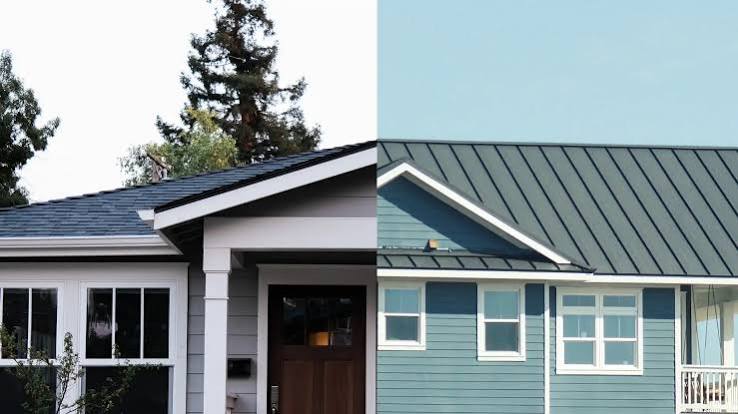
    Is A Metal Roof More Expensive Than A Shingle Roof

    Energy Efficiency: Does Metal Save Money on Bills?

    One of the most overlooked benefits of metal roofing is its reflective capability. Traditional asphalt shingles absorb heat, transferring it into your attic and forcing your air conditioning system to work harder.

    • Reflectivity: Metal roofs reflect solar radiant heat, which can reduce cooling costs by 10-25%.
    • Cool Roof Coatings: Many modern metal roofs come with specialized pigments that enhance this effect.

    If you live in a hot climate like Texas, Florida, or Arizona, the energy savings from a metal roof can partially offset the higher initial investment within the first decade of ownership. Asphalt shingles generally offer negligible energy benefits unless you opt for specific “cool” shingle technologies, which still lag behind metal in performance.

    Resale Value and Curb Appeal

    Does a metal roof increase your homeโ€™s value? According to various real estate studies, homes with metal roofs often see a higher resale value.

    • Buyer Perception: Buyers view a metal roof as a “major system” that they wonโ€™t need to worry about for decades. It is a strong selling point.
    • ROI: Some reports suggest a return on investment (ROI) of up to 85% for metal roofing, compared to lower percentages for standard asphalt replacements.

    However, aesthetic preference matters. In some traditional neighborhoods, a metal roof might look out of place if not chosen carefully. Modern stone-coated steel options mimic the look of tile or wood shake, offering the durability of metal with the visual appeal of traditional materials.

    Quick Comparison: Metal vs. Shingle

    FeatureAsphalt ShinglesMetal Roofing
    Upfront CostLow ($)High ($)
    Lifespan15โ€“25 Years40โ€“70+ Years
    MaintenanceModerateLow
    Energy EfficiencyLowHigh
    Weather ResistanceModerateHigh
    RecyclabilityLow (Landfill waste)High (100% Recyclable)
    Installation SpeedFastSlower

    FAQ Section

    1. Is it worth paying extra for a metal roof?

    Yes, if you plan to stay in your home for more than 15 years. The durability, energy savings, and lack of replacement costs make it financially superior in the long run. If you plan to sell within 5 years, shingles may offer a better short-term ROI.

    2. Can I install a metal roof over existing shingles?

    In many cases, yes. This is called a “retrofit” or “over-roof.” It saves on disposal fees and labor time. However, you must check local building codes and ensure your roof structure can support the additional weight, although metal is surprisingly lightweight.

    3. Do metal roofs make noise when it rains?

    This is a common myth. When installed correctly with solid sheathing and proper insulation, a metal roof is no louder than an asphalt shingle roof during rain. In fact, without the granular surface of shingles to dampen sound, the solid deck beneath metal often provides excellent sound deadening.

    4. Will a metal roof interfere with my Wi-Fi or cell signal?

    Generally, no. While metal can block signals, most residential metal roofs are not grounded in a way that creates a Faraday cage effect. Your Wi-Fi router and cell signals should function normally. If you have issues, it is likely due to other structural factors, not the roof itself.

    5. What is the cheapest type of metal roofing?

    Corrugated galvanized steel is typically the most affordable metal option. However, for residential use, standing seam aluminum or stone-coated steel offers a better balance of aesthetics, durability, and cost, though they are pricier than basic corrugated panels.

    Conclusion

    So, is a metal roof more expensive than a shingle roof? In the short term, absolutely. You will write a bigger check today. But in the long term, metal roofing is often the cheaper, smarter investment. It eliminates the hassle and expense of multiple replacements, lowers your energy bills, and boosts your homeโ€™s curb appeal and resale value.

    If you have the budget flexibility, think of a metal roof not as an expense, but as a pre-paid maintenance plan for the next half-century.

    Found this guide helpful? Share it with your neighbors on Facebook or Pinterest who might be facing the same roofing dilemma! Helping others make informed decisions is always a good look.
  • Can You Walk On A Metal Roof Without Denting It?

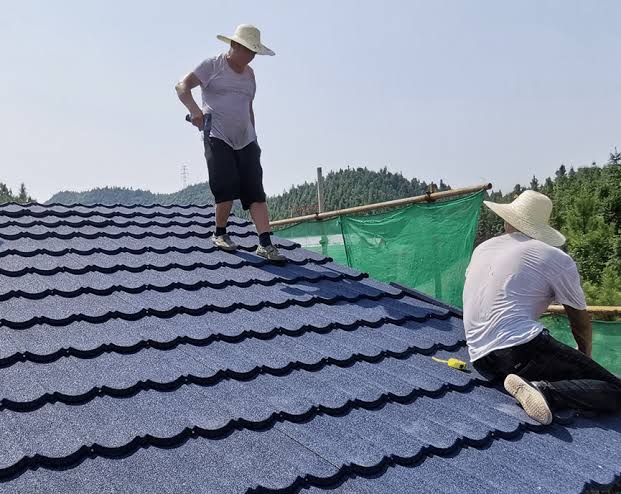
    Can You Walk On A Metal Roof Without Denting It?

    Walking up onto your roof for a quick inspection or cleaning can feel like a necessary DIY task, but the fear of causing expensive damage often holds homeowners back. Many people worry that a single misstep could ruin the aesthetic and structural integrity of their investment. The burning question on many minds is: can you walk on a metal roof without denting it? The short answer is yes, but it requires specific knowledge, the right technique, and an understanding of your roofโ€™s unique construction.

    In this guide, we will break down exactly how to navigate your metal roof safely. We will cover the science behind metal panel strength, the critical importance of footwear, and step-by-step instructions to ensure you leave no trace behind. Whether you have standing seam panels or exposed fastener sheets, understanding these nuances is key to maintaining your homeโ€™s value.

    Understanding Metal Roof Durability and Panel Types

    Not all metal roofs are created equal. The ability of your roof to withstand foot traffic depends heavily on the type of metal used, the gauge (thickness) of the material, and the profile of the panels.

    Standing Seam vs. Exposed Fastener Panels

    The design of your roof panels plays a massive role in how they handle weight.

    • Standing Seam Roofs: These are generally more durable for walking. The seams are raised above the flat surface, providing structural rigidity. If you step directly on the flat area between the seams, there is a higher risk of oil-canning (a popping sound and slight deformation), but stepping on the seams themselves is usually safe if done carefully.
    • Exposed Fastener (Corrugated) Panels: These are more common in agricultural buildings or older residential homes. They are typically thinner and more prone to denting. Walking on these requires extreme caution, as the screw heads can strip out, and the thin metal can easily buckle under concentrated weight.

    The Importance of Metal Gauge

    In the US market, metal roofing thickness is measured by gauge. The lower the number, the thicker the steel.

    GaugeThickness (Approx.)Durability for Foot TrafficCommon Use
    24 Gauge0.0239 inchesLow โ€“ High Risk of DentingBudget Residential/Agricultural
    26 Gauge0.0179 inchesVery Low โ€“ Avoid WalkingSheds/Outbuildings
    22 Gauge0.0299 inchesModerate โ€“ Careful Steps OnlyStandard Residential
    20 Gauge0.0359 inchesHigh โ€“ Safer for MaintenancePremium Residential/Commercial

    Most residential metal roofs in the United States are 24 or 26 gauge. At this thickness, the metal is designed to shed water and snow, not to support the concentrated pressure of a human foot. Therefore, technique matters more than brute force.

    How to Walk on a Metal Roof Safely

    If you must go up on your roof, following a strict protocol is non-negotiable. Here is how professionals minimize the risk of damage.

    1. Wear the Right Footwear

    This is the most critical factor. Never wear hard-soled shoes, boots with heavy treads, or high heels.

    • Best Choice: Soft-soled rubber shoes, such as canvas sneakers or dedicated roofing shoes. These distribute your weight more evenly and provide grip without acting like a hammer against the metal.
    • Avoid: Work boots with stiff shanks or deep lugs. These concentrate your entire body weight onto small points, significantly increasing the likelihood of creating a dent.

    2. Step on the Screws, Not the Flat Pan

    For exposed fastener roofs, always step directly over the screw lines where the metal is attached to the underlying structure (plywood or purlins). This area has structural support beneath it. Stepping in the middle of the panel span, where there is no support, is a recipe for disaster.

    For standing seam roofs, try to step on the flat areas close to the seams, but avoid putting direct pressure on the seam caps themselves unless necessary, as you might distort the locking mechanism.

    3. Distribute Your Weight

    Keep your knees slightly bent and move slowly. Do not jump, run, or drag your feet. If you need to carry tools, use a backpack to keep your hands free for balance. Consider using a roof ladder or crawl board if you need to spend extended time on the roof. These devices spread your weight across a larger surface area, virtually eliminating the risk of denting.

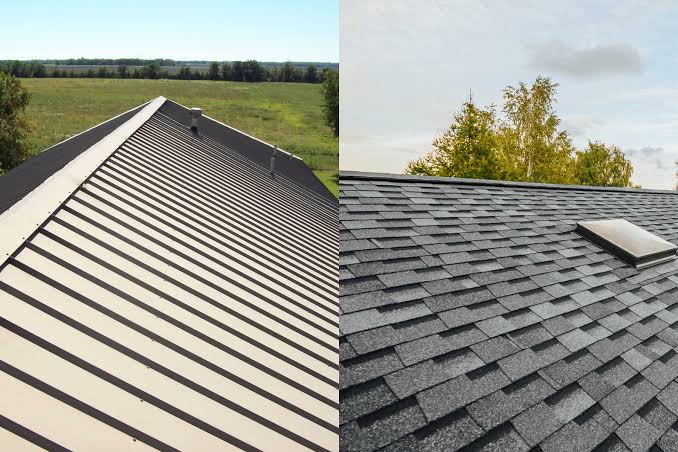
    Can You Walk On A Metal Roof Without Denting It

    Common Mistakes That Cause Dents

    Even with good intentions, homeowners often make errors that lead to costly repairs. Understanding these pitfalls can save you hundreds of dollars.

    • Dropping Tools: A dropped hammer or wrench from even a low height can puncture or deeply dent thin metal. Always tether your tools.
    • Ignoring Debris: Leaves, branches, and dirt can hide uneven surfaces. Clear the path before walking to ensure stable footing.
    • Walking in Extreme Heat: Metal expands when hot. Walking on a roof in direct midday sun can cause the panels to flex more than usual, making them more susceptible to temporary deformation or “oil-canning.” Early morning or late afternoon is ideal.
    • Using Ladders Incorrectly: Resting a ladder directly on the metal edge can crush the eave. Use a ladder stabilizer or stand-off to protect the roof edge.

    According to general engineering principles regarding sheet metal behavior, localized stress concentrations are the primary cause of permanent deformation. For more detailed information on material properties, you can refer to Wikipediaโ€™s article on Sheet Metal.

    When to Call a Professional

    While minor inspections can be done by homeowners, certain situations require a licensed roofer.

    • Steep Pitch: If your roof pitch is greater than 6:12, it is dangerous to walk on without fall protection gear.
    • Old or Rusty Roofs: Corrosion weakens the metal. What looks solid might crumble underfoot.
    • Warranty Concerns: Some manufacturers void warranties if untrained individuals walk on the roof. Check your warranty documentation first.

    FAQ Section

    1. Will walking on my metal roof void the warranty?

    It depends on the manufacturer. Many warranties allow for occasional maintenance walking if done correctly, but they may exclude damage caused by improper footwear or negligence. Always review your specific warranty terms before climbing up.

    2. Can I remove dents from a metal roof myself?

    Minor oil-canning (popping sounds) often resolves itself with temperature changes. However, physical dents from impact are difficult to repair without professional tools. Attempting to hammer them out can worsen the damage and strip protective coatings, leading to rust.

    3. Is it safer to walk on a wet metal roof?

    No. Wet metal is extremely slippery, especially if there is any algae or moss growth. The risk of slipping and falling far outweighs the risk of denting. Always wait for the roof to be completely dry.

    4. What is the best time of day to walk on a metal roof?

    Early morning is best. The metal is cooler, reducing expansion issues, and dew has usually evaporated, providing better traction than a wet surface but avoiding the intense heat of midday.

    5. Do rubber soles really prevent dents?

    Yes, soft rubber soles help distribute weight more evenly compared to hard plastic or leather soles. While they donโ€™t make the metal stronger, they reduce the point-load pressure that causes immediate indentation.

    Conclusion

    So, can you walk on a metal roof without denting it? Absolutely, provided you respect the materialโ€™s limitations. By wearing soft-soled shoes, stepping on supported areas, and moving with care, you can perform basic inspections without causing harm. Remember, your roof is a significant investment, and treating it with gentleness ensures it lasts for decades.

    If you found this guide helpful, please share it with your friends and neighbors on social media. Helping others protect their homes creates a safer, more informed community. Stay safe, and keep your roof in top shape!

  • Metal Roof vs Shingles: Cost Breakdown

    Metal Roof vs Shingles: Cost Breakdown

    Choosing a new roof is one of the most significant financial decisions a homeowner will make. It is not just about aesthetics; it is about protecting your biggest asset while managing your household budget effectively. If you are currently weighing your options, you are likely asking yourself: How Much Does A Metal Roof Cost Compared To Shingles? This question is crucial because the answer involves more than just the initial price tagโ€”it encompasses longevity, maintenance, and resale value. In this guide, we will dissect the numbers to help you make an informed, confident decision for your home.

    Understanding the Upfront Price Tag

    When looking at immediate costs, asphalt shingles are almost always the cheaper option. However, the gap between the two materials has narrowed in recent years due to fluctuations in raw material costs and labor demands.

    Asphalt Shingles: The Budget-Friendly Standard

    Asphalt shingles remain the most popular roofing material in the United States, primarily due to their low entry cost. According to recent industry data from 2025-2026, the average cost to install asphalt shingles ranges from $3.50 to $5.50 per square foot.

    For a typical 2,000-square-foot home, you are looking at a total project cost between $7,000 and $11,000. This affordability makes shingles accessible for first-time homebuyers or those working with strict immediate budgets. The installation process is straightforward, and nearly every roofing contractor in the US is proficient in installing them, which keeps labor competition high and prices competitive.

    Metal Roofing: The Premium Investment

    Metal roofing is considered a premium product. The cost varies significantly depending on the type of metal used (steel, aluminum, copper, or zinc). For standard standing seam steel or aluminum roofs, the average cost ranges from $9.00 to $14.00 per square foot.

    For that same 2,000-square-foot home, a metal roof could cost between $18,000 and $28,000. While this is roughly double the cost of shingles, it is essential to understand what you are paying for: superior durability, advanced engineering, and a lifespan that can outlast the structure of the house itself.

    FeatureAsphalt ShinglesMetal Roofing (Steel/Aluminum)
    Avg. Cost per Sq. Ft.$3.50 โ€“ $5.50$9.00 โ€“ $14.00
    Total Avg. Cost (2k sq ft)$7,000 โ€“ $11,000$18,000 โ€“ $28,000
    Lifespan15 โ€“ 25 Years40 โ€“ 70+ Years
    MaintenanceModerate to HighLow
    How Much Does A Metal Roof Cost Compared To Shingles

    Long-Term Value: The Cost Per Year Analysis

    To truly answer how much does a metal roof cost compared to shingles, we must look beyond the installation invoice. We need to calculate the “cost per year” of ownership. This is where metal roofing often surprises homeowners with its economic efficiency.

    The Replacement Cycle Factor

    Asphalt shingles typically last between 15 and 25 years, depending on the quality (3-tab vs. architectural) and local weather conditions. In contrast, a properly installed metal roof can last 40 to 70 years.

    Letโ€™s do the math over a 50-year period:

    • Asphalt Shingles: You would likely need to replace your roof two to three times. If each replacement costs $10,000 (adjusted slightly for inflation), your total spend over 50 years could exceed $30,000.
    • Metal Roof: You install it once. Even at a higher upfront cost of $25,000, you save money in the long run because you avoid the hassle and expense of multiple replacements.

    Energy Efficiency Savings

    Metal roofs reflect solar radiant heat, which can reduce cooling costs by 10-25%. In hot US climates like Texas, Arizona, or Florida, this translates to significant annual savings on electricity bills. Asphalt shingles absorb heat, potentially increasing your AC load during summer months. Over two decades, these energy savings can offset a portion of the metal roof’s higher initial price.

    Durability and Maintenance Costs

    Another hidden cost in roofing is maintenance and repair. How much time and money will you spend fixing leaks or replacing damaged sections?

    Asphalt Shingles Vulnerabilities:

    • Prone to curling, cracking, and losing granules over time.
    • Susceptible to wind uplift in storms.
    • Can foster moss and algae growth, requiring cleaning treatments.
    • Expert Insight: “Shingles are essentially sacrificial layers. They degrade under UV exposure and thermal cycling,” notes leading construction analyst Mark Davis.

    Metal Roof Resilience:

    • Highly resistant to wind, fire, and impact (depending on gauge).
    • Does not rot, crack, or burn.
    • Requires minimal maintenanceโ€”usually just an occasional rinse with a garden hose to remove debris.

    For a deeper understanding of material properties and sustainability, you can refer to the detailed overview on Roofing materials on Wikipedia.

    Impact on Home Resale Value

    Does a metal roof add value to your home? Absolutely. Real estate data suggests that homes with metal roofs often see a higher return on investment (ROI) compared to those with standard asphalt shingles.

    1. Curb Appeal: Modern metal roofs come in various styles, including designs that mimic slate, tile, or wood shakes, appealing to a broader range of buyers.
    2. Buyer Confidence: Potential buyers recognize that they wonโ€™t need to replace the roof anytime soon. This is a powerful selling point during inspections.
    3. Insurance Discounts: Many insurance companies offer discounts (often 5-15%) for homes with metal roofs due to their fire and wind resistance. This lowers the homeownerโ€™s annual premium, adding another layer of financial benefit.

    While shingles are neutral in terms of value addition (they are expected), a metal roof is an upgrade that can justify a higher listing price.

    Which Option Is Right for You?

    Deciding between these two materials depends on your specific circumstances. Here is a quick checklist to help you decide:

    Choose Asphalt Shingles If:

    • You plan to sell your home within the next 5โ€“10 years.
    • Your upfront budget is tight.
    • You live in an area with mild weather conditions.
    • You prefer a traditional look that blends with neighborhood norms.

    Choose Metal Roofing If:

    • You plan to stay in your home for 20+ years.
    • You want to minimize future maintenance headaches.
    • You live in an area prone to severe weather (hail, high winds, heavy snow).
    • You are interested in eco-friendly building materials (metal is 100% recyclable).

    Frequently Asked Questions (FAQ)

    1. Is metal roofing louder than shingles during rain?

    This is a common myth. When installed correctly with solid sheathing and proper insulation, a metal roof is no louder than an asphalt shingle roof. In fact, many homeowners report that the sound of rain on a metal roof is soothing rather than disruptive.

    2. Can I install a metal roof over my existing shingles?

    In many cases, yes. Metal roofing is lightweight and can often be installed directly over existing asphalt shingles. This saves on demolition and disposal costs. However, you must check local building codes and ensure your roof deck is structurally sound before proceeding.

    3. Do metal roofs attract lightning?

    No. Metal roofs do not attract lightning. Lightning strikes are determined by height and geography, not material. However, if a strike does occur, metal is non-combustible and will not catch fire, offering better protection than wood or asphalt.

    4. How does hail affect metal roofs compared to shingles?

    High-quality metal roofs (such as stone-coated steel or thick standing seam) are highly resistant to hail damage. Asphalt shingles, especially older ones, can crack or lose granules when hit by large hail, leading to leaks. Always look for metal roofing with a Class 4 UL 2218 impact rating for maximum hail protection.

    5. Will a metal roof interfere with my cell phone or Wi-Fi signal?

    Generally, no. While metal can block radio waves, modern homes have windows and other openings that allow signals to pass through. Most homeowners with metal roofs report no noticeable difference in signal strength compared to shingle roofs.

    Conclusion

    So, how much does a metal roof cost compared to shingles? Upfront, metal is significantly more expensive, often costing double that of asphalt. However, when you factor in longevity, energy savings, lower maintenance, and increased resale value, metal roofing often proves to be the more economical choice over the life of the home.

    If you have the budget for the initial investment, metal offers peace of mind and durability that shingles simply cannot match. If you need a cost-effective solution for the short term, shingles remain a reliable standard.

    Found this guide helpful? Share it with friends or family who are planning their next home improvement project! Letโ€™s help others make smarter roofing decisions.

  • Metal Over Shingles: The Ultimate Guide

    Metal Over Shingles: The Ultimate Guide

    Are you staring at your aging asphalt shingle roof, dreading the messy, expensive process of tearing it off? You are not alone. Many homeowners in the US face this dilemma every year, looking for a solution that saves time, money, and hassle. The burning question on everyoneโ€™s mind is: Can you put a metal roof on top of shingles?

    The short answer is yes, in most cases, you absolutely can. However, it is not a simple “slap it on and forget it” situation. There are structural, legal, and technical factors you must consider before hiring a contractor or starting a DIY project. In this guide, we will break down everything you need to know about installing metal roofing over existing shingles, ensuring you make an informed decision that protects your biggest investmentโ€”your home.

    Is It Structurally Safe to Add Metal Over Shingles?

    Before you buy materials, you must address the weight load. One of the biggest myths about metal roofing is that it is heavy. In reality, modern standing seam metal roofs or metal shingles are significantly lighter than traditional asphalt shingles, clay tiles, or slate.

    Weight Comparison

    • Asphalt Shingles: Approx. 2โ€“3.5 lbs per square foot.
    • Metal Roofing: Approx. 1โ€“1.5 lbs per square foot.

    When you install metal over shingles, you are adding the weight of the metal panels plus the fastening system (battens or strapping). While this is generally less than the weight of a new layer of heavy architectural shingles, your roof deck must still be sound.

    Critical Check: If your current roof has multiple layers of shingles (some older homes have 2 or 3 layers), the combined weight might exceed the design load of your roof trusses. Always consult a structural engineer or a licensed roofing contractor to inspect your attic and framing if you suspect your roof is old or has been re-roofed before.

    What Do Local Building Codes Say?

    Just because it can be done physically doesnโ€™t mean it is legal in your area. Building codes vary significantly by state, county, and even municipality in the US.

    Most jurisdictions follow the International Residential Code (IRC), which typically allows for two layers of roofing material. However, some strict areas prohibit any overlay to ensure inspectors can verify the condition of the roof deck.

    Pro Tip: Never assume. Call your local building department or check their website. Ignoring code requirements can lead to fines, forced removal of the new roof, and issues when selling your home.

    For a deeper understanding of building standards and safety regulations, you can refer to general construction guidelines on Wikipedia.

    Can You Put A Metal Roof On Top Of Shingles

    Pros and Cons of Installing Metal Over Shingles

    To help you decide, letโ€™s look at the clear advantages and disadvantages of this method.

    The Advantages

    1. Cost Savings: You save on labor and disposal fees. Tearing off old shingles is labor-intensive and requires paying for dumpster rentals and landfill fees. By skipping this step, you can reduce the total project cost by 15โ€“25%.
    2. Less Mess and Noise: Tear-offs create massive amounts of dust, debris, and noise. Installing over shingles keeps your yard clean and reduces disturbance to your neighbors.
    3. Added Insulation: The existing shingle layer acts as an additional thermal barrier, potentially improving your homeโ€™s energy efficiency slightly.
    4. Protection During Installation: Your home remains protected from rain during the installation process since the old roof stays intact until the new one is fully secured.

    The Disadvantages

    1. Hidden Damage: You cannot inspect the wood decking for rot, mold, or water damage. If there is underlying decay, covering it up will only worsen the problem over time.
    2. Voided Warranties: Some metal roofing manufacturers may void their warranty if installed over existing shingles. Always read the fine print.
    3. Aesthetic Issues: If the old shingles are curled or uneven, the new metal roof may not lie perfectly flat, leading to visible waviness or “telegraphing.”
    4. Ventilation Challenges: Proper airflow is crucial for metal roofs to prevent condensation. Adding a layer over shingles can complicate ventilation if not done correctly.

    Step-by-Step Installation Overview

    If you decide to proceed, here is how professionals typically approach the installation. Note that this is a complex job; improper installation can lead to leaks and wind damage.

    Step 1: Inspection and Preparation

    Walk the roof and secure any loose shingles. Replace any visibly damaged flashing around chimneys and vents. Ensure the roof surface is as flat as possible.

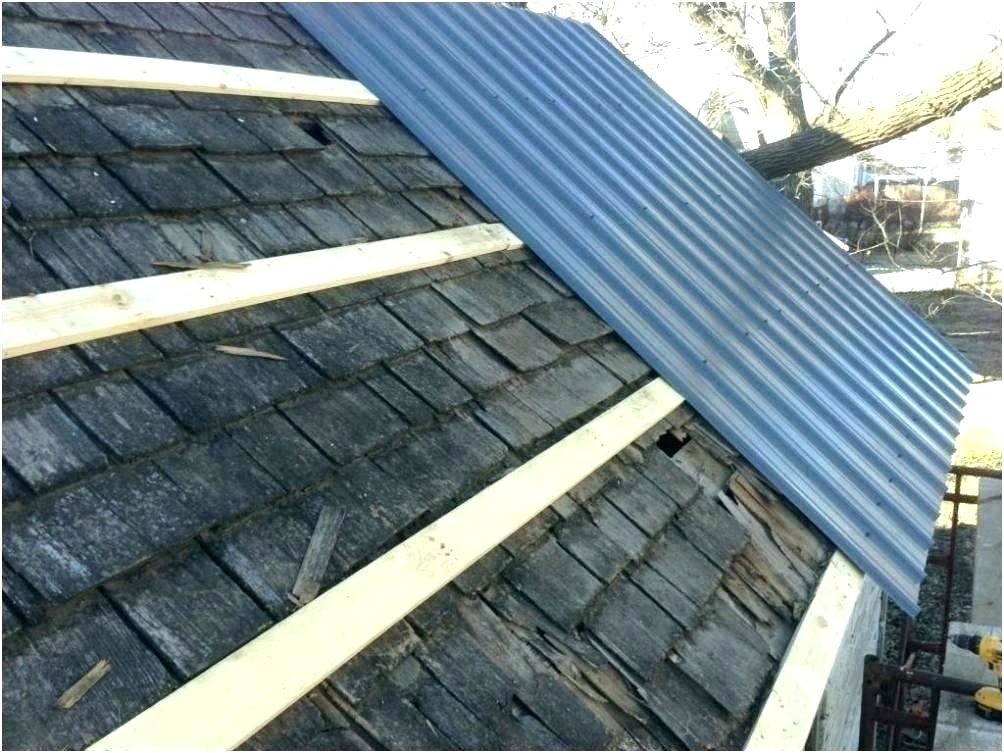
    Step 2: Install Furring Strips (Battens)

    Do not screw metal panels directly into the shingles. You must create a flat, ventilated surface.

    • Use 1×4 or 2×4 wooden furring strips (battens).
    • Attach them vertically through the shingles and into the roof rafters/trusses using long screws.
    • Space them according to the metal panel manufacturerโ€™s specifications (usually 24 inches on center).

    Step 3: Add Drip Edge and Flashing

    Install new drip edges along the eaves and rakes. This ensures water flows away from the fascia board. Update all pipe boots and valley flashings.

    Step 4: Install the Metal Panels

    Start from the bottom corner and work your way up and across.

    • Use screws with rubber washers designed for metal roofing.
    • Follow the specific overlap instructions for your panel type (standing seam vs. corrugated).
    • Ensure screws are driven straightโ€”not too tight (which crushes the washer) and not too loose.

    Step 5: Ridge Cap and Final Inspection

    Install the ridge cap to seal the peak of the roof. Conduct a final inspection to ensure all fasteners are secure and no gaps exist.

    Cost Comparison: Tear-Off vs. Overlay

    Understanding the financial impact is key. Here is a simplified breakdown for an average 2,000 sq. ft. home.

    ItemTear-Off & ReplaceMetal Over Shingles
    Labor (Removal)$1,000 – $2,000$0
    Disposal Fees$300 – $600$0
    Deck RepairVariable (High Risk)$0 (Hidden Risk)
    Material CostSameSame + Battens
    Installation LaborStandardSlightly Faster
    Total Estimated SavingsN/A$1,500 – $3,000

    Note: Prices vary by region and material quality.

    Frequently Asked Questions (FAQ)

    1. Will putting metal over shingles void my homeownerโ€™s insurance?

    Generally, no. Most insurance companies care more about the age and condition of the roof rather than the installation method. However, you should notify your insurer after the upgrade, as metal roofs often qualify for discounts due to their durability and fire resistance.

    2. Can I install metal roofing over two layers of shingles?

    It is risky. Most building codes allow only two layers total. If you already have two layers of shingles, you likely cannot add a third layer (the metal). You would need to tear off at least one layer. Always check local codes.

    3. Does metal roofing cause interference with Wi-Fi or cell signals?

    This is a common concern. While metal can block signals, most modern homes have routers inside the house, and cell towers are powerful enough to penetrate roofs. If you have a weak signal, a simple Wi-Fi extender or a cellular repeater can solve the issue. It is rarely a dealbreaker.

    4. How long does a metal roof last compared to shingles?

    Asphalt shingles typically last 15โ€“25 years. A properly installed metal roof can last 40โ€“70 years. Even if installed over shingles, the metal itself will outlast the shingles beneath it, providing decades of protection.

    5. What type of metal roofing is best for overlaying?

    Standing seam metal roofs are often preferred for overlays because they are lightweight and have concealed fasteners, reducing the risk of leaks. Corrugated metal is also popular but requires careful sealing of exposed fasteners.

    Conclusion

    So, can you put a metal roof on top of shingles? Yes, you can, and for many homeowners, it is a smart, cost-effective choice. It saves money on disposal, reduces installation time, and adds a durable, long-lasting layer of protection to your home.

    However, it is not without risks. You must ensure your roof structure is sound, your local codes permit it, and you hire a qualified installer who understands the nuances of overlay installations. If your current shingles are severely damaged or curled, a tear-off might be the safer route despite the higher cost.

    Take the time to get multiple quotes, ask about warranties, and inspect your attic for any signs of existing leaks. Your roof is your homeโ€™s first line of defense against the elementsโ€”make sure itโ€™s built to last.

    Found this guide helpful? Share it with your friends on Facebook or Pinterest who are considering a roof upgrade! Donโ€™t forget to leave a comment below if you have more questions about metal roofing.

  • How Old Is My Roof? 5 Ways to Tell

    How Old Is My Roof? 5 Ways to Tell

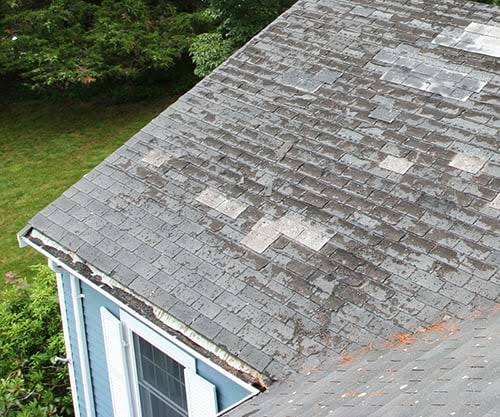
    Determining the lifespan of your homeโ€™s most critical protective layer is often a source of anxiety for homeowners, especially when buying a new property or noticing minor leaks. If you are asking yourself, “How Can I Find Out How Old My Roof Is,” you are not alone; this is one of the most common questions in home maintenance. Understanding your roof’s age helps you budget for repairs, negotiate real estate deals, and prevent catastrophic water damage.

    In this guide, we will walk you through practical, step-by-step methods to uncover the truth about your roofโ€™s history without needing a degree in construction.

    Why Knowing Your Roofโ€™s Age Matters

    Before we dive into the how, letโ€™s briefly address the why. A roof is not just shingles and nails; it is a complex system with a finite lifespan. Most asphalt shingle roofs last between 15 to 25 years, while metal or tile roofs can last 50 years or more.

    Knowing the exact age allows you to:

    • Plan Financially: Avoid surprise $10,000 bills by saving gradually for replacement.
    • Ensure Safety: Older roofs are more prone to structural failure during severe weather.
    • Maintain Insurance Coverage: Some insurers deny claims or increase premiums for roofs older than 20 years.

    Method 1: Check Your Home Inspection and Closing Documents

    The most accurate way to determine your roof’s age is to look at the paperwork. If you bought your home within the last few decades, the answer is likely sitting in your filing cabinet.

    Review the Sellerโ€™s Disclosure

    In many US states, sellers are legally required to disclose known defects and the age of major systems, including the roof. Look for a section labeled “Roof” or “Structural Components.” It may state the installation year or the remaining useful life.

    Analyze the Home Inspection Report

    If you had a professional home inspection when you purchased the property, the inspector likely estimated the roof’s age. While not always precise to the month, inspectors often provide a range (e.g., “Installed approx. 2010โ€“2012”).

    Pro Tip: If you cannot find your physical copies, contact the title company or the real estate agent who handled your purchase. They often keep digital archives of transaction documents for several years.

    Method 2: Look for Permits and Building Records

    If you built your home or know that a previous owner replaced the roof, local government records are a goldmine of information. Roof replacements typically require building permits to ensure compliance with local codes.

    How to Access Public Records

    1. Visit your county or cityโ€™s official website.
    2. Navigate to the “Building Department” or “Permit Search” section.
    3. Enter your property address.
    4. Filter results by “Roofing” or “Construction.”

    You will often find the date the permit was issued and the date it was finalized. This provides a concrete timeline. For more context on how building codes evolve over time, you can refer to general historical data on Wikipedia, which explains why permitting standards have become stricter in recent decades.

    Method 3: Inspect Physical Clues on the Roof

    If paperwork is missing, your roof itself holds secrets. You donโ€™t need to climb up there (and please donโ€™t, for safety reasons); you can often spot clues from the ground using binoculars.

    Check for Manufacturer Date Codes

    Many shingle manufacturers stamp production dates or batch codes on the packaging or even on the shingles themselves. However, these are usually hidden under overlapping layers. Instead, look for:

    • Ventilation Stickers: Sometimes, roofers leave a sticker on the attic side of the roof deck or near vents indicating the installation date.
    • Flashing Condition: Newer flashing (metal strips around chimneys and vents) looks shiny and clean. Older flashing appears oxidized, dull, or corroded.

    Observe Shingle Granule Loss

    Asphalt shingles are coated with granules that protect them from UV rays. As a roof ages, these granules wash away.

    • Check Your Gutters: If your gutters are filled with sand-like grit, your roof is shedding granules, indicating significant aging.
    • Look for Bald Spots: From the ground, look for areas where the black asphalt base is visible. This suggests the shingles are near the end of their life.

    Method 4: Ask the Neighbors (The Community Approach)

    This might sound unconventional, but it is highly effective, especially if you live in a subdivision or housing development built around the same time.

    Homes in the same neighborhood often experience similar wear and tear. If your neighbor replaced their roof three years ago because theirs was 20 years old, and your homes were built simultaneously, your roof is likely the same age.

    Questions to ask neighbors:

    • “When did you have your roof replaced?”
    • “Did you use a specific local contractor?” (They might have records of working on your street).
    • “Have you noticed any issues with wind damage recently?”

    Method 5: Hire a Professional Roof Inspector

    When in doubt, call an expert. A licensed roofing contractor can provide a definitive assessment. Unlike a general home inspector, a roofer specializes in identifying subtle signs of aging that untrained eyes miss.

    What a Professional Looks For

    • Nail Pops: Nails backing out of the deck indicate wood expansion/contraction cycles over many years.
    • Moss and Algae Growth: While cosmetic, heavy growth can trap moisture and accelerate decay, often correlating with older installations.
    • Sagging Decking: A sign of structural fatigue, common in roofs nearing 30+ years.

    Most reputable companies offer free or low-cost inspections. They will provide a written report detailing the estimated remaining lifespan.

    How Can I Find Out How Old My Roof Is

    Comparison: DIY vs. Professional Assessment

    FeatureDIY InspectionProfessional Inspection
    CostFree$150โ€“$300 (often waived if you hire them)
    AccuracyModerate (Estimates)High (Expert Analysis)
    Safety RiskLow (if using binoculars)None (They handle the risk)
    Detail LevelSurface observations onlyIncludes attic, decking, and ventilation
    Best ForInitial curiosityReal estate transactions or insurance claims

    Common Signs Your Roof Is Older Than You Think

    Even if you suspect your roof is young, watch out for these red flags that suggest advanced aging:

    1. Curling or Cupping Shingles: The edges turn upward or downward, breaking the seal.
    2. Cracked Shingles: Brittle shingles crack easily under foot traffic or thermal stress.
    3. Daylight Through the Attic: If you can see sunlight coming through the roof boards from inside your attic, you have gaps that have widened over time.
    4. Multiple Layers: If you discover there are two or more layers of shingles, the underlying layer could be decades old, even if the top layer looks newer.

    FAQ Section

    Q: Can I tell the exact year my roof was installed just by looking at it?

    A: Rarely. While you can estimate the condition and approximate age range (e.g., “5โ€“10 years old”), pinpointing the exact year usually requires documentation or manufacturer batch codes that are not visible from the exterior.

    Q: Does the color of the shingles affect how fast they age?

    A: Yes. Darker shingles absorb more heat, which can accelerate the breakdown of asphalt binders over time compared to lighter-colored shingles. This thermal cycling can shorten the lifespan by a few years in hot climates.

    Q: My roof is 15 years old but looks fine. Do I need to replace it?

    A: Not necessarily. If there are no leaks, missing shingles, or granule loss, it may have several years left. However, you should increase the frequency of inspections to once a year rather than every few years.

    Q: Will a new roof increase my homeโ€™s value?

    A: Absolutely. According to real estate experts, a new roof can offer a high return on investment (ROI) because it removes a major contingency for buyers. It signals that the home is well-maintained and reduces immediate future costs for the buyer.

    Q: How often should I check my roofโ€™s age or condition?

    A: You should perform a visual check twice a year (spring and fall) and after any major storm. A professional inspection is recommended every 3โ€“5 years, or annually if the roof is over 15 years old.

    Conclusion

    Finding out “How Can I Find Out How Old My Roof Is“ doesn’t have to be a mystery. By combining document research, neighborhood insights, and visual inspections, you can get a reliable estimate of your roofโ€™s age. Remember, while DIY methods are great for initial assessments, a professional opinion is invaluable for making big financial decisions.

    Donโ€™t wait for a leak to tell you itโ€™s time for a change. Proactive maintenance saves money and peace of mind.

    Found this guide helpful? Share it with your friends on Facebook or Twitter to help other homeowners protect their investments!

  • How to Get Rid of Pigeons on Your Roof Fast

    How to Get Rid of Pigeons on Your Roof Fast

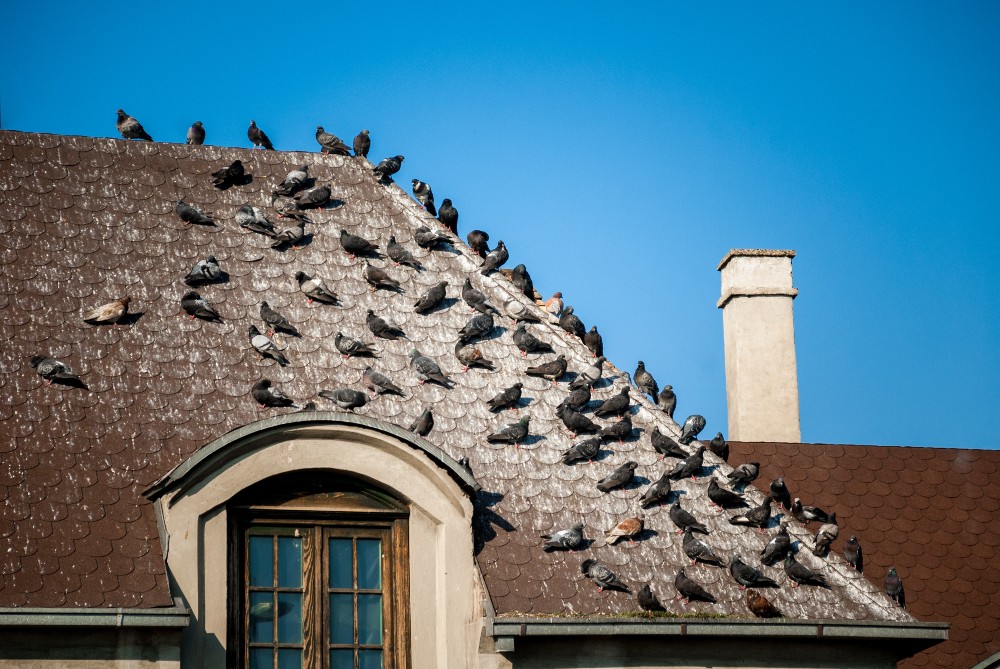
    There is nothing quite as frustrating as hearing the cooing and scratching of birds above your head when you are trying to relax or sleep. If you are staring at your ceiling wondering, “How do I get rid of pigeons on my roof,” you are not alone; this is one of the most common homeowner complaints in urban and suburban areas across the US. Pigeons are persistent, messy, and can cause significant structural damage if left unchecked, but with the right strategy, you can reclaim your space safely and humanely.

    In this guide, we will break down exactly why pigeons choose your roof, the health risks involved, and the most effective, long-term solutions to keep them away for good. We focus on methods that are not only effective but also compliant with local wildlife laws and ethical standards.


    Why Are Pigeons Choosing My Roof?

    Before diving into removal tactics, it is crucial to understand the intent behind the infestation. Pigeons, often called “rats with wings” by frustrated homeowners, are not random visitors. They are creatures of habit seeking three specific things: shelter, safety, and food.

    Your roof offers an ideal vantage point. It provides protection from predators like hawks and cats, while the eaves, chimneys, and HVAC units offer perfect nesting spots shielded from rain and wind. According to urban wildlife studies, once a pair of pigeons establishes a nest, they are likely to return to the same spot year after year due to their strong homing instinct.

    Furthermore, if your neighborhood has accessible food sourcesโ€”such as open garbage bins, pet food left outside, or bird feeders meant for songbirdsโ€”you are essentially inviting them to stay. Understanding this behavior is the first step in effective prevention.

    The Hidden Dangers of Roof Pigeons

    Many homeowners underestimate the severity of a pigeon problem, viewing it merely as a nuisance. However, the implications go far beyond noise.

    Structural Damage

    Pigeon droppings, known as guano, are highly acidic. Over time, this acidity can corrode roofing materials, including metal flashings, shingles, and even concrete tiles. A buildup of nests can also block gutters, leading to water overflow and potential roof leaks during heavy storms.

    Health Risks

    The primary concern for most residents is health. Pigeon droppings can harbor fungi and bacteria. One of the most notable risks is Histoplasmosis, a respiratory disease caused by inhaling spores from dried droppings. Other potential diseases include Cryptococcosis and Psittacosis.

    For more detailed information on the biological classification and habits of these birds, you can refer to the comprehensive entry on Columbidae (Wikipedia), which highlights their adaptability to urban environments.

    Effective Methods: How Do I Get Rid of Pigeons on My Roof?

    Now, letโ€™s address the core question. There is no single “magic bullet,” but a combination of physical barriers and sensory deterrents yields the best results. Here are the most proven methods, ranked by effectiveness.

    1. Install Physical Barriers (The Gold Standard)

    Physical barriers are the only 100% effective long-term solution. If a pigeon cannot land, it cannot nest.

    • Bird Spikes: These are strips of plastic or stainless steel spikes that make landing uncomfortable. They are ideal for flat surfaces like roof edges, ledges, and chimney tops.
      • Pros: Long-lasting, low maintenance, humane.
      • Cons: Visible aesthetic impact.
    • Bird Netting: For larger areas or gaps under eaves, netting is superior. It physically blocks access to nesting cavities.
      • Installation Tip: Ensure the net is taut. Loose netting can trap birds, which is both inhumane and illegal in many jurisdictions.
    • Slope Modifiers: Installing angled boards (at least 45 degrees) on flat ledges prevents pigeons from finding a stable footing.

    2. Visual and Auditory Deterrents

    If physical installation is too costly or difficult, deterrents can work, though they often require rotation to remain effective as pigeons can habituate to them.

    • Reflective Objects: Old CDs, aluminum foil strips, or specialized reflective tape create disorienting light flashes.
    • Predator Decoys: Plastic owls or hawks can scare pigeons initially. However, you must move these decoys every few days; otherwise, the pigeons will realize they are fake.
    • Ultrasonic Devices: These emit high-frequency sounds unpleasant to birds but inaudible to humans. Effectiveness varies greatly depending on the environment and obstacles.

    3. Chemical Repellents (Use with Caution)

    Gel repellents create a sticky, uncomfortable surface that birds dislike. While effective, they require regular reapplication and can be messy. Always choose non-toxic, biodegradable options to avoid harming other wildlife or pets.

    MethodEffectivenessCostMaintenance LevelBest For
    Bird SpikesHighMediumLowLedges & Flat Roofs
    NettingVery HighHighLowEaves & Large Areas
    Reflective TapeLow-MediumLowHighTemporary Solutions
    Predator DecoysLowLowHighSmall Infestations
    Gel RepellentsMediumMediumHighIrregular Surfaces
    How Do I Get Rid Of Pigeons On My Roof

    Step-by-Step Guide to Cleaning and Prevention

    Once you have installed deterrents, you must clean up the existing mess. Warning: Never dry-sweep pigeon droppings, as this releases harmful spores into the air.

    1. Safety First: Wear an N95 mask, rubber gloves, and protective eyewear.
    2. Wet the Area: Use a garden sprayer to thoroughly wet the droppings with a mixture of water and a disinfectant or enzyme cleaner. This keeps dust down.
    3. Scrape Gently: Use a plastic scraper to remove the waste. Avoid damaging roofing materials.
    4. Disinfect: Apply a bleach solution (1 part bleach to 10 parts water) or a commercial enzymatic cleaner to kill bacteria and remove odors that might attract new birds.
    5. Seal Entry Points: Inspect your roof for gaps around vents or chimneys and seal them with wire mesh or caulk.

    Common Mistakes to Avoid

    • Feeding the Problem: Ensure no one in your household or neighborhood is inadvertently feeding them.
    • Ignoring Baby Birds: During spring and early summer, check for nests with chicks. In the US, it is often illegal to disturb active nests of native species. Wait until the fledglings have left before sealing entry points.
    • Using Mothballs: Some online hacks suggest mothballs. These are toxic to pets and children and are generally ineffective for outdoor use as they dissipate quickly.

    FAQ Section

    Q1: Is it legal to remove pigeons from my roof?

    In the United States, rock pigeons (the common city pigeon) are generally not protected under the Migratory Bird Treaty Act. However, local ordinances vary significantly. Always check with your local wildlife agency before using lethal methods. Humane deterrents are always the safest legal route.

    Q2: Will vinegar keep pigeons away?

    Vinegar has a strong smell that pigeons dislike, but it evaporates quickly outdoors. It may work as a very short-term deterrent on small surfaces, but it is not a viable long-term solution for a roof infestation.

    Q3: How long does it take to see results after installing spikes?

    Results are usually immediate. Pigeons will attempt to land, find the surface uncomfortable, and leave. However, if they have already nested, they may linger for a few days trying to protect their young before finally abandoning the site.

    Q4: Can pigeons damage my solar panels?

    Yes. Pigeons often nest under solar panels because they provide shade and shelter. Their droppings can reduce the efficiency of the panels by blocking sunlight, and their nesting material can interfere with wiring. Installing mesh barriers specifically designed for solar arrays is highly recommended.

    Q5: What is the best time of year to pigeon-proof my roof?

    The best time is late winter or early spring, before the breeding season begins. This prevents them from establishing nests in the first place. If you act in summer, you risk disturbing active nests, which complicates the removal process.

    Conclusion

    Dealing with a pigeon infestation requires patience and a strategic approach. By understanding how do I get rid of pigeons on my roof through a combination of exclusion techniques like spikes and netting, along with proper sanitation, you can protect your homeโ€™s integrity and your familyโ€™s health. Remember, consistency is key; once the pigeons are gone, maintain your deterrents to prevent their return.

    If you found this guide helpful, please share it on social media to help friends and neighbors tackle their own bird problems. A pigeon-free roof is a peaceful roof!

  • Why The Roof Of My Mouth Hurts When I Eat

    Why The Roof Of My Mouth Hurts When I Eat

    Have you ever taken a bite of your favorite hot pizza or crunchy chips, only to be greeted by a sharp, stinging pain on the roof of your mouth? It is a frustrating and surprisingly common experience that can turn a enjoyable meal into an ordeal. If you are asking yourself, “Why the roof of my mouth hurts when I eat,” you are not alone, and understanding the root cause is the first step toward finding relief.

    The palate, or the roof of your mouth, is lined with delicate mucous membranes that are highly sensitive to temperature, texture, and chemical irritants. While minor discomfort often resolves on its own, persistent pain can signal underlying issues ranging from simple thermal burns to nutritional deficiencies or infections. In this guide, we will explore the most likely culprits behind your discomfort, provide actionable home remedies, and help you determine when it is time to see a healthcare professional.

    Did You Burn Your Palate? The Most Common Culprit

    The most frequent reason for sudden pain on the roof of the mouth is a thermal burn, medically known as palatal burn. This happens when you consume food or beverages that are too hot for the delicate tissues to handle.

    How Thermal Burns Happen

    Your mouth has a high tolerance for heat compared to your skin, but there is a limit. Foods like molten cheese on pizza, hot coffee, or freshly fried items can exceed 160ยฐF (71ยฐC). When these touch the palate, they damage the top layer of cells, causing inflammation, blistering, and significant pain.

    Signs of a Palatal Burn

    • Immediate stinging sensation upon contact with hot food.
    • Redness or swelling visible on the roof of the mouth.
    • Peeling skin or small blisters appearing within 24 hours.
    • Sensitivity to cold or acidic foods for a few days.

    According to dental health experts, minor burns usually heal within 3 to 7 days. During this time, the tissue regenerates rapidly. However, repeatedly burning your mouth can lead to chronic irritation or even increase the risk of oral lesions over time.

    Pro Tip: Let your food cool for at least 2โ€“3 minutes before taking the first bite. Stirring hot liquids also helps distribute heat evenly and lowers the surface temperature.

    Could It Be “Pizza Palate” or Abrasion Injury?

    If the temperature wasnโ€™t the issue, the texture might be. “Pizza palate” is a colloquial term for abrasions caused by hard, crunchy, or sharp foods.

    Mechanical Irritation

    Foods such as:

    • Tortilla chips
    • Hard crust breads
    • Sharp taco shells
    • Hard candies

    These items can scratch or scrape the soft tissue of the hard palate. Unlike a burn, this is a physical injury. The pain is often localized to one spot where the scratch occurred. You might feel a rough patch with your tongue, and eating salty or spicy foods will sting intensely.

    Comparison: Burn vs. Abrasion

    FeatureThermal BurnAbrasion (Scratch)
    CauseHigh temperatureSharp/hard texture
    OnsetImmediate painPain may develop after chewing
    AppearanceRedness, blisters, peelingSmall cut, white line, or ulcer
    Healing Time3โ€“7 days5โ€“10 days
    Why The Roof Of My Mouth Hurts When I Eat

    Is It an Infection or Viral Issue?

    Sometimes, the pain isn’t from external trauma but from an internal biological process. Several infections can manifest as pain on the roof of the mouth, especially when eating.

    Oral Thrush (Candidiasis)

    Oral thrush is a fungal infection caused by an overgrowth of Candida albicans. It is more common in individuals with weakened immune systems, those taking antibiotics, or people with diabetes.

    • Symptoms: Creamy white lesions on the roof of the mouth, inner cheeks, or tongue. Bleeding may occur if scraped.
    • Pain Trigger: Eating can cause a burning sensation, particularly with spicy or acidic foods.

    Cold Sores (Herpes Simplex Virus)

    While often associated with lips, cold sores can appear on the hard palate. These are small, fluid-filled blisters that burst and form painful ulcers.

    • Trigger: Stress, illness, or sunlight.
    • Pain: Sharp, tingling pain before the sore appears, followed by intense tenderness when eating.

    For more detailed information on oral infections and their systemic impacts, you can refer to resources on Oral Health from Wikipedia, which provides a broad overview of conditions affecting the mouth.

    Nutritional Deficiencies and Allergic Reactions

    Your diet plays a crucial role in the health of your oral mucosa. A lack of certain vitamins can make the roof of your mouth more susceptible to pain and inflammation.

    Vitamin Deficiencies

    • Vitamin B12: Deficiency can lead to glossitis (inflammation of the tongue) and general mouth soreness.
    • Iron: Low iron levels can cause pale gums and a sore, smooth palate.
    • Folate (B9): Essential for cell repair; deficiency slows healing of minor mouth injuries.

    Food Allergies and Sensitivities

    If the pain occurs shortly after eating specific foods, you might have a mild allergic reaction or sensitivity.

    • Common Triggers: Nuts, shellfish, dairy, or acidic fruits like pineapples and strawberries.
    • Oral Allergy Syndrome: Some people with pollen allergies experience itching or swelling in the mouth when eating raw fruits or vegetables. This is due to cross-reactivity between pollen proteins and food proteins.

    Step-by-Step Relief: How to Soothe the Pain

    If you are currently experiencing pain, here is a practical, step-by-step guide to managing discomfort and promoting healing.

    1. Rinse with Salt Water Mix 1 teaspoon of salt into 8 ounces (240 ml) of warm water. Swish gently for 30 seconds and spit out. This reduces bacteria and soothes inflammation. Repeat 2โ€“3 times a day.
    2. Apply Cold Compresses Suck on ice chips or eat cold, soft foods like yogurt or pudding. The cold numbs the nerve endings and reduces swelling. Avoid extremely frozen items directly on the wound to prevent further tissue damage.
    3. Avoid Irritants For the next 48โ€“72 hours, strictly avoid:
      • Spicy foods (chili, hot sauce)
      • Acidic foods (citrus, tomato sauce)
      • Crunchy/hard foods (chips, nuts)
      • Alcohol-based mouthwashes
    4. Use Over-the-Counter Remedies Consider using oral gels containing benzocaine for temporary numbness. Ensure you follow the package instructions carefully.
    5. Stay Hydrated Drink plenty of water to keep the oral tissues moist. Dry mouth exacerbates pain and slows healing. Aim for at least 2 liters of water daily, at a comfortable room temperature (22โ€“28ยฐC).

    When to See a Doctor

    While most cases of palate pain resolve on their own, some symptoms require professional medical attention. Seek help if you experience:

    • Pain lasting longer than two weeks.
    • Difficulty swallowing or breathing.
    • High fever accompanying the mouth pain.
    • White patches that do not wipe away.
    • Unexplained bleeding or lumps.

    These could be signs of a more serious condition, such as a severe infection or, in rare cases, oral cancer. Early diagnosis is key to effective treatment.

    FAQ: Common Questions About Palate Pain

    1. Why does the roof of my mouth hurt only when I eat hot food?

    This is likely due to heightened sensitivity from a minor, unnoticed burn or abrasion. The heat stimulates the inflamed nerve endings. Alternatively, it could be a sign of thinning enamel or gum recession affecting nearby nerves, though this is less common for the palate specifically.

    2. Can stress cause pain in the roof of my mouth?

    Indirectly, yes. Stress weakens the immune system, making you more prone to canker sores or cold sore outbreaks. Additionally, stress can lead to teeth grinding (bruxism), which may cause referred pain or accidental biting of the palate.

    3. Is it safe to pop a blister on the roof of my mouth?

    No. Popping a blister increases the risk of bacterial infection and delays healing. Let it rupture naturally or absorb on its own. Keep the area clean with saltwater rinses instead.

    4. Why does my palate hurt after eating acidic fruits?

    Acidic foods like oranges, lemons, and pineapples can irritate existing micro-abrasions or sensitive tissue. This is often called “acid erosion” or simply chemical irritation. Rinsing your mouth with water immediately after eating these fruits can help neutralize the acid.

    5. Can dental appliances cause palate pain?

    Yes. Ill-fitting dentures, retainers, or night guards can rub against the roof of the mouth, causing pressure sores or ulcers. If you suspect your appliance is the cause, consult your dentist for an adjustment.

    Conclusion

    Understanding why the roof of my mouth hurts when I eat empowers you to take the right steps for relief. Whether itโ€™s a simple thermal burn from hot coffee, a scratch from crunchy chips, or a sign of a nutritional deficiency, most cases are manageable with home care and patience. By avoiding irritants, keeping your mouth clean, and staying hydrated, you can speed up the healing process significantly.

    However, never ignore persistent pain. If your symptoms last more than two weeks or worsen, consult a healthcare provider to rule out serious conditions. Your oral health is a window to your overall well-being, so treat it with care.

    Found this guide helpful? Share it with friends who love hot pizza but hate the aftermath! Letโ€™s spread the word on better oral health.

  • Why Does the Roof of My Mouth Hurt?

    Why Does the Roof of My Mouth Hurt?

    Have you ever taken a bite of pizza only to regret it seconds later as a sharp sting radiates across the top of your mouth? It is a surprisingly common yet uncomfortable experience that can make eating, drinking, and even talking difficult. If you are currently wincing in discomfort and asking yourself, “What does it mean when roof of your mouth hurts,” you are not alone, and there is usually a straightforward explanation.

    In this guide, we will explore the most likely culprits behind palate pain, ranging from minor thermal injuries to underlying health conditions. We will also provide actionable, expert-backed advice on how to soothe the pain and when it is time to see a doctor. Letโ€™s dive in to get you some relief.

    Common Causes of Palate Pain

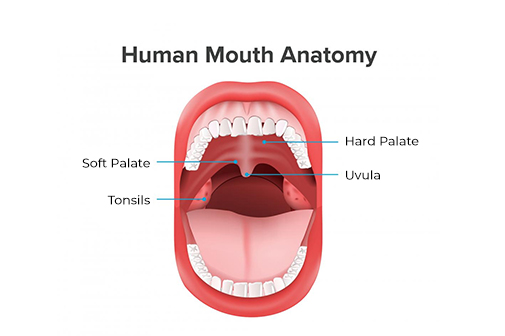
    The roof of your mouth, medically known as the palate, is divided into two sections: the hard palate at the front and the soft palate at the back. Because this area is lined with sensitive mucous membranes, it is vulnerable to various irritants. Understanding the root cause is the first step toward effective treatment.

    1. Thermal Injury (The Pizza Burn)

    By far the most common reason for sudden palate pain is a thermal burn. The tissues in your mouth are delicate, and consuming food or drinks that are too hot can damage the top layer of cells.

    • How it happens: Eating freshly baked bread, hot cheese, or sipping scalding coffee.
    • Symptoms: Immediate stinging, redness, and potentially blistering or peeling skin after a few days.
    • Healing Time: Minor burns typically heal within 3โ€“7 days as the mouth has a high rate of cell regeneration.

    2. Abrasion from Hard Foods

    Sometimes, it is not the heat, but the texture. Crunchy foods like tortilla chips, hard crusts, or candy can scratch the soft tissue of the hard palate.

    • Mechanism: Physical trauma creates micro-tears in the mucosa.
    • Sensation: A raw, tender feeling that worsens when touched by the tongue or more food.

    3. Canker Sores (Aphthous Ulcers)

    Canker sores are small, shallow lesions that develop on the soft tissues in your mouth or at the base of your gums. While they often appear on the inside of cheeks, they can certainly form on the soft palate.

    • Appearance: White or yellow center with a red border.
    • Triggers: Stress, minor injury, acidic foods, or vitamin deficiencies (B-12, zinc, folate).
    • Duration: Usually heal on their own in one to two weeks.

    4. Oral Thrush (Candidiasis)

    Oral thrush is a fungal infection caused by an overgrowth of Candida albicans. It is more common in infants, the elderly, and those with compromised immune systems.

    • Symptoms: Creamy white lesions on the tongue or inner cheeks, sometimes spreading to the roof of the mouth. These lesions may bleed slightly when scraped.
    • Sensation: Cotton-like feeling in the mouth, loss of taste, or cracking at the corners of the mouth.

    5. Sinus Infections and Allergies

    Your sinuses are located directly above the roof of your mouth. When they become inflamed due to a cold, flu, or allergies, the pressure can manifest as pain in the palate.

    • Connection: The maxillary sinuses sit close to the upper teeth and palate. Congestion can cause referred pain.
    • Indicator: Pain usually accompanies other symptoms like nasal congestion, headache, or post-nasal drip.

    When to Worry: Less Common but Serious Conditions

    While most cases of palate pain are benign and temporary, some conditions require medical attention. It is crucial to distinguish between a minor irritation and a sign of something more systemic.

    ConditionKey SymptomsAction Required
    Hand, Foot, and Mouth DiseaseFever, sore throat, painful blisters on hands, feet, and mouth.Consult a pediatrician or GP; highly contagious.
    Oral Lichen PlanusLacy white patches, red swollen tissues, or open sores.See a dentist or specialist for monitoring.
    Salivary StonesPain under the tongue or roof of mouth, especially when eating.Medical evaluation may be needed for removal.
    Oral CancerPersistent sore that does not heal, loose teeth, numbness.Immediate professional evaluation required.

    According to the National Institute of Dental and Craniofacial Research, persistent oral lesions that do not heal within two weeks should always be evaluated by a healthcare professional to rule out serious conditions. This external validation underscores the importance of monitoring your symptoms.

    What Does It Mean When Roof Of Your Mouth Hurts

    How to Relieve Pain at Home: Step-by-Step Guide

    If you are dealing with a minor burn, scratch, or canker sore, you can manage the pain effectively at home. Here is a practical protocol to speed up healing and reduce discomfort.

    Step 1: Cool Down the Area

    Immediately after a thermal burn, cool the tissue to stop the burning process and reduce inflammation.

    • Action: Sip cold water or suck on ice chips.
    • Detail: Use approximately 200โ€“250 ml of cold water (temperature around 4โ€“10ยฐC). Hold it in your mouth for 30 seconds before swallowing. Repeat every hour as needed.

    Step 2: Salt Water Rinse

    Salt water is a natural disinfectant that helps reduce swelling and cleans the wound.

    • Recipe: Mix 1/2 teaspoon of salt into 8 ounces (240 ml) of warm water.
    • Method: Swish gently for 30 seconds, then spit out. Do this 3โ€“4 times a day, especially after meals.

    Step 3: Avoid Irritants

    Give your palate a break from substances that can aggravate the sensitive tissue.

    • Avoid: Spicy foods, acidic fruits (citrus, tomatoes), very hot beverages, and crunchy/sharp foods.
    • Choose: Soft, bland foods like yogurt, applesauce, mashed potatoes, and smoothies.

    Step 4: Over-the-Counter Remedies

    For persistent pain, topical treatments can provide a protective barrier.

    • Options: Look for gels containing benzocaine or hydrogen peroxide rinses designed for mouth sores.
    • Note: Always follow the package instructions and consult a pharmacist if you have existing health conditions.

    People Also Ask: Addressing Your Specific Concerns

    To ensure we cover all bases, letโ€™s address specific questions users frequently search for regarding palate pain.

    Why does the roof of my mouth hurt after eating pineapple?

    Pineapple contains an enzyme called bromelain, which breaks down proteins. Since your mouth is made of protein, bromelain essentially “digests” the tender tissue on the roof of your mouth, causing a stinging sensation. Cooking pineapple deactivates this enzyme, which is why canned pineapple rarely causes this issue.

    Can stress cause pain in the roof of the mouth?

    Indirectly, yes. High stress levels can weaken your immune system, making you more susceptible to canker sores or cold sores (herpes simplex), which can appear on the palate. Additionally, stress often leads to teeth grinding (bruxism), which can create tension and referred pain in the jaw and upper palate.

    Is it normal for the roof of my mouth to hurt after a dental procedure?

    Yes, it is relatively common. During dental work, especially involving the upper teeth, the injection site or the retraction tools used to keep your mouth open can irritate the palate. This pain should subside within a few days. If it persists or worsens, contact your dentist.

    What vitamin deficiency causes mouth sores?

    Deficiencies in Vitamin B-12, Iron, Folate (B-9), and Zinc are strongly linked to recurrent aphthous stomatitis (canker sores). If you frequently suffer from these sores, consider asking your doctor for a blood test to check your nutrient levels.

    FAQ Section

    Q: How long does a burnt roof of the mouth take to heal? A: Most minor thermal burns heal within 3 to 7 days. The mouth has excellent blood supply, which promotes rapid healing. If the pain persists beyond two weeks, seek medical advice.

    Q: Can I use honey to treat a sore palate? A: Yes, honey has natural antibacterial and anti-inflammatory properties. Applying a small amount of medical-grade honey directly to the sore can help soothe pain and protect the area. However, do not give honey to children under one year old due to the risk of botulism.

    Q: Should I pop a blister on the roof of my mouth? A: No. Popping a blister increases the risk of infection and delays healing. Let it rupture naturally or reabsorb. Keep the area clean with salt water rinses instead.

    Q: When should I see a doctor for palate pain? A: You should see a doctor if:

    • The pain lasts longer than two weeks.
    • You have a high fever.
    • There is significant swelling or difficulty breathing/swallowing.
    • You notice white patches that cannot be wiped away.

    Q: Does smoking affect palate pain? A: Yes. Smoking restricts blood flow to the gum and palate tissues, slowing down healing and increasing the risk of infections like thrush and periodontal disease. Quitting smoking can significantly improve oral health outcomes.

    Conclusion

    Dealing with a sore roof of the mouth can be frustrating, but understanding “what does it mean when roof of your mouth hurts“ empowers you to take the right steps. In most cases, the culprit is a minor burn, scratch, or canker sore that will resolve with simple home care like salt water rinses and avoiding irritants.

    However, always listen to your body. If the pain is severe, persistent, or accompanied by other systemic symptoms, do not hesitate to consult a healthcare professional. Early detection is key to managing any underlying conditions effectively.

    If you found this guide helpful, please share it with friends or family who might be suffering from similar discomfort. Knowledge is the best medicine, and sharing it can help others find relief faster!

  • Why Does the Roof of My Mouth Hurt When I Eat?

    Why Does the Roof of My Mouth Hurt When I Eat?

    Have you ever taken a bite of your favorite hot pizza or crunchy chip, only to be stopped in your tracks by a sharp sting? It is a frustrating and surprisingly common experience that can turn mealtime into a chore. If you are constantly dealing with pain on the roof of my mouth when I eat, you are not alone, and there are logical explanations for why this happens.

    In this guide, we will explore the most likely culprits behind this discomfort, ranging from minor thermal burns to underlying medical conditions. We will provide actionable advice on how to soothe the pain immediately and prevent it from returning, ensuring you can enjoy your meals without fear.

    What Causes Pain on the Roof of the Mouth When Eating?

    The roof of your mouth, medically known as the palate, is covered in delicate mucous membranes. Because it is directly exposed to food and drink, it is highly susceptible to irritation. Understanding the root cause is the first step toward effective treatment.

    1. Thermal Burns (Pizza Palate)

    The most common reason for sudden pain is a thermal burn. This occurs when you consume food or beverages that are too hot. The thin tissue on the hard palate can blister or peel quickly.

    • Symptoms: Immediate stinging, redness, and sometimes a white patch where the skin has peeled.
    • Common Triggers: Hot coffee, melted cheese, fresh-out-of-the-oven bread.

    2. Mechanical Trauma from Hard Foods

    Crunchy foods can act like sandpaper against the sensitive palate. Chips, crusty bread, or hard candies can cause micro-abrasions or even small cuts.

    • Why it hurts: These tiny wounds expose nerve endings, making every subsequent bite painful.
    • Prevention: Chew slowly and allow saliva to soften hard foods before swallowing.

    3. Canker Sores (Aphthous Ulcers)

    Canker sores are small, shallow lesions that develop on the soft tissues in your mouth or at the base of your gums. While they often appear on the inner cheeks, they can also form on the roof of the mouth.

    • Appearance: White or yellow center with a red border.
    • Trigger: Stress, minor injury, acidic foods, or vitamin deficiencies.

    4. Oral Thrush (Candidiasis)

    This is a fungal infection caused by an overgrowth of Candida yeast. It is more common in individuals with weakened immune systems, those taking antibiotics, or people with diabetes.

    • Symptoms: Creamy white lesions, bleeding when scraped, and a cottony feeling in the mouth.
    • Sensation: A burning sensation that worsens when eating spicy or acidic foods.

    5. Allergic Reactions

    Oral Allergy Syndrome (OAS) can cause itching, swelling, or pain in the mouth shortly after eating certain raw fruits, vegetables, or nuts. This is due to cross-reactivity between pollen allergens and proteins in food.

    How to Identify the Source of Your Palate Pain

    Differentiating between a simple burn and an infection is crucial for proper treatment. Use the table below to help identify what might be affecting you.

    SymptomLikely CauseDurationAction Required
    Sudden stinging after hot foodThermal Burn3โ€“7 daysCool rinses, soft diet
    Sharp pain from crunchingMechanical Trauma2โ€“5 daysAvoid hard foods
    Visible white/yellow soreCanker Sore1โ€“2 weeksTopical gels, avoid acid
    White patches, cottony feelOral ThrushUntil treatedAntifungal medication
    Itching/swelling after fruitAllergic ReactionMinutes/HoursAntihistamines, avoid trigger

    If you suspect an infection like thrush, it is essential to consult a healthcare provider. For more detailed information on oral infections, you can refer to resources provided by Wikipedia to understand the biological mechanisms behind fungal growth in the mouth.

    Immediate Relief: How to Soothe a Burning Palate

    If you are currently experiencing pain on the roof of my mouth when I eat, here are some immediate steps you can take to reduce discomfort and promote healing.

    Step 1: Cool Down the Area

    Temperature control is vital. Do not apply ice directly to the burn, as this can cause further tissue damage. Instead:

    • Sip cold water or milk.
    • Suck on ice chips or popsicles.
    • Rinse with cool salt water (mix 1/2 teaspoon of salt in 8 ounces of warm water, then let it cool).

    Step 2: Choose the Right Foods

    During the healing phase, your diet plays a significant role in recovery. Stick to the “BRAT” diet concept but adapted for mouth pain:

    • Bananas (soft and non-acidic)
    • Rice (cool, plain)
    • Applesauce (unsweetened)
    • Toast (only if softened with butter or broth, otherwise avoid)

    Avoid:

    • Spicy foods (chili, pepper)
    • Acidic foods (citrus, tomatoes, vinegar)
    • Crunchy textures (chips, nuts)
    • Very hot temperatures

    Step 3: Over-the-Counter Remedies

    For persistent pain, consider using oral gels containing benzocaine. These provide temporary numbness. However, use them sparingly and follow package instructions. Honey has also been shown in some studies to have wound-healing properties; applying a small amount of medical-grade honey to the affected area may help.

    Pain On The Roof Of My Mouth When I Eat

    When to See a Doctor or Dentist

    While most cases of palate pain resolve on their own within a week, some symptoms indicate a need for professional evaluation. Do not ignore these warning signs:

    1. Persistent Pain: If the pain lasts longer than two weeks.
    2. Unexplained Bleeding: If the area bleeds without obvious trauma.
    3. Difficulty Swallowing: If the pain spreads to your throat or makes swallowing difficult.
    4. Fever: Accompanied by mouth sores, this could indicate a viral or bacterial infection.
    5. White Patches That Donโ€™t Wipe Off: This could be a sign of leukoplakia or other conditions requiring biopsy.

    Early intervention can prevent minor issues from becoming major health concerns. Regular dental check-ups are also crucial for maintaining overall oral health and catching issues early.

    Preventing Future Palate Pain

    Prevention is always better than cure. Here are some long-term strategies to keep your palate healthy:

    • Test Temperature: Always blow on hot food or take a small test sip of hot beverages before consuming fully.
    • Chew Thoroughly: Break down hard foods with your molars before they touch the roof of your mouth.
    • Stay Hydrated: A dry mouth is more prone to injury and infection. Drink plenty of water throughout the day.
    • Maintain Oral Hygiene: Brush twice daily and floss once a day to reduce bacterial load in the mouth.
    • Manage Stress: High stress levels can trigger canker sores. Practice relaxation techniques like deep breathing or meditation.

    FAQ Section

    1. Why does the roof of my mouth hurt when I eat acidic foods?

    Acidic foods like oranges, tomatoes, and pineapples can irritate existing micro-abrasions or canker sores. The acid stimulates the nerve endings in the exposed tissue, causing a sharp, stinging pain. If you have no visible sores, you may have sensitive mucous membranes or early-stage inflammation.

    2. Can a sinus infection cause pain on the roof of my mouth?

    Yes. The roots of your upper teeth are close to your sinus cavities. When sinuses are inflamed or infected, the pressure can radiate to the roof of the mouth, causing a dull ache or sensitivity when chewing. This is often accompanied by nasal congestion or headache.

    3. Is pain on the roof of the mouth a sign of oral cancer?

    While rare, persistent sores or lumps that do not heal within two weeks can be a sign of oral cancer. Other symptoms include numbness, loose teeth, or difficulty moving the jaw. If you have risk factors like smoking or heavy alcohol use, regular screenings are essential. However, most palate pain is benign and related to trauma or minor infections.

    4. How long does a burned roof of the mouth take to heal?

    A minor thermal burn typically heals within 3 to 7 days. The mouth has a rich blood supply, which aids in rapid healing. Deeper burns may take up to two weeks. Keeping the area clean and avoiding irritants will speed up the process.

    5. Can braces cause pain on the roof of my mouth?

    Yes. Braces, particularly the wires or brackets, can rub against the palate, causing irritation or ulcers. Using orthodontic wax to cover sharp edges and using a soft-bristled toothbrush can help alleviate this discomfort. If the pain persists, consult your orthodontist for an adjustment.

    6. What home remedies work best for palate pain?

    Saltwater rinses are highly effective for cleaning and soothing the area. Aloe vera gel (food grade) can also reduce inflammation. Avoiding alcohol-based mouthwashes is crucial, as they can dry out and irritate the tissue further.

    Conclusion

    Experiencing pain on the roof of my mouth when I eat is rarely a cause for panic, but it is always a signal from your body that something needs attention. Whether it is a simple burn from hot coffee, a scratch from a chip, or a minor infection, most cases can be managed with home care and dietary adjustments.

    By understanding the causes and applying the relief strategies outlined above, you can minimize discomfort and return to enjoying your favorite meals. Remember, if symptoms persist beyond two weeks or worsen, seeking professional medical advice is the safest course of action.

    Did you find this guide helpful? Share it with friends and family who might be suffering from similar oral discomfort. Letโ€™s spread awareness about oral health and make mealtime enjoyable again!

  • Rain During Roofing? Hereโ€™s What Happens

    Rain During Roofing? Hereโ€™s What Happens

    Have you ever looked out the window on a scheduled roofing day, seeing dark clouds gather, and felt that sinking feeling in your stomach? It is a homeownerโ€™s worst nightmare: what happens if it rains while getting a new roof? The good news is that professional roofers are well-versed in weather contingencies and have strict protocols to protect your home. In this guide, we will break down exactly how rain affects the installation process, the potential risks involved, and what you should expect from your contractor.

    Immediate Risks: Water Intrusion and Structural Damage

    When rain hits an active roofing site, the primary concern is water intrusion. Your old roof has likely been partially or fully removed, leaving the wooden deck exposed. Without proper protection, rainwater can seep into the attic, damage insulation, and even rot the structural decking.

    According to industry standards, the exposure of the roof deck should be minimized. If rain occurs during the tear-off phase (removing old shingles), the risk is highest. However, reputable contractors do not leave your home vulnerable. They use heavy-duty tarps and waterproof underlayment to create a temporary barrier.

    It is crucial to understand that modern roofing materials are designed with weather resistance in mind, but they are not invincible during installation. The gap between removing old materials and installing new waterproof layers is the critical window where damage can occur.

    How Professional Contractors Handle Rain

    Experienced roofing teams monitor weather forecasts religiously. They do not rely on guesswork; they use advanced meteorological data to plan their schedules. If rain is predicted, they will often delay the start of the project or ensure that all exposed areas are sealed before the end of the shift.

    The “Dry-In” Process

    The most important concept to understand is the “dry-in” stage. This involves installing the underlayment (often synthetic or felt paper) over the roof deck before any shingles are applied.

    • Synthetic Underlayment: This material is highly water-resistant and can often withstand light rain for a short period without compromising integrity.
    • Felt Paper: Traditional asphalt-saturated felt is less resistant to prolonged moisture and can wrinkle or tear if wet.

    If rain starts unexpectedly, contractors will prioritize completing the dry-in process for the section they are working on. If they cannot finish the dry-in, they will cover the exposed deck with secured tarps. These tarps are weighted and fastened to prevent wind from blowing them away, ensuring your home remains dry.

    Material-Specific Impacts: Shingles vs. Flat Roofs

    Not all roofing materials react to rain in the same way. Understanding the specific material being installed helps set realistic expectations.

    Asphalt Shingles

    Asphalt shingles are the most common roofing material in the US. They require specific conditions for proper adhesion.

    • Adhesive Strips: Most modern shingles have self-sealing adhesive strips that activate with heat from the sun. If it rains and temperatures are cool, these strips may not seal immediately. This does not mean the roof is faulty, but it may require manual sealing with roofing cement in some cases.
    • Wet Shingles: Installing shingles on a wet deck is a major red flag. Moisture trapped beneath the shingles can lead to mold growth and premature deterioration. Professional roofers will never install shingles on a wet surface. They will wait for the deck to dry completely, which may take 24โ€“48 hours depending on humidity and sunlight.

    Flat Roofs and Membranes

    For flat roofs using EPDM (rubber) or TPO membranes, rain can be more problematic during the adhesive application phase. Water can prevent proper bonding between the membrane and the deck. In such cases, contractors must dry the surface thoroughly or use mechanical fastening methods instead of adhesives until conditions improve.

    What Happens If It Rains While Getting A New Roof

    Delayed Timelines: What to Expect

    One of the most common questions homeowners ask is, “Will my project take longer?” The answer is almost always yes. Rain introduces unavoidable delays.

    ScenarioImpact on Timeline
    Light Drizzle during Tear-OffMinimal delay; tarps used immediately.
    Heavy Storm during Installation1โ€“3 days delay for drying and inspection.
    Rain after Shingle InstallationNo delay if shingles were properly sealed.
    Wet Deck Discovered24โ€“48 hours delay for drying before continuing.

    Contractors build “weather days” into their initial estimates. A typical roofing job might have a buffer of 1โ€“2 days for unexpected weather. If rain causes significant delays, your contractor should communicate this clearly and provide a revised completion date.

    Long-Term Consequences of Poor Rain Management

    If a contractor fails to manage rain properly, the consequences can be severe and long-lasting. Trapped moisture can lead to:

    1. Mold and Mildew: Damp insulation and wood create an ideal environment for mold, which poses health risks and requires expensive remediation.
    2. Wood Rot: Persistent moisture weakens the roof deck, potentially requiring replacement of structural components later.
    3. Voided Warranties: Many shingle manufacturers void warranties if their products are installed on wet surfaces or if proper dry-in procedures are not followed.

    To avoid these issues, always hire a licensed and insured contractor with proven experience in weather management. You can verify industry standards and best practices by referring to authoritative sources like the National Roofing Contractors Association or general construction guidelines on Wikipedia.

    Steps to Take If It Rains During Your Project

    If you find yourself in this situation, stay calm and follow these steps:

    1. Do Not Panic: Rain is a natural occurrence, and professionals are prepared for it.
    2. Check for Leaks: Inspect your attic and ceilings for any signs of water intrusion. If you see leaks, document them with photos and notify your contractor immediately.
    3. Communicate with Your Contractor: Ask them about their weather protocol. Did they tarp the area? Is the underlayment intact?
    4. Allow Drying Time: Do not pressure the crew to continue working if the deck is wet. Rushing the process can lead to costly mistakes.
    5. Final Inspection: Once the roof is complete, request a thorough inspection to ensure no moisture was trapped during the installation.

    FAQ Section

    Q: Can roofers work in light rain?

    A: Generally, no. While light drizzle might not stop tear-off activities if tarps are ready, installing new materials like shingles or underlayment requires a dry surface. Safety is also a concern, as wet roofs are slippery and dangerous for workers.

    Q: Will rain ruin my new shingles?

    A: If installed correctly on a dry deck, rain will not ruin new shingles. In fact, shingles are designed to withstand heavy rainfall. The risk lies in installing them during rain or on a wet surface, which can compromise adhesion and trap moisture.

    Q: How long does it take for a roof deck to dry after rain?

    A: It typically takes 24 to 48 hours for a roof deck to dry completely, depending on temperature, humidity, and sunlight. Contractors will use moisture meters to ensure the wood is dry before proceeding.

    Q: Is it normal for my roofing project to be delayed due to weather?

    A: Yes, it is very common. Reputable contractors include weather buffers in their timelines. Frequent rain may extend the project by a few days, but this is preferable to risking water damage or poor installation quality.

    Q: What should I do if my contractor leaves my roof uncovered during rain?

    A: Contact them immediately. If they are unresponsive, document the damage with photos and videos. If significant damage occurs, you may need to contact your insurance company or seek legal advice. Always ensure your contract includes clauses about weather protection responsibilities.

    Conclusion

    Understanding what happens if it rains while getting a new roof empowers you to manage expectations and protect your investment. While rain can cause delays, it does not have to result in damage if handled by professionals who prioritize safety and quality. By choosing a reputable contractor who follows strict weather protocols, you ensure that your new roof will stand strong against the elements for years to come.

    If you found this guide helpful, please share it with friends or family who are planning home improvements. Staying informed is the best way to ensure a smooth and successful roofing project!