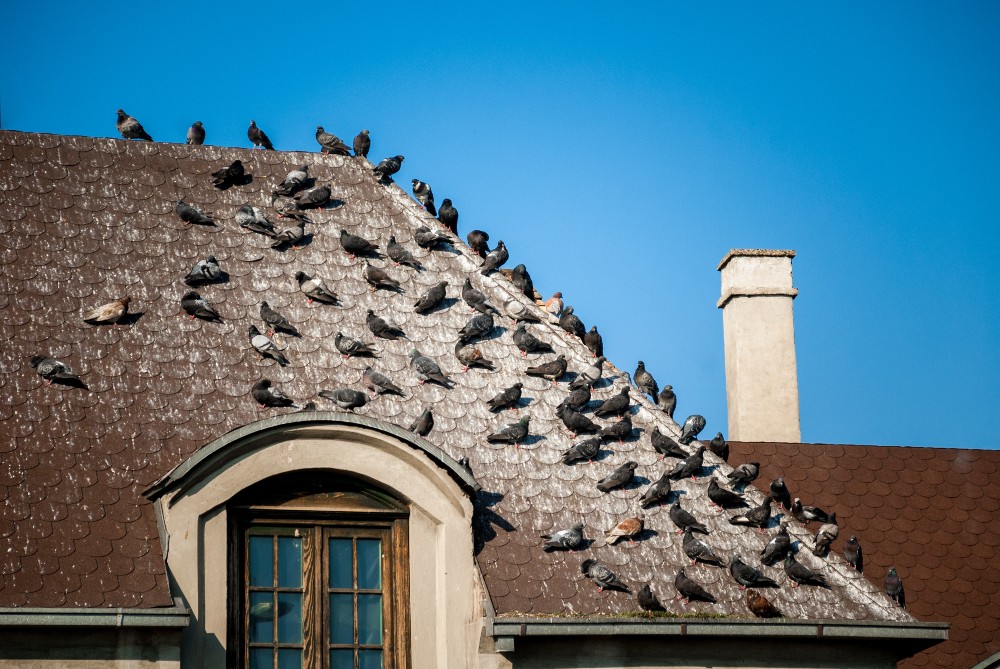
There is nothing quite as frustrating as hearing the cooing and scratching of birds above your head when you are trying to relax or sleep. If you are staring at your ceiling wondering, “How do I get rid of pigeons on my roof,” you are not alone; this is one of the most common homeowner complaints in urban and suburban areas across the US. Pigeons are persistent, messy, and can cause significant structural damage if left unchecked, but with the right strategy, you can reclaim your space safely and humanely.
In this guide, we will break down exactly why pigeons choose your roof, the health risks involved, and the most effective, long-term solutions to keep them away for good. We focus on methods that are not only effective but also compliant with local wildlife laws and ethical standards.
Why Are Pigeons Choosing My Roof?
Before diving into removal tactics, it is crucial to understand the intent behind the infestation. Pigeons, often called “rats with wings” by frustrated homeowners, are not random visitors. They are creatures of habit seeking three specific things: shelter, safety, and food.
Your roof offers an ideal vantage point. It provides protection from predators like hawks and cats, while the eaves, chimneys, and HVAC units offer perfect nesting spots shielded from rain and wind. According to urban wildlife studies, once a pair of pigeons establishes a nest, they are likely to return to the same spot year after year due to their strong homing instinct.
Furthermore, if your neighborhood has accessible food sources—such as open garbage bins, pet food left outside, or bird feeders meant for songbirds—you are essentially inviting them to stay. Understanding this behavior is the first step in effective prevention.
The Hidden Dangers of Roof Pigeons
Many homeowners underestimate the severity of a pigeon problem, viewing it merely as a nuisance. However, the implications go far beyond noise.
Structural Damage
Pigeon droppings, known as guano, are highly acidic. Over time, this acidity can corrode roofing materials, including metal flashings, shingles, and even concrete tiles. A buildup of nests can also block gutters, leading to water overflow and potential roof leaks during heavy storms.
Health Risks
The primary concern for most residents is health. Pigeon droppings can harbor fungi and bacteria. One of the most notable risks is Histoplasmosis, a respiratory disease caused by inhaling spores from dried droppings. Other potential diseases include Cryptococcosis and Psittacosis.
For more detailed information on the biological classification and habits of these birds, you can refer to the comprehensive entry on Columbidae (Wikipedia), which highlights their adaptability to urban environments.
Effective Methods: How Do I Get Rid of Pigeons on My Roof?
Now, let’s address the core question. There is no single “magic bullet,” but a combination of physical barriers and sensory deterrents yields the best results. Here are the most proven methods, ranked by effectiveness.
1. Install Physical Barriers (The Gold Standard)
Physical barriers are the only 100% effective long-term solution. If a pigeon cannot land, it cannot nest.
- Bird Spikes: These are strips of plastic or stainless steel spikes that make landing uncomfortable. They are ideal for flat surfaces like roof edges, ledges, and chimney tops.
- Pros: Long-lasting, low maintenance, humane.
- Cons: Visible aesthetic impact.
- Bird Netting: For larger areas or gaps under eaves, netting is superior. It physically blocks access to nesting cavities.
- Installation Tip: Ensure the net is taut. Loose netting can trap birds, which is both inhumane and illegal in many jurisdictions.
- Slope Modifiers: Installing angled boards (at least 45 degrees) on flat ledges prevents pigeons from finding a stable footing.
2. Visual and Auditory Deterrents
If physical installation is too costly or difficult, deterrents can work, though they often require rotation to remain effective as pigeons can habituate to them.
- Reflective Objects: Old CDs, aluminum foil strips, or specialized reflective tape create disorienting light flashes.
- Predator Decoys: Plastic owls or hawks can scare pigeons initially. However, you must move these decoys every few days; otherwise, the pigeons will realize they are fake.
- Ultrasonic Devices: These emit high-frequency sounds unpleasant to birds but inaudible to humans. Effectiveness varies greatly depending on the environment and obstacles.
3. Chemical Repellents (Use with Caution)
Gel repellents create a sticky, uncomfortable surface that birds dislike. While effective, they require regular reapplication and can be messy. Always choose non-toxic, biodegradable options to avoid harming other wildlife or pets.
| Method | Effectiveness | Cost | Maintenance Level | Best For |
|---|---|---|---|---|
| Bird Spikes | High | Medium | Low | Ledges & Flat Roofs |
| Netting | Very High | High | Low | Eaves & Large Areas |
| Reflective Tape | Low-Medium | Low | High | Temporary Solutions |
| Predator Decoys | Low | Low | High | Small Infestations |
| Gel Repellents | Medium | Medium | High | Irregular Surfaces |
Step-by-Step Guide to Cleaning and Prevention
Once you have installed deterrents, you must clean up the existing mess. Warning: Never dry-sweep pigeon droppings, as this releases harmful spores into the air.
- Safety First: Wear an N95 mask, rubber gloves, and protective eyewear.
- Wet the Area: Use a garden sprayer to thoroughly wet the droppings with a mixture of water and a disinfectant or enzyme cleaner. This keeps dust down.
- Scrape Gently: Use a plastic scraper to remove the waste. Avoid damaging roofing materials.
- Disinfect: Apply a bleach solution (1 part bleach to 10 parts water) or a commercial enzymatic cleaner to kill bacteria and remove odors that might attract new birds.
- Seal Entry Points: Inspect your roof for gaps around vents or chimneys and seal them with wire mesh or caulk.
Common Mistakes to Avoid
- Feeding the Problem: Ensure no one in your household or neighborhood is inadvertently feeding them.
- Ignoring Baby Birds: During spring and early summer, check for nests with chicks. In the US, it is often illegal to disturb active nests of native species. Wait until the fledglings have left before sealing entry points.
- Using Mothballs: Some online hacks suggest mothballs. These are toxic to pets and children and are generally ineffective for outdoor use as they dissipate quickly.
FAQ Section
Q1: Is it legal to remove pigeons from my roof?
In the United States, rock pigeons (the common city pigeon) are generally not protected under the Migratory Bird Treaty Act. However, local ordinances vary significantly. Always check with your local wildlife agency before using lethal methods. Humane deterrents are always the safest legal route.
Q2: Will vinegar keep pigeons away?
Vinegar has a strong smell that pigeons dislike, but it evaporates quickly outdoors. It may work as a very short-term deterrent on small surfaces, but it is not a viable long-term solution for a roof infestation.
Q3: How long does it take to see results after installing spikes?
Results are usually immediate. Pigeons will attempt to land, find the surface uncomfortable, and leave. However, if they have already nested, they may linger for a few days trying to protect their young before finally abandoning the site.
Q4: Can pigeons damage my solar panels?
Yes. Pigeons often nest under solar panels because they provide shade and shelter. Their droppings can reduce the efficiency of the panels by blocking sunlight, and their nesting material can interfere with wiring. Installing mesh barriers specifically designed for solar arrays is highly recommended.
Q5: What is the best time of year to pigeon-proof my roof?
The best time is late winter or early spring, before the breeding season begins. This prevents them from establishing nests in the first place. If you act in summer, you risk disturbing active nests, which complicates the removal process.
Conclusion
Dealing with a pigeon infestation requires patience and a strategic approach. By understanding how do I get rid of pigeons on my roof through a combination of exclusion techniques like spikes and netting, along with proper sanitation, you can protect your home’s integrity and your family’s health. Remember, consistency is key; once the pigeons are gone, maintain your deterrents to prevent their return.
If you found this guide helpful, please share it on social media to help friends and neighbors tackle their own bird problems. A pigeon-free roof is a peaceful roof!
Leave a Reply