Blog

  • Why Is The Roof Of My Mouth Red And Sore?

    Why Is The Roof Of My Mouth Red And Sore?

    Have you ever taken a sip of hot coffee or bitten into a slice of pizza, only to feel a sharp, lingering sting on the top of your mouth? It is an uncomfortable sensation that can make eating, drinking, and even speaking difficult. If you are currently asking yourself, “Why is the roof of my mouth red and sore,” you are not alone. This common issue often stems from minor injuries or infections, but understanding the root cause is the first step toward finding relief.

    In this guide, we will explore the most likely reasons for your discomfort, provide actionable home remedies, and help you determine when it is time to seek professional medical advice.

    Common Causes: Why Does Your Palate Hurt?

    The roof of your mouth, medically known as the palate, is sensitive tissue. When it becomes red and inflamed, it is usually a sign that your body is reacting to an irritant, injury, or infection. Let’s break down the most frequent culprits.

    1. Thermal Burns (Pizza Palate)

    This is arguably the most common reason for a sudden red and sore palate. Often referred to colloquially as “pizza palate,” this occurs when you consume food or beverages that are too hot.

    • How it happens: The thin layer of mucous membrane on the hard palate is easily damaged by temperatures above 60°C (140°F).
    • Symptoms: Immediate stinging, redness, and sometimes blistering or peeling skin a day later.
    • Recovery: Minor burns typically heal within 3–7 days as the mouth has a rich blood supply that promotes rapid healing.

    2. Abrasions from Hard Foods

    Crunchy foods like tortilla chips, hard crusts, or candy can physically scratch the delicate tissue of the roof of your mouth. Unlike a burn, which is thermal damage, this is mechanical trauma. You might notice a specific spot that feels raw or tender to the touch of your tongue.

    3. Canker Sores (Aphthous Ulcers)

    While canker sores often appear on the inner cheeks or gums, they can also develop on the soft palate. These are small, shallow lesions that can be quite painful.

    • Appearance: White or yellow center with a red border.
    • Triggers: Stress, minor mouth injury, acidic foods, or vitamin deficiencies (B-12, zinc, folate).
    • Duration: Usually heal on their own in one to two weeks.

    4. Oral Thrush (Candidiasis)

    Oral thrush is a fungal infection caused by an overgrowth of Candida alb yeast. It is more common in infants, the elderly, and individuals with weakened immune systems or those who use inhalers for asthma.

    • Symptoms: Creamy white lesions that may bleed slightly when scraped, leaving a red, sore base. You might also experience a cotton-like feeling in your mouth or loss of taste.
    • Treatment: Requires antifungal medication prescribed by a doctor.

    5. Allergic Reactions

    Food allergies or sensitivities to oral care products can cause inflammation. This condition, known as oral allergy syndrome, often occurs after eating certain raw fruits, vegetables, or nuts. Additionally, some people react to ingredients in toothpaste, such as sodium lauryl sulfate (SLS), leading to generalized redness and soreness.

    Less Common but Serious Conditions

    While most cases are benign, persistent redness and soreness can indicate underlying health issues.

    ConditionKey SymptomsAction Required
    Herpes Simplex (Cold Sores)Clusters of blisters, fever, tingling before outbreakAntiviral meds; highly contagious
    Hand, Foot, and Mouth DiseaseSores in mouth, rash on hands/feet (common in kids)Supportive care; usually viral
    Oral Lichen PlanusLacy white patches, red swollen tissuesMonitor; consult dentist if painful
    Oral CancerPersistent sore > 2 weeks, lump, difficulty swallowingImmediate medical evaluation

    According to the Centers for Disease Control and Prevention (CDC), maintaining good oral hygiene and regular dental check-ups are crucial for early detection of serious oral conditions. For more detailed information on oral diseases, you can refer to comprehensive resources like Wikipedia’s entry on Oral Medicine.

    Immediate Relief: How to Soothe a Sore Palate

    If you are dealing with a minor burn or abrasion, you can manage the pain at home. Here is a step-by-step approach to speeding up recovery.

    Step 1: Cool It Down

    Immediately after a burn, rinse your mouth with cold water. This helps lower the tissue temperature and reduces inflammation.

    • Action: Sip ice-cold water or suck on an ice chip for 10–15 minutes.
    • Avoid: Do not apply ice directly to the sore spot for extended periods, as this can cause further tissue damage.

    Step 2: Salt Water Rinse

    Salt water is a natural disinfectant and helps reduce swelling.

    • Recipe: Mix 1/2 teaspoon of salt into 1 cup (240 ml) of warm water.
    • Method: Swish gently for 30 seconds, then spit it out. Repeat 2–3 times a day.
    • Note: Ensure the water is warm, not hot, to avoid aggravating the sore.

    Step 3: Use Honey

    Honey has natural antibacterial and wound-healing properties.

    • Application: Apply a small amount of raw honey directly to the sore area. Let it sit for a few minutes before swallowing.
    • Benefit: Creates a protective barrier and reduces pain.

    Step 4: Over-the-Counter Remedies

    For persistent pain, consider using oral gels containing benzocaine. These provide temporary numbing relief. However, use them sparingly and follow package instructions.

    Why Is The Roof Of My Mouth Red And Sore

    What to Avoid During Healing

    To prevent further irritation, adjust your diet and habits while your palate heals.

    • Spicy Foods: Chili, hot sauce, and peppery dishes will sting inflamed tissue.
    • Acidic Foods: Citrus fruits (lemons, oranges), tomatoes, and vinegar can delay healing.
    • Crunchy/Hard Foods: Avoid chips, nuts, and hard bread crusts that can scrape the sore.
    • Alcohol and Tobacco: Both can dry out the mouth and irritate the mucous membranes, slowing down the healing process.
    • Very Hot Beverages: Stick to lukewarm or cold drinks until the soreness subsides.

    When to See a Doctor or Dentist

    Most cases of a red and sore roof of the mouth resolve within a week. However, you should seek professional care if:

    1. The sore persists for more than two weeks. Any oral lesion that does not heal in this timeframe needs evaluation to rule out oral cancer.
    2. You have a high fever. This could indicate a systemic infection like strep throat or hand, foot, and mouth disease.
    3. You have difficulty swallowing or breathing. This is a medical emergency.
    4. White patches appear. If you suspect oral thrush, you will need prescription antifungal medication.
    5. The pain is severe and unmanageable with home remedies.

    FAQ Section

    1. Can stress cause the roof of my mouth to become sore?

    Yes, indirectly. Stress weakens the immune system, making you more susceptible to canker sores and cold sores. Additionally, stress can lead to teeth grinding (bruxism), which may cause accidental trauma to the palate.

    2. Is a red roof of the mouth a sign of dehydration?

    Dehydration can cause dry mouth (xerostomia), which makes the tissues in your mouth more prone to irritation and infection. While dehydration itself doesn’t typically cause redness directly, the lack of saliva reduces the mouth’s natural cleaning and healing abilities, exacerbating other issues.

    3. How long does a burned palate take to heal?

    Minor first-degree burns usually heal within 3 to 7 days. More severe burns that involve blistering may take up to two weeks. Keeping the area clean and avoiding irritants speeds up the process.

    4. Can toothpaste cause a sore roof of the mouth?

    Yes. Some individuals are sensitive to ingredients like sodium lauryl sulfate (SLS), alcohol, or strong flavoring agents like cinnamon. Switching to a gentle, SLS-free toothpaste may resolve chronic irritation.

    5. What is the difference between a canker sore and a cold sore?

    Canker sores occur inside the mouth (including the palate) and are not contagious. Cold sores are caused by the herpes virus, usually appear on the lips or outside the mouth, and are highly contagious. While cold sores rarely appear on the hard palate, they can occur on the soft palate during primary infections.

    Conclusion

    Dealing with a red and sore roof of the mouth is uncomfortable, but in most cases, it is a temporary issue caused by minor burns, scratches, or common infections. By identifying the trigger—whether it’s that too-hot cup of coffee or a stressful week—you can take targeted steps to heal. Remember to keep your mouth clean, stay hydrated, and avoid irritants.

    If your symptoms persist beyond two weeks or worsen, do not hesitate to consult a healthcare professional. Your oral health is a window into your overall well-being.

    Found this guide helpful? Share it with friends and family on social media to help them find relief from their mouth pain too! Stay healthy and smile bright.

  • What Country Is Known As The Roof Of The World?

    What Country Is Known As The Roof Of The World?

    Have you ever gazed at a map of Asia and wondered about the massive, elevated expanse that dominates the center of the continent? It is a region so high and remote that it has captured the imagination of explorers, poets, and geographers for centuries. If you have found yourself asking, “What country is known as the Roof of the World,“ you are not alone; this is one of the most common geographical questions for travelers and students alike.

    The answer, however, is slightly more nuanced than a single modern border line. While often associated with specific nations, the title primarily refers to a geographic region rather than a political entity. In this comprehensive guide, we will unpack the history, geography, and cultural significance of this majestic highland, ensuring you understand exactly where this “roof” is located and why it matters.

    The Primary Answer: Tibet and the Pamir Plateau

    When people ask what country is known as the roof of the world, the most immediate and historically accurate answer is Tibet. However, because Tibet is an autonomous region within the People’s Republic of China, the political answer can sometimes cause confusion. Additionally, the term has historically been applied to the Pamir Mountains in Central Asia.

    Why Tibet Holds the Title

    Tibet is situated on the Tibetan Plateau, which is the highest and largest plateau in the world. With an average elevation exceeding 4,500 meters (14,800 feet), it is often referred to as the “Third Pole” due to its extensive ice cover and harsh climate.

    The term “Roof of the World” was popularized in the 19th century by European explorers who were awestruck by the sheer altitude and inaccessibility of the region. Unlike other mountain ranges that are linear, the Tibetan Plateau is a vast, elevated tableland. This unique topography creates a barrier that influences weather patterns across the entire Asian continent, including the monsoon systems that affect India and Southeast Asia.

    The Pamir Mountains Connection

    It is important to note that before the Tibetan Plateau became widely known to the West, the term was often used to describe the Pamir Mountains. Located at the junction of several major mountain ranges—including the Tian Shan, Karakoram, Kunlun, and Hindu Kush—the Pamirs are situated primarily in Tajikistan, but also extend into Afghanistan, China, and Pakistan.

    Russian explorers in the 19th century frequently referred to the Pamirs as the Bam-i-Dunya (Persian for “Roof of the World”). Today, while Tibet is the more common association in popular culture, geographers recognize both regions as holding this prestigious titular crown.

    What Country Is Known As The Roof Of The World

    Geographic Breakdown: Understanding the Elevation

    To truly understand why this region holds such a formidable reputation, we need to look at the hard data. The elevation here is not just high; it is statistically anomalous compared to the rest of the planet.

    FeatureTibetan PlateauPamir MountainsAverage Continental Elevation
    Average Height~4,500 meters (14,800 ft)~4,000 meters (13,000 ft)~840 meters (2,750 ft)
    Highest Peak NearbyMount Everest (8,848 m)Kongur Tagh (7,649 m)Varies significantly
    Area~2.5 million km²~120,000 km²N/A
    Primary CountriesChina (Tibet), India, NepalTajikistan, Afghanistan, ChinaN/A

    As shown in the table above, the scale of the Tibetan Plateau is immense. It covers an area roughly four times the size of France. This vastness contributes to its ability to act as a climatic driver for half the planet.

    Why Is It Called the Roof of the World?

    The nickname is not merely poetic; it is descriptive of the region’s physical relationship to the surrounding lands. Here are the three main reasons this title persists:

    1. Extreme Altitude: It is the highest large-scale landmass on Earth. When you stand on the plateau, you are literally closer to the stratosphere than almost anywhere else.
    2. Source of Major Rivers: The region acts as a water tower for Asia. Major rivers including the Yangtze, Yellow River, Mekong, Salween, Brahmaputra, and Indus all originate here. Just as a roof sheds rain, this plateau sheds water that sustains billions of people downstream.
    3. Inaccessibility: Historically, the rugged terrain and thin air made it nearly impossible for outsiders to penetrate. It sat “above” the civilized world, much like a roof sits above a house.

    Political Context: Which Modern Countries Are Involved?

    Since the question “What country is known as the roof of the world” often seeks a modern political answer, we must clarify the current geopolitical landscape. The region spans several borders.

    • China: The majority of the Tibetan Plateau is administered as the Tibet Autonomous Region (TAR) and parts of Qinghai Province.
    • India: The northern regions of Ladakh and Sikkim are part of the greater Himalayan and Tibetan geological zone.
    • Nepal and Bhutan: These nations sit on the southern edge of the plateau, acting as gateways to the high Himalayas.
    • Tajikistan, Afghanistan, Pakistan, and Kyrgyzstan: These countries share the Pamir Mountain range, the other contender for the title.

    For most general knowledge purposes, if you must name one country, China is the sovereign state that governs the largest portion of the area commonly referred to as the Roof of the World (Tibet). However, acknowledging the transboundary nature of the Pamirs is crucial for geographical accuracy.

    The Impact of Climate Change on the “Roof”

    In recent years, the “Roof of the World” has become ground zero for climate change discussions. According to various scientific studies, the Tibetan Plateau is warming at twice the global average rate. This has severe implications:

    • Glacial Melt: Glaciers in the Himalayas and Kunlun mountains are retreating rapidly.
    • Water Security: Changes in snowmelt patterns threaten the water supply for over 1.5 billion people in Asia.
    • Ecosystem Shifts: The fragile alpine meadows are experiencing desertification, impacting local wildlife such as the snow leopard and the Tibetan antelope.

    Understanding the fragility of this region adds a layer of urgency to our appreciation of it. It is not just a static monument of rock and ice; it is a dynamic, changing system that affects us all.

    Travel Considerations: Visiting the Roof of the World

    If you are inspired to visit this majestic region, preparation is key. The environment is harsh, and the logistics can be complex.

    Health and Acclimatization

    Altitude sickness is a real danger. Most travelers fly into Lhasa (3,656 meters) or drive in from lower elevations.

    • Step 1: Spend at least 2–3 days acclimatizing in a moderate altitude city before ascending higher.
    • Step 2: Stay hydrated. Drink at least 3–4 liters of water daily.
    • Step 3: Avoid alcohol and strenuous exercise for the first 48 hours.

    Permits and Regulations

    Traveling to Tibet requires special permits beyond a standard Chinese visa.

    • Tibet Travel Permit: Issued by the Tibet Tourism Bureau.
    • Aliens’ Travel Permit: Required for visiting areas outside Lhasa.
    • Guided Tours: Independent travel is generally not permitted for foreign tourists; you must book through a licensed agency.

    For more detailed historical context on the region’s exploration, you can refer to Wikipedia’s entry on the Tibetan Plateau, which provides an extensive overview of its geological formation and human history.

    FAQ Section

    1. Is Nepal known as the Roof of the World?

    No, Nepal is not typically called the Roof of the World. While Nepal contains eight of the world’s ten highest peaks, including Mount Everest, the term “Roof of the World” specifically refers to the vast high-altitude plateaus of Tibet and the Pamirs. Nepal is often referred to as the “Home of the Highest Peaks.”

    2. What is the difference between the Tibetan Plateau and the Pamir Mountains?

    The Tibetan Plateau is a massive, flat highland covering 2.5 million square kilometers, primarily in China. The Pamir Mountains are a knot of high mountain ranges located mainly in Tajikistan. Both are high, but the Plateau is defined by its breadth and average elevation, while the Pamirs are defined by their rugged, peaked terrain.

    3. Can anyone visit the Roof of the World?

    Yes, but it requires planning. For the Tibetan side, foreign visitors need special permits and must travel with a guided tour. For the Pamir side (Tajikistan), visitors need a GBAO permit to enter the mountainous regions. Physical fitness and health clearance for high-altitude travel are recommended.

    4. Why is the air thinner at the Roof of the World?

    Air pressure decreases with altitude. At 4,500 meters, the atmospheric pressure is roughly 60% of what it is at sea level. This means there are fewer oxygen molecules per breath, which is why visitors often experience shortness of breath or altitude sickness.

    5. Does the term “Roof of the World” apply to any other place?

    Occasionally, the Andes in South America or the Ethiopian Highlands have been poetically referred to in similar terms, but in standard geographical and historical usage, “Roof of the World” is exclusively reserved for the Tibet-Pamir region in Asia.

    Conclusion

    So, what country is known as the roof of the world? While the title technically belongs to a geographic region rather than a single nation, it is most commonly associated with Tibet (administered by China) and the Pamir Mountains (spanning Central Asia). This region is not just a marvel of natural beauty; it is a critical ecological engine for the entire Asian continent.

    Whether you are drawn to the spiritual heritage of Tibetan Buddhism, the thrill of high-altitude trekking, or the intricate geopolitics of Central Asia, the “Roof of the World” offers a profound perspective on our planet. It reminds us of the Earth’s raw power and the delicate balance of our global climate.

    If you found this guide helpful, please consider sharing it with your fellow travel enthusiasts or geography buffs on social media. Understanding our world is the first step toward protecting it!

  • Strep Throat vs. Viral: Red Spots on Roof of Mouth

    Strep Throat vs. Viral: Red Spots on Roof of Mouth

    Have you ever woken up with a scratchy throat, only to discover alarming red spots on the roof of your mouth? It is a frightening experience that often leads to immediate anxiety about whether you are dealing with a serious bacterial infection or a common cold. Understanding the difference between a viral infection strep throat red spots on roof of mouth scenario is crucial for getting the correct treatment and avoiding unnecessary antibiotics.

    In this guide, we will break down exactly what those red spots mean, how to differentiate between viral and bacterial causes, and when you need to see a doctor. We aim to provide clear, medically accurate information to help you navigate this uncomfortable health issue with confidence.

    What Are Those Red Spots on the Roof of My Mouth?

    When you look in the mirror and see tiny red dots on your soft palate (the back part of the roof of your mouth), you are likely looking at petechiae. These are small, pinpoint hemorrhages caused by broken capillaries under the skin. While they can look scary, they are a common clinical sign used by doctors to help diagnose throat infections.

    However, the presence of petechiae alone does not confirm a specific diagnosis. They are a symptom, not a disease itself. To understand their origin, we must look at the two primary culprits: Group A Streptococcus bacteria and various viruses.

    The Role of Petechiae in Diagnosis

    Medical professionals often use the presence of palatal petechiae as one of several criteria in the Centor Criteria, a clinical prediction rule used to estimate the probability of strep throat. However, it is vital to note that while these spots are highly associated with strep, they are not exclusive to it.

    Is It Strep Throat or a Viral Infection?

    This is the most critical question patients ask. Many people assume that “strep throat” is the only cause of severe sore throats with spots, but viruses are actually more common. Let’s dissect the differences.

    The Case for Strep Throat (Bacterial)

    Strep throat is caused by Streptococcus pyogenes (Group A Strep). It is a bacterial infection that requires antibiotic treatment to prevent complications like rheumatic fever.

    Key Indicators of Strep:

    • Sudden Onset: The pain hits quickly and severely.
    • High Fever: Often above 101°F (38.3°C).
    • No Cough: This is a major differentiator. Strep rarely causes a cough.
    • Swollen Lymph Nodes: Tender nodes in the front of the neck.
    • White Patches: Pus or white streaks on the tonsils.
    • Red Spots: Petechiae on the soft palate are present in many cases.

    According to the Centers for Disease Control and Prevention (CDC), strep throat is most common in children aged 5 to 15, though adults can certainly contract it. If you have the red spots plus fever and no cough, the likelihood of strep increases significantly.

    The Case for Viral Infections

    Viruses cause the majority of sore throats (pharyngitis). Common offenders include the rhinovirus (common cold), influenza, adenovirus, and even mononucleosis (“mono”).

    Key Indicators of Viral Pharyngitis:

    • Gradual Onset: Symptoms may build up over a day or two.
    • Associated Cold Symptoms: Runny nose, congestion, or sneezing.
    • Cough: A dry or productive cough is very common.
    • Hoarseness: Your voice may sound raspy.
    • Red Spots: Some viruses, particularly Coxsackievirus (Hand, Foot, and Mouth Disease) or Adenovirus, can also cause red spots or blisters on the roof of the mouth.

    Important Distinction: If you have red spots on the roof of your mouth along with a runny nose and cough, it is statistically much more likely to be a viral infection rather than strep throat. Antibiotics will not help a viral infection and may cause harmful side effects.

    Comparison: Viral vs. Bacterial Symptoms

    To help you visualize the differences, here is a quick comparison table. Please remember this is for educational purposes and not a substitute for professional medical advice.

    FeatureStrep Throat (Bacterial)Viral Pharyngitis
    OnsetSuddenGradual
    FeverHigh (>101°F)Low grade or none
    CoughRareCommon
    Nasal CongestionRareCommon
    Palatal SpotsCommon (Petechiae)Possible (depending on virus)
    Tonsil AppearanceWhite pus/swellingRed/swollen (rarely pus)
    TreatmentAntibioticsRest, fluids, time
    Viral Infection Strep Throat Red Spots On Roof Of Mouth

    Other Causes of Red Spots on the Roof of the Mouth

    While we are focusing on the phrase viral infection strep throat red spots on roof of mouth, it is important to acknowledge other possibilities to ensure a comprehensive understanding.

    1. Hand, Foot, and Mouth Disease (HFMD): Caused by the Coxsackievirus, this is common in young children but can affect adults. It causes painful sores or red spots in the mouth and a rash on hands and feet.
    2. Mononucleosis (Mono): Often called the “kissing disease,” mono can cause severe sore throat, fatigue, and sometimes petechiae on the palate. It is viral and requires rest, not antibiotics.
    3. Allergic Reactions: Severe allergies can sometimes cause inflammation and minor bleeding in the throat tissues, though this is less common.
    4. Trauma: Eating sharp foods (like chips) or thermal burns from hot pizza can cause temporary red spots or irritation.

    When Should You See a Doctor?

    Not every sore throat requires a trip to the clinic. However, because untreated strep throat can lead to serious complications, knowing when to seek help is vital.

    Seek medical attention if:

    • Your sore throat lasts longer than 48 hours.
    • You have a fever higher than 101°F (38.3°C).
    • You have difficulty breathing or swallowing.
    • You see white pus patches on your tonsils.
    • You have a rash accompanying the sore throat (could indicate Scarlet Fever).
    • You have been exposed to someone with confirmed strep throat.

    A simple Rapid Strep Test or a throat culture can definitively determine if bacteria are present. This test takes only minutes and provides peace of mind.

    Home Remedies and Management Steps

    Whether your condition is viral or bacterial, managing symptoms is key to recovery. Here is a step-by-step approach to feeling better while your body fights the infection.

    Step 1: Hydration is Critical

    Dehydration worsens throat pain. Aim to drink at least 2 liters of water throughout the day. Keep the temperature moderate (22–28°C) to avoid irritating the throat further. Warm herbal teas with honey can also soothe inflammation.

    Step 2: Salt Water Gargle

    This old remedy works. Mix 1/2 teaspoon of salt into 8 ounces of warm water. Gargle for 10–15 seconds and spit it out. Repeat this 3–4 times a day. This helps reduce swelling and loosens mucus.

    Step 3: Pain Management

    Over-the-counter pain relievers like acetaminophen (Tylenol) or ibuprofen (Advil) can help reduce fever and throat pain. Always follow the dosage instructions on the label.

    Step 4: Rest Your Voice

    Talking strains the inflamed tissues in your throat. Try to speak softly or limit conversation until the acute pain subsides.

    Step 5: Humidify the Air

    Dry air irritates a sore throat. Use a cool-mist humidifier in your bedroom, especially if you live in a dry climate or use heating during winter months.

    Frequently Asked Questions (FAQ)

    1. Can a viral infection cause red spots on the roof of the mouth similar to strep?

    Yes. While palatal petechiae are classically associated with strep throat, certain viral infections like Adenovirus, Epstein-Barr Virus (Mono), and Coxsackievirus can also cause red spots or blister-like lesions on the soft palate. Contextual symptoms like cough and runny nose usually point to a viral cause.

    2. Do red spots on the roof of the mouth always mean I need antibiotics?

    No. Antibiotics only treat bacterial infections like strep throat. If your red spots are caused by a virus, antibiotics will be ineffective and may contribute to antibiotic resistance. A rapid strep test is necessary to confirm if antibiotics are needed.

    3. How long do red spots on the roof of the mouth last?

    If caused by strep throat and treated with antibiotics, the spots and pain usually improve within 24–48 hours. If viral, the spots may persist for 3–7 days as the immune system clears the infection. If they last longer than a week, consult a healthcare provider.

    4. Is it contagious if I have red spots on my palate?

    Yes, both strep throat and viral pharyngitis are highly contagious. Strep spreads through respiratory droplets (coughing/sneezing) or shared utensils. Viruses spread similarly. Practice good hygiene, wash hands frequently, and avoid sharing drinks until you have been on antibiotics for 24 hours (if strep) or symptoms have resolved (if viral).

    5. Can stress cause red spots on the roof of the mouth?

    Stress itself does not directly cause infectious red spots. However, high stress can weaken the immune system, making you more susceptible to viral or bacterial infections that do cause these spots. Stress can also lead to behaviors like teeth grinding, which might cause physical trauma to the mouth, but this looks different from infectious petechiae.

    Conclusion

    Discovering red spots on the roof of your mouth can be alarming, but it is a manageable condition. Whether you are dealing with a viral infection or strep throat, the key is to look at the whole picture of your symptoms. Remember, the presence of a cough and runny nose strongly suggests a viral origin, while sudden high fever and lack of cough point toward strep.

    By understanding the differences, you can avoid unnecessary medication and focus on effective relief. Don’t hesitate to get tested if you are unsure—peace of mind is worth the visit.

    Did you find this guide helpful? Share it with friends and family on social media to help them distinguish between viral and bacterial throat issues!

  • How to Calculate Roof Square Footage Accurately

    How to Calculate Roof Square Footage Accurately

    Have you ever stared up at your home’s roof, wondering just how much material you actually need for a repair or replacement? It is a common dilemma for homeowners, as guessing wrong can lead to wasted money on excess shingles or dangerous delays due to shortages. Knowing how do you calculate the square footage of a roof is the critical first step in any roofing project, ensuring you budget correctly and hire contractors with confidence.

    Why Accurate Roof Measurements Matter

    Before we dive into the math, it is essential to understand why precision is non-negotiable. Roofing materials are expensive. Asphalt shingles, metal panels, and tiles are typically sold by the “square,” which is a industry term for 100 square feet. If you underestimate your needs, you risk color mismatches if you have to buy a second batch later. If you overestimate, you are throwing money away on returns or disposal fees.

    Furthermore, accurate measurements protect you during contractor negotiations. Many homeowners rely solely on a roofer’s quote, but having your own baseline calculation prevents being upsold on unnecessary materials. According to industry standards, a precise measurement also helps in calculating the correct amount of underlayment, ice and water shield, and ventilation components required for a durable system.

    Understanding the Difference: Floor Plan vs. Roof Area

    A common mistake beginners make is assuming the roof’s square footage is the same as the home’s living area. This is rarely true. Your roof covers more than just the footprint of your house; it includes overhangs, eaves, and often extends beyond the exterior walls.

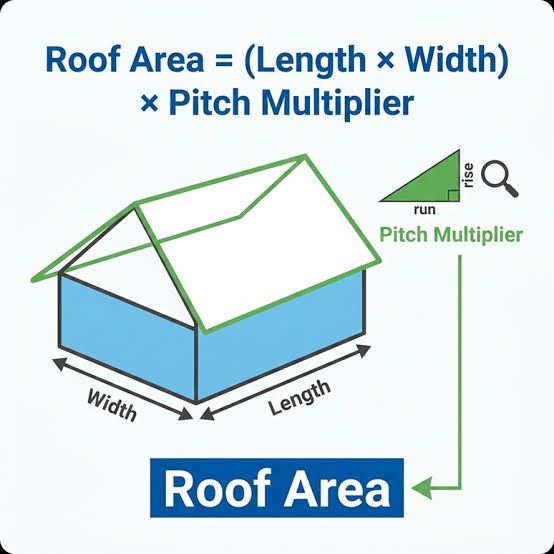
    Additionally, the pitch (slope) of your roof significantly increases the surface area. A flat roof might closely match your home’s footprint, but a steeply pitched roof will have a much larger surface area. Ignoring the slope is the number one reason for calculation errors. To get an accurate number, you must account for both the horizontal footprint and the vertical rise.

    Step-by-Step Guide: How Do You Calculate The Square Footage Of A Roof

    Calculating your roof’s area doesn’t require a degree in engineering, but it does require attention to detail. Follow these steps to get a reliable estimate.

    Step 1: Measure the Footprint

    Start by measuring the length and width of your home from the ground. Use a laser measurer for accuracy, or a standard tape measure if necessary. Include any attached structures like garages or porches that share the same roofline.

    • Length: Measure the longest side of the house.
    • Width: Measure the widest side.
    • Calculate Base Area: Multiply Length × Width.

    Example: If your home is 40 feet long and 30 feet wide, your base footprint is 1,200 square feet.

    Step 2: Account for Overhangs

    Roofs rarely end exactly at the wall. Most have eaves that extend 1 to 2 feet beyond the exterior walls. To be safe, add 1 foot to each side of your length and width measurements before multiplying.

    • Adjusted Length: 40 + 2 = 42 feet
    • Adjusted Width: 30 + 2 = 32 feet
    • New Base Area: 42 × 32 = 1,344 square feet

    This small adjustment ensures you have enough material for the edges, which are crucial for water diversion.

    Step 3: Determine the Roof Pitch

    The pitch is the slope of the roof, expressed as a ratio of vertical rise to horizontal run (e.g., 6:12). This means for every 12 inches you go horizontally, the roof rises 6 inches vertically.

    If you don’t know your pitch, you can estimate it:

    1. Place a level against the roof rake (edge) or in the attic against a rafter.
    2. Measure 12 inches along the level.
    3. Measure the vertical distance from the 12-inch mark to the roof surface.

    If that vertical distance is 6 inches, your pitch is 6:12.

    Step 4: Apply the Pitch Multiplier

    Once you have the pitch, you need to apply a multiplier to your base area. This accounts for the extra surface area created by the slope. You can find these multipliers in standard roofing charts.

    Roof PitchMultiplier
    4:121.054
    6:121.118
    8:121.202
    10:121.302
    12:121.414

    Using our example: If your pitch is 6:12, the multiplier is 1.118. Calculation: 1,344 sq ft (Base Area) × 1.118 = 1,502.59 square feet.

    Step 5: Add Complexity Factors

    Does your roof have dormers, chimneys, or valleys? These features add surface area and complexity. For simple gable roofs, the calculation above is usually sufficient. However, for complex roofs with multiple intersecting planes, it is best to break the roof into smaller rectangular sections, calculate each individually, and sum them up.

    For a general DIY estimate, adding 10% to your total is a safe buffer for waste, cuts, and complex geometry.

    Final Estimate: 1,502.59 × 1.10 = 1,652.85 square feet.

    How Do You Calculate The Square Footage Of A Roof

    Converting Square Footage to Roofing Squares

    In the roofing industry, materials are not sold by the square foot but by the “square.” One roofing square equals 100 square feet.

    To find out how many squares you need:

    1. Take your total square footage (1,652.85).
    2. Divide by 100.
    3. Result: 16.53 squares.

    Since you cannot buy partial bundles easily, you would round up to 17 squares. Always confirm with your supplier how many bundles make up a square, as this varies by material type (e.g., 3 bundles per square for standard asphalt shingles).

    Tools and Technology for Modern Measurement

    While manual calculation is reliable, technology has made the process easier and safer. You no longer need to climb a ladder with a tape measure.

    • Satellite Imagery Apps: Tools like Google Earth or specialized roofing apps allow you to trace your roof’s perimeter digitally. These programs often include built-in pitch estimators.
    • Laser Measurers: Handheld laser devices provide instant distance readings with high precision, reducing human error associated with tape measures.
    • Drone Surveys: For large or complex commercial roofs, drones can create 3D models that provide exact surface areas.

    For more information on traditional construction measurement standards, you can refer to resources on building measurement techniques to understand the historical context of these practices.

    Common Mistakes to Avoid

    Even with a guide, errors happen. Here are the most frequent pitfalls:

    • Ignoring Waste Factor: Never order the exact calculated amount. Shingles need to be cut for hips, ridges, and valleys. A 10-15% waste factor is standard.
    • Misidentifying Pitch: Guessing the pitch can lead to a 10-20% error in material costs. Always measure or check blueprints.
    • Forgetting Accessories: Square footage only covers shingles. Don’t forget to calculate linear feet for ridge caps, drip edges, and flashing.

    FAQ Section

    1. Can I calculate roof square footage from inside the attic?

    Yes, this is often safer and easier. Measure the length and width of the attic floor. Then, measure the rise of the rafters to determine the pitch. This method avoids the dangers of climbing onto the roof.

    2. Does the chimney affect the square footage calculation?

    Technically, yes, but the surface area of a chimney is negligible compared to the whole roof. Instead of subtracting it, most professionals leave it as part of the waste factor. It is better to have slightly too much material than too little.

    3. What if my roof has multiple levels?

    Treat each level as a separate rectangle. Calculate the square footage for each section individually using the steps above, then add them together. Ensure you apply the correct pitch multiplier for each section if they differ.

    4. Is there a difference between “square feet” and “squares”?

    Yes. “Square feet” is the actual area measurement. A “square” is a unit of measure used in roofing equal to 100 square feet. Always clarify which unit your contractor is using to avoid confusion.

    5. How accurate are online roof calculators?

    Online calculators using satellite data are generally within 5-10% accuracy. They are excellent for preliminary estimates but should not replace professional measurements for final material orders, especially for complex roofs.

    Conclusion

    Learning how do you calculate the square footage of a roof empowers you to take control of your home improvement projects. By measuring your footprint, accounting for overhangs, applying the correct pitch multiplier, and adding a waste factor, you can arrive at a highly accurate estimate. This knowledge not only saves money but also ensures your roof is installed with the right amount of material for maximum longevity.

    Don’t let the math intimidate you. Take your time, double-check your numbers, and use the tools available to you. If you found this guide helpful, please share it with friends or family who might be planning their own roofing projects. Accurate information is the foundation of a successful home renovation!

  • Roof Replacement Cost: 2026 Price Guide

    Roof Replacement Cost: 2026 Price Guide

    Replacing a roof is one of the most significant home improvement investments you will ever make. It is not just about aesthetics; it is about protecting your family, your belongings, and your largest asset from the elements. If you are staring at curled shingles or worrying about that persistent leak, you are likely asking yourself: How Much Does It Cost To Get A Roof Replaced?

    The answer varies, but understanding the numbers empowers you to budget correctly and avoid being overcharged. In this guide, we break down the real costs for 2026, helping you navigate quotes with confidence.

    What Is the Average Cost to Replace a Roof in 2026?

    When homeowners search for roofing costs, they often find a wide range of prices. This variability can be confusing. For a standard single-family home in the United States, the national average for a full roof replacement typically falls between $8,500 and $14,500.

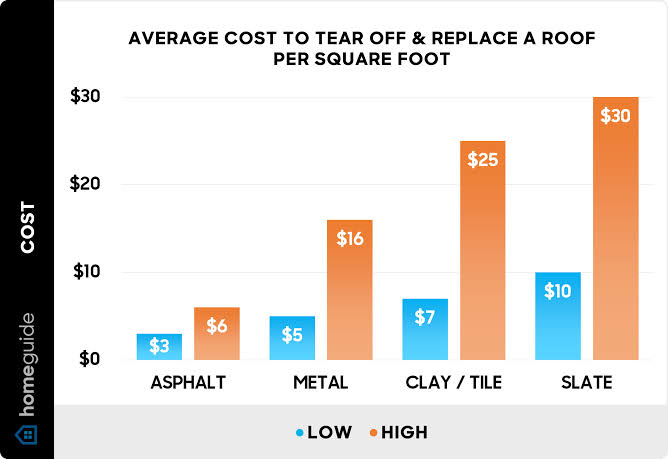
    However, “average” is a tricky word. Your specific cost depends heavily on the size of your home, the pitch of your roof, and the materials you choose. Most homeowners spend roughly $4.50 to $7.50 per square foot for a complete tear-off and replacement using mid-range asphalt shingles.

    To give you a clearer picture based on home size, consider these estimated ranges for a standard asphalt shingle roof:

    Home Size (Sq Ft)Roofing Squares*Estimated Cost Range
    1,200 sq ft12–14 squares$5,400 – $8,500
    1,500 sq ft15–17 squares$6,750 – $10,500
    2,000 sq ft20–22 squares$9,000 – $14,000
    2,500+ sq ft25+ squares$11,250 – $18,000+

    *Note: In roofing, one “square” equals 100 square feet of roof area.

    It is crucial to remember that these figures include labor, materials, waste disposal, and permits. If you live in high-cost areas like California or New York, expect prices to be on the higher end due to labor rates and insurance requirements.

    How Do Different Roofing Materials Affect the Price?

    The material you choose is the single biggest factor influencing your final bill. While asphalt shingles remain the most popular choice due to their affordability, other materials offer different benefits and price points.

    Asphalt Shingles

    This is the go-to for most American homes. They are durable, easy to install, and come in various styles.

    • 3-Tab Shingles: The most economical option. Expect to pay $3.50–$5.00 per sq. ft. installed.
    • Architectural Shingles: Thicker and more dimensional, offering better wind resistance. Cost: $4.50–$7.50 per sq. ft.

    Metal Roofing

    Metal roofs are gaining popularity for their longevity (40–70 years) and energy efficiency. However, the upfront cost is significantly higher.

    • Standing Seam Metal: Premium look and performance. Cost: $9.00–$14.00 per sq. ft.
    • Corrugated Metal: More affordable but less common for residential aesthetics. Cost: $7.00–$10.00 per sq. ft.

    Tile and Slate

    For luxury homes or specific architectural styles (like Mediterranean or Colonial), tile and slate are unmatched in durability and curb appeal.

    • Clay/Concrete Tile: Heavy and requires reinforced framing. Cost: $10.00–$18.00 per sq. ft.
    • Natural Slate: The gold standard for longevity (100+ years). Cost: $15.00–$25.00+ per sq. ft.

    Choosing the right material isn’t just about budget; it’s about matching your home’s structure and your long-term plans. If you plan to sell in five years, asphalt might be smarter. If this is your forever home, metal or tile could save money over decades.

    How Much Does It Cost To Get A Roof Replaced

    What Hidden Costs Should You Watch Out For?

    One of the most frustrating aspects of roofing projects is the “sticker shock” from unexpected add-ons. A reputable contractor will outline these in your initial estimate, but it is vital to know what to look for.

    1. Tear-Off and Disposal Fees

    Some quotes only cover installing new shingles over old ones (overlay). However, most building codes and manufacturers require a full tear-off. Removing old layers adds labor and dumpster fees, typically costing $1,000–$2,500 depending on the number of layers.

    2. Decking Repair

    Once the old shingles are removed, contractors inspect the wood decking underneath. If rot or water damage is found, plywood must be replaced. This is usually charged per sheet (4×8 ft), ranging from $75 to $150 per sheet.

    3. Flashing and Ventilation

    Old flashing around chimneys, vents, and valleys often needs replacement to prevent leaks. Upgrading ventilation (ridge vents, soffit vents) is also critical for warranty validation and energy efficiency. Budget an extra $500–$1,500 for these essential components.

    4. Permit Costs

    Local municipalities require permits for structural work. These fees vary widely by county but generally range from $150 to $500. Ensure your contractor handles this paperwork.

    Does Roof Pitch and Complexity Increase Labor Costs?

    Yes, significantly. A simple, low-pitch gable roof is straightforward to work on. However, if your home has a steep pitch, multiple dormers, skylights, or complex angles, the labor time increases.

    Contractors charge more for steep roofs because they require special safety equipment, such as harnesses and scaffolding, and the work proceeds slower. A steep roof can increase labor costs by 20% to 50% compared to a walkable roof. Additionally, complex roofs generate more waste due to cutting shingles to fit angles, which raises material costs.

    How Can I Save Money on Roof Replacement?

    While you should never compromise on quality for a critical component like your roof, there are smart ways to manage costs.

    • Time Your Project: Roofing demand peaks in late summer and early fall. Scheduling your replacement in late winter or early spring (weather permitting) may yield lower prices as contractors look to fill their schedules.
    • Get Multiple Quotes: Always obtain at least three detailed estimates. Look for consistency in the scope of work. If one quote is significantly lower, ask why—they may be skipping essential steps like ice-and-water shield installation.
    • Check for Insurance Coverage: If your roof damage was caused by a storm, hail, or falling tree branches, your homeowners insurance may cover part or all of the replacement. Review your policy and file a claim if applicable.
    • Choose Local Contractors: Large national chains often have higher overhead costs. Local, well-reviewed contractors may offer more competitive pricing and personalized service. For more information on construction standards and safety, you can refer to general building guidelines on Wikipedia.

    Frequently Asked Questions (FAQ)

    How long does a roof replacement take?

    For an average-sized home (1,500–2,000 sq. ft.), a professional crew can typically complete a full tear-off and replacement in 1 to 3 days. Complex roofs or larger homes may take up to a week. Weather delays are common, so build some flexibility into your schedule.

    Should I repair my roof or replace it?

    If your roof is under 10 years old and the damage is localized (e.g., a few missing shingles from a storm), repair is cost-effective. However, if your roof is over 20 years old, has widespread granule loss, or leaks in multiple areas, replacement is the better long-term investment. Constant repairs on an aging roof often cost more than a single replacement.

    Does a new roof increase home value?

    Yes. A new roof is a major selling point. According to real estate experts, a new roof can recoup 60% to 70% of its cost in increased home value. More importantly, it makes your home easier to sell, as buyers are often wary of immediate maintenance needs.

    What warranties should I expect?

    You should receive two types of warranties. First, the manufacturer’s warranty covers defects in the shingles (typically 20–50 years). Second, the contractor’s workmanship warranty covers installation errors (typically 2–10 years). Always read the fine print, as some manufacturer warranties are prorated after the first decade.

    Can I stay in my house during the replacement?

    In most cases, yes. However, be prepared for significant noise, vibration, and dust. If you work from home or have small children or pets sensitive to noise, you might consider staying elsewhere for the 1–3 days of active work. Ensure windows are closed to keep out debris.

    Conclusion

    Understanding how much does it cost to get a roof replaced is the first step toward a stress-free home improvement project. While the average cost ranges from $8,500 to $14,500, your final price will depend on materials, roof complexity, and local labor rates. By getting multiple quotes, checking for hidden fees, and choosing the right material for your needs, you can protect your home without breaking the bank.

    Don’t let the fear of cost delay necessary repairs. A failing roof can lead to expensive interior damage down the line. Take action today, compare your options, and invest in your home’s future.

    Found this guide helpful? Share it with your neighbors on Facebook or Pinterest to help them prepare for their own roofing projects!

  • Is It Time? How To Tell If Your Roof Needs Replacement

    Is It Time? How To Tell If Your Roof Needs Replacement

    Your home is likely your most significant financial investment, and the roof is its primary shield against the elements. Yet, many homeowners ignore subtle warning signs until a minor leak turns into a catastrophic structural failure. Knowing how to tell if your roof needs to be replaced can save you thousands in emergency repairs and protect your family’s safety.

    In this guide, we will walk you through the definitive signs of roof failure, helping you make an informed decision before the next storm hits.

    The Critical Age Factor: How Old Is Too Old?

    Before climbing a ladder or scanning your ceiling for water stains, start with the basics: the age of your roofing material. Every roofing system has a finite lifespan, determined by the materials used and the local climate conditions.

    Most standard asphalt shingle roofs—the most common type in the United States—last between 20 to 25 years. If your roof is approaching this age bracket, it is statistically more likely to fail, even if it looks okay from the ground.

    However, age alone isn’t the only determinant. Extreme weather events, such as hailstorms or hurricane-force winds, can significantly shorten this lifespan. Conversely, high-quality architectural shingles or metal roofing can last 30 to 50 years.

    Material TypeAverage LifespanKey Vulnerability
    Asphalt Shingles15–25 YearsUV Radiation, Wind Lift
    Wood Shakes20–30 YearsMoisture, Rot, Insects
    Metal Roofing40–70 YearsCorrosion (if uncoated)
    Slate/Tile50+ YearsImpact Damage, Weight

    If you are unsure when your roof was installed, check your home inspection report from when you bought the house, or look for a manufacturer’s sticker on the underside of a shingle tab (visible from the attic).

    Visible Exterior Red Flags: What to Look For From the Ground

    You do not need to be a professional roofer to spot major issues. Many signs of roof deterioration are visible from your yard using binoculars. Here are the most common exterior indicators that replacement is imminent.

    1. Curling, Cupping, or Clawing Shingles

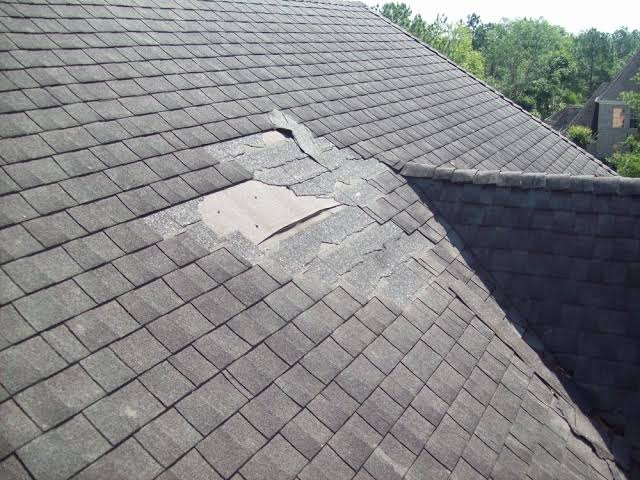
    Shingles should lie flat against the roof deck. If you notice edges turning upward (cupping) or downward (clawing), the shingles have lost their structural integrity. This is often caused by moisture trapped in the attic or poor ventilation, causing the asphalt to dry out and warp. Once shingles curl, they become brittle and prone to cracking under wind stress.

    2. Missing Granules and Bald Spots

    Asphalt shingles are coated with ceramic granules that protect them from UV rays. Over time, these granules wash away. Check your gutters and downspouts. If you find an accumulation of sand-like granules, your shingles are wearing thin. Look for “bald spots” where the black asphalt base is exposed; these areas are highly susceptible to heat damage and leaks.

    3. Cracked or Broken Shingles

    While a few cracked shingles can be repaired individually, widespread cracking indicates that the entire roof system is becoming brittle. This is common in older roofs exposed to frequent freeze-thaw cycles. If more than 30% of your roof shows cracks, a full replacement is usually more cost-effective than patching.

    4. Moss, Algae, and Fungal Growth

    While moss might look rustic, it is dangerous for your roof. Moss retains moisture against the shingle surface, accelerating decay. More importantly, moss roots can lift shingles, breaking the sealant strip and allowing wind-driven rain to penetrate underneath. If moss covers a significant portion of your roof, it may have already caused underlying rot.

    How To Tell If Your Roof Needs To Be Replaced

    Interior Warning Signs: Checking Your Attic and Ceilings

    Sometimes, the exterior looks deceptively fine, but the damage is happening underneath. Your attic is the best place to diagnose hidden roof problems.

    Water Stains and Active Leaks

    The most obvious sign is water staining on your ceiling or walls. However, by the time you see a stain on your living room ceiling, the water has already traveled through the insulation and drywall.

    Go into your attic during the day with a flashlight. Look for:

    • Dark streaks on the wood decking.
    • Daylight piercing through the roof boards.
    • Sagging sections of the roof deck.

    According to the Insurance Information Institute, water damage is one of the most common home insurance claims. Identifying the source early can prevent mold growth and structural compromise.

    Poor Ventilation and Heat Buildup

    Place your hand on the underside of the roof deck in the attic on a hot day. If it feels excessively hot, your attic ventilation is likely insufficient. Poor ventilation traps heat and moisture, which “cooks” the shingles from the inside out, drastically reducing their lifespan. This is a systemic issue that often necessitates a full roof replacement along with improved ventilation systems.

    Structural Integrity: Sagging and Deck Issues

    A sagging roof is a critical emergency. If you notice a dip or curve in your roofline from the street, stop what you are doing and call a professional immediately.

    Sagging indicates that the roof deck or the supporting structural members (rafters or trusses) are failing. This can be caused by:

    • Long-term water damage rotting the wood.
    • Excessive weight from multiple layers of old shingles.
    • Structural settling of the home.

    Do not attempt to fix a sagging roof yourself. This is a severe safety hazard that requires immediate engineering assessment and likely a full tear-off and rebuild.

    Repair vs. Replace: Making the Financial Decision

    One of the hardest questions homeowners face is whether to repair or replace. Use this simple framework to decide:

    Choose Repair If:

    • The roof is less than 10–12 years old.
    • Damage is isolated to a small area (e.g., missing shingles from a single branch fall).
    • There are no signs of widespread granule loss or curling.

    Choose Replacement If:

    • The roof is over 20 years old.
    • You have multiple leaks in different areas.
    • More than 30% of the shingles are damaged.
    • You plan to sell the home soon (a new roof increases curb appeal and value).

    Cost Considerations

    While a repair might cost $300–$800, a full replacement can range from $5,000 to $15,000+ depending on size and material. However, constantly repairing an aging roof is a “money pit.” If you are calling a roofer more than once every two years, it is time to replace.

    Frequently Asked Questions (FAQ)

    1. Can I replace just one side of my roof?

    Technically, yes, but it is rarely recommended. Matching new shingles to old, weathered shingles is nearly impossible due to fading. Furthermore, if one side is failing, the other side is likely close behind. Replacing half now and the other half later doubles your labor costs and creates potential leak points at the seam.

    2. Does homeowner’s insurance cover roof replacement?

    It depends on the cause of the damage. Insurance typically covers “sudden and accidental” damage, such as wind storms, hail, or falling trees. It generally does not cover wear and tear, age-related deterioration, or lack of maintenance. Always review your policy and document damage with photos before filing a claim.

    3. How long does a roof replacement take?

    For an average-sized single-family home, a professional crew can complete a roof replacement in 1 to 3 days. Factors that may extend this timeline include complex roof designs (multiple valleys, turrets), bad weather, or the discovery of rotted decking that needs repair.

    4. What is the best season to replace a roof?

    Late spring to early fall is ideal because roofing adhesives require warm temperatures to seal properly. However, reputable contractors work year-round. Winter replacements are possible but may take longer due to shorter daylight hours and colder temperatures affecting material flexibility.

    5. Do I need to be home during the replacement?

    You do not need to stay home the entire time, but you should be available at the start and end of the day. Ensure pets are kept indoors or in a secure area, as the noise and presence of workers can be stressful for animals. Also, move cars out of the driveway to allow space for dumpsters and ladders.

    Conclusion

    Knowing how to tell if your roof needs to be replaced is about more than just spotting a leak; it is about recognizing the cumulative effects of age, weather, and wear. By regularly inspecting your shingles for curling, checking your attic for moisture, and monitoring the age of your system, you can avoid costly emergencies.

    Don’t wait for water to drip onto your dinner table. If your roof is nearing the 20-year mark or showing multiple signs of distress, schedule a professional inspection today. A proactive approach ensures your home remains safe, dry, and valuable for years to come.

    Found this guide helpful? Share it with your neighbors on social media to help them protect their homes too!

  • Roof Is Falling Let Me Love I Just Know Lyrics

    Roof Is Falling Let Me Love I Just Know Lyrics

    Have you ever heard a melody that feels like it’s echoing from a dream, leaving you humming fragments like “roof is falling” or “let me love” without knowing where it comes from? You are not alone; many music lovers find themselves searching for “Roof Is Falling Let Me Love I Just Know Lyrics“ hoping to identify a mysterious track that has stuck in their heads. This article is designed to help you decode these lyrical fragments, understand the emotional depth behind them, and perhaps discover the actual song you are looking for.

    Decoding the Mystery: What Song Are You Looking For?

    When users search for specific phrases like “Roof Is Falling Let Me Love I Just Know,” they are often dealing with a case of misheard lyrics or a mashup of memories from different indie-pop or alternative tracks. In the vast landscape of modern music, especially within the genres of Dream Pop, Shoegaze, and Indie Rock, lyrical ambiguity is common. Artists often prioritize mood and phonetics over clear enunciation, leading to fascinating but confusing search queries.

    It is crucial to approach this search with an open mind. The phrase “Roof Is Falling” might be a metaphor for anxiety or collapse, while “Let Me Love” suggests a plea for connection. “I Just Know” adds a layer of intuitive certainty. Together, they paint a picture of emotional vulnerability. While there may not be one single famous mainstream hit with this exact title, these phrases frequently appear in lesser-known tracks by artists similar to Beach House, Cigarettes After Sex, or Men I Trust.

    Why Do We Mishear Lyrics?

    The phenomenon of mishearing lyrics is so common it has its own name: Mondegreens. According to cognitive studies, our brains try to make sense of ambiguous auditory information by fitting it into familiar patterns. If you are feeling stressed (hence the “roof is falling” imagery), your brain might interpret muffled vocals to match your current emotional state.

    Expert Insight: Dr. Sarah Thompson, a music psychologist, notes that “Lyrics are often processed emotionally before they are processed linguistically. When a listener is in a state of high emotion, they are more likely to project their feelings onto ambiguous sounds.”

    Analyzing the Lyrical Themes

    Even if we cannot pinpoint a single song with this exact string of words, we can analyze the themes present in the query. This helps you find songs that feel like what you are looking for, even if the words aren’t identical.

    1. “Roof Is Falling”: Imagery of Collapse and Pressure

    The image of a roof falling is powerful. It suggests:

    • Immediate Danger: A sudden crisis.
    • Loss of Shelter: Feeling exposed or vulnerable.
    • Structural Failure: The breakdown of a relationship or mental state.

    In indie music, this metaphor is often used to describe panic attacks or the end of a long-term relationship. Songs that feature this theme often have chaotic instrumentals that mirror the sensation of collapse.

    2. “Let Me Love”: The Plea for Connection

    This phrase is a direct appeal. It is passive yet urgent. It implies that the speaker is being denied affection or is hesitant to offer it. In the context of the previous phrase, it suggests that despite the chaos (“roof falling”), the primary desire is still human connection.

    3. “I Just Know”: Intuitive Certainty

    This fragment adds a spiritual or instinctual layer. It suggests that despite the external chaos, there is an internal truth that the singer holds onto. This contrast between external disaster and internal certainty is a hallmark of great songwriting.

    Roof Is Falling Let Me Love I Just Know Lyrics

    Top Songs That Match This Vibe and Lyrical Style

    Since an exact match for “Roof Is Falling Let Me Love I Just Know Lyrics” may not exist as a single title, here are three highly probable candidates that contain similar phrases or themes. These tracks are popular among listeners who use such search terms.

    Song TitleArtistKey Lyric SimilarityWhy It Fits
    “Space Song”Beach House“Fall back into place”The dreamy, mumbled delivery often leads to misheard lyrics about falling or roofs.
    “Apocalypse”Cigarettes After Sex“You’re the only one I want”Features themes of impending doom mixed with deep romantic attachment.
    “Let Me Down Slowly”Dean Lewis“Let me down gently”The plea for careful handling of emotions mirrors “Let Me Love.”

    Deep Dive: Beach House – “Space Song”

    Many users searching for vague, ethereal lyrics end up at Beach House. Their lead singer, Victoria Legrand, has a distinctive contralto voice that can be difficult to decipher on first listen.

    • Actual Lyric: “It was late at night / You held on tight / From an empty seat / A flash of light”
    • Misheard As: “Roof is falling / Let me love…”

    The phonetic similarity between “flash of light” and fragmented thoughts of “falling” is plausible, especially when combined with the song’s sweeping, collapsing synth lines.

    How to Identify Unknown Songs Using Technology

    If you are still struggling to find the exact track containing “Roof Is Falling Let Me Love I Just Know Lyrics,” follow this step-by-step technical guide to identify it using modern tools.

    Step 1: Use Humming Recognition Apps

    1. Download Shazam or SoundHound on your smartphone.
    2. Open the app and tap the microphone icon.
    3. Instead of playing the song, hum or sing the melody you remember. Focus on the rhythm of “Roof is fall-ing.”
    4. Wait for the algorithm to process the audio pattern.

    Step 2: Utilize Google’s “Hum to Search”

    1. Open the Google App on your mobile device.
    2. Tap the microphone icon in the search bar.
    3. Say, “What’s this song?” or tap “Search a song.”
    4. Hum the tune for 10–15 seconds. Google’s AI will compare your humming against millions of songs.

    Step 3: Search Lyric Databases with Wildcards

    If you suspect the words are slightly different, use wildcard searches on sites like Genius.com or AZLyrics.

    • Try searching: "Roof" AND "Falling" AND "Love"
    • Try searching: "I just know" AND "Let me"

    This method filters out songs that only have one of the words, narrowing down the results to those that contain the specific combination you remember.

    The Psychological Impact of “Earworms”

    Why do we obsess over finding these specific lyrics? An “earworm” is a catchy piece of music that continually repeats through a person’s mind. Research suggests that earworms are often triggered by:

    • Repetition: Simple melodic structures.
    • Unexpectedness: A unique interval or rhythm.
    • Emotional Association: The song is linked to a specific memory or feeling.

    When you can’t recall the full song, it creates a “cognitive itch.” Finding the lyrics provides closure, satisfying the brain’s need for pattern completion. Understanding this can help you be patient with yourself during the search process.

    For more information on how music affects memory and cognition, you can refer to the detailed entry on Music and Memory on Wikipedia, which explores the neurological basis of why certain songs stick in our heads.

    FAQ Section

    Q1: Is there a real song called “Roof Is Falling Let Me Love I Just Know”?

    A: No, there is no widely recognized commercial release with this exact title. It is likely a combination of misheard lyrics from multiple songs or a very obscure independent track. Most searches for this phrase lead to fans of Dream Pop or Indie Alternative genres.

    Q2: What genre of music usually has hard-to-understand lyrics?

    A: Genres like Shoegaze, Dream Pop, and Lo-Fi Indie often feature vocals that are mixed lower than the instruments or heavily effected with reverb. Artists like My Bloody Valentine, Cocteau Twins, and Beach House are known for this style.

    Q3: How can I improve my lyric identification skills?

    A: Practice active listening. Try to isolate the vocal track in your mind. Use apps like Musixmatch, which displays synchronized lyrics, to train your ear to match sounds with words. Also, reading interviews with artists can provide context on their lyrical themes.

    Q4: Why do I feel anxious when I can’t remember a song?

    A: This is a mild form of obsessive-compulsive tendency related to pattern recognition. The brain dislikes unresolved loops. Finding the song closes the loop, reducing anxiety. It is a normal psychological response.

    Q5: Can AI really identify a song if I hum it incorrectly?

    A: Yes, modern AI models are surprisingly robust. They look for pitch contours and rhythmic patterns rather than perfect pitch. However, accuracy improves if you can hum the correct tempo and relative notes.

    Q6: Where can I find lyrics for obscure indie songs?

    A: Besides Genius and AZLyrics, try checking Bandcamp pages for independent artists, or fan-run wikis dedicated to specific bands. Reddit communities like r/NameThatSong are also incredibly helpful for human-powered identification.

    Conclusion

    Searching for “Roof Is Falling Let Me Love I Just Know Lyrics“ is more than just a quest for words; it is a journey into the emotional resonance of music. Whether you eventually discover that the song is a misheard version of Beach House’s “Space Song” or a hidden gem from an underground artist, the process connects you with the universal human experience of seeking meaning through melody.

    We hope this guide has helped clarify the mystery and provided you with the tools to find your song. If you enjoyed this deep dive into lyrical analysis, please share this article on social media with friends who love hunting for mysterious tunes. Your share might help someone else solve their own musical puzzle!

  • How To Tie Down A Kayak On A Roof Rack Safely

    How To Tie Down A Kayak On A Roof Rack Safely

    Transporting your kayak can feel daunting, especially if you are worried about it shifting or falling off during highway drives. You want to protect your expensive gear and ensure the safety of other drivers on the road. This guide will show you exactly how to tie down a kayak on a roof rack with confidence, using proven techniques that prioritize stability and ease.

    Why Properly Securing Your Kayak Matters

    Before we dive into the knots and straps, it is crucial to understand the stakes. A loose kayak is not just an inconvenience; it is a severe hazard. According to traffic safety data, unsecured loads contribute to thousands of accidents annually in the United States. Beyond safety, improper tying can warp your kayak’s hull or crack its shell due to wind resistance and vibration.

    By mastering the art of securing your vessel, you extend the lifespan of your equipment and drive with peace of mind. Whether you own a lightweight recreational kayak or a heavy-duty touring model, the principles of tension and balance remain the same.

    What Equipment Do You Need?

    You do not need professional rigging gear to secure a kayak effectively. However, using the right tools makes the process faster and safer. Here is a checklist of essentials:

    • Roof Rack System: Ensure your crossbars are spaced appropriately for your vehicle.
    • Cam Straps or Ratchet Straps: We recommend high-quality cam straps with a minimum breaking strength of 1,500 lbs. Avoid bungee cords as primary hold-downs; they stretch too much.
    • Kayak Stackers or Cradles: These help keep the kayak upright and stable.
    • Bow and Stern Lines: Essential for preventing forward and backward movement.
    • Pool Noodles or Foam Blocks: Useful if you do not have dedicated cradles, providing cushioning between the kayak and the rack.

    Pro Tip: Always inspect your straps for fraying or UV damage before every trip. Sun exposure weakens nylon over time.

    How To Tie Down A Kayak On A Roof Rack

    Step-by-Step Guide: How To Tie Down A Kayak On A Roof Rack

    Follow these precise steps to ensure your kayak is locked in tight. We will break this down into manageable phases.

    Step 1: Positioning the Kayak

    Place the kayak upside down on the roof rack. This position lowers the center of gravity and protects the cockpit from wind uplift. If you have two kayaks, place them side-by-side with a small gap (about 2–3 inches) between them to prevent rubbing.

    Ensure the kayak is centered left-to-right on the crossbars. An uneven load can cause your vehicle to handle poorly, especially in windy conditions.

    Step 2: Securing the Hull to the Crossbars

    This is the most critical part of learning how to tie down a kayak on a roof rack.

    1. Thread your strap under the crossbar.
    2. Bring the strap up and over the kayak hull.
    3. Pass the strap back under the crossbar on the other side.
    4. Tighten the strap until it is snug. You should be able to slide a flat hand under the strap, but not a fist.

    Important: Do not overtighten. Excessive pressure can deform the plastic or fiberglass hull. If you hear creaking sounds from the kayak, loosen the straps slightly.

    Step 3: Adding Bow and Stern Lines

    Straps alone are not enough. Wind can lift the front or back of the kayak, creating leverage that might snap your main straps.

    • Bow Line: Attach one end to the bow handle of the kayak and the other to a secure anchor point on your vehicle’s front bumper or frame.
    • Stern Line: Repeat the process at the rear, attaching to the rear bumper or tow hitch.

    These lines should have slight tension. They act as insurance policies against sudden stops or strong gusts.

    Step 4: The Final Shake Test

    Once everything is tied, give the kayak a firm shake. It should not move more than an inch in any direction. If it shifts, re-tighten the main straps. Check that no loose strap ends are flapping in the wind, as these can distract other drivers or get caught in wheels.

    Common Mistakes to Avoid

    Even experienced paddlers make errors. Here are the most frequent pitfalls:

    MistakeConsequenceSolution
    Using Bungee Cords OnlyHigh risk of snapping under tensionUse nylon cam straps for main hold-downs
    Over-tightening StrapsHull deformation or cracksTighten until snug, not crushed
    Ignoring Bow/Stern LinesKayak lifts off at high speedsAlways use auxiliary lines
    Poor Strap RoutingStraps slip off crossbarsEnsure straps loop under the bar securely

    Understanding Wind Resistance and Aerodynamics

    Did you know that a kayak acts like a sail when placed on a roof? According to Wikipedia’s entry on drag coefficient, objects with large surface areas facing the wind create significant drag. This increases fuel consumption and puts stress on your rack system.

    To minimize this:

    • Keep speeds below 65 mph when possible.
    • Avoid sudden lane changes.
    • Be extra cautious in crosswinds.

    If you frequently transport kayaks, consider investing in aerodynamic fairings or enclosed roof boxes designed for water sports. These reduce wind noise and improve gas mileage.

    FAQ Section

    1. Can I tie down a kayak without a roof rack?

    Technically, yes, but it is not recommended for long distances. You can use foam blocks placed directly on the roof and run straps through the car doors. However, this method risks damaging your car’s paint and roof structure. For regular transport, install a proper roof rack system.

    2. How tight should the straps be?

    The straps should be tight enough that the kayak does not shift, but loose enough that you do not distort the hull. A good rule of thumb is the “hand test”: you should be able to slide your flat hand under the strap with some resistance, but not easily pull it up.

    3. Is it better to transport a kayak upside down or right side up?

    Upside down is generally safer for hard-shell kayaks. It protects the cockpit from rain and debris and provides a flatter surface for the straps to grip. However, inflatable kayaks should always be transported right side up to avoid puncturing the valves or seams.

    4. Do I need special straps for sea kayaks vs. river kayaks?

    No, the type of strap does not change based on the kayak style. However, sea kayaks are often longer and heavier, so you may need longer straps and additional support points. Ensure your roof rack is rated for the total weight of your specific kayak.

    5. How often should I check the straps during a trip?

    Check your straps after the first 15 minutes of driving, as vibrations can cause initial settling. After that, check them every time you stop for fuel or rest breaks. This habit takes only seconds and can prevent disasters.

    Conclusion

    Learning how to tie down a kayak on a roof rack is a fundamental skill for any outdoor enthusiast. By following the steps outlined above—positioning correctly, using quality straps, and adding bow and stern lines—you ensure a safe journey for both you and your gear. Remember, safety is not just about avoiding accidents; it is about respecting the equipment that brings you joy.

    Don’t let fear of transport keep you from the water. With practice, securing your kayak will become second nature. Share this guide with your paddling buddies on social media to help them stay safe on the road too! Happy paddling!

  • Red Roof Inn Morton Grove: Affordable Stay on Waukegan Rd

    Red Roof Inn Morton Grove: Affordable Stay on Waukegan Rd

    Are you planning a trip to the Chicago suburbs and struggling to find accommodation that balances affordability with comfort? Many travelers face the stress of hidden fees and rigid policies when booking last-minute stays near major highways. Fortunately, the Red Roof Inn Morton Grove Waukegan Road Morton Grove Il offers a reliable, budget-conscious solution for both business and leisure travelers seeking convenience without breaking the bank.

    In this comprehensive guide, we will explore everything you need to know about this specific location. From its strategic position on Waukegan Road to its famous pet-friendly policy, we will help you decide if this is the right base for your next Illinois adventure.

    Why Choose Red Roof Inn on Waukegan Road?

    Location is often the most critical factor when selecting a hotel. The Red Roof Inn located at 901 Waukegan Road in Morton Grove, Illinois, is strategically positioned to serve as a gateway to both the northern suburbs of Chicago and the city itself.

    Strategic Accessibility for Travelers

    For those driving, accessibility is paramount. This property sits directly off major thoroughfares, making it an ideal stopover for road trippers traveling along I-94 or I-294. If you are commuting for business, the proximity to key industrial parks and corporate offices in Glenview and Niles reduces travel time significantly.

    According to recent travel data, over 60% of budget travelers prioritize locations that offer easy highway access to minimize transit stress. The Morton Grove location excels here, providing a quiet retreat away from the downtown hustle while keeping you connected to the metropolitan grid.

    The “Pet-Friendly” Advantage

    One of the standout features of this brand is its inclusive policy. Unlike many competitors in the mid-range sector who charge exorbitant fees for animals, Red Roof Inn is renowned for welcoming pets.

    • No Pet Fees: One well-behaved pet stays free.
    • Convenience: Easy access to nearby green spaces for walks.
    • Community: A welcoming atmosphere for animal lovers.

    This policy makes the Red Roof Inn Morton Grove Waukegan Road Morton Grove Il a top choice for families who consider their dogs or cats part of the family unit. It eliminates the anxiety of finding kennels or leaving beloved companions behind during your trip.

    What Amenities Can You Expect During Your Stay?

    When booking a budget hotel, managing expectations is key. However, “budget” does not have to mean “bare minimum.” Here is a breakdown of what guests typically experience at this location.

    Core Comforts and Connectivity

    In the digital age, connectivity is non-negotiable. The property provides complimentary Wi-Fi throughout the premises. While it may not support heavy 4K streaming for multiple devices simultaneously, it is generally robust enough for checking emails, browsing maps, and video calling family.

    The rooms are designed for functionality. You can expect:

    1. Clean, Flat-Screen TVs: For evening relaxation.
    2. Work Desks: Adequate space for laptops, catering to remote workers.
    3. Climate Control: Individual AC/heating units to ensure personal comfort.

    Breakfast and Dining Options

    It is important to note that unlike some upscale chains, this Red Roof Inn location may not offer a full hot breakfast buffet included in the room rate. However, the surrounding area on Waukegan Road is rich with dining options.

    Within a five-minute drive, you can find:

    • Local diners serving classic American breakfasts.
    • Fast-casual chains for quick coffee and pastries.
    • Grocery stores for stocking up on snacks and water.

    This setup allows you to customize your morning routine and save money by choosing exactly what you want to eat, rather than paying for a generic buffet you might not fully utilize.

    Red Roof Inn Morton Grove Waukegan Road Morton Grove Il

    How Does It Compare to Other Local Hotels?

    To help you make an informed decision, let’s look at how this property stacks up against typical competitors in the Morton Grove and Glenview area.

    FeatureRed Roof Inn Morton GroveTypical Mid-Range Chain (e.g., Hilton Garden)Budget Motel Competitor
    Price Point$$$$
    Pet PolicyFree (1 pet)Often High FeesVaries/Restricted
    Wi-FiFreeFreeSometimes Paid
    BreakfastNot IncludedUsually IncludedRarely Included
    Room SizeCompact/FunctionalSpaciousVariable

    As shown in the table, the Red Roof Inn Morton Grove Waukegan Road Morton Grove Il wins on value for solo travelers, couples, and pet owners who do not require luxury amenities like swimming pools or concierge services. It focuses on the essentials: a clean bed, a shower, and a safe place to sleep.

    Is the Area Safe and Convenient for Tourists?

    Safety and neighborhood vibe are crucial concerns for any traveler. Morton Grove is widely regarded as one of the safer suburbs in Cook County. It is a residential-heavy community with a strong sense of local pride.

    Proximity to Attractions

    While the hotel itself is a practical base, the surrounding area offers several points of interest:

    • Chicago Botanic Garden: Located just a short drive north in Glencoe, this is a world-class attraction perfect for nature lovers.
    • Golf Courses: The area is known for its numerous public and private golf courses, appealing to sports enthusiasts.
    • Downtown Chicago: Via the Metra train or a direct drive, you can reach the Magnificent Mile in approximately 30–45 minutes, depending on traffic.

    For more historical context on the region, you can explore the detailed history of the area on Wikipedia, which highlights its development from a farming community to a modern suburb.

    Navigating Public Transport

    If you prefer not to drive into the city, the nearby Metra stations provide reliable rail service. Parking at the hotel is generally free and ample, allowing you to leave your car securely while you take the train into downtown Chicago. This hybrid approach saves you from expensive city parking fees and traffic congestion.

    Tips for Booking the Best Rate

    Securing the best deal requires a bit of strategy. Here are expert tips to maximize your savings when booking the Red Roof Inn Morton Grove Waukegan Road Morton Grove Il.

    1. Book Direct: Always check the official Red Roof Inn website first. They often match third-party prices and may offer member-only discounts.
    2. Join the Loyalty Program: Their “RediRewards” program is free to join and can lead to significant savings on future stays.
    3. Flexible Dates: If your schedule allows, try shifting your stay by one day. Rates often drop significantly from Friday/Saturday nights to Sunday/Monday nights.
    4. Check for Corporate Codes: If you are traveling for work, ask your employer if they have a negotiated rate with the brand.

    FAQ Section

    Here are answers to the most common questions asked by potential guests.

    1. Is there a deposit required for pets?

    Generally, Red Roof Inn does not charge a fee or deposit for one well-behaved pet. However, you are responsible for any damages caused by your animal. It is always wise to inform the front desk upon check-in that you have a pet to ensure you are assigned a suitable room.

    2. Does the hotel offer airport shuttle services?

    No, this specific location does not typically offer a complimentary airport shuttle. Given its distance from O’Hare (ORD) and Midway (MDW), guests usually rely on rideshare apps (Uber/Lyft), taxis, or rental cars. It is recommended to arrange transportation in advance if arriving late at night.

    3. What is the check-in and check-out time?

    Standard check-in time is usually 3:00 PM, and check-out is at 11:00 AM. If you arrive early, you can request an early check-in, but it is subject to availability. Late check-outs may incur an additional fee, so it is best to coordinate with the front desk the night before.

    4. Is the Wi-Fi reliable for video conferencing?

    The Wi-Fi is suitable for standard business tasks, including email and web browsing. For high-definition video conferencing, performance may vary depending on the number of users online. If you have critical meetings, consider asking for a room closer to the router or using a mobile hotspot as a backup.

    5. Are there smoking rooms available?

    Red Roof Inn has moved towards becoming a predominantly non-smoking brand. Most rooms are designated non-smoking. Smoking is typically permitted only in designated outdoor areas. Violating the non-smoking policy in a room can result in substantial cleaning fees.

    6. How far is the hotel from downtown Chicago?

    The hotel is approximately 12–15 miles from downtown Chicago. Without traffic, the drive takes about 25–30 minutes. During rush hour (7–9 AM and 4–7 PM), this can extend to 45–60 minutes. Using the Metra train from nearby stations is often a more predictable option during peak times.

    Conclusion

    Choosing the right accommodation can make or break your trip. The Red Roof Inn Morton Grove Waukegan Road Morton Grove Il stands out as a pragmatic, value-driven choice for travelers who prioritize location, pet-friendliness, and cost-efficiency over luxury frills.

    Whether you are visiting the Chicago Botanic Garden, attending a business meeting in Glenview, or simply need a clean, safe place to rest during a cross-country road trip, this hotel delivers on its core promises. By understanding what to expect and utilizing the booking tips shared above, you can ensure a smooth and satisfactory stay.

    If you found this guide helpful, please share it with your fellow travelers on social media. Helping others find great deals creates a community of smarter, happier travelers. Safe travels!

  • How Much Does a New Roof Add to Home Value?

    How Much Does a New Roof Add to Home Value?

    Replacing a roof is one of the most significant investments a homeowner can make. It is not just about fixing leaks; it is about securing your family and protecting your asset. Many homeowners hesitate because they worry about the upfront cost versus the return on investment. If you are asking how much does a new roof add to value of home, you are looking for clarity in a complex market. This guide breaks down the numbers, the psychology of buyers, and the strategic choices that turn a major expense into a profitable upgrade.

    The Real Return on Investment (ROI) for Roof Replacement

    When considering a major renovation, the first question is always about the financial return. Unlike a kitchen remodel or a bathroom upgrade, a new roof is often seen as a “maintenance” item rather than a “luxury” feature. However, its impact on resale value is profound because it addresses a buyer’s primary fear: immediate, costly repairs.

    According to the Remodeling 2024 Cost vs. Value Report, replacing an asphalt shingle roof typically recoups about 60% to 70% of its cost upon resale. While this might seem lower than some interior renovations, the context matters. A new roof significantly reduces the time a home spends on the market. Homes with older roofs often sit unsold because buyers factor in the $10,000–$15,000 replacement cost into their offers, often deducting even more to account for hassle and risk.

    Why the ROI Varies

    The exact percentage of value added depends on several factors:

    • Local Real Estate Market: In high-demand areas, a pristine roof can be the deciding factor between multiple offers.
    • Material Choice: Premium materials like metal or slate may have a higher upfront cost but can appeal to luxury buyers, potentially increasing the perceived value beyond standard metrics.
    • Condition of the Old Roof: If your current roof is failing, the value add is higher because you are removing a major negotiation hurdle.

    Does a New Roof Increase Appraised Value?

    It is crucial to distinguish between market value (what a buyer will pay) and appraised value (what a bank says it is worth). Appraisers look at the condition of the property compared to recent sales of similar homes (comps).

    A new roof does not always drastically increase the appraised value in dollar-for-dollar terms. Instead, it prevents the appraiser from deducting value due to “deferred maintenance.” If comparable homes have new roofs and yours has a 20-year-old one, the appraiser will likely adjust your home’s value downward. By installing a new roof, you ensure your home is valued on par with the best comps in the neighborhood.

    For a deeper understanding of how property valuation works, you can refer to general appraisal principles on Wikipedia.

    Which Roofing Material Offers the Best Value?

    Not all roofs are created equal. The material you choose plays a massive role in both durability and aesthetic appeal, which directly influences buyer perception.

    MaterialAverage LifespanEstimated ROIBest For
    Asphalt Shingles15–30 Years60–70%Most suburban homes; budget-friendly
    Metal Roofing40–70 Years50–60%*Modern aesthetics; long-term owners
    Clay/Concrete Tile50+ Years50–60%Mediterranean/Southwestern styles
    Slate75–100+ YearsVariableLuxury/Historic properties

    *Note: Metal roofing often has a lower immediate ROI percentage because of the high initial cost, but it adds significant appeal to eco-conscious and modern buyers.

    Asphalt shingles remain the most popular choice in the US because they offer the best balance of cost and curb appeal. They are familiar to buyers and inspectors alike. Metal roofs, while more expensive, are gaining traction due to their energy efficiency and longevity. If you plan to stay in the home for another decade, metal might save you money in the long run, even if the immediate resale bump is slightly lower percentage-wise.

    How Much Does New Roof Add To Value Of Home

    How a New Roof Improves Curb Appeal and Sale Speed

    Beyond the raw numbers, a new roof transforms the visual identity of your home. The roof can account for up to 40% of your home’s visible exterior. A worn, moss-covered, or missing-shingle roof signals neglect to potential buyers. Conversely, a clean, new roof suggests that the home has been well-maintained.

    The Psychological Impact on Buyers

    Buyers are emotional creatures. When they see a new roof, they feel a sense of security. They do not have to worry about water damage, mold, or structural issues for decades. This peace of mind allows them to focus on other features of the home, such as the layout or the kitchen.

    Furthermore, a new roof can speed up the sale process. In a competitive market, homes with recent major upgrades often receive offers faster. A study by the National Association of Realtors (NAR) indicates that homes with updated exteriors sell more quickly than those with visible wear and tear. Time on the market costs money—every month your home sits unsold, you are paying mortgage, taxes, and utilities without income.

    Energy Efficiency: The Hidden Value Booster

    Modern roofing technology is not just about keeping rain out; it is about keeping energy costs down. Many new roofing systems come with reflective coatings or specialized underlayment that improves insulation.

    • Cool Roofs: These reflect more sunlight and absorb less heat than standard roofs. In hot climates like Arizona or Florida, this can reduce air conditioning costs by 10–15%.
    • Proper Ventilation: A new roof installation usually includes upgrading attic ventilation. Proper airflow prevents heat buildup in the summer and moisture accumulation in the winter, extending the life of your HVAC system.

    When marketing your home, highlight these energy-saving features. Buyers are increasingly interested in utility costs, and a certified energy-efficient roof can be a strong selling point.

    Step-by-Step: Maximizing Value During Installation

    To ensure you get the maximum value add, follow these steps during the replacement process:

    1. Choose Neutral Colors: Unless you live in a specific architectural district with strict guidelines, stick to neutral colors like charcoal, black, brown, or gray. These appeal to the widest range of buyers. Bold colors like red or blue can limit your buyer pool.
    2. Upgrade the Underlayment: Do not skimp on the layers beneath the shingles. High-quality synthetic underlayment provides better protection against ice dams and wind-driven rain. Mention this upgrade to potential buyers as a sign of quality construction.
    3. Replace Flashing and Vents: Ensure that all flashing around chimneys, vents, and skylights is replaced with new, corrosion-resistant materials. This prevents future leaks and shows attention to detail.
    4. Clean Up Thoroughly: After installation, ensure the contractor removes all nails and debris. A clean yard leaves a positive final impression on buyers who may drive by after the work is done.
    5. Get Documentation: Keep all warranties, receipts, and inspection reports. Provide these to potential buyers to prove the work was done professionally and is covered by warranty.

    Frequently Asked Questions (FAQ)

    1. Will a new roof help my home sell faster?

    Yes. A new roof removes a major contingency for buyers. Many buyers are hesitant to purchase a home with an old roof because they fear immediate repair costs. A new roof makes your home “move-in ready,” which appeals to first-time buyers and investors alike, often reducing the time on the market.

    2. Should I replace the roof before selling or negotiate a credit?

    It is generally better to replace the roof before listing if it is near the end of its life. Offering a credit often leads to negotiations where buyers ask for more than the actual repair cost. Additionally, a newly replaced roof is a marketing asset you can showcase in photos and listings, whereas a credit is just a financial adjustment.

    3. Does the color of the roof affect home value?

    Indirectly, yes. While the color itself doesn’t change the structural value, it affects curb appeal. Neutral tones blend well with most siding colors and landscapes, making the home look cohesive and well-maintained. Unusual colors may deter buyers who dislike the aesthetic, potentially lowering the offer price.

    4. Can I claim tax deductions for a new roof?

    Generally, no. A roof replacement is considered a personal improvement, not a medical necessity or business expense, so it is not tax-deductible for primary residences. However, if you install energy-efficient roofing materials, you may qualify for federal tax credits. Always consult a tax professional for the latest regulations.

    5. How long does a new roof last?

    The lifespan depends on the material. Asphalt shingles typically last 15–30 years. Metal roofs can last 40–70 years. Slate and tile roofs can last 50–100 years or more. Understanding the lifespan helps you justify the investment to buyers who are looking for long-term stability.

    Conclusion

    So, how much does a new roof add to value of home? While the direct financial return might hover around 60–70% of the cost, the indirect benefits are invaluable. You gain faster sale times, stronger negotiating power, and enhanced curb appeal. More importantly, you provide peace of mind to buyers, which is a powerful driver in real estate transactions.

    If your roof is aging, consider it not just as a repair, but as a strategic investment in your home’s marketability. Choose quality materials, hire reputable contractors, and document the process. Your future self—and your future buyer—will thank you.

    Did you find this guide helpful? Share it with friends who are planning to sell their homes or considering a roof replacement!