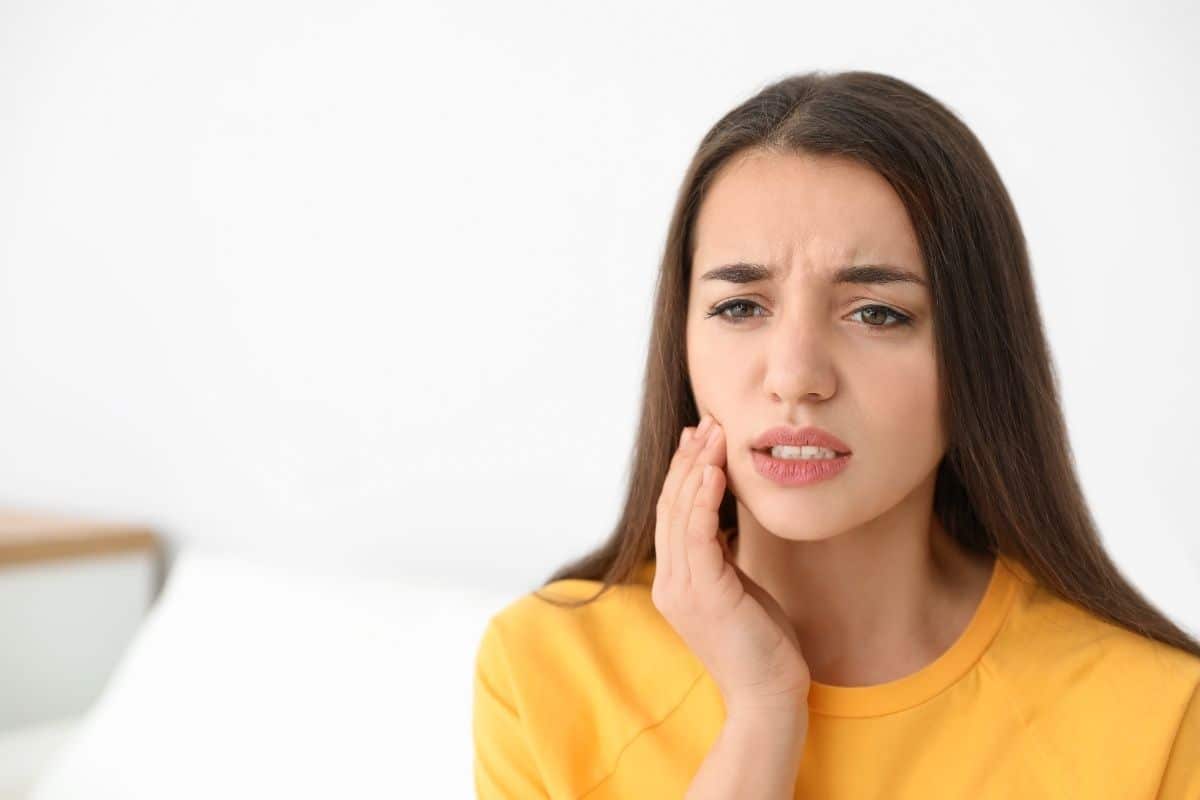
Have you ever taken a bite of your favorite hot pizza or crunchy chips, only to be greeted by a sharp, stinging pain on the roof of your mouth? It is a frustrating and surprisingly common experience that can turn a enjoyable meal into an ordeal. If you are asking yourself, “Why the roof of my mouth hurts when I eat,” you are not alone, and understanding the root cause is the first step toward finding relief.
The palate, or the roof of your mouth, is lined with delicate mucous membranes that are highly sensitive to temperature, texture, and chemical irritants. While minor discomfort often resolves on its own, persistent pain can signal underlying issues ranging from simple thermal burns to nutritional deficiencies or infections. In this guide, we will explore the most likely culprits behind your discomfort, provide actionable home remedies, and help you determine when it is time to see a healthcare professional.
Did You Burn Your Palate? The Most Common Culprit
The most frequent reason for sudden pain on the roof of the mouth is a thermal burn, medically known as palatal burn. This happens when you consume food or beverages that are too hot for the delicate tissues to handle.
How Thermal Burns Happen
Your mouth has a high tolerance for heat compared to your skin, but there is a limit. Foods like molten cheese on pizza, hot coffee, or freshly fried items can exceed 160°F (71°C). When these touch the palate, they damage the top layer of cells, causing inflammation, blistering, and significant pain.
Signs of a Palatal Burn
- Immediate stinging sensation upon contact with hot food.
- Redness or swelling visible on the roof of the mouth.
- Peeling skin or small blisters appearing within 24 hours.
- Sensitivity to cold or acidic foods for a few days.
According to dental health experts, minor burns usually heal within 3 to 7 days. During this time, the tissue regenerates rapidly. However, repeatedly burning your mouth can lead to chronic irritation or even increase the risk of oral lesions over time.
Pro Tip: Let your food cool for at least 2–3 minutes before taking the first bite. Stirring hot liquids also helps distribute heat evenly and lowers the surface temperature.
Could It Be “Pizza Palate” or Abrasion Injury?
If the temperature wasn’t the issue, the texture might be. “Pizza palate” is a colloquial term for abrasions caused by hard, crunchy, or sharp foods.
Mechanical Irritation
Foods such as:
- Tortilla chips
- Hard crust breads
- Sharp taco shells
- Hard candies
These items can scratch or scrape the soft tissue of the hard palate. Unlike a burn, this is a physical injury. The pain is often localized to one spot where the scratch occurred. You might feel a rough patch with your tongue, and eating salty or spicy foods will sting intensely.
Comparison: Burn vs. Abrasion
| Feature | Thermal Burn | Abrasion (Scratch) |
|---|---|---|
| Cause | High temperature | Sharp/hard texture |
| Onset | Immediate pain | Pain may develop after chewing |
| Appearance | Redness, blisters, peeling | Small cut, white line, or ulcer |
| Healing Time | 3–7 days | 5–10 days |
Is It an Infection or Viral Issue?
Sometimes, the pain isn’t from external trauma but from an internal biological process. Several infections can manifest as pain on the roof of the mouth, especially when eating.
Oral Thrush (Candidiasis)
Oral thrush is a fungal infection caused by an overgrowth of Candida albicans. It is more common in individuals with weakened immune systems, those taking antibiotics, or people with diabetes.
- Symptoms: Creamy white lesions on the roof of the mouth, inner cheeks, or tongue. Bleeding may occur if scraped.
- Pain Trigger: Eating can cause a burning sensation, particularly with spicy or acidic foods.
Cold Sores (Herpes Simplex Virus)
While often associated with lips, cold sores can appear on the hard palate. These are small, fluid-filled blisters that burst and form painful ulcers.
- Trigger: Stress, illness, or sunlight.
- Pain: Sharp, tingling pain before the sore appears, followed by intense tenderness when eating.
For more detailed information on oral infections and their systemic impacts, you can refer to resources on Oral Health from Wikipedia, which provides a broad overview of conditions affecting the mouth.
Nutritional Deficiencies and Allergic Reactions
Your diet plays a crucial role in the health of your oral mucosa. A lack of certain vitamins can make the roof of your mouth more susceptible to pain and inflammation.
Vitamin Deficiencies
- Vitamin B12: Deficiency can lead to glossitis (inflammation of the tongue) and general mouth soreness.
- Iron: Low iron levels can cause pale gums and a sore, smooth palate.
- Folate (B9): Essential for cell repair; deficiency slows healing of minor mouth injuries.
Food Allergies and Sensitivities
If the pain occurs shortly after eating specific foods, you might have a mild allergic reaction or sensitivity.
- Common Triggers: Nuts, shellfish, dairy, or acidic fruits like pineapples and strawberries.
- Oral Allergy Syndrome: Some people with pollen allergies experience itching or swelling in the mouth when eating raw fruits or vegetables. This is due to cross-reactivity between pollen proteins and food proteins.
Step-by-Step Relief: How to Soothe the Pain
If you are currently experiencing pain, here is a practical, step-by-step guide to managing discomfort and promoting healing.
- Rinse with Salt Water Mix 1 teaspoon of salt into 8 ounces (240 ml) of warm water. Swish gently for 30 seconds and spit out. This reduces bacteria and soothes inflammation. Repeat 2–3 times a day.
- Apply Cold Compresses Suck on ice chips or eat cold, soft foods like yogurt or pudding. The cold numbs the nerve endings and reduces swelling. Avoid extremely frozen items directly on the wound to prevent further tissue damage.
- Avoid Irritants For the next 48–72 hours, strictly avoid:
- Spicy foods (chili, hot sauce)
- Acidic foods (citrus, tomato sauce)
- Crunchy/hard foods (chips, nuts)
- Alcohol-based mouthwashes
- Use Over-the-Counter Remedies Consider using oral gels containing benzocaine for temporary numbness. Ensure you follow the package instructions carefully.
- Stay Hydrated Drink plenty of water to keep the oral tissues moist. Dry mouth exacerbates pain and slows healing. Aim for at least 2 liters of water daily, at a comfortable room temperature (22–28°C).
When to See a Doctor
While most cases of palate pain resolve on their own, some symptoms require professional medical attention. Seek help if you experience:
- Pain lasting longer than two weeks.
- Difficulty swallowing or breathing.
- High fever accompanying the mouth pain.
- White patches that do not wipe away.
- Unexplained bleeding or lumps.
These could be signs of a more serious condition, such as a severe infection or, in rare cases, oral cancer. Early diagnosis is key to effective treatment.
FAQ: Common Questions About Palate Pain
1. Why does the roof of my mouth hurt only when I eat hot food?
This is likely due to heightened sensitivity from a minor, unnoticed burn or abrasion. The heat stimulates the inflamed nerve endings. Alternatively, it could be a sign of thinning enamel or gum recession affecting nearby nerves, though this is less common for the palate specifically.
2. Can stress cause pain in the roof of my mouth?
Indirectly, yes. Stress weakens the immune system, making you more prone to canker sores or cold sore outbreaks. Additionally, stress can lead to teeth grinding (bruxism), which may cause referred pain or accidental biting of the palate.
3. Is it safe to pop a blister on the roof of my mouth?
No. Popping a blister increases the risk of bacterial infection and delays healing. Let it rupture naturally or absorb on its own. Keep the area clean with saltwater rinses instead.
4. Why does my palate hurt after eating acidic fruits?
Acidic foods like oranges, lemons, and pineapples can irritate existing micro-abrasions or sensitive tissue. This is often called “acid erosion” or simply chemical irritation. Rinsing your mouth with water immediately after eating these fruits can help neutralize the acid.
5. Can dental appliances cause palate pain?
Yes. Ill-fitting dentures, retainers, or night guards can rub against the roof of the mouth, causing pressure sores or ulcers. If you suspect your appliance is the cause, consult your dentist for an adjustment.
Conclusion
Understanding why the roof of my mouth hurts when I eat empowers you to take the right steps for relief. Whether it’s a simple thermal burn from hot coffee, a scratch from crunchy chips, or a sign of a nutritional deficiency, most cases are manageable with home care and patience. By avoiding irritants, keeping your mouth clean, and staying hydrated, you can speed up the healing process significantly.
However, never ignore persistent pain. If your symptoms last more than two weeks or worsen, consult a healthcare provider to rule out serious conditions. Your oral health is a window to your overall well-being, so treat it with care.
Found this guide helpful? Share it with friends who love hot pizza but hate the aftermath! Let’s spread the word on better oral health.
Leave a Reply