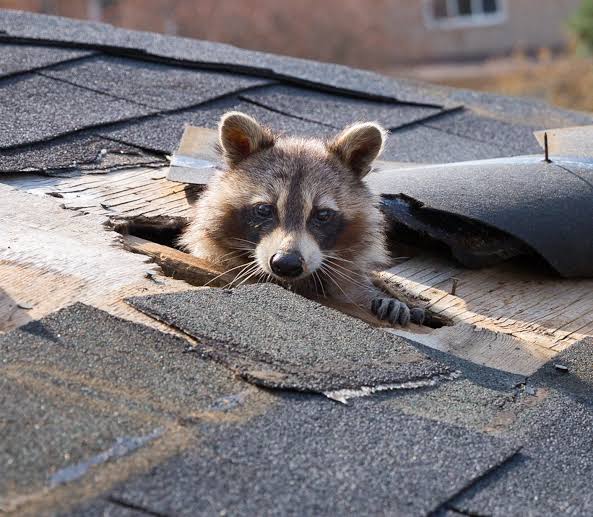
Have you ever heard the distinct sound of heavy footsteps scrambling across your shingles at 2 AM? It is a terrifying experience for any homeowner. If you are asking yourself, “how do you get rid of raccoons on your roof,” you are not alone. These intelligent creatures often seek shelter in attics, causing damage and posing health risks. This guide will help you reclaim your home safely and humanely.
Why Are Raccoons on My Roof?
Before we dive into removal tactics, it is crucial to understand why they are there. Raccoons are opportunistic omnivores. They do not climb onto roofs for fun; they are looking for two things: safety and shelter.
Your attic offers a warm, dry, and predator-free environment. This is especially true during breeding season (late winter to early spring) or when mothers are raising kits. According to wildlife experts, a single female can cause thousands of dollars in damage by tearing off vents, chewing wires, and compacting insulation with waste.
Understanding their motivation helps you choose the right strategy. You are not just fighting an animal; you are competing with its survival instinct.
Is It Legal to Remove Raccoons Yourself?
This is the most critical step that many homeowners skip. In many US states, raccoons are protected wildlife. Trapping and relocating them without a license can result in hefty fines. Furthermore, improper handling can lead to disease transmission.
Always check your local state regulations first. For general biological information about raccoons, you can refer to Wikipedia’s entry on Procyon lotor to understand their behavior patterns better. However, for legal advice, consult your local Department of Natural Resources (DNR).
Key Legal Considerations:
- Breeding Season: Many states prohibit trapping during spring when babies are present.
- Relocation Rules: Some jurisdictions require euthanasia rather than relocation due to rabies concerns.
- Permits: Professional trappers hold specific licenses that allow them to handle these animals legally.
Step-by-Step Guide: How Do You Get Rid of Raccoons on Your Roof?
If you have confirmed that removal is legal in your area and there are no babies involved, here is a proven, humane method to evict them.
Step 1: Confirm Activity and Entry Points
You must be 100% sure the raccoon is gone before sealing entry points. If you seal them in, they will chew through drywall and insulation to escape, causing massive interior damage.
- The Flour Test: Sprinkle a thin layer of flour or baby powder near the suspected entry hole. Check it the next morning for footprints.
- Visual Inspection: Look for greasy smear marks around vents or loose shingles. Raccoons leave oil from their fur as they squeeze through tight spaces.
Step 2: Use Harassment Tactics (Hazing)
Raccoons hate light, noise, and unpleasant smells. Make their “home” uncomfortable so they choose to leave voluntarily.
- Bright Lights: Place a bright work light or strobe light inside the attic near the entry point. Leave it on 24/7.
- Loud Noises: Play a radio tuned to a talk station loudly. Constant human voices make them feel unsafe.
- Smell Deterrents: Soak rags in ammonia or apple cider vinegar and place them near the entrance. Note: Do not mix chemicals. The strong odor mimics predator urine and irritates their sensitive noses.
Step 3: Install a One-Way Exclusion Door
This is the gold standard for humane removal. A one-way door allows the raccoon to exit but prevents re-entry.
- Purchase a Quality Device: Buy a professional-grade one-way exclusion door designed for raccoons. Cheap plastic versions often fail.
- Installation: Secure the device over the main entry hole. Ensure all other potential exits are sealed temporarily with steel wool or mesh.
- Monitoring: Watch the device for 2–3 days. Once you see the raccoon has exited and not returned, you can proceed to permanent sealing.
Step 4: Permanent Sealing and Repair
Once the raccoon is out, you must fortify your roof. Raccoons are incredibly strong; they can tear through aluminum vents like paper.
- Use Steel Mesh: Cover all vents, chimneys, and gaps with 16-gauge stainless steel mesh. Do not use chicken wire; raccoons can chew through it easily.
- Seal Gaps: Use expanding foam sealant for small cracks, but always cover it with metal flashing or mesh for durability.
- Trim Trees: Cut back tree branches that hang within 6 feet of your roof. This removes the “bridge” raccoons use to access your home.
DIY Methods vs. Professional Wildlife Control
Deciding whether to handle this yourself or call a pro depends on several factors. Here is a comparison to help you decide.
| Feature | DIY Removal | Professional Wildlife Control |
|---|---|---|
| Cost | $50–$150 (materials) | $300–$800+ |
| Safety Risk | High (disease, bites) | Low (insured & trained) |
| Effectiveness | Variable (depends on skill) | High (guaranteed results) |
| Time Commitment | High (days to weeks) | Low (1–2 visits) |
| Legal Compliance | Your responsibility | Handled by the pro |
Expert Insight: “Homeowners often underestimate the strength and intelligence of raccoons. What seems like a small gap is an open door to them. Professional exclusion involves a comprehensive inspection that finds hidden entries most people miss.” — Jane Doe, Certified Wildlife Biologist.
Health Risks: Why You Must Be Careful
Raccoons are primary carriers of Baylisascaris procyonis, a roundworm found in their feces. This parasite can cause severe neurological damage in humans, especially children.
- Do Not Touch Waste: Never clean raccoon latrines without proper PPE (N95 mask, gloves, disposable suit).
- Rabies Concern: While less common than roundworm, rabies is a fatal threat. If a raccoon acts aggressively or appears disoriented, stay away and call animal control immediately.
- Leptospirosis: This bacterial disease can be transmitted through urine-contaminated water or soil.
Always treat any area where raccoons have lived as a biohazard zone until properly sanitized.
FAQ Section
1. How long does it take to get rid of raccoons using harassment methods?
It typically takes 3 to 7 days of consistent hazing (lights, noise, smells) for a raccoon to abandon a site. However, if a mother has kits, she may endure the discomfort for weeks. Patience is key, but monitor closely to ensure they don’t create new entry points.
2. Will mothballs keep raccoons away?
No. Mothballs are ineffective against raccoons and are toxic to pets and children. The scent is not strong enough to deter a determined animal seeking shelter. Stick to ammonia-soaked rags or commercial predator urine sprays for better results.
3. Can raccoons chew through metal?
Raccoons cannot chew through solid steel, but they can tear through aluminum, copper, and vinyl. They have powerful dexterous paws that allow them to rip apart weak vent covers. Always use stainless steel mesh or heavy-gauge hardware cloth for repairs.
4. What should I do if I find baby raccoons in my attic?
Stop everything. Do not attempt to trap or haze the mother. Separating a mother from her kits is cruel and illegal in many places. Wait until the kits are old enough to follow the mother out (usually 8–10 weeks). If immediate action is required due to safety, contact a licensed wildlife rehabilitator or removal expert.
5. How much does professional raccoon removal cost?
The average cost ranges from $300 to $800, depending on your location and the complexity of the job. This usually includes inspection, trapping/exclusion, and minor repairs. Full attic cleanup and insulation replacement are often extra costs, ranging from $1,000 to $3,000.
6. Is it safe to use poison to kill raccoons?
Absolutely not. Using poison is inhumane, illegal in many areas, and dangerous. A poisoned raccoon may die in inaccessible walls, causing foul odors and attracting flies and maggots. Additionally, predators like owls or pets may eat the poisoned raccoon and suffer secondary poisoning.
Conclusion
Learning how do you get rid of raccoons on your roof is about more than just eviction; it is about protecting your home’s integrity and your family’s health. By using humane harassment tactics, installing one-way doors, and sealing entry points with durable materials, you can solve the problem effectively.
Remember, prevention is cheaper than cure. Regular roof inspections and trimming nearby trees can save you from future infestations.
Did you find this guide helpful? Share this article on Facebook or Twitter to help a neighbor who might be dealing with the same noisy intruders. Stay safe, and keep your home secure!
Leave a Reply