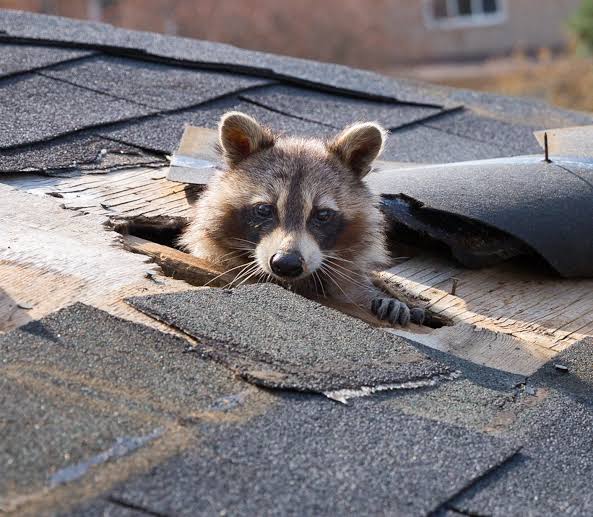
Hearing heavy thuds and scratching sounds above your head while you’re trying to sleep is every homeowner’s nightmare. It’s not just annoying; it’s a sign that wild animals have claimed your sanctuary as their own. If you are wondering how to get rid of raccoon on roof at nights, you are not alone, and more importantly, there are safe, effective ways to handle this without harming the animals or violating local wildlife laws.
Raccoons are intelligent, adaptable, and surprisingly strong creatures. Once they decide your roof is a good spot for denning or foraging, they rarely leave on their own. This guide will walk you through immediate actions, long-term solutions, and preventive measures based on expert wildlife management standards.
Why Are Raccoons on My Roof?
Before we dive into removal, it is crucial to understand why they are there. Raccoons do not climb onto roofs for fun. They are driven by three primary instincts: shelter, food, and safety.
According to data from the Centers for Disease Control and Prevention (CDC), raccoons are common carriers of rabies and other zoonotic diseases, making close contact dangerous. However, their presence on your roof usually indicates an entry point into your attic or a nearby food source.
Common Attractions Include:
- Warmth: Attics provide excellent insulation during cold months.
- Safety: Elevated positions protect them from ground predators like coyotes or dogs.
- Food Access: Overhanging tree branches or unsecured trash bins nearby make your home a buffet.
Understanding the motive helps you choose the right removal strategy. If they are just passing through, deterrents may work. If they have nested, you need a more robust approach.
Immediate Steps to Deter Raccoons Tonight
If you hear noises right now, you want immediate relief. While these methods may not solve the problem permanently, they can encourage the animal to leave temporarily.
1. Use Light and Sound
Raccoons are nocturnal and prefer darkness and quiet. Disrupting their comfort zone can force them out.
- Bright Lights: Set up floodlights or motion-sensor lights directed at the area where you hear the noise. Sudden brightness startles them.
- Radio Noise: Place a battery-operated radio near the suspected entry point. Talk radio stations are often more effective than music because the human voice suggests presence.
2. Apply Natural Repellents
Raccoons have a highly sensitive sense of smell. Certain scents are overwhelming to them.
- Ammonia: Soak rags in ammonia and place them in sealed containers with holes poked in the lid near the roof access points. The smell mimics predator urine.
- Cayenne Pepper: Mix cayenne pepper with water and spray it around the perimeter of the roof (if safe to access). Note: Rain will wash this away, so reapplication is necessary.
Warning: Never use mothballs. They are toxic to pets, children, and the environment, and their effectiveness against raccoons is largely a myth.
How to Identify Entry Points
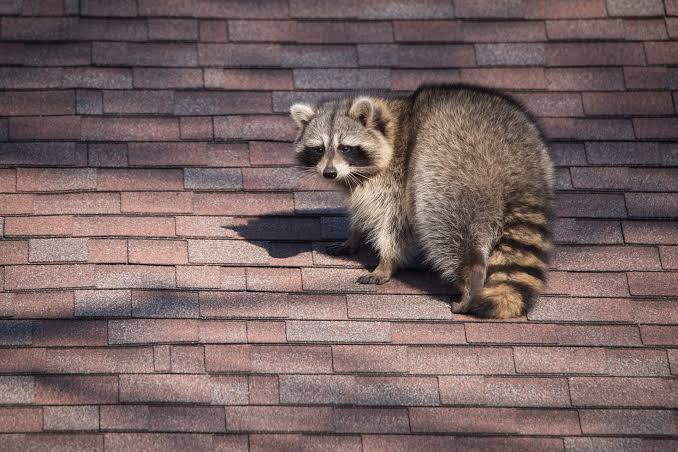
You cannot solve the problem if you don’t know how they are getting in. Raccoons are excellent climbers and can tear through weak roofing materials.
Inspection Checklist:
- Roof Vents: Check for torn screens or displaced caps.
- Chimneys: Ensure the chimney cap is secure. Raccoons love chimneys.
- Eaves and Soffits: Look for gaps, rot, or loose boards.
- Tree Branches: Any branch within 6–8 feet of your roof acts as a bridge.
Use a flashlight to look for grease marks or fur snippets around these areas. These are telltale signs of frequent entry and exit.
Humane Trapping and Removal
If deterrents fail, trapping may be necessary. However, please note that laws regarding raccoon trapping vary significantly by state in the US. In many states, it is illegal for homeowners to trap and relocate wildlife without a license. Always check your local Department of Natural Resources (DNR) regulations first.
Step-by-Step Guide to Live Trapping
If legal in your area, follow these steps for humane removal:
- Choose the Right Trap: Use a large live cage trap (minimum 32x10x12 inches). Brands like Havahart are popular among professionals.
- Bait Effectively: Raccoons are omnivores. Effective baits include:
- Wet cat food
- Marshmallows
- Fresh fruit (apples or grapes)
- Sardines in oil
- Placement: Set the trap on the roof only if it is flat and safe. Otherwise, place it at the base of the tree or near the downspout where they descend.
- Check Frequently: You must check the trap every few hours. Leaving a trapped animal exposed to weather or predators is inhumane and potentially illegal.
- Relocation: If permitted, release the animal at least 10 miles away in a suitable habitat with water sources. Note: Relocating raccoons often leads to their death due to territorial conflicts with other raccoons, which is why professional exclusion is preferred.
Professional Exclusion: The Permanent Solution
Trapping removes the current tenant, but it doesn’t stop the next one from moving in. Exclusion is the gold standard in wildlife control. This involves sealing entry points after ensuring all animals are out.
The One-Way Door Method
Professionals often install one-way excluder doors over entry points. These allow raccoons to leave to forage but prevent them from re-entering.
| Method | Pros | Cons | Best For |
|---|---|---|---|
| DIY Deterrents | Low cost, immediate | Temporary, low success rate | Minor, occasional visits |
| Live Trapping | Removes specific animal | Legal restrictions, labor-intensive | Single adult raccoons |
| Professional Exclusion | Permanent, humane, warranty | Higher upfront cost | Infestations, mothers with kits |
Critical Warning: Baby Raccoons
If it is spring or early summer (March–July), there is a high chance a mother raccoon has babies in your attic. Do not seal entry points yet. If you trap the mother and seal the house, the babies will starve to death inside, causing severe odor and maggot infestations.
Wait until the babies are old enough to follow the mother (usually 8–10 weeks) before excluding. A wildlife professional can determine the age of the kits.
Preventing Future Visits
Once the raccoons are gone, you must “raccoon-proof” your home.
1. Trim Tree Branches
Cut back any branches that hang over or touch your roof. Maintain a clearance of at least 6 feet. This removes the easiest access route.
2. Secure Trash Cans
Use trash cans with locking lids or bungee cords. Raccoons have dexterous paws and can open simple latches. Consider storing bins in a garage or shed until pickup day.
3. Install Chimney Caps
Install a stainless steel chimney cap with a mesh screen. This prevents entry while allowing smoke to escape.
4. Repair Roof Damage
Replace rotten soffits and repair loose shingles immediately. Use heavy-gauge hardware cloth (1/4 inch mesh) to cover vents instead of plastic screens, which raccoons can chew through easily.
FAQ Section
Q: Is it dangerous to have raccoons on my roof?
A: Yes. Raccoons can carry rabies, raccoon roundworm, and leptospirosis. Their droppings can contaminate insulation and pose health risks. Additionally, their weight can damage roof structures over time.
Q: Can I use poison to get rid of raccoons?
A: No. Poison is inhumane, illegal in many jurisdictions for wildlife, and poses severe risks to pets, children, and non-target wildlife. It also causes animals to die in hard-to-reach places, creating sanitation hazards.
Q: Will mothballs keep raccoons away?
A: Unlikely. While the smell is strong, raccoons often ignore it if the shelter is valuable enough. Moreover, mothballs contain naphthalene or paradichlorobenzene, which are toxic and regulated pesticides.
Q: How much does professional raccoon removal cost?
A: Costs vary by location and severity, but typically range from $300 to $1,500. This usually includes inspection, trapping/exclusion, and minor repairs. It is an investment in preventing thousands of dollars in structural and insulation damage.
Q: What time of year are raccoons most active on roofs?
A: Raccoons are active year-round, but sightings increase in late winter (mating season) and spring/early summer (denning season for babies). Fall is also common as they fatten up for winter.
Conclusion
Dealing with raccoons on your roof is stressful, but it is a solvable problem. Learning how to get rid of raccoon on roof at nights requires a combination of immediate deterrents, humane removal, and, most importantly, permanent exclusion. Remember, simply chasing them away is rarely enough; you must remove the invitation by securing entry points and eliminating food sources.
If you suspect a mother with babies, or if the infestation seems extensive, do not hesitate to call a licensed wildlife control professional. Your safety and the humane treatment of the animals should always be the top priority.
Found this guide helpful? Share it with your neighbors on Facebook or Twitter to help them protect their homes too!