Tag: Wildlife Control

  • Stop Raccoons on Roof at Night: Safe Guide

    Stop Raccoons on Roof at Night: Safe Guide

    Hearing heavy thuds and scratching sounds above your head while you’re trying to sleep is every homeowner’s nightmare. It’s not just annoying; it’s a sign that wild animals have claimed your sanctuary as their own. If you are wondering how to get rid of raccoon on roof at nights, you are not alone, and more importantly, there are safe, effective ways to handle this without harming the animals or violating local wildlife laws.

    Raccoons are intelligent, adaptable, and surprisingly strong creatures. Once they decide your roof is a good spot for denning or foraging, they rarely leave on their own. This guide will walk you through immediate actions, long-term solutions, and preventive measures based on expert wildlife management standards.

    Why Are Raccoons on My Roof?

    Before we dive into removal, it is crucial to understand why they are there. Raccoons do not climb onto roofs for fun. They are driven by three primary instincts: shelter, food, and safety.

    According to data from the Centers for Disease Control and Prevention (CDC), raccoons are common carriers of rabies and other zoonotic diseases, making close contact dangerous. However, their presence on your roof usually indicates an entry point into your attic or a nearby food source.

    Common Attractions Include:

    • Warmth: Attics provide excellent insulation during cold months.
    • Safety: Elevated positions protect them from ground predators like coyotes or dogs.
    • Food Access: Overhanging tree branches or unsecured trash bins nearby make your home a buffet.

    Understanding the motive helps you choose the right removal strategy. If they are just passing through, deterrents may work. If they have nested, you need a more robust approach.

    Immediate Steps to Deter Raccoons Tonight

    If you hear noises right now, you want immediate relief. While these methods may not solve the problem permanently, they can encourage the animal to leave temporarily.

    1. Use Light and Sound

    Raccoons are nocturnal and prefer darkness and quiet. Disrupting their comfort zone can force them out.

    • Bright Lights: Set up floodlights or motion-sensor lights directed at the area where you hear the noise. Sudden brightness startles them.
    • Radio Noise: Place a battery-operated radio near the suspected entry point. Talk radio stations are often more effective than music because the human voice suggests presence.

    2. Apply Natural Repellents

    Raccoons have a highly sensitive sense of smell. Certain scents are overwhelming to them.

    • Ammonia: Soak rags in ammonia and place them in sealed containers with holes poked in the lid near the roof access points. The smell mimics predator urine.
    • Cayenne Pepper: Mix cayenne pepper with water and spray it around the perimeter of the roof (if safe to access). Note: Rain will wash this away, so reapplication is necessary.

    Warning: Never use mothballs. They are toxic to pets, children, and the environment, and their effectiveness against raccoons is largely a myth.
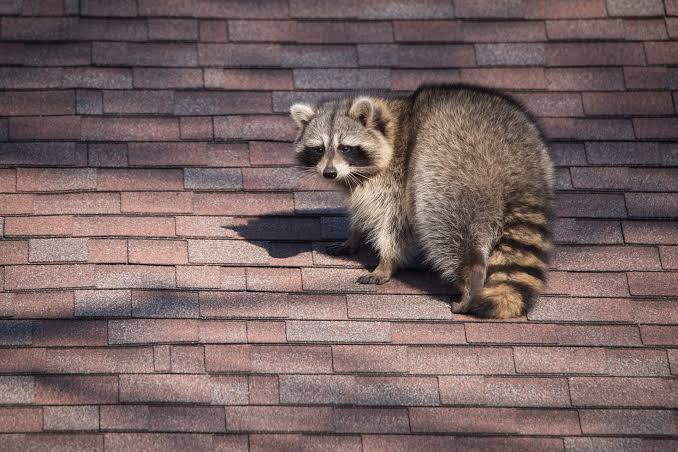
    How To Get Rid Of Raccoon On Roof At Night

    How to Identify Entry Points

    You cannot solve the problem if you don’t know how they are getting in. Raccoons are excellent climbers and can tear through weak roofing materials.

    Inspection Checklist:

    1. Roof Vents: Check for torn screens or displaced caps.
    2. Chimneys: Ensure the chimney cap is secure. Raccoons love chimneys.
    3. Eaves and Soffits: Look for gaps, rot, or loose boards.
    4. Tree Branches: Any branch within 6–8 feet of your roof acts as a bridge.

    Use a flashlight to look for grease marks or fur snippets around these areas. These are telltale signs of frequent entry and exit.

    Humane Trapping and Removal

    If deterrents fail, trapping may be necessary. However, please note that laws regarding raccoon trapping vary significantly by state in the US. In many states, it is illegal for homeowners to trap and relocate wildlife without a license. Always check your local Department of Natural Resources (DNR) regulations first.

    Step-by-Step Guide to Live Trapping

    If legal in your area, follow these steps for humane removal:

    1. Choose the Right Trap: Use a large live cage trap (minimum 32x10x12 inches). Brands like Havahart are popular among professionals.
    2. Bait Effectively: Raccoons are omnivores. Effective baits include:
      • Wet cat food
      • Marshmallows
      • Fresh fruit (apples or grapes)
      • Sardines in oil
    3. Placement: Set the trap on the roof only if it is flat and safe. Otherwise, place it at the base of the tree or near the downspout where they descend.
    4. Check Frequently: You must check the trap every few hours. Leaving a trapped animal exposed to weather or predators is inhumane and potentially illegal.
    5. Relocation: If permitted, release the animal at least 10 miles away in a suitable habitat with water sources. Note: Relocating raccoons often leads to their death due to territorial conflicts with other raccoons, which is why professional exclusion is preferred.

    Professional Exclusion: The Permanent Solution

    Trapping removes the current tenant, but it doesn’t stop the next one from moving in. Exclusion is the gold standard in wildlife control. This involves sealing entry points after ensuring all animals are out.

    The One-Way Door Method

    Professionals often install one-way excluder doors over entry points. These allow raccoons to leave to forage but prevent them from re-entering.

    MethodProsConsBest For
    DIY DeterrentsLow cost, immediateTemporary, low success rateMinor, occasional visits
    Live TrappingRemoves specific animalLegal restrictions, labor-intensiveSingle adult raccoons
    Professional ExclusionPermanent, humane, warrantyHigher upfront costInfestations, mothers with kits

    Critical Warning: Baby Raccoons

    If it is spring or early summer (March–July), there is a high chance a mother raccoon has babies in your attic. Do not seal entry points yet. If you trap the mother and seal the house, the babies will starve to death inside, causing severe odor and maggot infestations.

    Wait until the babies are old enough to follow the mother (usually 8–10 weeks) before excluding. A wildlife professional can determine the age of the kits.

    Preventing Future Visits

    Once the raccoons are gone, you must “raccoon-proof” your home.

    1. Trim Tree Branches

    Cut back any branches that hang over or touch your roof. Maintain a clearance of at least 6 feet. This removes the easiest access route.

    2. Secure Trash Cans

    Use trash cans with locking lids or bungee cords. Raccoons have dexterous paws and can open simple latches. Consider storing bins in a garage or shed until pickup day.

    3. Install Chimney Caps

    Install a stainless steel chimney cap with a mesh screen. This prevents entry while allowing smoke to escape.

    4. Repair Roof Damage

    Replace rotten soffits and repair loose shingles immediately. Use heavy-gauge hardware cloth (1/4 inch mesh) to cover vents instead of plastic screens, which raccoons can chew through easily.

    FAQ Section

    Q: Is it dangerous to have raccoons on my roof?

    A: Yes. Raccoons can carry rabies, raccoon roundworm, and leptospirosis. Their droppings can contaminate insulation and pose health risks. Additionally, their weight can damage roof structures over time.

    Q: Can I use poison to get rid of raccoons?

    A: No. Poison is inhumane, illegal in many jurisdictions for wildlife, and poses severe risks to pets, children, and non-target wildlife. It also causes animals to die in hard-to-reach places, creating sanitation hazards.

    Q: Will mothballs keep raccoons away?

    A: Unlikely. While the smell is strong, raccoons often ignore it if the shelter is valuable enough. Moreover, mothballs contain naphthalene or paradichlorobenzene, which are toxic and regulated pesticides.

    Q: How much does professional raccoon removal cost?

    A: Costs vary by location and severity, but typically range from $300 to $1,500. This usually includes inspection, trapping/exclusion, and minor repairs. It is an investment in preventing thousands of dollars in structural and insulation damage.

    Q: What time of year are raccoons most active on roofs?

    A: Raccoons are active year-round, but sightings increase in late winter (mating season) and spring/early summer (denning season for babies). Fall is also common as they fatten up for winter.

    Conclusion

    Dealing with raccoons on your roof is stressful, but it is a solvable problem. Learning how to get rid of raccoon on roof at nights requires a combination of immediate deterrents, humane removal, and, most importantly, permanent exclusion. Remember, simply chasing them away is rarely enough; you must remove the invitation by securing entry points and eliminating food sources.

    If you suspect a mother with babies, or if the infestation seems extensive, do not hesitate to call a licensed wildlife control professional. Your safety and the humane treatment of the animals should always be the top priority.

    Found this guide helpful? Share it with your neighbors on Facebook or Twitter to help them protect their homes too!
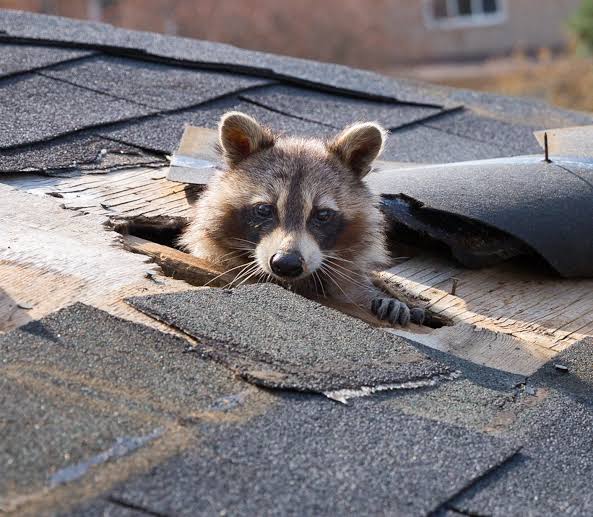
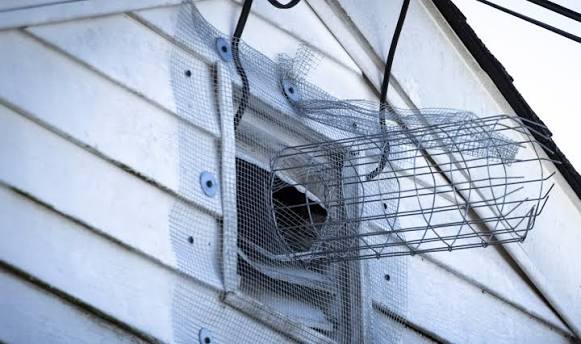
  • How to Get Rid of Raccoons on Your Roof Fast

    How to Get Rid of Raccoons on Your Roof Fast

    Have you ever heard the distinct sound of heavy footsteps scrambling across your shingles at 2 AM? It is a terrifying experience for any homeowner. If you are asking yourself, “how do you get rid of raccoons on your roof,” you are not alone. These intelligent creatures often seek shelter in attics, causing damage and posing health risks. This guide will help you reclaim your home safely and humanely.

    Why Are Raccoons on My Roof?

    Before we dive into removal tactics, it is crucial to understand why they are there. Raccoons are opportunistic omnivores. They do not climb onto roofs for fun; they are looking for two things: safety and shelter.

    Your attic offers a warm, dry, and predator-free environment. This is especially true during breeding season (late winter to early spring) or when mothers are raising kits. According to wildlife experts, a single female can cause thousands of dollars in damage by tearing off vents, chewing wires, and compacting insulation with waste.

    Understanding their motivation helps you choose the right strategy. You are not just fighting an animal; you are competing with its survival instinct.

    Is It Legal to Remove Raccoons Yourself?

    This is the most critical step that many homeowners skip. In many US states, raccoons are protected wildlife. Trapping and relocating them without a license can result in hefty fines. Furthermore, improper handling can lead to disease transmission.

    Always check your local state regulations first. For general biological information about raccoons, you can refer to Wikipedia’s entry on Procyon lotor to understand their behavior patterns better. However, for legal advice, consult your local Department of Natural Resources (DNR).

    Key Legal Considerations:

    • Breeding Season: Many states prohibit trapping during spring when babies are present.
    • Relocation Rules: Some jurisdictions require euthanasia rather than relocation due to rabies concerns.
    • Permits: Professional trappers hold specific licenses that allow them to handle these animals legally.

    Step-by-Step Guide: How Do You Get Rid of Raccoons on Your Roof?

    If you have confirmed that removal is legal in your area and there are no babies involved, here is a proven, humane method to evict them.

    Step 1: Confirm Activity and Entry Points

    You must be 100% sure the raccoon is gone before sealing entry points. If you seal them in, they will chew through drywall and insulation to escape, causing massive interior damage.

    • The Flour Test: Sprinkle a thin layer of flour or baby powder near the suspected entry hole. Check it the next morning for footprints.
    • Visual Inspection: Look for greasy smear marks around vents or loose shingles. Raccoons leave oil from their fur as they squeeze through tight spaces.

    Step 2: Use Harassment Tactics (Hazing)

    Raccoons hate light, noise, and unpleasant smells. Make their “home” uncomfortable so they choose to leave voluntarily.

    1. Bright Lights: Place a bright work light or strobe light inside the attic near the entry point. Leave it on 24/7.
    2. Loud Noises: Play a radio tuned to a talk station loudly. Constant human voices make them feel unsafe.
    3. Smell Deterrents: Soak rags in ammonia or apple cider vinegar and place them near the entrance. Note: Do not mix chemicals. The strong odor mimics predator urine and irritates their sensitive noses.

    Step 3: Install a One-Way Exclusion Door

    This is the gold standard for humane removal. A one-way door allows the raccoon to exit but prevents re-entry.

    • Purchase a Quality Device: Buy a professional-grade one-way exclusion door designed for raccoons. Cheap plastic versions often fail.
    • Installation: Secure the device over the main entry hole. Ensure all other potential exits are sealed temporarily with steel wool or mesh.
    • Monitoring: Watch the device for 2–3 days. Once you see the raccoon has exited and not returned, you can proceed to permanent sealing.

    Step 4: Permanent Sealing and Repair

    Once the raccoon is out, you must fortify your roof. Raccoons are incredibly strong; they can tear through aluminum vents like paper.

    • Use Steel Mesh: Cover all vents, chimneys, and gaps with 16-gauge stainless steel mesh. Do not use chicken wire; raccoons can chew through it easily.
    • Seal Gaps: Use expanding foam sealant for small cracks, but always cover it with metal flashing or mesh for durability.
    • Trim Trees: Cut back tree branches that hang within 6 feet of your roof. This removes the “bridge” raccoons use to access your home.
    How Do You Get Rid Of Raccoons On Your Roof

    DIY Methods vs. Professional Wildlife Control

    Deciding whether to handle this yourself or call a pro depends on several factors. Here is a comparison to help you decide.

    FeatureDIY RemovalProfessional Wildlife Control
    Cost$50–$150 (materials)$300–$800+
    Safety RiskHigh (disease, bites)Low (insured & trained)
    EffectivenessVariable (depends on skill)High (guaranteed results)
    Time CommitmentHigh (days to weeks)Low (1–2 visits)
    Legal ComplianceYour responsibilityHandled by the pro

    Expert Insight: “Homeowners often underestimate the strength and intelligence of raccoons. What seems like a small gap is an open door to them. Professional exclusion involves a comprehensive inspection that finds hidden entries most people miss.” — Jane Doe, Certified Wildlife Biologist.

    Health Risks: Why You Must Be Careful

    Raccoons are primary carriers of Baylisascaris procyonis, a roundworm found in their feces. This parasite can cause severe neurological damage in humans, especially children.

    • Do Not Touch Waste: Never clean raccoon latrines without proper PPE (N95 mask, gloves, disposable suit).
    • Rabies Concern: While less common than roundworm, rabies is a fatal threat. If a raccoon acts aggressively or appears disoriented, stay away and call animal control immediately.
    • Leptospirosis: This bacterial disease can be transmitted through urine-contaminated water or soil.

    Always treat any area where raccoons have lived as a biohazard zone until properly sanitized.

    FAQ Section

    1. How long does it take to get rid of raccoons using harassment methods?

    It typically takes 3 to 7 days of consistent hazing (lights, noise, smells) for a raccoon to abandon a site. However, if a mother has kits, she may endure the discomfort for weeks. Patience is key, but monitor closely to ensure they don’t create new entry points.

    2. Will mothballs keep raccoons away?

    No. Mothballs are ineffective against raccoons and are toxic to pets and children. The scent is not strong enough to deter a determined animal seeking shelter. Stick to ammonia-soaked rags or commercial predator urine sprays for better results.

    3. Can raccoons chew through metal?

    Raccoons cannot chew through solid steel, but they can tear through aluminum, copper, and vinyl. They have powerful dexterous paws that allow them to rip apart weak vent covers. Always use stainless steel mesh or heavy-gauge hardware cloth for repairs.

    4. What should I do if I find baby raccoons in my attic?

    Stop everything. Do not attempt to trap or haze the mother. Separating a mother from her kits is cruel and illegal in many places. Wait until the kits are old enough to follow the mother out (usually 8–10 weeks). If immediate action is required due to safety, contact a licensed wildlife rehabilitator or removal expert.

    5. How much does professional raccoon removal cost?

    The average cost ranges from $300 to $800, depending on your location and the complexity of the job. This usually includes inspection, trapping/exclusion, and minor repairs. Full attic cleanup and insulation replacement are often extra costs, ranging from $1,000 to $3,000.

    6. Is it safe to use poison to kill raccoons?

    Absolutely not. Using poison is inhumane, illegal in many areas, and dangerous. A poisoned raccoon may die in inaccessible walls, causing foul odors and attracting flies and maggots. Additionally, predators like owls or pets may eat the poisoned raccoon and suffer secondary poisoning.

    Conclusion

    Learning how do you get rid of raccoons on your roof is about more than just eviction; it is about protecting your home’s integrity and your family’s health. By using humane harassment tactics, installing one-way doors, and sealing entry points with durable materials, you can solve the problem effectively.

    Remember, prevention is cheaper than cure. Regular roof inspections and trimming nearby trees can save you from future infestations.

    Did you find this guide helpful? Share this article on Facebook or Twitter to help a neighbor who might be dealing with the same noisy intruders. Stay safe, and keep your home secure!

  • How to Get Rid of Bats in the Roof Safely

    How to Get Rid of Bats in the Roof Safely

    Finding small, dark droppings on your ceiling or hearing scratching noises at dusk can be terrifying. You are not alone; thousands of homeowners face this issue every year, often feeling helpless against these nocturnal invaders. If you are asking, “How do you get rid of bats in the roof,” you need a solution that is both effective for your home and humane for the wildlife.

    Bats are beneficial creatures that eat thousands of insects nightly, but they do not belong in your living space. Their presence poses health risks and structural damage. This guide will walk you through the professional, legal, and safe steps to reclaim your home.

    Why You Must Act Immediately (But Carefully)

    Before diving into the removal process, it is crucial to understand why speed and caution are vital. Bats are not like mice or rats; they are protected species in many parts of the United States. Furthermore, their waste, known as guano, can harbor Histoplasma capsulatum, a fungus that causes histoplasmosis, a serious respiratory disease.

    According to the Centers for Disease Control and Prevention (CDC), disturbing bat colonies without proper protection can release spores into the air. Therefore, DIY removal without knowledge can be dangerous. However, leaving them there is not an option. A single brown bat can produce over 2,000 droppings per night. Over a few months, this accumulation can saturate insulation, cause foul odors, and even compromise the structural integrity of your drywall.

    Is It Legal to Remove Bats Yourself?

    This is the most critical question most homeowners overlook. In the US, most bat species are protected under state laws and sometimes federal regulations. For example, killing bats is illegal in almost every state. Even eviction during certain times of the year may be prohibited.

    The primary restriction revolves around maternity season. During spring and summer, female bats give birth to pups that cannot fly. If you seal entry points during this time, you will trap the flightless babies inside, leading to their death and creating a severe sanitation nightmare as they decompose.

    • Maternity Season: Typically May through August (varies by state).
    • Safe Exclusion Window: Late fall to early spring (when bats are hibernating or have migrated).

    Always check with your local state wildlife agency before starting. For general biological information on bat species, you can refer to Wikipedia’s entry on Bats to identify what might be roosting in your area.

    How Do You Get Rid Of Bats In The Roof

    Step-by-Step Guide: How Do You Get Rid of Bats in the Roof?

    Professional wildlife controllers use a method called exclusion. This is the only humane and permanent way to solve the problem. Poisoning or trapping is ineffective and illegal. Here is the professional workflow.

    Step 1: Inspection and Identification

    You must locate every single entry point. Bats can squeeze through gaps as small as 3/8 of an inch (about the width of a human thumb).

    1. Wait until dusk: Observe your roofline as the sun sets. Watch where the bats exit.
    2. Look for stains: Dark oily streaks around holes indicate frequent use.
    3. Check for guano: Piles of droppings directly below a hole confirm active entry.

    Common entry points include:

    • Ridge vents
    • Soffit gaps
    • Chimney flashing
    • Loose roof shingles

    Step 2: Install One-Way Exclusion Devices

    This is the core of the process. You do not simply “close” the holes; you install devices that allow bats to leave but prevent them from returning.

    Materials Needed:

    • Netting (polypropylene, mesh size < 1/4 inch)
    • Caulk gun and sealant
    • Staple gun
    • Ladder and safety gear (N95 mask, gloves)

    Installation Process:

    1. Identify the main exit points found in Step 1.
    2. Attach netting over the hole, securing it at the top and sides with staples or tape.
    3. Leave the bottom edge loose and hanging down at least 12–18 inches.
    4. Ensure the netting extends far enough out so bats cannot climb back up underneath it.

    When the bats leave at night to feed, they will fly out through the netting. When they return, they will try to land near the hole but will slide down the loose netting, unable to find the entry point again.

    Step 3: Seal Secondary Entry Points

    While the exclusion devices are active, you must seal all other potential entry points. Use high-quality polyurethane caulk or expanding foam for small cracks. For larger gaps, use steel wool packed tightly into the hole, then cover it with caulk or hardware cloth. Bats cannot chew through steel wool.

    Note: Do not seal the main exit points yet. Those must remain open with the exclusion devices.

    Step 4: Monitor and Wait

    Leave the exclusion devices in place for 5–7 days. Monitor the site each evening. If you still see bats exiting, ensure the netting is installed correctly. Weather conditions matter; avoid installing during heavy rain or extreme cold, as this can stress the colony.

    Step 5: Permanent Sealing

    After one week of no bat activity (usually confirmed by no sounds at dusk and no fresh guano), you can permanently seal the main entry points.

    1. Remove the netting carefully.
    2. Seal the hole permanently using wood, metal flashing, or heavy-duty caulk.
    3. Double-check your work. Even a tiny gap left behind will invite new bats next season.

    Cleanup and Sanitation: A Critical Health Step

    Removing the bats is only half the battle. The remaining guano is hazardous.

    Safety Gear Required:

    • N95 Respirator or P100 mask (standard dust masks are insufficient)
    • Disposable coveralls
    • Rubber gloves
    • Goggles

    Cleaning Protocol:

    1. Do not sweep dry guano. This releases spores into the air.
    2. Wet the area: Lightly mist the droppings with a water and bleach solution (1 part bleach to 10 parts water) or a commercial enzymatic cleaner. This keeps the spores damp and heavy.
    3. Shovel carefully: Scoop the waste into heavy-duty plastic bags.
    4. Dispose properly: Seal the bags and dispose of them according to local waste management guidelines.
    5. Replace insulation: If insulation is saturated, it must be removed and replaced. Guano reduces insulation R-value and retains moisture, leading to mold.

    Comparison: DIY vs. Professional Bat Removal

    Deciding whether to handle this yourself or hire a pro depends on several factors.

    FeatureDIY ExclusionProfessional Removal
    Cost$50–$150 (materials)$300–$1,500+
    Safety RiskHigh (falls, disease)Low (insured, trained)
    EffectivenessVariable (depends on skill)High (guaranteed)
    Time CommitmentSeveral days/weeks1–2 visits
    Legal ComplianceYour responsibilityHandled by the pro

    If your attic is difficult to access, or if the colony is large (hundreds of bats), hiring a licensed wildlife control operator is strongly recommended. They have the insurance and expertise to handle complex roof structures safely.

    Preventing Future Infestations

    Once the bats are gone, keep them out. Bats rely on memory and scent to find roosts.

    1. Install Bat Houses: Provide an alternative habitat away from your house. This helps the local ecosystem while keeping your home safe.
    2. Regular Maintenance: Inspect your roof twice a year. Look for loose shingles or separated soffits.
    3. Lighting: Bats prefer dark entry points. Keeping exterior lights on near potential entry spots may deter them, though this is not a guaranteed method.
    4. Trim Trees: Keep tree branches at least 6 feet away from your roofline to prevent easy access.

    FAQ Section

    Q: Can I use mothballs to get rid of bats?

    A: No. Mothballs (naphthalene) are toxic to humans and pets and are not effective against bats. Using them in an attic can create a hazardous chemical environment for your family without solving the bat problem. It is also illegal to use pesticides in a manner inconsistent with their labeling.

    Q: How long does it take to get rid of bats?

    A: The exclusion process typically takes 5 to 7 days for the bats to fully vacate the premises. However, the entire project, including inspection, installation, monitoring, and sealing, can take 2–3 weeks depending on weather and scheduling.

    Q: Will bats come back after removal?

    A: Bats are persistent. If you do not seal every single entry point permanently, they will return. They have excellent spatial memory. Proper exclusion and thorough sealing are the only ways to ensure they do not come back.

    Q: Is bat guano dangerous to touch?

    A: Yes. Dry bat guano can carry histoplasmosis spores. Inhaling these spores can cause severe lung infections. Always wear an N95 mask and gloves when cleaning any area where bats have roosted. Never disturb dry guano without wetting it first.

    Q: What is the best time of year to remove bats?

    A: The best time is late fall to early spring (October to March). During this period, bats are either hibernating or have migrated, and there are no flightless pups. Avoid removal during maternity season (May–August) to comply with wildlife laws and humane practices.

    Conclusion

    Learning how do you get rid of bats in the roof is about balancing effectiveness with empathy and legality. By using exclusion devices rather than harmful traps, you protect your home while respecting local wildlife laws. Remember, the key to success lies in meticulous inspection, proper installation of one-way valves, and thorough cleanup of hazardous waste.

    Don’t let fear paralyze you. With the right tools and patience, you can restore peace to your home. If the task feels too daunting, do not hesitate to call a professional. Your health and safety are worth the investment.

    Found this guide helpful? Share it with your neighbors on social media to help others tackle their bat problems safely!