Your home is likely your most significant investment, and the roof is its first line of defense against the elements. Yet, many homeowners ignore subtle warning signs until a minor leak turns into a catastrophic structural failure. If you are asking yourself, “How can you tell if you need a new roof,“ you are already taking the right step toward protecting your property and your wallet.
Ignoring roof damage can lead to mold growth, compromised insulation, and even electrical hazards. In this comprehensive guide, we will walk you through the definitive signs that indicate it is time for a replacement, helping you make an informed decision before disaster strikes.
1. How Old Is Your Roof? Understanding Material Lifespans
The age of your roof is the single most reliable indicator of its remaining life. While high-quality materials last longer, every roof has an expiration date. Knowing the typical lifespan of your specific roofing material helps you anticipate replacement needs before visible damage occurs.
Here is a general breakdown of common roofing materials:
| Material Type | Average Lifespan | Key Characteristics |
|---|---|---|
| Asphalt Shingles | 15–20 Years | Most common in the US; affordable but susceptible to wind and heat. |
| Wood Shakes/Shingles | 20–25 Years | Natural aesthetic; requires regular maintenance to prevent rot. |
| Metal Roofing | 40–70 Years | Durable and energy-efficient; higher upfront cost but long-lasting. |
| Clay/Concrete Tiles | 50+ Years | Extremely durable; heavy weight requires strong structural support. |
| Slate | 75–100+ Years | Premium durability and aesthetics; very expensive and heavy. |
If your asphalt shingle roof is approaching the 15-year mark, you should begin inspecting it annually. Even if it looks fine from the ground, UV radiation and thermal cycling degrade the underlying matting over time. According to industry standards, once a roof passes 80% of its expected lifespan, proactive replacement is often more cost-effective than repeated repairs.
2. Are Your Shingles Curling, Cracking, or Missing?
Visual inspection is the easiest way to assess roof health. You do not need to climb onto the roof to spot these issues; a pair of binoculars and a keen eye from the ground are sufficient.
Curling and Cupping
Shingles that curl upward (cupping) or downward (clawing) are losing their adhesive integrity. This is often caused by poor ventilation in the attic, which traps heat and moisture, causing the shingles to warp. Once shingles curl, they become brittle and prone to breaking under foot traffic or wind.
Missing Granules
Asphalt shingles are coated with granules that protect them from UV rays. If you notice bare spots on your shingles or find an accumulation of sand-like granules in your gutters, your roof is losing its protective layer. This exposure accelerates aging and increases the risk of leaks.
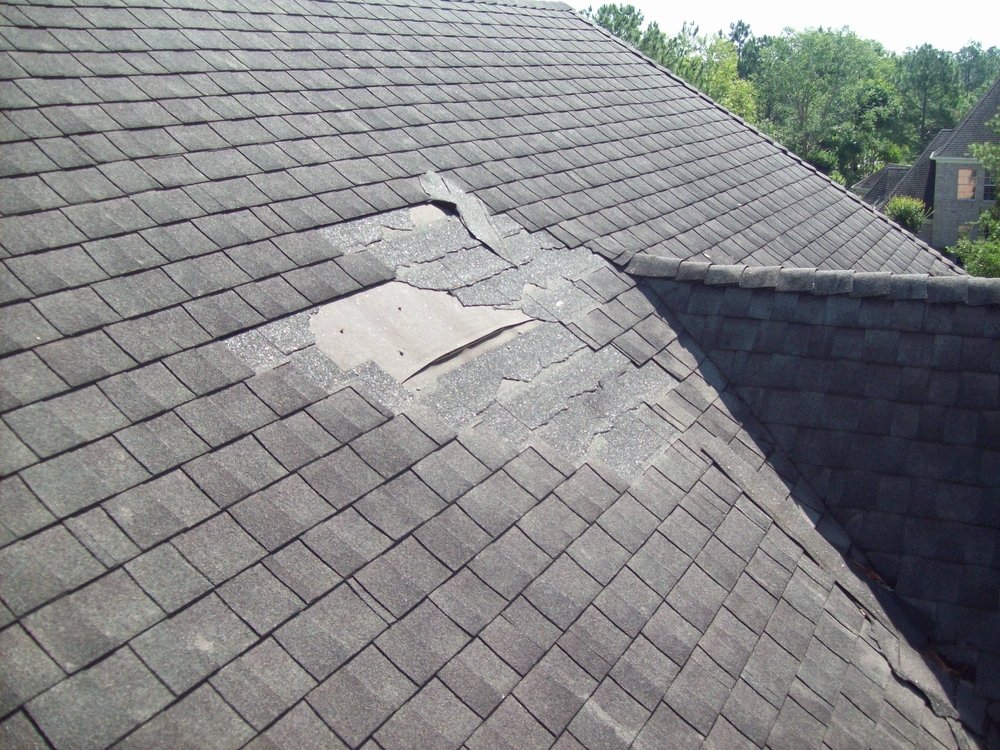
Missing Shingles
After a storm, it is common to lose a shingle or two. However, if you notice multiple missing shingles or large patches where the underlayment is exposed, patch repairs may no longer be sufficient. Widespread missing shingles indicate that the bonding agent has failed across the entire roof surface.
3. What Do Dark Streaks and Moss Growth Indicate?
While moss might look rustic, it is detrimental to your roof’s longevity. Moss retains moisture against the shingle surface, which can cause the organic material in wood shakes to rot or lift asphalt shingles, breaking the seal.
Dark streaks, often mistaken for dirt, are actually algae growth (Gloeocapsa magma). While algae itself does not destroy the roof structure immediately, it indicates that moisture is lingering on your roof longer than it should. This persistent dampness can degrade shingle adhesives and shorten the roof’s life.
Pro Tip: If you see moss or algae, do not pressure wash your roof. High-pressure water can force water under the shingles and strip away protective granules. Instead, use a specialized roof cleaning solution or hire a professional soft-wash service.
4. Is There Daylight Coming Through Your Attic Boards?
One of the most definitive answers to “how can you tell if you need a new roof” is found in your attic. On a bright sunny day, go into your attic and turn off the lights. Look up at the underside of the roof deck.
If you see any pinpoints of daylight shining through, you have gaps in your roof structure. These gaps are not just entry points for rain; they allow warm air to escape in winter and hot air to enter in summer, drastically reducing your home’s energy efficiency. Furthermore, these openings invite pests, dust, and moisture, leading to potential mold issues.
If you see light, the problem is likely structural or related to severe shingle displacement. This is rarely a simple fix and usually warrants a professional assessment for full replacement.
5. Are You Finding Water Stains on Ceilings or Walls?
Water stains on your interior ceilings or walls are a red flag. However, it is crucial to understand that the location of the stain inside your home does not always correspond directly to the leak’s origin on the roof. Water can travel along rafters, pipes, or insulation before dripping down.
Look for:
- Brownish-yellow rings on drywall.
- Bubbling or peeling paint.
- Damp spots around chimneys or vents.
If you have had multiple leaks repaired over the years and new ones keep appearing, the entire roofing system may be compromised. Constant patching becomes a money pit, and a full replacement becomes the logical financial choice. For more detailed information on how water damages building structures, you can refer to resources on water damage restoration.
6. Is Your Energy Bill Suddenly Increasing?
A failing roof often fails at insulation before it fails at waterproofing. As shingles deteriorate and ventilation systems clog, your attic temperature fluctuates wildly. This forces your HVAC system to work harder to maintain a comfortable indoor temperature.
If your energy bills have spiked without a change in usage habits or utility rates, your roof’s thermal performance may be degraded. A new roof with proper ventilation and modern reflective materials can significantly improve your home’s energy efficiency, potentially offsetting the cost of replacement over time.
7. Sagging Roof Deck: A Critical Emergency
If your roof line appears to sag or dip in the middle, this is a critical structural issue. A sagging roof indicates that the decking or the supporting trusses are weakening, possibly due to long-term water damage, rot, or excessive weight from snow or multiple layers of old shingles.
Do not wait. A sagging roof is at risk of collapse. Contact a structural engineer or a licensed roofing contractor immediately. This is not a cosmetic issue; it is a safety hazard that requires urgent attention.
Frequently Asked Questions (FAQ)
Q1: Can I just repair my roof instead of replacing it?
A: It depends on the extent of the damage. If the damage is localized (e.g., a few missing shingles from a storm) and the roof is relatively young (under 10 years), repair is a viable option. However, if the roof is near the end of its lifespan or damage is widespread, repairs are merely a temporary band-aid. Continually repairing an old roof often costs more in the long run than a single replacement.
Q2: How much does a new roof cost in the US?
A: Costs vary widely based on location, material, and roof size. On average, homeowners in the US spend between $5,000 and $15,000 for a standard asphalt shingle roof replacement. Metal roofs and slate tiles can cost significantly more, ranging from $15,000 to $30,000+. Always get at least three detailed quotes from licensed contractors.
Q3: Will my homeowner’s insurance cover a new roof?
A: Insurance typically covers roof replacement if the damage is caused by a sudden, accidental event like a hailstorm, hurricane, or falling tree. It generally does not cover wear and tear, age-related deterioration, or lack of maintenance. Review your policy carefully and document all damage with photos before filing a claim.
Q4: How long does a roof replacement take?
A: For an average-sized single-family home, a complete roof replacement usually takes 1 to 3 days. Factors that can extend this timeline include complex roof designs (multiple valleys, turrets), bad weather, or the discovery of underlying structural rot that needs repair before new shingles can be installed.
Q5: Should I replace the roof before selling my house?
A: Not necessarily. If the roof has several years of life left, a professional cleaning and minor repairs may suffice. However, if the roof is old and visibly damaged, replacing it can increase your home’s curb appeal and prevent buyers from negotiating a lower price or demanding a credit. A new roof can also make the home easier to insure for the new buyer.
Conclusion
Knowing how can you tell if you need a new roof empowers you to act proactively rather than reactively. By monitoring the age of your roof, inspecting for curled or missing shingles, checking your attic for light and moisture, and keeping an eye on your energy bills, you can avoid costly emergency repairs.
Remember, your roof protects everything beneath it. Do not wait for a leak to ruin your ceiling before taking action. If you notice any of the signs discussed above, schedule a professional inspection today.
Found this guide helpful? Share it with your friends and family on social media to help them protect their homes too! A well-informed homeowner is a safe homeowner.
Leave a Reply