Category: homeowner roofing guide

  • Goats on the Roof: Door County’s Unique Dining

    Goats on the Roof: Door County’s Unique Dining

    Have you ever scrolled through social media and stumbled upon a whimsical image of diners eating dinner while friendly goats peek over the edge of a rooftop? It is a charming visual that captures the imagination, leading many travelers to search specifically for a restaurant with goats on the roof in Door County, Wi. However, if you are planning a trip to this beautiful peninsula in Wisconsin, you might be confused by the lack of direct results for such a specific establishment.

    The reality is that while Door County is famous for its cherries, lighthouses, and quaint villages, there is no single mainstream restaurant where goats permanently reside on the roof as a standard architectural feature. This article will clear up the confusion, explain the origin of this viral trend, and guide you to the closest real-life experiences where you can dine near or interact with goats in this scenic region. We aim to save you time and ensure your travel plans are based on accurate, helpful information.

    The Truth Behind the “Goats on the Roof” Myth

    It is essential to address the elephant—or rather, the goat—in the room immediately. The concept of a “restaurant with goats on the roof” has become a bit of an internet legend. Often, images circulating on platforms like Pinterest or Instagram are either digitally altered, taken from very specific pop-up events, or misattributed from locations outside of Wisconsin.

    In Door County, health codes and structural regulations make permanent livestock housing on commercial dining roofs highly improbable. However, the spirit of this query is real. Travelers are looking for unique, rustic, and interactive dining experiences that connect them with nature and local farm life. Door County excels at this, just not necessarily with ungulates on the shingles.

    Why Do People Search for This?

    The search intent here is driven by a desire for novelty and family-friendly entertainment. Parents want their children to be engaged during meals, and couples look for memorable, “Instagrammable” moments. The idea of combining fresh, local food with animal interaction is powerful. While you won’t find goats on the roof at Al Johnson’s Swedish Restaurant or The Whistling Swan, you will find plenty of venues that offer the next best thing: proximity to farms, pet-friendly patios, and agritourism experiences.

    Best Alternatives for Goat-Loving Diners in Door County

    Since the exact literal match doesn’t exist, let’s look at the best alternatives that satisfy the user intent: dining with a view of nature, animals, or farm-fresh authenticity.

    1. Agritourism and Farm-to-Table Experiences

    Door County is a hub for agricultural tourism. Several farms offer products made from goat milk, such as cheese and soap, and some have seasonal events where animals are present.

    • Door County Creamery: While primarily a shop, they often source from local farms. Checking their schedule for farm tours can lead you to places where goats are raised.
    • Local Farmers Markets: The Sturgeon Bay Farmers Market or the Fish Creek Farmers Market are excellent places to meet local farmers. Many vendors raise goats for milk or meat and can direct you to farms that allow visitors.

    2. Pet-Friendly Patios with Rural Views

    Many restaurants in Door County have expansive outdoor seating areas that border farmland or forests. While you might not see a goat on the roof, you might spot deer in the adjacent woods or farm animals in nearby fields.

    • The Peninsula State Park Area: Restaurants near this park often have views of natural habitats.
    • Rustic Inns: Establishments like Inn at Sunset Harbor offer a rustic charm that feels close to the land, even if the animals aren’t on the menu or the roof.

    Comparison: Expectation vs. Reality

    FeatureViral Myth (Expectation)Door County Reality
    Animal LocationOn the restaurant roofIn nearby pastures or farms
    InteractionPetting goats while eatingVisiting farms before/after dining
    AvailabilityDaily, year-roundSeasonal farm tours/events
    Primary AppealNovelty/Photo OpAuthentic Local Culture/Food
    Restaurant With Goats On The Roof In Door County Wi

    How to Plan a Goat-Themed Day Trip in Door County

    If you are determined to include goats in your Door County itinerary, you need to plan strategically. Here is a step-by-step guide to creating a day that combines dining with animal interaction.

    Step 1: Identify Active Goat Farms

    Not all farms are open to the public. You must verify which ones offer tours or have retail shops. Use resources like the Door County Visitor Bureau to find current agritourism listings. Look for farms that specialize in:

    • Goat milk soap production
    • Cheese making
    • Petting zoos (seasonal)

    Step 2: Schedule Your Visit

    Most farm interactions happen during daylight hours, typically between 10:00 AM and 4:00 PM. Restaurants, however, are busiest during lunch (12:00 PM – 2:00 PM) and dinner (5:00 PM – 8:00 PM).

    • Morning: Visit a goat farm. Engage with the animals, buy local products.
    • Lunch: Head to a nearby restaurant with outdoor seating. Mention your morning visit; servers often know local farm stories.
    • Afternoon: Explore a state park or lighthouse.

    Step 3: Choose the Right Restaurant

    Select a restaurant that aligns with the rustic, farm-fresh vibe. Look for menus that highlight local ingredients. This creates a thematic continuity to your day, even without the physical presence of goats on the roof.

    Understanding the Local Agriculture Scene

    To truly appreciate Door County, it helps to understand its agricultural roots. The county is famous for cherries, but dairy farming is also significant. Goats are a smaller but growing part of this landscape. According to general agricultural data, small ruminants like goats are increasingly popular for sustainable land management and niche dairy products.

    For more context on how agriculture shapes regional tourism, you can refer to broader studies on agritourism impacts found on Wikipedia. This external perspective helps validate why travelers are so interested in connecting with farm life during their vacations.

    FAQ Section

    Is there really a restaurant with goats on the roof in Door County, WI?

    No, there is no established restaurant in Door County where goats live on the roof. This is largely an internet myth or a confusion with pop-up events in other locations. However, there are many farms and pet-friendly dining spots nearby.

    Where can I see goats in Door County?

    You can see goats at local farms that participate in agritourism. Check with the Door County Visitor Bureau for lists of farms that offer tours, sell goat milk products, or have petting zoo elements during the summer months.

    Are there any pet-friendly restaurants in Door County?

    Yes, many restaurants in Door County have pet-friendly patios. Places in Fish Creek, Ephraim, and Sturgeon Bay often welcome well-behaved dogs outdoors. Always call ahead to confirm current policies.

    What is the best time of year to visit Door County for farm tours?

    The best time is late spring through early fall (May to October). This is when farms are most active, weather is pleasant for outdoor dining, and agritourism events are scheduled. Winter visits are limited due to weather and farm dormancy.

    Can I buy goat cheese in Door County?

    Absolutely. Door County has several artisanal cheese makers and shops. While not all produce goat cheese specifically, many local markets carry products from regional goat dairies. Ask at local delicatessens or farmers markets for the freshest options.

    Why is Door County popular for unique dining experiences?

    Door County combines natural beauty with a strong culinary scene. Its focus on local ingredients, historic settings (like converted barns or waterfront spots), and relaxed atmosphere makes it a destination for travelers seeking memorable meals beyond standard chain restaurants.

    Conclusion

    While the search for a restaurant with goats on the roof in Door County, Wi may start with a whimsical image, the reality offers something perhaps even more rewarding: an authentic connection to local agriculture and community. By shifting your focus from a viral myth to genuine agritourism experiences, you can enjoy delicious meals, support local farmers, and create lasting memories.

    Door County invites you to explore its farms, savor its flavors, and enjoy its natural beauty. Whether you are spotting deer in the woods or tasting locally made cheese, the experience is rich and fulfilling.

    Did you find this guide helpful? Share it with your friends and family who are planning a trip to Wisconsin! Let them know the truth about the goats and help them plan the perfect rustic getaway. Don’t forget to tag us in your photos of Door County’s real-life charms.
  • How Much Does It Cost To Re Roof A House?

    How Much Does It Cost To Re Roof A House?

    Replacing a roof is one of the most significant home improvement investments you will ever make. It protects your family, enhances curb appeal, and ensures structural integrity. If you are asking, “How much does it cost to re roof a house,“ you are likely looking for clarity amidst confusing quotes and varying material prices. This guide breaks down the costs transparently so you can plan with confidence.

    Understanding the Average Cost to Replace a Roof

    The short answer is that the national average cost to replace a roof in the United States typically ranges between $8,500 and $14,500. However, this figure can swing dramatically based on several variables. For a standard 2,000-square-foot home, most homeowners spend around $11,000 for a complete tear-off and replacement using mid-range asphalt shingles.

    It is crucial to understand that roofing costs are not one-size-fits-all. Prices have fluctuated in recent years due to supply chain adjustments and labor shortages. According to industry data from late 2025 and early 2026, material costs have stabilized, but skilled labor remains at a premium. Therefore, getting multiple quotes is essential to ensure you are paying a fair market rate for your specific region.

    Key Factors Influencing Your Total Bill

    Several components drive the final price tag. Here is what contractors look at when estimating your project:

    • Roof Size and Pitch: Measured in “squares” (100 square feet). Steeper roofs require more safety equipment and time, increasing labor costs by 20–40%.
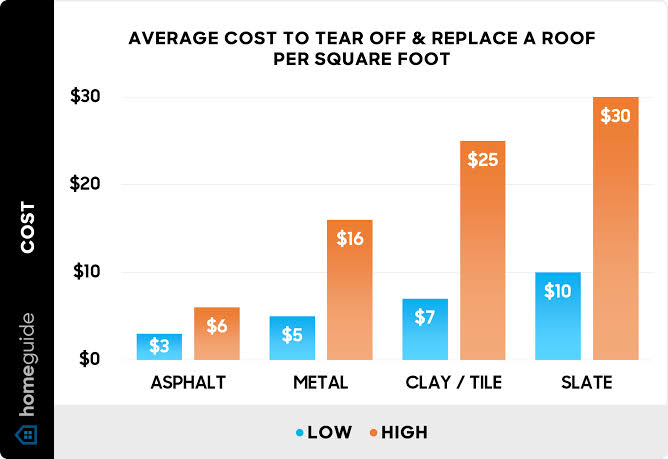
    • Material Choice: Asphalt shingles are the most affordable, while slate, tile, or metal can cost three to five times more.
    • Complexity: Chimneys, skylights, valleys, and multiple stories add complexity and time.
    • Location: Labor rates in urban areas like New York or San Francisco are significantly higher than in rural Midwest regions.
    • Existing Roof Removal: Removing old layers (tear-off) adds to the disposal and labor fees. Most codes allow up to two layers, but a full tear-off is recommended for longevity.

    Breakdown by Roofing Material

    Choosing the right material is the biggest decision affecting your budget. Below is a detailed comparison of popular roofing materials available in the US market in 2026.

    Material TypeAverage Cost per Square FootLifespanProsCons
    Asphalt Shingles$3.50 – $5.5015–30 YearsAffordable, easy to install, widely availableShorter lifespan, susceptible to wind damage
    Metal Roofing$7.50 – $14.0040–70 YearsDurable, energy-efficient, fire-resistantHigher upfront cost, noisy during rain
    Wood Shakes$6.00 – $9.0020–40 YearsNatural aesthetic, good insulationRequires maintenance, fire risk (unless treated)
    Clay/Concrete Tile$10.00 – $20.0050+ YearsExtremely durable, distinct lookVery heavy, requires reinforced framing
    Slate$15.00 – $30.00+75–100+ YearsPremium look, lasts a lifetimeExtremely expensive, fragile, heavy

    Note: Prices include both materials and professional installation.

    Why Asphalt Shingles Remain Popular

    Despite the rise of metal roofing, asphalt shingles still account for over 70% of residential roofs in the US. They offer the best balance of cost and performance for the average homeowner. Architectural shingles, a thicker variant of asphalt, provide a dimensional look and better durability for only a slight increase in price compared to basic 3-tab shingles.

    How Much Does It Cost To Re Roof A House

    Labor and Additional Costs to Consider

    When calculating how much does it cost to re roof a house, do not overlook the hidden or additional expenses. The material is only part of the equation.

    1. Tear-Off and Disposal

    Removing the old roof is labor-intensive. Expect to pay $1.00 to $5.00 per square foot for tear-off and disposal fees. This includes hauling away old shingles, nails, and underlayment. If your home has multiple layers of roofing, this cost will increase.

    2. Underlayment and Decking Repair

    Once the old roof is off, the contractor will inspect the wood decking. If there is rot or water damage, plywood replacement is necessary. This typically costs $70 to $100 per sheet of plywood. High-quality synthetic underlayment, which provides better moisture protection than traditional felt, may add $0.50 to $1.00 per square foot but is worth the investment for long-term protection.

    3. Permits and Inspections

    Most municipalities require a building permit for roof replacement. Permit fees vary by location but generally range from $150 to $500. This ensures the work meets local building codes and safety standards. You can read more about building code standards on Wikipedia.

    4. Flashing and Ventilation

    New flashing around chimneys, vents, and valleys is critical to prevent leaks. Upgrading to metal flashing instead of reusing old materials adds to the cost but prevents future water damage. Proper attic ventilation installation is also vital to extend the life of your new shingles.

    Step-by-Step Guide to Budgeting Your Roof Replacement

    To avoid surprises, follow this logical process when planning your budget:

    1. Measure Your Roof Area: While contractors do this professionally, you can estimate by measuring your home’s footprint and multiplying by a pitch factor (usually 1.2 to 1.5 for average slopes). Divide by 100 to get the number of “squares.”
    2. Choose Your Material: Decide between budget-friendly asphalt or long-term metal/slate based on how long you plan to stay in the home.
    3. Get Three Detailed Quotes: Ensure each quote includes tear-off, disposal, permits, and warranty details. Avoid vague estimates.
    4. Check for Insurance Coverage: If your roof was damaged by a storm (hail, wind), your homeowners insurance might cover part or all of the replacement. Review your policy deductible.
    5. Plan for Contingencies: Set aside an extra 10–15% of your budget for unexpected decking repairs or structural issues discovered during tear-off.

    Frequently Asked Questions (FAQ)

    1. Does homeowners insurance cover roof replacement?

    Insurance typically covers roof replacement if the damage is caused by a sudden, covered peril like a storm, hail, or falling tree. It generally does not cover wear and tear, age-related deterioration, or lack of maintenance. Always check your policy specifics and document damage with photos before filing a claim.

    2. How long does a roof replacement take?

    For an average-sized home (2,000 sq. ft.), a professional crew can complete a roof replacement in 1 to 3 days. Larger homes, complex designs, or bad weather can extend this timeline. Metal roofs or tile roofs may take longer due to the intricacy of installation.

    3. Is it cheaper to repair or replace a roof?

    If your roof is less than 10 years old and the damage is localized (e.g., a few missing shingles), repair is cost-effective. However, if the roof is nearing the end of its lifespan (20+ years for asphalt) or has widespread leaks, replacement is more economical in the long run. Constant repairs add up quickly and do not solve underlying aging issues.

    4. What is the best time of year to replace a roof?

    Late spring to early fall is the peak season for roofing due to favorable weather. However, scheduling during the off-season (late fall or winter) can sometimes yield lower prices as contractors look to fill their schedules. Just ensure the temperature is above freezing for proper shingle adhesion.

    5. Can I install a new roof over the old one?

    While technically possible in some jurisdictions, it is generally not recommended. Installing over old shingles traps heat and moisture, leading to premature decay of the new roof and the decking below. It also makes it difficult to inspect for existing damage. Most professional roofers insist on a full tear-off for quality assurance.

    Conclusion

    Understanding how much does it cost to re roof a house empowers you to make smart financial decisions. While the average cost hovers between $8,500 and $14,500, your specific price depends on materials, size, and local labor rates. Investing in quality materials and reputable labor pays off through increased home value and peace of mind.

    Don’t rush the process. Take the time to compare quotes, check references, and choose materials that fit your long-term goals. A new roof is a shield for your biggest asset—treat it with the care it deserves.

    Found this guide helpful? Share it with friends or family who are planning home improvements!

  • How To Get Home Insurance To Pay For New Roof

    How To Get Home Insurance To Pay For New Roof

    Discovering a leak or missing shingles after a storm is stressful, but knowing how to get home insurance to pay for new roof replacement can save you thousands of dollars. Many homeowners face denied claims simply because they don’t understand the policy nuances or the documentation required by insurers. This guide will walk you through the process with empathy and expertise, ensuring you are fully prepared to advocate for your home.


    Understanding When Insurance Covers Roof Replacement

    Before filing a claim, it is crucial to distinguish between “wear and tear” and “sudden accidental damage.” Insurance companies are designed to cover unexpected events, not maintenance issues.

    Sudden vs. Gradual Damage

    Most standard homeowners insurance policies cover roof damage caused by specific perils, such as:

    • Windstorms: High winds lifting shingles or tearing off sections.
    • Hail: Dents or cracks in shingles that compromise integrity.
    • Falling Objects: Tree branches or debris impacting the roof.
    • Fire and Lightning: Direct damage from electrical storms or fires.

    However, if your roof is old and leaking due to age, poor installation, or lack of maintenance, the insurer will likely deny the claim. According to industry standards, roofs generally last 20–25 years. If your roof is near the end of its lifespan, insurers may argue that the damage is due to deterioration rather than a covered event.

    Expert Insight: “The burden of proof lies with the homeowner. You must demonstrate that a specific, covered event caused the damage, not just general aging.” – National Association of Insurance Commissioners (NAIC) guidelines.

    For more detailed definitions of covered perils, you can refer to the general concepts of Property Insurance on Wikipedia.


    Step-by-Step Guide: How To Get Home Insurance To Pay For New Roof

    Navigating the claims process requires precision. Follow these concrete steps to improve your chances of approval.

    1. Document the Damage Immediately

    Time is of the essence. As soon as you suspect damage:

    • Take Photos: Use a high-resolution camera. Capture wide shots of the entire roof (if safe) and close-ups of damaged shingles, dents, or leaks.
    • Video Walkthrough: Record a video showing the extent of the damage from multiple angles.
    • Interior Evidence: Photograph water stains on ceilings or walls, which indicate active leaks.

    2. Review Your Policy Details

    Locate your declarations page. Look for:

    • Deductible: The amount you pay out-of-pocket. If repair costs are close to your deductible, filing a claim might not be worth it.
    • Coverage Limits: Ensure your dwelling coverage is sufficient to replace the roof at current market rates.
    • Exclusions: Check for specific exclusions like “cosmetic damage” from hail, which some insurers do not cover.

    3. Hire a Licensed Roofing Contractor for an Inspection

    Do not rely solely on the insurance adjuster’s initial assessment.

    • Get a written estimate from a reputable, licensed roofing contractor.
    • Ask them to provide a detailed report specifying the cause of damage (e.g., “hail impact marks consistent with storm on [Date]”).
    • Tip: Choose a contractor who has experience working with insurance claims. They can often speak the same language as adjusters.

    4. File the Claim Promptly

    Contact your insurance provider to initiate the claim. Provide:

    • Date and time of the incident.
    • Description of the event (e.g., “Severe thunderstorm with golf-ball-sized hail”).
    • Your photos and the contractor’s preliminary report.

    5. Meet with the Insurance Adjuster

    The adjuster will inspect your property.

    • Be Present: Walk the roof with them if possible. Point out specific areas of concern.
    • Provide Evidence: Hand over your contractor’s report and photos.
    • Stay Calm and Factual: Stick to the facts. Do not speculate about the age of the roof unless asked.

    6. Negotiate if Necessary

    If the initial offer is too low:

    • Request a re-inspection.
    • Provide additional quotes from other contractors.
    • Highlight any missed damage in the adjuster’s report.
    How To Get Home Insurance To Pay For New Roof

    Common Reasons for Claim Denials and How to Avoid Them

    Understanding why claims are denied can help you preemptively address issues.

    Reason for DenialExplanationHow to Avoid It
    Lack of MaintenanceInsurer argues damage is due to neglect.Keep records of regular roof inspections and minor repairs.
    Pre-Existing DamageDamage occurred before the policy start date.Ensure you have a clear timeline of when damage occurred.
    Cosmetic OnlyHail dents that don’t affect functionality.Check if your policy includes “cosmetic exclusion” clauses.
    Incorrect FilingMissing documentation or late filing.File immediately and keep digital copies of all documents.

    Actual Cash Value (ACV) vs. Replacement Cost Value (RCV)

    One of the most critical aspects of how to get home insurance to pay for new roof is understanding how your payout is calculated.

    • Actual Cash Value (ACV): This pays you the current value of your roof, minus depreciation. If your roof is 10 years old and has a 20-year lifespan, you may only receive 50% of the replacement cost initially.
    • Replacement Cost Value (RCV): This pays the full cost to replace the roof with similar materials, without deducting for depreciation. However, you usually receive the depreciated amount first, and the rest is paid once you provide proof of completion.

    Pro Tip: If you have an RCV policy, ensure you complete the repairs within the timeframe specified by your insurer (usually 180 days) to recover the withheld depreciation.


    FAQ Section

    1. Will my insurance premiums increase after a roof claim?

    Yes, in most cases, filing a claim can lead to higher premiums. However, if the damage was caused by a widespread natural disaster (like a hurricane), insurers may be more lenient. Always weigh the cost of the repair against the potential premium increase.

    2. Can I choose my own roofing contractor?

    Yes, you have the right to choose any licensed contractor. Insurance companies may recommend vendors from their network, but you are not obligated to use them. Ensure your chosen contractor is reputable and willing to work with your insurer.

    3. What if the insurance adjuster says the damage is just wear and tear?

    If you disagree, hire an independent public adjuster or a structural engineer to provide a second opinion. Their professional report can serve as strong evidence to challenge the insurer’s decision.

    4. Does home insurance cover a full roof replacement if only part is damaged?

    Typically, no. Insurers will only pay to repair the damaged section. However, if matching shingles are unavailable, some policies may cover a full replacement to maintain aesthetic uniformity. Check your policy for “matching clause” provisions.

    5. How long do I have to file a roof damage claim?

    Most policies require you to file “promptly,” which usually means within one year of the incident. However, waiting too long can make it difficult to prove the cause of damage. It is best to file within days of discovering the issue.


    Conclusion

    Learning how to get home insurance to pay for new roof replacement is about preparation, documentation, and persistence. By understanding your policy, documenting damage thoroughly, and engaging professional help, you can navigate the claims process with confidence. Remember, the goal is to restore your home to its pre-loss condition, not to profit from the claim.

    If you found this guide helpful, please share it on social media to help other homeowners protect their investments. Stay informed, stay prepared, and keep your home safe!

  • Will Homeowners Insurance Cover Water Damage From A Roof Leak?

    Will Homeowners Insurance Cover Water Damage From A Roof Leak?

    Imagine coming home after a long day to find a puddle forming on your living room floor. Your heart sinks as you trace the drip back to a stain on the ceiling. It is a stressful scenario that thousands of American homeowners face every year. The immediate question that follows is often financial: will homeowners insurance cover water damage from a roof leak? The answer is not a simple yes or no; it depends entirely on why the roof leaked in the first place.

    Understanding the nuances of your policy can save you thousands of dollars in out-of-pocket repairs. In this guide, we will break down the specific conditions under which insurers pay for leaks, when they deny claims, and the exact steps you need to take to protect your financial interests.

    Understanding the “Sudden and Accidental” Rule

    To determine if your claim will be approved, you must understand the core principle of most standard homeowners insurance policies: coverage for sudden and accidental damage.

    Insurance is designed to protect against unforeseen disasters, not maintenance issues. If a heavy storm rips shingles off your roof during a hurricane, causing rain to pour into your attic, this is typically considered a covered peril. The event was sudden, unexpected, and beyond your control.

    However, if your roof has been aging for 20 years and the shingles simply wore down over time, allowing water to seep in gradually, this is classified as wear and tear. Most policies explicitly exclude damage resulting from lack of maintenance or gradual deterioration.

    Key Distinction: Cause vs. Result

    It is crucial to differentiate between the cause of the leak and the resulting water damage.

    • The Cause: If the cause is excluded (e.g., old age), the insurer may deny the entire claim, including the cost to fix the roof.
    • The Result: Even if the roof repair itself is denied, some policies might still cover the resulting interior water damage (like ruined drywall or flooring) if you can prove you were unaware of the leak until it became severe. However, this is a gray area and varies by carrier.

    Common Scenarios: Covered vs. Not Covered

    Navigating insurance jargon can be confusing. To make it clearer, let’s look at specific scenarios using a comparison format. This helps clarify where the line is drawn between a covered loss and a maintenance responsibility.

    ScenarioLikely Coverage StatusReason
    Storm Damage✅ CoveredWind, hail, or falling trees cause immediate structural failure.
    Vandalism✅ CoveredSomeone intentionally damages your roof, leading to a leak.
    Weight of Ice/Snow✅ CoveredCollapse due to accumulated ice/snow is usually a named peril.
    Age/Wear and Tear❌ Not CoveredShingles deteriorated naturally over time.
    Lack of Maintenance❌ Not CoveredYou ignored missing shingles or clogged gutters for months.
    Mold Remediation⚠️ LimitedOften capped at $5,000–$10,000 or excluded entirely.

    As noted by industry experts, the burden of proof lies with the homeowner. You must demonstrate that the damage was not due to negligence. For more detailed definitions of property damage terms, you can refer to general insurance concepts on Wikipedia.

    How Deductibles and Depreciation Affect Your Payout

    Even if your claim is approved, the check you receive might be smaller than expected. Two major factors influence your final payout: the deductible and Actual Cash Value (ACV) versus Replacement Cost Value (RCV).

    The Deductible

    Your deductible is the amount you pay out-of-pocket before insurance kicks in. If your roof repair costs $3,000 and your deductible is $1,000, the insurer pays $2,000. If the repair only costs $800, you pay the full amount because it is below your deductible threshold.

    ACV vs. RCV

    • Actual Cash Value (ACV): This pays you the current value of your roof, accounting for depreciation. If your roof is 10 years old and has a 20-year lifespan, you might only get 50% of the replacement cost.
    • Replacement Cost Value (RCV): This pays the full cost to replace the roof with new materials of similar kind and quality, without deducting for depreciation. Most modern policies offer RCV, but you must confirm this with your agent.

    Pro Tip: Always check if your policy is ACV or RCV. An ACV policy can leave you with a significant financial gap when replacing an older roof.

    Will Homeowners Insurance Cover Water Damage From A Roof Leak

    Step-by-Step Guide: What to Do When You Discover a Leak

    If you discover water entering your home, acting quickly is essential. Delayed action can lead to mold growth and further structural damage, which insurers may view as negligence. Follow these concrete steps:

    1. Mitigate Immediate Damage: Place buckets under drips and move furniture away from wet areas. If safe, use a tarp to cover the exterior hole temporarily. Take photos of these temporary fixes.
    2. Document Everything: Before cleaning up, take high-resolution photos and videos of the water damage, the source of the leak (if visible), and any damaged personal property. Date-stamp these images.
    3. Contact a Professional Roofer: Hire a licensed roofing contractor to inspect the damage. Ask them for a written report detailing the cause of the leak. This professional opinion is vital for your insurance claim.
    4. Notify Your Insurance Company: Call your insurer immediately. Provide them with the initial details but avoid admitting fault or speculating on the cause. State clearly: “I have discovered water intrusion and suspect storm damage.”
    5. Keep Receipts: Save all receipts for emergency repairs, tarps, buckets, or hotel stays if your home is uninhabitable. These may be reimbursable under “Loss of Use” coverage.

    Frequently Asked Questions (FAQ)

    1. Does homeowners insurance cover mold caused by a roof leak?

    Most standard policies have limited coverage for mold. They may cover mold remediation if it is a direct result of a covered peril (like a sudden storm). However, if the mold resulted from long-term neglect or a slow leak, it is typically excluded. Many policies cap mold coverage at $5,000 to $10,000.

    2. Will my insurance rates go up after filing a roof leak claim?

    Yes, it is highly likely. Filing a claim signals to insurers that you are a higher risk. Depending on your state and carrier, your premium could increase by 10% to 20% for several years. For minor damages, consider paying out-of-pocket to avoid rate hikes.

    3. What if the leak started slowly but I didn’t notice it until now?

    This is tricky. Insurers often argue that a “slow leak” implies you should have noticed it earlier through regular maintenance. If you can prove you had no reasonable way of knowing (e.g., the leak was hidden behind finished walls), you might have a case. However, many insurers will deny these claims based on the “maintenance exclusion.”

    4. Is cosmetic damage to the roof covered?

    Generally, no. If a storm scuffs your shingles but does not compromise their ability to shed water, insurers may deem this cosmetic damage. They will only pay for repairs if the functionality of the roof is impaired.

    5. Can I choose my own contractor for repairs?

    Yes, you have the right to choose your own contractor. Insurance companies may recommend vendors from their network, but you are not obligated to use them. Ensure your chosen contractor is licensed and insured to avoid liability issues.

    Conclusion

    So, will homeowners insurance cover water damage from a roof leak? The answer hinges on the cause. Sudden, accidental damage from storms or vandalism is typically covered, while damage from age, wear, and tear is not. The key to a successful claim lies in prompt action, thorough documentation, and understanding your policy’s specific terms regarding depreciation and deductibles.

    Don’t wait for a disaster to review your policy. Take a moment today to check whether you have Replacement Cost Value coverage and understand your deductible. If you found this guide helpful, please share it on social media to help other homeowners navigate the complex world of insurance claims. Stay prepared, stay protected, and keep your home dry.

  • Find Used Ford Transit Cargo Van High Roof Extended For Sale

    Find Used Ford Transit Cargo Van High Roof Extended For Sale

    Are you struggling to find a vehicle that offers massive cargo space without breaking the bank? Many small business owners and tradespeople face the challenge of balancing budget constraints with the need for high-volume hauling capacity. If you are currently searching for a Used Ford Transit Cargo Van High Roof Extended For Sale, you are likely looking for the ultimate workhorse that can handle heavy loads while providing enough interior height to stand up comfortably.

    The Ford Transit has revolutionized the commercial van market in the United States, replacing the legendary E-Series and competing directly with European imports like the Mercedes-Benz Sprinter. However, buying used requires diligence. In this comprehensive guide, we will walk you through everything you need to know to make a smart, safe, and cost-effective purchase.

    Why Choose the High Roof Extended Model?

    Before diving into the specifics of buying used, it is crucial to understand why this specific configuration is so highly sought after. The “High Roof” and “Extended” (often referred to as EL or Long Wheelbase) combination offers unique advantages that standard vans cannot match.

    Maximizing Vertical and Horizontal Space

    The primary benefit of the High Roof model is the interior height. Most high-roof Transits offer over 6 feet of interior standing height. This allows workers to move around inside the van without hunching over, which significantly reduces fatigue during long workdays. When combined with the Extended wheelbase, you gain substantial floor length, often exceeding 12 feet of usable cargo space.

    This configuration is ideal for:

    • HVAC Technicians: Who need to carry large ductwork and units vertically.
    • Carpenters and Builders: Who transport long lumber, drywall, and piping.
    • Delivery Services: Where maximizing cubic footage per trip increases profitability.

    Payload Capacity Considerations

    It is important to note that the Extended High Roof models usually come with higher Gross Vehicle Weight Ratings (GVWR). This means they are built on heavier-duty chassis components, including stronger suspensions and brakes. While this is great for carrying heavy tools, it also means the van is designed to handle stress better than its smaller counterparts, potentially leading to a longer lifespan if maintained properly.

    What to Inspect Before Buying a Used Transit

    Buying a used commercial vehicle is different from buying a used sedan. These vehicles are often worked hard. Here is a step-by-step inspection checklist to ensure you do not inherit someone else’s mechanical headache.

    1. Check the Service History Rigorously

    Commercial vans often have irregular service intervals because they are on the road earning money every day. Look for consistent oil change records. According to industry standards, diesel engines (if applicable) require more frequent attention to fuel filters and DEF (Diesel Exhaust Fluid) systems.

    • Look for: Stamped service books or digital records from dealerships.
    • Red Flag: Gaps in maintenance longer than 10,000 miles.

    2. Inspect the Transmission and Drivetrain

    The Ford Transit uses various transmission types depending on the year and engine. Early models (2015-2019) had some reports of transmission shuddering. Test drive the van on a highway. Does it shift smoothly? Is there any hesitation when accelerating from a stop?

    Pro Tip: If the van has over 100,000 miles, ask if the transmission fluid has been changed. Many manufacturers claim it is “lifetime” fluid, but mechanics agree that changing it every 60,000–80,000 miles extends transmission life significantly.

    3. Examine the Body for Rust and Damage

    While the Transit is galvanized to resist rust, the extended wheelbase means there is more metal exposed to road salt and debris. Pay close attention to:

    • Wheel arches
    • The bottom of the sliding doors
    • The rear bumper area

    Dents are common in commercial use, but look for signs of poor repair jobs, which might indicate previous accidents that were not reported.

    Used Ford Transit Cargo Van High Roof Extended For Sale

    Common Issues and Reliability Concerns

    No vehicle is perfect, and the Ford Transit has its share of known issues. Being aware of these helps you negotiate a better price or avoid a lemon.

    ComponentCommon IssueSolution/Check
    Cam PhaserRattling noise on cold start (EcoBoost engines)Listen for a distinct rattle for 2-3 seconds after starting.
    Sliding DoorRollers failing or tracks bendingOpen and close the door multiple times; check for smooth motion.
    ElectricalSync system glitches or sensor errorsTest all cameras, sensors, and the infotainment screen thoroughly.
    SuspensionPremature wear on front bushingsCheck for clunking noises when going over bumps.

    For a deeper understanding of automotive reliability metrics and how they are calculated, you can refer to general automotive standards documented on Wikipedia.

    Pricing Guide: What is a Fair Price?

    Pricing for a Used Ford Transit Cargo Van High Roof Extended For Sale varies wildly based on mileage, year, and condition. As of late 2026, here is a general breakdown of what you might expect in the US market.

    • 2015–2018 Models: $15,000 – $22,000
      • Expect higher mileage (100k+). Good for tight budgets but may need immediate maintenance.
    • 2019–2021 Models: $23,000 – $32,000
      • Sweet spot for value. Modern features, lower mileage, and improved reliability fixes.
    • 2022–2024 Models: $35,000 – $45,000+
      • Near-new condition. Often still under factory powertrain warranty.

    Factors That Increase Value:

    • Low mileage (<50,000 miles)
    • Single owner history
    • Upfitter packages (shelving, partition walls)
    • Remaining factory warranty

    Factors That Decrease Value:

    • Commercial fleet branding (hard to remove decals)
    • Evidence of heavy hauling (worn suspension, interior damage)
    • Missing service records

    How to Negotiate the Best Deal

    Once you have found a potential candidate, use these strategies to secure the best price.

    1. Use Data as Leverage: Print out listings for similar vans in your area. If you find three other Extended High Roof Transits listed for $2,000 less, show this to the seller.
    2. Highlight Repair Costs: If you notice worn tires or brake pads, get a quote for replacement and deduct that amount from your offer. For example, “The tires are at 4/32nds tread depth. Replacing them will cost me $800, so I am offering $800 less than your asking price.”
    3. Be Ready to Walk Away: The used van market is large. There is always another Used Ford Transit Cargo Van High Roof Extended For Sale available. Do not get emotionally attached to one specific vehicle.

    FAQ Section

    1. Is the Ford Transit reliable for high-mileage use?

    Yes, the Ford Transit is generally considered reliable for commercial use. With proper maintenance, many Transits exceed 200,000 miles. The key is adhering to strict service schedules, especially for the transmission and engine oil.

    2. What is the difference between the Medium Roof and High Roof?

    The Medium Roof typically offers an interior height of around 5’6″ to 5’8″, requiring most adults to duck slightly. The High Roof offers over 6′ of interior height, allowing most people to stand upright. For comfort and efficiency, the High Roof is preferred by most professionals.

    3. Can I tow with a Used Ford Transit Cargo Van?

    Towing capacity depends on the engine and axle ratio. Most Transit Cargo Vans are rated to tow between 4,000 and 7,500 lbs. Always check the specific VIN decoder or the door jamb sticker for the exact towing rating of the unit you are buying.

    4. Are parts expensive for the Ford Transit?

    Parts are generally affordable and widely available in the US because Ford has a massive dealer network. Compared to European rivals like the Sprinter, Ford Transit parts are often cheaper and easier to source locally.

    5. Should I buy a Gas or Diesel Transit?

    If you drive mostly in the city with frequent stops, the Gas EcoBoost engine is sufficient and cheaper to maintain. If you do long highway hauls with heavy loads, the Diesel engine offers better torque and fuel economy, though it comes with higher upfront costs and more complex emissions systems.

    6. How do I verify if the van was used in a fleet?

    Check the vehicle history report (Carfax or AutoCheck). Fleet vehicles often have multiple owners in a short period or are registered under a company name. Additionally, look for uniform wear patterns, such as identical scratches on both sliding doors, which suggest repetitive loading routines.

    Conclusion

    Finding the right Used Ford Transit Cargo Van High Roof Extended For Sale can transform your business operations. It offers the perfect blend of space, comfort, and utility that modern tradespeople demand. By following the inspection tips, understanding the common issues, and negotiating wisely, you can secure a vehicle that will serve you reliably for years to come.

    Remember, patience is key. Do not rush the process. Take your time to inspect multiple vehicles and compare their histories. A well-chosen van is an investment, not just an expense.

    Did you find this guide helpful? Share it with your fellow contractors and business owners on social media to help them make smarter buying decisions!

  • How to Get Rid of Moss on Your Roof Safely

    How to Get Rid of Moss on Your Roof Safely

    Seeing green patches creeping up your shingles can be more than just an eyesore; it is a warning sign that your home’s first line of defense is under attack. If you are wondering how do you get rid of moss on your roof without causing damage to the shingles or risking your safety, you are in the right place. This guide provides actionable, expert-backed strategies to restore your roof’s integrity and curb appeal efficiently.


    Why Is Moss Dangerous for Your Roof?

    Before diving into removal techniques, it is crucial to understand why moss is a genuine threat to your home’s structure. Many homeowners mistake moss for mere cosmetic dirt, but it is a living organism that retains moisture.

    According to roofing experts, moss acts like a sponge. It holds water against the surface of your asphalt shingles, wood shakes, or tiles. Over time, this constant moisture exposure leads to:

    • Shingle Degradation: The granules on asphalt shingles wash away faster, reducing their lifespan.
    • Wood Rot: For wood shake roofs, trapped moisture accelerates decay.
    • Lifted Shingles: As moss grows thick, its root-like structures (rhizoids) can lift the edges of shingles, breaking the seal and allowing wind-driven rain to penetrate underneath.

    A study by the Asphalt Roofing Manufacturers Association suggests that proper maintenance, including moss removal, can extend the life of a roof by several years. Ignoring it often leads to premature replacement costs ranging from $5,000 to $15,000 or more.


    Safety First: Preparing for Roof Work

    Attempting to clean your roof can be hazardous. Before you climb any ladders, assess the situation critically.

    1. Check the Weather: Never work on a wet, icy, or windy roof. Ideal conditions are dry, overcast days with mild temperatures.
    2. Use Proper Gear: Wear rubber-soled shoes for traction. Use a sturdy extension ladder secured at the base and top. Consider using a safety harness if your roof pitch is steep (greater than 6/12).
    3. Protect Your Landscaping: Moss killers and cleaning solutions can harm plants. Cover shrubs and grass below the work area with plastic tarps and rinse them thoroughly after the job.

    Pro Tip: If your roof is two stories high or has a steep pitch, hire a professional. No amount of savings is worth the risk of a fall.

    How Do You Get Rid Of Moss On Your Roof

    Method 1: The Chemical Treatment (Most Effective)

    For most homeowners, using a specialized moss killer is the safest and most effective long-term solution. This method kills the moss at the root, preventing immediate regrowth.

    Step-by-Step Guide:

    1. Choose the Right Product: Look for cleaners containing zinc sulfate or potassium salts of fatty acids. These are less harsh than bleach but highly effective. Avoid chlorine bleach if possible, as it can corrode metal flashing and gutters.
    2. Application:
      • Fill a garden sprayer with the moss killer solution according to the manufacturer’s instructions.
      • Start from the ridge (top) of the roof and work your way down. This prevents you from walking on treated, slippery areas.
      • Spray generously until the moss is saturated.
    3. Wait Time: Allow the solution to work. Depending on the product and weather, this can take anywhere from 15 minutes to 24 hours. You will notice the moss turning brown or orange as it dies.
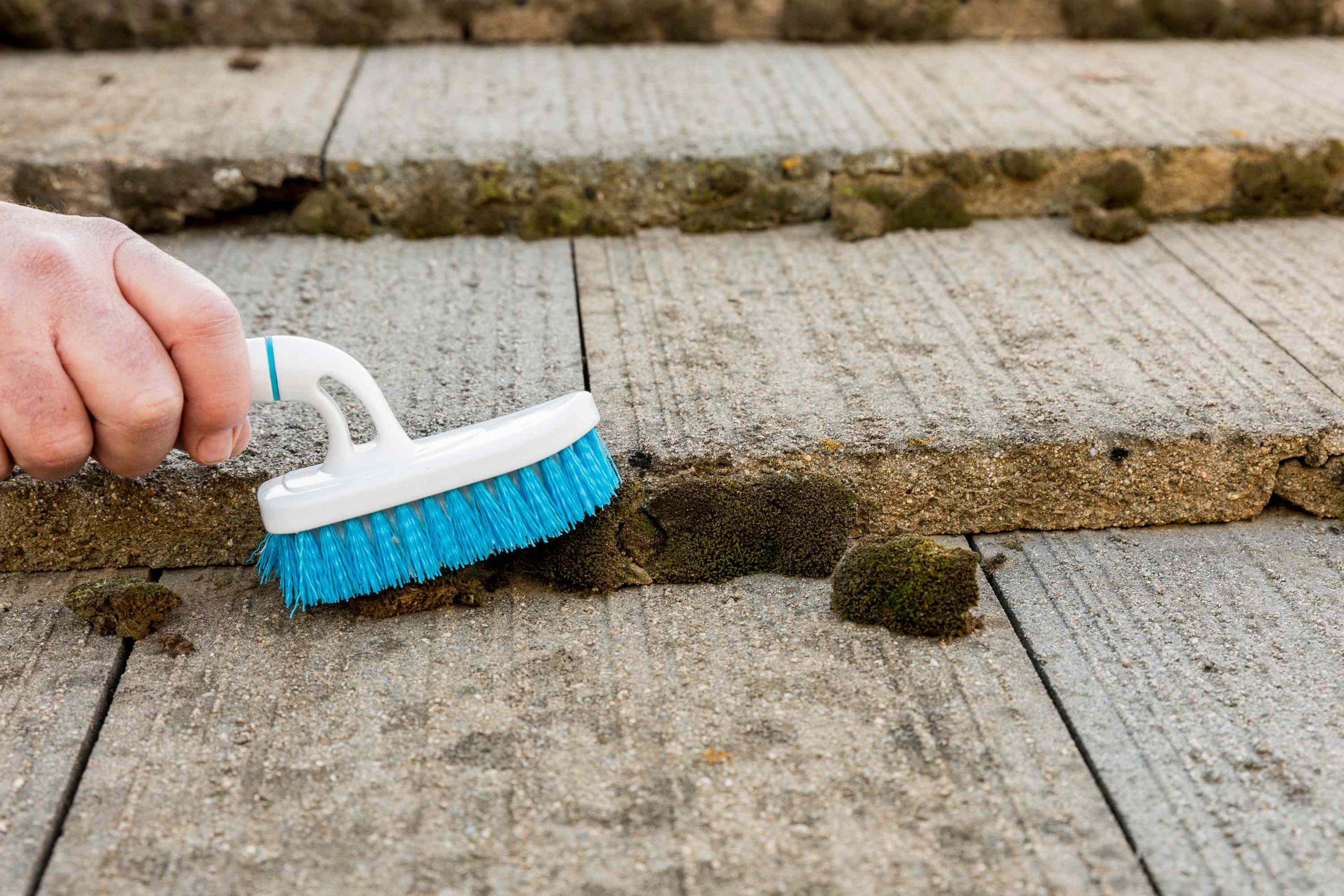
    4. Rinse (Optional): Some products require rinsing after a set period. Use a low-pressure garden hose to gently wash away the dead debris. Never use a high-pressure washer, as this can strip granules from shingles.

    Method 2: The Manual Removal (Immediate Results)

    If you need immediate results or have only small patches, manual removal is an option. However, it requires extreme care to avoid damaging the shingles.

    Tools Needed:

    • A soft-bristle broom or a plastic leaf rake.
    • A garden hose with a spray nozzle.

    Process:

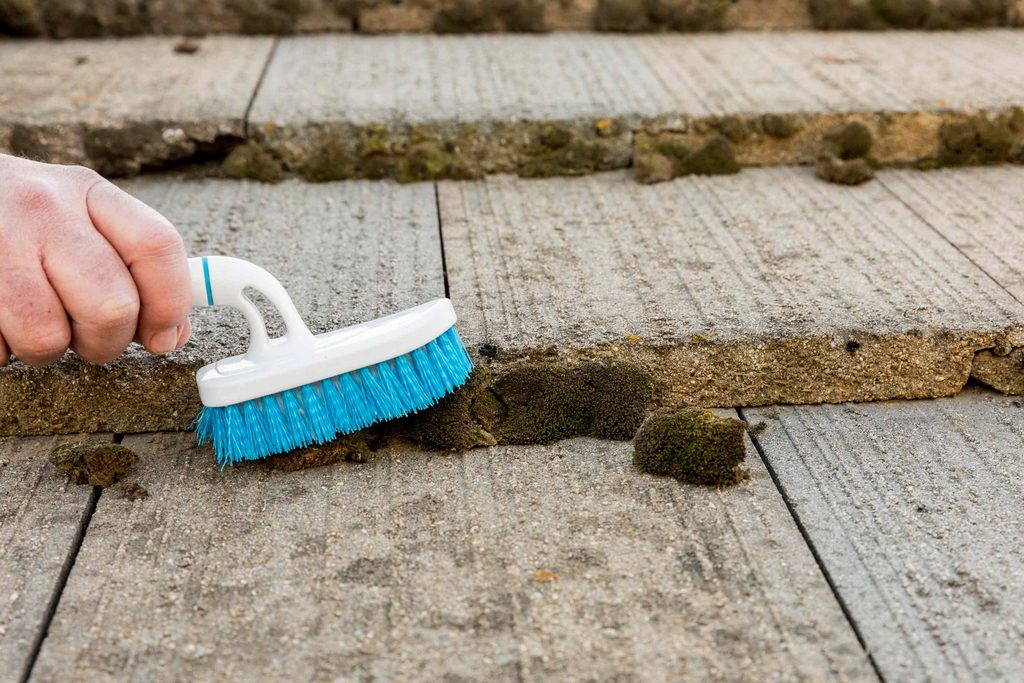
    1. Dry Brushing: Gently sweep the moss off the roof. Always brush downward, following the direction of the shingles. Brushing upward can lift the shingle tabs and break the seal.
    2. Low-Pressure Rinse: After brushing, rinse the area with a garden hose to remove spores and debris.
    3. Inspect: Check for any loose granules or damaged shingles exposed during the process.

    Warning: Do not use wire brushes, scrapers, or power washers. These tools are too aggressive and will void most roofing warranties.


    Comparison: Chemical vs. Manual Removal

    FeatureChemical TreatmentManual Removal
    EffectivenessHigh (kills roots)Medium (removes visible growth)
    Effort LevelLow (spray and wait)High (physical labor)
    Risk to ShinglesLow (if used correctly)Moderate (risk of lifting shingles)
    LongevityLasts 6–12 monthsImmediate, but regrows quickly
    Cost$20–$50 for suppliesFree (if you have tools)

    How to Prevent Moss from Returning

    Removing moss is only half the battle. Prevention is key to maintaining a clean roof. Here are proven strategies to keep moss at bay:

    1. Install Zinc or Copper Strips

    One of the most effective preventive measures is installing metal strips near the roof ridge. When it rains, trace amounts of zinc or copper ions wash down the roof, creating an environment where moss cannot grow.

    • How it works: The metal oxidizes slowly, releasing ions that are toxic to moss and algae.
    • Installation: You can buy pre-made strips or hire a roofer to install them under the shingles at the peak.

    2. Trim Overhanging Branches

    Moss thrives in shade and dampness. Trees that hang over your roof block sunlight and drop leaves, which retain moisture.

    • Action Plan: Trim branches back at least 6 feet from the roof surface. This increases sunlight exposure and improves air circulation, helping the roof dry faster after rain.

    3. Clean Your Gutters Regularly

    Clogged gutters cause water to back up under the shingles, keeping the roof deck moist. Clean your gutters at least twice a year—once in spring and once in fall.

    4. Improve Attic Ventilation

    Poor ventilation can lead to heat and moisture buildup under the roof deck, contributing to moss growth. Ensure your attic has adequate soffit and ridge vents to allow air to flow freely.


    Frequently Asked Questions (FAQ)

    1. Can I use bleach to remove moss from my roof?

    While bleach (sodium hypochlorite) can kill moss, it is generally not recommended by roofing professionals. Bleach can corrode metal flashings, gutters, and nails. It can also discolor shingles and harm surrounding landscaping. Safer alternatives include oxygen-based bleaches or zinc sulfate solutions.

    2. How often should I clean moss off my roof?

    This depends on your climate and surrounding environment. In damp, shady areas, you may need to treat your roof every 1–2 years. In drier, sunnier climates, inspection every 3–5 years may suffice. Regular visual inspections from the ground are recommended annually.

    3. Will pressure washing damage my roof?

    Yes, likely. High-pressure washing can force water under shingles, break seals, and strip away the protective granules on asphalt shingles. This significantly shortens the roof’s lifespan. Always use low-pressure soft washing techniques or chemical treatments instead.

    4. Is moss removal covered by homeowners insurance?

    Generally, no. Homeowners insurance typically covers sudden and accidental damage (like storm damage). Moss growth is considered a maintenance issue resulting from neglect or natural wear and tear. However, if moss causes a leak that leads to interior water damage, the interior repair might be covered, but the roof repair itself usually is not.

    5. What is the best time of year to remove moss?

    The best time is during dry, mild weather, typically in late spring or early fall. Avoid winter when roofs are slippery and icy, and avoid peak summer heat when chemicals can evaporate too quickly or damage hot shingles.

    6. Can I walk on my roof to clean it?

    Walking on a roof always carries risk. Asphalt shingles can crack under foot traffic, especially in cold weather. If you must go up, walk on the balls of your feet and avoid stepping on the edges of shingles. However, using a long-handled sprayer from a ladder or the ground is safer and often sufficient.


    Conclusion

    Learning how do you get rid of moss on your roof is an essential skill for any homeowner looking to protect their investment. By using gentle chemical treatments, avoiding high-pressure washing, and implementing preventive measures like zinc strips and tree trimming, you can keep your roof clean and functional for years to come.

    Remember, consistency is key. A little maintenance today saves thousands in replacement costs tomorrow. If you found this guide helpful, please share it with your neighbors on social media—they might be dealing with the same green invaders!

    For more detailed information on roofing materials and standards, you can refer to Wikipedia’s page on Roofing.

  • Up On The Roof: Greenville’s Premier Skyline Experience

    Up On The Roof: Greenville’s Premier Skyline Experience


    Have you ever searched for that perfect spot where the city lights meet the night sky, only to end up disappointed by crowded venues or lackluster views? Finding a venue that combines sophisticated ambiance with genuine Southern hospitality can feel like a rare treasure hunt in today’s bustling urban landscape. This is exactly why Up On The Roof 250 Riverplace 800 Greenville Sc 29601 has become the go-to destination for locals and tourists alike who crave an elevated experience—literally and figuratively.

    Located in the heart of Greenville’s vibrant downtown district, this rooftop venue offers more than just a drink; it offers a perspective. Whether you are planning a romantic evening, a corporate gathering, or simply want to unwind after a long week, understanding what makes this location unique will help you make the most of your visit. In this guide, we will explore everything you need to know about this iconic spot, from its breathtaking vistas to the practical details that ensure a seamless experience.

    What Makes Up On The Roof at 250 Riverplace Unique?

    When people search for Up On The Roof 250 Riverplace 800 Greenville Sc 29601, they are often looking for more than just an address; they are seeking an atmosphere. Situated atop the modern architecture of the Riverplace building, this venue capitalizes on Greenville’s most significant geographical asset: its scenic beauty.

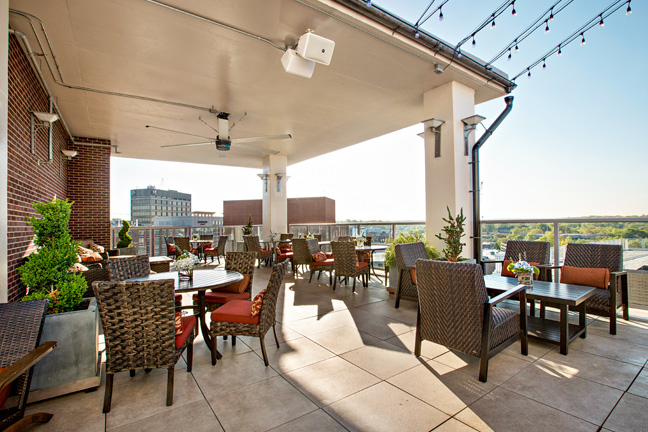
    Greenville has undergone a massive transformation over the last two decades, evolving from a textile hub into a cultural and culinary powerhouse. The rooftop leverages this renaissance by providing an unobstructed view of the Reedy River and the famous Liberty Bridge. Unlike enclosed bars, this open-air concept allows guests to feel the breeze and hear the distant hum of the city, creating an immersive sensory experience.

    The design philosophy here balances industrial chic with comfortable elegance. You will find plush seating arrangements that encourage conversation, paired with lighting that shifts subtly as the sun sets. This attention to detail ensures that the space feels intimate despite its capacity to host large events. It is not just a bar; it is a curated social environment designed to elevate your mood.

    How Do I Find and Access the Venue?

    One of the most common questions newcomers have is regarding accessibility. While the address Up On The Roof 250 Riverplace 800 Greenville Sc 29601 is precise, navigating to a rooftop venue can sometimes be confusing if you don’t know the specific entry points.

    Step-by-Step Directions:

    1. Arrival at Riverplace: Drive or walk to 250 Riverplace. If you are driving, there are several parking decks nearby, including the City Center Parking Garage, which is within walking distance.
    2. Enter the Building: Look for the main entrance of the Riverplace complex. This is often marked by modern glass doors and signage indicating residential and commercial access.
    3. Locate the Elevator: Once inside, head to the elevator bank. Signage usually directs guests to “Rooftop” or “Up On The Roof.” Note that some buildings require a key card for residential floors, but public venues typically have a dedicated elevator or a staff member to assist during operating hours.
    4. Ascend to the Top: Ride the elevator to the top floor. As the doors open, you will be greeted by the host stand.

    Pro Tip: If you are visiting during peak hours (Friday and Saturday nights), arrive 15 minutes early to account for any elevator wait times. The journey up is part of the anticipation!

    Up On The Roof 250 Riverplace 800 Greenville Sc 29601

    What Can You Expect From the Menu and Drinks?

    A rooftop view is only half the appeal; the culinary experience must match the scenery. At Up On The Roof, the menu is designed to be shareable and sophisticated, focusing on fresh, local ingredients that highlight South Carolina’s agricultural richness.

    Signature Cocktails

    The bar program is a standout feature. Mixologists here prioritize balance and presentation.

    • The Greenville Mule: A local twist on the classic Moscow Mule, using regional ginger beer and fresh mint.
    • Sunset Spritz: A light, aperitif-style drink perfect for watching the sunset, featuring elderflower liqueur and prosecco.
    • Bourbon Barrel Old Fashioned: Given South Carolina’s proximity to bourbon country, this drink is a must-try, smoked tableside for added aroma.

    Food Offerings

    While not a full-service restaurant, the food menu is robust enough to serve as a dinner.

    • Artisan Flatbreads: Crispy crusts topped with goat cheese, figs, and prosciutto.
    • Charcuterie Boards: Curated selections of local cheeses, cured meats, and honeycomb.
    • Small Plates: Think shrimp tacos, bruschetta, and seasonal vegetable crudités.
    FeatureDescriptionBest For
    Cocktail VarietyHigh-end, craft-focusedDate Nights
    Food StyleShareable small platesGroups & Socializing
    Service SpeedModerate (relaxed pace)Leisurely Evenings
    Price PointMid-to-High RangeSpecial Occasions

    When Is the Best Time to Visit for Views and Atmosphere?

    Timing is everything when visiting a rooftop venue. The experience at Up On The Roof 250 Riverplace 800 Greenville Sc 29601 changes drastically depending on the time of day and the season.

    The Golden Hour

    For photographers and romantics, the “golden hour”—the hour before sunset—is unbeatable. The light hits the Blue Ridge Mountains in the distance, casting a warm glow over the city. This is the most popular time, so reservations are highly recommended.

    Nighttime Vibes

    After dark, the city lights twinkle below, and the atmosphere shifts to a more energetic, lounge-like vibe. This is ideal for those who want to enjoy the nightlife without the deafening noise of a club. The ambient lighting on the roof creates a cozy, starry-night effect.

    Seasonal Considerations

    Greenville enjoys four distinct seasons. Spring and Fall are the most comfortable for outdoor seating. Summer evenings can be warm, but the rooftop often features misting fans or breezes from the river. Winter visits offer crisp air and clear skies, perfect for seeing distant landmarks, though you may want to bring a jacket.

    Is Up On The Roof Suitable for Private Events?

    Yes, and it is one of the venue’s strongest selling points. Many corporations and individuals choose this location for private gatherings due to its exclusivity and visual impact.

    According to event planning standards, a venue with a “wow factor” like a skyline view increases guest engagement by up to 40%. Up On The Roof offers semi-private and full-buyout options. Whether you are hosting a wedding rehearsal dinner, a corporate happy hour, or a birthday celebration, the staff can customize the layout and menu.

    • Capacity: Varies based on setup, but can accommodate large groups.
    • Audio/Visual: Basic AV equipment is often available for presentations or playlists.
    • Catering: Custom menus can be arranged for private events, going beyond the standard à la carte options.

    For more context on how Greenville has become a hub for tourism and events, you can read about the city’s development on Wikipedia.

    FAQ Section

    1. Do I need a reservation for Up On The Roof?

    While walk-ins are welcome, reservations are strongly recommended, especially for weekends and holidays. Given the limited space and high demand for the best seating spots with views, booking in advance ensures you won’t be left waiting.

    2. Is there a dress code?

    The dress code is generally “smart casual.” You don’t need to wear a suit, but athletic wear, flip-flops, or overly casual beach attire might be frowned upon. Think of it as dressing for a nice dinner out—polished but comfortable.

    3. Is the rooftop pet-friendly?

    Policy on pets can vary by season and management decisions. Generally, service animals are always welcome. For regular pets, it is best to call ahead. Some rooftop venues in Greenville allow dogs on patios during off-peak hours, but this is not guaranteed at all times.

    4. What happens if it rains?

    Greenville weather can be unpredictable. The venue typically has a covered section or an indoor contingency plan. However, the open-air experience is the main draw. If severe weather is forecasted, it is wise to check their social media pages or call ahead to see if they are operating normally or if they have moved service indoors.

    5. Is there parking available at 250 Riverplace?

    There is no dedicated free parking lot exclusively for the rooftop bar. However, there are multiple paid parking decks and street parking options within a short walking distance. Valet services may be available during special events or peak times, so it is worth inquiring when you arrive.

    6. Can I bring my own cake or decorations for a birthday?

    Most upscale venues do not allow outside food or alcohol due to licensing and health codes. However, they may allow small decorations like balloons if arranged in advance. Always check with the event coordinator regarding their specific policy on outside items.

    Conclusion

    Visiting Up On The Roof 250 Riverplace 800 Greenville Sc 29601 is more than just going out for a drink; it is an immersion into the vibrant culture of Greenville. From the stunning panoramic views of the Reedy River to the carefully crafted cocktails and shareable bites, every element is designed to create a memorable experience.

    Whether you are a local looking for a new favorite spot or a visitor wanting to see the city from its best angle, this rooftop delivers on its promise of elevation and excellence. Remember to book in advance, dress smartly, and arrive during the golden hour for the most magical experience.

    Did you enjoy this guide? Share it with your friends on social media who love exploring the best of Greenville! Let them know where to find the best sunset views in the Upstate.

  • How to Heal Burns on the Roof of Your Mouth Fast

    How to Heal Burns on the Roof of Your Mouth Fast

    We have all been there. You take a bite of piping hot pizza or sip scalding coffee, and suddenly, a sharp sting radiates through the roof of your mouth. It is an uncomfortable, often painful experience that can make eating and speaking difficult for days. If you are wondering how to heal burns on the roof of your mouth, you are not alone, and relief is closer than you think.

    The roof of your mouth, known medically as the palate, is lined with delicate mucous membranes. These tissues are highly sensitive and prone to thermal injury from food and drinks. While most minor burns heal on their own within a week, knowing the right steps can significantly reduce pain, prevent infection, and accelerate the healing process. In this guide, we will walk you through evidence-based methods to soothe the burn and restore comfort to your daily life.

    Immediate First Aid: What to Do Right After the Burn

    Time is critical when treating thermal injuries. The first few minutes after burning the roof of your mouth determine the severity of the damage and the speed of recovery. Acting quickly can limit the depth of the burn and minimize tissue damage.

    Cool Down the Area Immediately

    The moment you realize you have burned your palate, stop eating or drinking the hot substance. Rinse your mouth with cool water. Not ice-cold, as extreme temperatures can shock the tissue further, but comfortably cool. Aim for water at approximately 15–20°C (59–68°F). Swish it gently around your mouth for 30 to 60 seconds. This helps dissipate the residual heat trapped in the tissues.

    Avoid using ice cubes directly on the burn. Direct contact with ice can cause frostbite-like damage to the already compromised cells, leading to more pain and slower healing. Instead, let small chips of ice melt slowly in your mouth if you need intense cooling, ensuring they do not stick to one spot.

    Assess the Severity

    Not all burns are created equal. Understanding the degree of your burn helps you decide whether home care is sufficient or if you need professional medical attention.

    Burn DegreeSymptomsHealing TimeAction Required
    First-DegreeRedness, mild swelling, slight pain. No blisters.3–7 daysHome care usually suffices.
    Second-DegreeBlisters, severe pain, significant swelling.1–2 weeksMonitor closely; see a doctor if infected.
    Third-DegreeWhite or charred skin, numbness (nerve damage).Several weeksSeek immediate medical help.

    Most “pizza palate” incidents are first-degree burns. However, if you notice large blisters forming or if the pain is unmanageable, it may be a second-degree burn requiring more careful management.

    Effective Home Remedies to Soothe Pain and Speed Up Healing

    Once you have cooled the area, the next step is to create an environment that promotes healing. The mouth is a unique environment because it is constantly moist and exposed to bacteria, which can complicate healing. Here are some proven, natural remedies to help how to heal burns on the roof of your mouth effectively.

    Honey: Nature’s Antibacterial Healer

    Honey has been used for centuries for wound care, and modern science supports its efficacy. It possesses natural antibacterial and anti-inflammatory properties. A study published in the Journal of Family Medicine and Primary Care highlights honey’s ability to accelerate wound healing by maintaining a moist environment and preventing infection.

    How to use it:

    1. Take one teaspoon of raw, organic honey.
    2. Gently apply it directly to the burned area on the roof of your mouth.
    3. Let it sit for a few minutes before swallowing or rinsing.
    4. Repeat this 2–3 times a day.

    Note: Do not give honey to children under one year old due to the risk of botulism.

    Salt Water Rinses for Cleanliness

    Keeping the burn clean is crucial to prevent secondary infections. A saline solution is isotonic, meaning it matches the body’s natural fluid balance, making it gentle on irritated tissues while effectively flushing out debris and bacteria.

    Recipe for Saline Rinse:

    • Mix 1/2 teaspoon of non-iodized salt into 1 cup (240 ml) of warm water.
    • Stir until the salt is completely dissolved.
    • Swish gently in your mouth for 30 seconds, focusing on the roof of your mouth.
    • Spit out the solution. Do not swallow.
    • Perform this rinse 2–3 times daily, especially after meals.

    Aloe Vera Gel for Cooling Relief

    Aloe vera is renowned for its soothing properties on skin burns, and it works similarly on oral mucosa. It contains compounds called polysaccharides that stimulate skin growth and repair. Ensure you use food-grade aloe vera gel or pure extract from the plant, avoiding products with added alcohol or fragrances which can sting.

    Apply a small amount of pure aloe vera gel to the affected area. Leave it on for a few minutes to allow absorption. This can provide immediate cooling relief and reduce inflammation.

    Dietary Adjustments: What to Eat and Avoid

    Your diet plays a pivotal role in the healing process. Certain foods can irritate the burn, causing renewed pain and delaying recovery, while others can provide necessary nutrients for tissue repair.

    Foods to Avoid

    Until the burn heals, steer clear of items that can physically or chemically irritate the palate:

    • Spicy Foods: Capsaicin in chili peppers can trigger pain receptors in damaged tissue.
    • Acidic Foods: Citrus fruits (lemons, oranges), tomatoes, and vinegar-based dressings can sting and slow healing.
    • Crunchy or Sharp Foods: Chips, toast, and hard crackers can scratch the sensitive area.
    • Very Hot Temperatures: Stick to lukewarm or cold foods. Heat will re-aggravate the injury.

    Foods That Help Healing

    Focus on soft, nutrient-dense foods that are easy to swallow:

    • Yogurt and Pudding: Cold dairy products can be soothing and provide protein for repair.
    • Smoothies: Blend fruits (non-acidic like bananas or melons) with yogurt or milk.
    • Mashed Potatoes: Soft, bland, and filling. Ensure they are cooled down before eating.
    • Broth-Based Soups: Warm, not hot, broths provide hydration and electrolytes.

    For more detailed information on oral health and tissue regeneration, you can refer to general medical resources such as Wikipedia’s page on Oral Mucosa to understand the biological structure of the tissue you are healing.

    How To Heal Burns On The Roof Of Your Mouth

    When to See a Doctor: Recognizing Complications

    While most mouth burns are minor, complications can arise. It is essential to know when home remedies are no longer enough. If you experience any of the following symptoms, consult a healthcare provider or dentist immediately:

    1. Signs of Infection: Increased redness, pus, foul odor, or fever.
    2. Persistent Pain: Pain that does not improve after 3–4 days of home care.
    3. Large Blisters: Blisters larger than 1 cm or those that burst and bleed excessively.
    4. Difficulty Swallowing or Breathing: This could indicate significant swelling that may obstruct airways.
    5. No Improvement: If the burn shows no signs of healing after two weeks.

    Dentists and doctors can prescribe topical anesthetics like benzocaine gels or antimicrobial mouthwashes like chlorhexidine to manage severe cases. They can also rule out other conditions that might mimic a burn, such as oral thrush or viral infections.

    FAQ Section

    How long does it take for a burn on the roof of the mouth to heal?

    Most first-degree burns on the palate heal within 3 to 7 days. Second-degree burns, which involve blistering, may take 1 to 2 weeks. The mouth heals faster than skin elsewhere on the body due to its rich blood supply and constant moisture.

    Can I use toothpaste on a burnt roof of my mouth?

    No, avoid applying toothpaste directly to the burn. Many toothpastes contain sodium lauryl sulfate (SLS) and strong mint flavors that can irritate the damaged tissue and cause stinging. Stick to gentle saline rinses or honey instead.

    Is it safe to pop blisters on the roof of my mouth?

    Never pop blisters in your mouth. The blister acts as a natural bandage, protecting the underlying raw tissue from bacteria and further irritation. Popping it increases the risk of infection and delays healing. Let it rupture naturally if it is going to.

    Why does the roof of my mouth hurt days after the burn?

    Even after the initial heat is gone, the nerve endings in the palate remain inflamed. As the top layer of cells dies and sheds, the new, sensitive tissue underneath is exposed. This is part of the normal healing process, but if pain worsens after day 3, check for signs of infection.

    Can I drink coffee if I burned my mouth?

    It is best to avoid coffee for a few days. Coffee is acidic and often consumed hot, both of which can irritate the burn. If you must have it, wait until it is lukewarm or cold, and consider adding milk to reduce acidity.

    Does sugar help heal mouth burns?

    While honey (which contains sugar) is beneficial due to its enzymatic properties, plain refined sugar is not recommended. Sugar can feed bacteria in the mouth, potentially leading to infection. Stick to honey or specialized oral gels for better results.

    Conclusion

    Dealing with a burnt palate is unpleasant, but it is rarely serious. By acting quickly with cool water, utilizing natural remedies like honey and salt water, and adjusting your diet, you can significantly ease the discomfort. Remember, the key to learning how to heal burns on the roof of your mouth lies in patience and keeping the area clean.

    Most importantly, listen to your body. If the pain persists or worsens, do not hesitate to seek professional advice. Share this guide with friends and family who love their hot coffee and pizza just a little too much—it might save them from a few days of discomfort!

  • Red Roof Inn Memphis East: Shelby Oaks Guide

    Red Roof Inn Memphis East: Shelby Oaks Guide

    Finding Comfort on a Budget in Memphis

    Traveling to Memphis can be an exciting adventure filled with music, history, and incredible food. However, finding accommodation that balances affordability with comfort often feels like a daunting task for many visitors. If you are searching for Red Roof Inn Memphis East Shelby Oaks Drive Memphis Tn, you are likely looking for a reliable, no-frills place to rest without breaking the bank. This guide will help you understand exactly what to expect from this property, ensuring your stay in the Bluff City is both smooth and memorable.

    Memphis is a city that never truly sleeps, especially if you are here for business near the industrial parks or leisure along the Mississippi River. The East Memphis area, specifically around Shelby Oaks Drive, serves as a strategic hub for travelers who want easy access to major highways while avoiding the congestion of downtown. Let’s dive into why this specific location might be the right choice for your next visit.

    Why Choose Red Roof Inn on Shelby Oaks Drive?

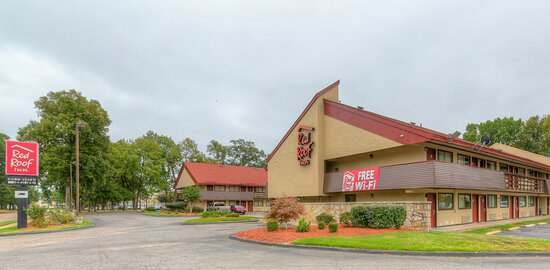
    When selecting a hotel, location and value are paramount. The Red Roof Inn located on Shelby Oaks Drive offers a unique proposition for travelers visiting Memphis, Tennessee. Unlike the high-rise hotels in the city center, this property provides a grounded, accessible experience tailored for road trippers, budget-conscious families, and business travelers needing a quick stopover.

    Strategic Location and Accessibility

    One of the primary advantages of staying at Red Roof Inn Memphis East Shelby Oaks Drive Memphis Tn is its connectivity. Situated near the intersection of major interstates, it allows guests to navigate the city with ease. Whether you are heading to the Memphis International Airport (MEM), which is only a short drive away, or exploring the attractions in Midtown, this location serves as a convenient base camp.

    For those driving through Tennessee on I-40 or I-240, exiting near Shelby Oaks Drive minimizes travel time spent in traffic. This efficiency is crucial for business travelers who need to maximize their working hours or tourists who want to spend more time enjoying Graceland or the Beale Street Entertainment District rather than sitting in a car.

    Pet-Friendly Policy: A Standout Feature

    In the hospitality industry, few brands are as renowned for their pet-friendly policies as Red Roof Inn. If you are traveling with a furry companion, this is a significant benefit. Most Red Roof Inn locations, including the one on Shelby Oaks Drive, allow pets to stay for free.

    • No Pet Fees: Unlike many competitors that charge hefty nightly fees for animals, Red Roof Inn typically welcomes one well-behaved pet per room at no extra cost.
    • Convenience: The ground-level room access makes it easier to take your pet out for bathroom breaks without navigating elevators or long hallways.

    This policy has made the brand a favorite among road-trippers who consider their pets part of the family. It removes the stress of finding kennels or leaving pets behind, allowing for a more inclusive travel experience.

    Amenities and Room Features: What to Expect

    Understanding what is included in your stay helps manage expectations and ensures satisfaction. While this is a budget-oriented property, it does not skimp on the essentials required for a comfortable night’s sleep.

    Core Amenities Overview

    AmenityAvailabilityNotes
    Free Wi-FiYesStandard speed; suitable for browsing and email.
    ParkingYesFree on-site parking; ample space for trucks/RVs.
    Pet PolicyYesOne pet per room, free of charge.
    BreakfastVariesOften continental; check current status upon booking.
    PoolSeasonalOutdoor pool available during warmer months.
    LaundryOn-siteCoin-operated machines usually available.

    Room Comfort and Cleanliness

    The rooms at the Shelby Oaks Drive location are designed for functionality. You can expect clean linens, a comfortable bed, and essential furniture such as a desk and a chair. For modern travelers, the availability of power outlets near the bed and desk is a critical feature that Red Roof Inn has worked to improve across its portfolio.

    While you may not find luxury spa services or concierge desks, the focus here is on hygiene and rest. Recent renovations in many Red Roof Inn properties have focused on updating bathrooms and bedding to meet higher standards of comfort. It is advisable to check recent guest reviews for specific updates regarding this particular branch, as maintenance levels can vary by management.

    Red Roof Inn Memphis East Shelby Oaks Drive Memphis Tn

    Comparing Value: Is It Worth It?

    To determine if Red Roof Inn Memphis East Shelby Oaks Drive Memphis Tn is the right fit, it helps to compare it against other options in the Memphis market.

    Budget vs. Mid-Range Hotels

    • Price Point: Red Roof Inn is consistently priced lower than mid-range chains like Hilton Garden Inn or Courtyard by Marriott. This can save travelers $50–$100 per night, which can be redirected toward dining or entertainment in Memphis.
    • Service Level: Expect limited front-desk hours compared to 24/7 full-service hotels. However, for travelers who simply need a key and a clean bed, this trade-off is often acceptable.
    • Target Audience: Ideal for solo travelers, couples on a budget, and pet owners. Less ideal for large families needing suites or business executives requiring extensive meeting facilities.

    According to general travel industry data, budget hotels account for a significant portion of overnight stays in the US, driven by economic factors and the rise of “bleisure” (business + leisure) travel where cost-efficiency is key. Choosing a budget option like Red Roof Inn allows for extended stays or more frequent trips without financial strain.

    How to Book and Prepare for Your Stay

    Booking your stay efficiently can enhance your overall experience. Follow these steps to ensure a smooth check-in process at the Shelby Oaks Drive location.

    1. Check Official Website First: Always start by visiting the official Red Roof Inn website. They often offer member discounts or best-rate guarantees that third-party booking sites may not match.
    2. Verify Pet Policies: If traveling with a pet, confirm the current policy during booking. Although the brand is pet-friendly, specific locations may have temporary restrictions or require notification at check-in.
    3. Read Recent Reviews: Look for reviews from the last three months on platforms like TripAdvisor or Google Maps. Pay attention to comments about cleanliness and noise levels, as these are subjective but critical for comfort.
    4. Request Specific Room Needs: If you need a ground-floor room for accessibility or pet convenience, note this in the special requests section. While not guaranteed, it increases the likelihood of accommodation.
    5. Prepare for Self-Service Elements: Bring any personal toiletries you prefer, as budget hotels may provide basic items only. Having your own coffee maker or snacks can also enhance your stay if breakfast options are limited.

    For more context on the history and development of Memphis neighborhoods, you can refer to Wikipedia’s page on Memphis, Tennessee, which provides detailed insights into the city’s geography and cultural significance.

    Frequently Asked Questions (FAQ)

    1. Is the Red Roof Inn on Shelby Oaks Drive safe?

    Safety is a common concern for any traveler. The East Memphis area, including Shelby Oaks Drive, is generally considered a commercial and industrial zone. It is well-lit and patrolled, but as with any urban area, it is wise to practice standard safety precautions. Keep your vehicle locked and valuables out of sight. Reading recent guest reviews can provide current perspectives on neighborhood safety.

    2. Does this location offer free breakfast?

    Breakfast policies can change based on management and seasonal demand. Historically, many Red Roof Inns offer a simple continental breakfast. However, it is crucial to verify this at the time of booking. Do not assume it is included unless explicitly stated in your reservation confirmation.

    3. Can I park an RV or large truck here?

    Yes, one of the benefits of Red Roof Inn properties is their accommodating parking lots. The Shelby Oaks Drive location typically has ample space for larger vehicles, including RVs and trucks. This makes it a popular choice for cross-country drivers who need a secure place to park overnight.

    4. How far is this hotel from Beale Street?

    The distance from Red Roof Inn Memphis East Shelby Oaks Drive Memphis Tn to Beale Street is approximately 10–12 miles, depending on the route taken. By car, this usually takes about 15–20 minutes without heavy traffic. Using ride-sharing services or driving yourself is the most convenient way to reach the entertainment district.

    5. Are there restaurants nearby?

    Yes, the East Memphis area has numerous dining options. You will find fast-food chains, casual dining establishments, and local eateries within a few miles of the hotel. This proximity ensures that you do not need to travel far for meals, adding to the convenience of your stay.

    6. What is the check-in and check-out time?

    Standard check-in time is typically 3:00 PM, and check-out is 11:00 AM. If you arrive early, you may request early check-in, but it is subject to availability. Late check-out may also be possible for a fee or based on occupancy levels. Always communicate with the front desk upon arrival to discuss any timing needs.

    Conclusion

    Choosing the right accommodation can make or break your trip to Memphis. The Red Roof Inn Memphis East Shelby Oaks Drive Memphis Tn stands out as a practical, budget-friendly option for travelers who prioritize value, location, and pet-friendly policies. While it may not offer luxury amenities, it delivers on the core promises of cleanliness, comfort, and convenience.

    By understanding what to expect and preparing accordingly, you can enjoy a stress-free stay that leaves you with more resources to explore the rich culture and history of Memphis. Whether you are here for the blues, the barbecue, or business, this hotel serves as a reliable home base.

    If you found this guide helpful, please share it with your fellow travelers on social media. Helping others find great deals and comfortable stays contributes to a better travel community for everyone. Safe travels!

  • Roof & Siding Replacement Costs 2026

    Roof & Siding Replacement Costs 2026

    Replacing your home’s exterior is one of the most significant investments you can make as a homeowner. It protects your family from the elements, boosts curb appeal, and significantly increases property value. However, staring at an empty bank account while looking at weathered shingles or cracked vinyl can be stressful. If you are asking, “How Much Does It Cost To Replace Roof And Siding,” you are not alone. This guide breaks down the real numbers for 2026, helping you budget with confidence and avoid costly surprises.

    Understanding the Total Investment: Roof and Siding Combined

    When tackling both projects simultaneously, many homeowners hope for a bulk discount. While contractors may offer slight savings on labor mobilization since they are already on-site, the material costs remain distinct. Generally, replacing both the roof and siding for an average-sized American home (approximately 2,000 square feet) ranges between $25,000 and $45,000.

    This wide range exists because “roof” and “siding” are broad categories. A basic asphalt shingle roof with vinyl siding sits at the lower end, while a slate roof with fiber cement or wood siding pushes the price toward the higher end. Understanding these variables is crucial for setting a realistic budget.

    Pro Tip: Always get at least three detailed quotes. Ensure each quote breaks down material costs, labor, waste removal, and permits separately. This transparency allows you to compare apples to apples.

    How Much Does It Cost to Replace a Roof in 2026?

    The roof is your home’s first line of defense. In 2026, material prices have stabilized post-pandemic but remain influenced by supply chain nuances and fuel costs for transportation.

    Average Costs by Material

    Material TypeCost per Square FootAvg. Total Cost (2,000 sq ft home)Lifespan
    Asphalt Shingles$3.50 – $5.50$7,000 – $11,00015–25 Years
    Metal Roofing$7.00 – $12.00$14,000 – $24,00040–70 Years
    Clay/Concrete Tile$10.00 – $18.00$20,000 – $36,00050+ Years
    Wood Shakes$6.00 – $9.00$12,000 – $18,00020–30 Years
    Slate$15.00 – $30.00+$30,000 – $60,000+75–100+ Years

    Note: These estimates include materials and professional installation but exclude structural repairs.

    Factors Influencing Roof Cost

    1. Roof Pitch and Complexity: A steep, multi-gabled roof requires more safety equipment, time, and skill than a simple gable roof. Expect to pay 10–20% more for complex architectures.
    2. Underlayment Quality: Don’t skimp here. High-quality synthetic underlayment costs more upfront but prevents ice dams and water intrusion better than traditional felt paper.
    3. Removal of Old Materials: Most quotes include “tear-off” costs. If you have multiple layers of old roofing, disposal fees will increase.

    For deeper technical definitions of roofing materials and their historical development, you can refer to Wikipedia’s entry on Roofing. This resource provides excellent background on how material science has evolved, which helps explain why modern options like metal and composite are gaining popularity despite higher initial costs.

    How Much Does It Cost To Replace Roof And Siding

    How Much Does It Cost to Install New Siding?

    Siding covers the vertical walls of your home. The cost varies dramatically based on the material’s durability, aesthetic appeal, and insulation properties.

    Average Costs by Material

    Material TypeCost per Square FootAvg. Total Cost (2,000 sq ft home)Maintenance Level
    Vinyl$2.50 – $8.00$5,000 – $16,000Low
    Fiber Cement$6.00 – $12.00$12,000 – $24,000Medium
    Engineered Wood$4.50 – $9.00$9,000 – $18,000Medium
    Brick Veneer$10.00 – $20.00$20,000 – $40,000Very Low
    Natural Wood$8.00 – $15.00+$16,000 – $30,000+High

    Why Fiber Cement is Gaining Ground

    In 2026, fiber cement (such as James Hardie) remains a top choice for US homeowners. It offers the look of wood without the rot risk and withstands harsh weather better than vinyl. While the upfront cost is higher than vinyl, its longevity and resistance to fire and pests often justify the investment for those planning to stay in their homes long-term.

    Can You Save Money by Doing Both Projects Together?

    Yes, but the savings are primarily logistical rather than material-based.

    • Reduced Mobilization Fees: Contractors charge for setting up scaffolding, dumpsters, and safety barriers. Doing both jobs at once means paying these setup fees only once.
    • Better Coordination: The roofer and siding installer can coordinate flashing details where the roof meets the wall. Poor coordination here is a leading cause of leaks. When one company handles both, or when teams communicate closely, the risk of future water damage drops significantly.
    • Negotiating Power: You are a bigger customer when you bundle services. Use this leverage to ask for waived permit fees or upgraded gutters included in the package.

    However, do not expect a 50% discount. Material costs are fixed by manufacturers. Realistic savings range from 5% to 10% of the total labor cost.

    Hidden Costs to Watch Out For

    Budgeting for just the materials and labor is a common mistake. Here are the hidden costs that often catch homeowners off guard:

    1. Structural Repairs: Once the old siding and roof are removed, contractors may find rotted sheathing, damaged rafters, or mold. Set aside a 10–15% contingency fund for these unexpected repairs.
    2. Permits: Local municipalities require permits for exterior work. Costs vary by county but typically range from $200 to $1,000.
    3. Dumpster Fees: Disposing of old construction debris is expensive. Heavy materials like tile or brick weigh more, leading to higher disposal fees.
    4. Landscaping Protection: Heavy equipment and falling debris can damage your lawn, shrubs, or driveway. Factor in the cost of protective plywood or professional landscaping restoration if necessary.

    Step-by-Step Guide to Budgeting Your Project

    Follow these steps to create a precise budget for your roof and siding replacement:

    1. Measure Your Home: Calculate the square footage of your roof (including overhangs) and the exterior walls. Subtract areas for windows and doors.
    2. Choose Your Materials: Decide on the tier of quality. For example, choose between architectural shingles vs. 3-tab shingles, or insulated vinyl vs. standard vinyl.
    3. Get Three Quotes: Contact licensed, insured local contractors. Ask for references from jobs completed in the last six months.
    4. Check for Insurance Coverage: If your roof damage was caused by a recent storm (hail, wind), check your homeowner’s insurance policy. You might only need to pay your deductible.
    5. Finalize the Contract: Ensure the contract specifies start/end dates, payment schedule, warranty details, and cleanup procedures. Never pay the full amount upfront.

    Frequently Asked Questions (FAQ)

    1. Does homeowners insurance cover roof and siding replacement?

    Insurance typically covers damage caused by “acts of God” like hail, windstorms, or falling trees. It does not cover wear and tear, age-related deterioration, or lack of maintenance. Always document damage with photos and file a claim promptly after a storm.

    2. How long does it take to replace both roof and siding?

    For an average-sized home, expect the project to take 1 to 3 weeks. Weather delays are common, so build flexibility into your schedule. Complex homes or custom materials may take longer.

    3. Should I replace the roof or siding first?

    Ideally, do them simultaneously. If you must stagger them, replace the roof first. This ensures that the roofing drip edge and flashing are properly installed over the new siding, preventing water from getting behind the siding panels.

    4. What is the best time of year to replace roof and siding?

    Late spring through early fall is peak season due to favorable weather. However, scheduling in late winter or early spring might yield better pricing and faster availability, provided temperatures are above freezing for proper sealant adhesion.

    5. Do I need a permit to replace my roof and siding?

    In most US jurisdictions, yes. Structural changes and exterior cladding replacements usually require building permits to ensure compliance with local codes and wind/load standards. Your contractor should handle this process.

    6. How does new roofing and siding affect home value?

    According to real estate data, new siding can recoup 70–80% of its cost in resale value, while a new roof can recoup 60–70%. More importantly, it significantly reduces time on the market, as buyers prefer homes with major systems recently updated.

    Conclusion

    Knowing how much does it cost to replace roof and siding empowers you to make smart financial decisions. While the initial price tag of $25,000 to $45,000+ may seem steep, view it as a long-term investment in your home’s integrity and value. By choosing the right materials, hiring reputable contractors, and planning for hidden costs, you can achieve a beautiful, durable exterior that stands the test of time.

    Don’t let the complexity overwhelm you. Start with small steps: measure your home, research materials, and reach out to local pros. Your future self—and your future buyers—will thank you.

    Found this guide helpful? Share it with your neighbors on Facebook or Pinterest who might be facing similar home improvement projects!