Seeing green patches creeping up your shingles can be unsettling. It’s not just an aesthetic issue; moss retains moisture, which can degrade roofing materials and lead to costly leaks over time. If you are asking yourself, “How can I get rid of moss on my roof,“ you are not alone. Many homeowners in humid climates face this challenge every year. The good news is that with the right approach, you can safely remove moss and prevent it from returning, extending the life of your roof significantly.
Why Is Moss Bad for Your Roof?
Before diving into removal techniques, it is crucial to understand why moss is more than just a nuisance. Unlike algae, which merely discolors shingles, moss has root-like structures called rhizoids. These penetrate the surface of asphalt shingles, wood shakes, and even tile grout.
According to roofing experts, moss acts like a sponge. It holds water against the roof surface long after rain has stopped. This constant moisture accelerates the breakdown of asphalt granules and can cause wood to rot. In colder climates, trapped moisture freezes and expands, leading to cracks in tiles or shingles. Addressing this early is key to avoiding premature roof replacement.
Safety First: Preparing for Roof Work
Removing moss involves working at heights and handling cleaning solutions. Safety must be your top priority.
- Use Proper Gear: Wear rubber-soled shoes for better traction. Use a sturdy extension ladder with stabilizers.
- Check the Weather: Never clean your roof when it is wet, windy, or icy. Dry, overcast days are ideal.
- Protect Yourself: Use safety harnesses if your roof has a steep pitch (greater than 6/12). Wear eye protection and gloves when handling cleaning chemicals.
- Protect Your Landscape: Cover plants below the work area with plastic sheeting to shield them from runoff and debris.
Method 1: The Manual Removal Technique
For light to moderate moss growth, manual removal is often the safest and most effective first step. This method avoids the potential damage caused by high-pressure washing.
Step-by-Step Guide:
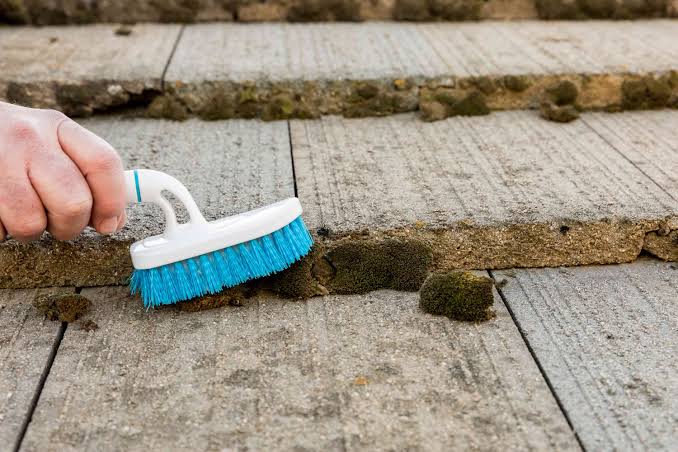
- Dry Brushing: Wait for a dry day. Use a soft-bristled broom or a specialized roof brush. Gently sweep the moss off the shingles. Always sweep downward, following the direction of the water flow. Sweeping upward can lift shingle edges and break the seal.
- Collect Debris: As you sweep, have a helper catch the falling moss in a tarp or bucket. Do not let it accumulate in your gutters.
- Inspect for Damage: Once the moss is removed, inspect the shingles for any lifted tabs or missing granules. Repair any minor issues immediately.
Pro Tip: Avoid using metal scrapers or wire brushes. These can easily gouge asphalt shingles and strip away the protective UV layer.
Method 2: Chemical Treatment with Zinc Sulfate
If manual removal isn’t enough, or if you want to kill the moss at the root, chemical treatments are highly effective. Zinc sulfate is a common ingredient in commercial moss killers because it is toxic to moss but relatively safe for surrounding plants when used correctly.
How to Apply:
- Mix the Solution: Follow the manufacturer’s instructions. A typical ratio is 1 pound of zinc sulfate powder per 5 gallons of water.
- Apply Evenly: Use a garden sprayer to apply the solution evenly over the mossy areas. Start from the ridge and work your way down.
- Let It Sit: Allow the solution to sit for 20–30 minutes. You will notice the moss turning brown or yellow as it dies.
- Rinse Gently: After the moss has died, gently rinse the area with low-pressure water from a garden hose. Do not use a pressure washer, as the force can damage shingles.
For a comprehensive understanding of how different chemical compounds affect biological growth, you can refer to general scientific principles on biocides and their environmental impact.
Method 3: Natural and Eco-Friendly Alternatives
If you are concerned about chemical runoff, there are natural alternatives. While they may take longer to work, they are safer for pets, children, and local ecosystems.
Oxygenated Bleach (Sodium Percarbonate)
Unlike chlorine bleach, oxygenated bleach breaks down into water and oxygen. It is effective at killing moss and algae without harming plants.
- Recipe: Mix 1 cup of oxygenated bleach powder with 1 gallon of warm water.
- Application: Spray onto the moss, let it sit for 15–20 minutes, then scrub gently and rinse.
Vinegar Solution
White distilled vinegar is acidic and can kill moss. However, it is less effective on thick layers and may require repeated applications.
- Recipe: Mix equal parts white vinegar and water.
- Application: Spray directly on moss patches. Reapply every few weeks until the moss dies.
Comparison: Manual vs. Chemical vs. Professional
| Feature | Manual Removal | Chemical Treatment | Professional Service |
|---|---|---|---|
| Cost | Low ($0–$50) | Medium ($50–$150) | High ($300–$800+) |
| Effort | High | Medium | Low |
| Effectiveness | Good for surface moss | Excellent for deep roots | Best overall results |
| Risk of Damage | Low (if done carefully) | Low (if rinsed properly) | Very Low |
| Time Required | Several hours | 1–2 hours + wait time | 2–4 hours |
Preventing Moss from Returning
Removing moss is only half the battle. Prevention is key to keeping your roof clean and durable.
Install Zinc or Copper Strips
One of the most effective long-term solutions is installing metal strips near the roof ridge. When it rains, tiny particles of zinc or copper wash down the roof, creating an environment where moss cannot grow.
- Zinc Strips: Affordable and effective. Last 5–10 years.
- Copper Strips: More expensive but last decades. Also adds a premium aesthetic.
Trim Overhanging Branches
Moss thrives in shade and dampness. Trees that hang over your roof block sunlight and drop leaves, which retain moisture. Trim branches back at least 6 feet from the roof edge to increase sun exposure and airflow.
Clean Gutters Regularly
Clogged gutters cause water to back up under shingles, creating a moist environment perfect for moss. Clean your gutters at least twice a year, especially in fall and spring.
FAQ Section
Q1: Can I use a pressure washer to remove moss?
A: It is generally not recommended. High-pressure water can force water under shingles, break seals, and strip away protective granules. If you must use pressure, keep it below 1,200 PSI and use a wide-angle nozzle, but manual or chemical methods are safer.
Q2: How often should I check my roof for moss?
A: Inspect your roof at least twice a year, ideally in spring and fall. Early detection makes removal much easier and cheaper.
Q3: Is moss removal covered by homeowners insurance?
A: Typically, no. Insurance considers moss growth a maintenance issue rather than sudden accidental damage. However, if moss causes a leak that leads to interior damage, that secondary damage might be covered. Check your specific policy.
Q4: Can I walk on my roof to clean it?
A: Only if it is safe to do so. Asphalt shingles can be slippery, especially when wet or covered in moss. If your roof is steep or high, hire a professional. Always prioritize safety over cost savings.
Q5: What is the best time of year to remove moss?
A: Late spring or early fall is ideal. The weather is mild, and the roof is dry. Avoid winter due to ice risks and summer due to extreme heat, which can make shingles brittle.
Q6: Will bleach kill moss permanently?
A: Chlorine bleach can kill existing moss, but it does not prevent regrowth. Additionally, it can harm plants and corrode metal fixtures. Zinc sulfate or oxygenated bleach are better long-term options.
Conclusion
Learning how can I get rid of moss on my roof is an essential skill for any homeowner. Whether you choose manual removal, chemical treatments, or natural alternatives, the key is consistency and safety. By removing existing moss and implementing preventive measures like zinc strips and tree trimming, you can protect your investment and keep your home looking its best.
Don’t wait until small patches become major problems. Take action today to ensure your roof remains durable and efficient. If you found this guide helpful, please share it with your friends and neighbors on social media. Together, we can keep our communities safe and beautiful!
Leave a Reply