Tag: Moss Removal

  • Lilly Miller Moss Out 27oz: The Ultimate Roof Cleaner

    Lilly Miller Moss Out 27oz: The Ultimate Roof Cleaner

    Have you ever looked up at your roof or walked across your patio only to be greeted by unsightly green patches of moss and slippery algae? It is a common frustration for homeowners in humid climates, but ignoring it can lead to costly structural damage over time. Fortunately, there is a powerful solution designed specifically for this purpose: Lilly Miller Moss Out For Roofs And Walks Concentrate 27Oz. This concentrated formula is not just a cleaner; it is a preventative treatment that restores the aesthetic appeal of your home while protecting its integrity.

    In this comprehensive guide, we will explore everything you need to know about this product. From understanding how it works to step-by-step application instructions, we aim to provide you with the knowledge to tackle moss growth confidently and safely.

    What Is Lilly Miller Moss Out and How Does It Work?

    Before diving into the application process, it is crucial to understand the science behind the product. Many homeowners mistakenly believe that moss is merely a surface-level cosmetic issue. However, moss roots can penetrate shingles, wood, and concrete, causing moisture retention that accelerates decay.

    Lilly Miller Moss Out For Roofs And Walks Concentrate 27Oz utilizes a potent blend of active ingredients designed to kill moss, algae, lichen, and mildew on contact. The primary mechanism involves disrupting the cellular structure of the plant life, causing it to dry out and die within days. Unlike pressure washing, which can damage roofing materials by forcing water under shingles, this chemical approach is gentle on surfaces but tough on organic growth.

    The “Concentrate” aspect of the 27-ounce bottle is particularly significant. It allows for customization based on the severity of the infestation. For light maintenance, a diluted mix suffices, while heavy moss coverage may require a stronger concentration. This versatility makes it a cost-effective choice compared to pre-mixed solutions that offer less flexibility.

    According to general horticultural principles, maintaining a pH balance that discourages organic growth is key to long-term prevention. You can read more about the biological nature of moss and its impact on structures on Wikipedia.

    Why Choose the 27oz Concentrate Over Other Cleaners?

    With countless cleaning products available on the market, why should you specifically choose this brand and size? The answer lies in efficiency, coverage, and ease of use.

    Key Benefits at a Glance

    • High Coverage Area: One 27oz bottle can cover a significant square footage when mixed correctly, making it ideal for average-sized residential roofs and walkways.
    • No Scrubbing Required: One of the biggest selling points is that it requires no physical scrubbing. You spray it on, let it work, and rinse it off later. This saves hours of labor and reduces the risk of personal injury from climbing ladders.
    • Preventative Action: It does not just kill existing moss; it leaves a residue that inhibits new growth for several months, depending on weather conditions.
    • Safe for Most Surfaces: When used as directed, it is safe for asphalt shingles, wood shakes, tile, brick, stone, and concrete.

    Comparison: Chemical Treatment vs. Pressure Washing

    FeatureLilly Miller Moss OutPressure Washing
    Risk of DamageLow (Chemical action)High (Water force can lift shingles)
    Labor IntensityLow (Spray and wait)High (Physical effort required)
    LongevityMonths of preventionImmediate clean, no prevention
    Water UsageMinimalExcessive
    Cost EfficiencyHigh (Concentrate lasts longer)Variable (Equipment rental/purchase)

    As seen in the table above, the chemical approach offered by Lilly Miller Moss Out For Roofs And Walks Concentrate 27Oz provides a safer and more sustainable solution for long-term home maintenance.
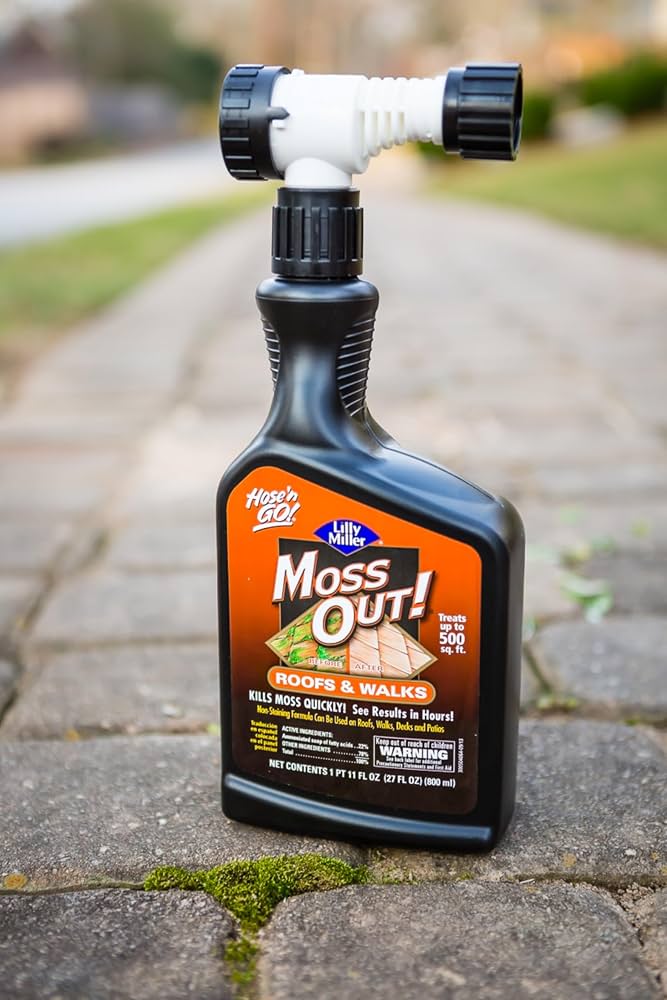
    Lilly Miller Moss Out For Roofs And Walks Concentrate 27Oz

    Step-by-Step Guide: How to Apply Correctly

    Proper application is critical to achieving the best results. Incorrect mixing or application can lead to ineffective cleaning or potential damage to surrounding plants. Follow these detailed steps to ensure success.

    Step 1: Preparation and Safety

    Safety should always be your top priority. Wear protective gear, including:

    • Rubber gloves
    • Safety goggles
    • Long-sleeved clothing
    • Non-slip shoes if working on walks

    Ensure the weather forecast predicts dry conditions for at least 24 hours after application. Rain will wash away the concentrate before it has time to work.

    Step 2: Mixing the Solution

    For the Lilly Miller Moss Out For Roofs And Walks Concentrate 27Oz, the standard mixing ratio is typically 1 part concentrate to 4 parts water for moderate growth. However, always check the specific label instructions as formulations can update.

    1. Fill a garden sprayer with 1 gallon of water.
    2. Add the recommended amount of concentrate (usually around 6-8 ounces per gallon for heavy moss).
    3. Shake or stir gently to mix. Do not use metal containers as the chemicals may react.

    Step 3: Application Technique

    Start from the bottom of the roof or walkway and work your way up. This prevents streaking and ensures even coverage.

    • For Roofs: Spray evenly until the surface is wet but not dripping excessively. Pay special attention to shaded areas where moss thrives.
    • For Walks: Apply directly to the stained areas. For porous concrete, you may need to saturate the surface slightly more.

    Step 4: Waiting Period

    Allow the solution to sit for 24 to 48 hours. You will notice the moss turning brown or yellow, indicating it is dying. Do not rinse immediately. The drying process is part of the killing mechanism.

    Step 5: Rinsing and Cleanup

    After the waiting period, rinse the area with a garden hose. Use low pressure to avoid damaging shingles. The dead moss should wash away easily. If some residues remain, a soft-bristle brush can be used gently, but often the rain or hose rinse is sufficient.

    Common Mistakes to Avoid

    Even with a high-quality product like Lilly Miller Moss Out For Roofs And Walks Concentrate 27Oz, user error can hinder results. Here are the most common pitfalls:

    1. Applying in Direct Sunlight: Extreme heat can cause the solution to evaporate too quickly, reducing its effectiveness. Apply in the early morning or late afternoon.
    2. Ignoring Surrounding Plants: While the product is designed for hardscapes, it can harm delicate garden plants. Wet down nearby grass and shrubs with plain water before application to create a barrier, and rinse them thoroughly afterward.
    3. Using Too Little Product: Skimping on the concentrate to save money often leads to incomplete kills, requiring re-application sooner. Stick to the recommended ratios.
    4. Neglecting Gutters: Moss often starts in gutters. Ensure you apply the solution there as well to prevent blockages and water backup.

    Frequently Asked Questions (FAQ)

    1. How long does it take for the moss to die?

    You will typically see color changes within 24 to 48 hours. Complete drying and detachment of the moss may take up to two weeks, depending on the thickness of the growth and weather conditions.

    2. Is Lilly Miller Moss Out safe for pets?

    Once the product has dried completely, it is generally safe for pets. However, keep dogs and cats away from the treated area during the application and the initial 24-hour drying period. Always rinse the area thoroughly before allowing pets back onto walks or roofs.

    3. Can I use this on my wooden deck?

    Yes, Lilly Miller Moss Out For Roofs And Walks Concentrate 27Oz is safe for wood decks. However, test a small, inconspicuous area first to ensure it does not discolor any specific stain or finish you may have applied.

    4. How often should I apply this product?

    For preventative maintenance, applying once a year is usually sufficient. In areas with high humidity or heavy shade, you may need to apply it every six months. Regular inspection of your roof and walks will help determine the optimal frequency.

    5. What if it rains shortly after application?

    If it rains within 24 hours of application, the effectiveness may be reduced. You may need to reapply the product once the surface has dried completely. Check the weather forecast carefully before starting your project.

    6. Does this product remove black streaks caused by algae?

    Yes, the formula is effective against Gloeocapsa magma, the blue-green algae responsible for black streaks on roofs. It may take slightly longer to fade completely compared to green moss, but the results are typically visible within a few weeks.

    Conclusion

    Maintaining a clean and moss-free home exterior is not just about curb appeal; it is about protecting your investment. Lilly Miller Moss Out For Roofs And Walks Concentrate 27Oz offers a reliable, efficient, and user-friendly solution to combat organic growth. By following the proper application steps and safety guidelines, you can restore the beauty of your roof and walkways without the hassle of intense physical labor or expensive professional services.

    Remember, consistency is key. Regular inspections and timely applications will keep your home looking pristine for years to come. If you found this guide helpful, please share it with your friends and neighbors on social media. Helping others maintain their homes creates a safer and more beautiful community for everyone.

    Disclaimer: Always read and follow the manufacturer’s label instructions carefully. This article is for informational purposes and does not replace professional advice for severe structural issues.
  • How to Get Rid of Moss on Your Roof Fast

    How to Get Rid of Moss on Your Roof Fast

    Seeing green patches creeping up your shingles can be unsettling. It’s not just an aesthetic issue; moss retains moisture, which can degrade roofing materials and lead to costly leaks over time. If you are asking yourself, “How can I get rid of moss on my roof,“ you are not alone. Many homeowners in humid climates face this challenge every year. The good news is that with the right approach, you can safely remove moss and prevent it from returning, extending the life of your roof significantly.

    Why Is Moss Bad for Your Roof?

    Before diving into removal techniques, it is crucial to understand why moss is more than just a nuisance. Unlike algae, which merely discolors shingles, moss has root-like structures called rhizoids. These penetrate the surface of asphalt shingles, wood shakes, and even tile grout.

    According to roofing experts, moss acts like a sponge. It holds water against the roof surface long after rain has stopped. This constant moisture accelerates the breakdown of asphalt granules and can cause wood to rot. In colder climates, trapped moisture freezes and expands, leading to cracks in tiles or shingles. Addressing this early is key to avoiding premature roof replacement.

    Safety First: Preparing for Roof Work

    Removing moss involves working at heights and handling cleaning solutions. Safety must be your top priority.

    • Use Proper Gear: Wear rubber-soled shoes for better traction. Use a sturdy extension ladder with stabilizers.
    • Check the Weather: Never clean your roof when it is wet, windy, or icy. Dry, overcast days are ideal.
    • Protect Yourself: Use safety harnesses if your roof has a steep pitch (greater than 6/12). Wear eye protection and gloves when handling cleaning chemicals.
    • Protect Your Landscape: Cover plants below the work area with plastic sheeting to shield them from runoff and debris.

    Method 1: The Manual Removal Technique

    For light to moderate moss growth, manual removal is often the safest and most effective first step. This method avoids the potential damage caused by high-pressure washing.

    Step-by-Step Guide:

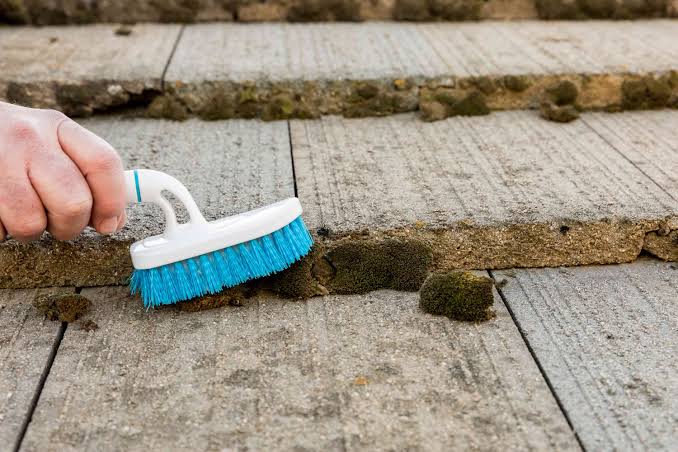
    1. Dry Brushing: Wait for a dry day. Use a soft-bristled broom or a specialized roof brush. Gently sweep the moss off the shingles. Always sweep downward, following the direction of the water flow. Sweeping upward can lift shingle edges and break the seal.
    2. Collect Debris: As you sweep, have a helper catch the falling moss in a tarp or bucket. Do not let it accumulate in your gutters.
    3. Inspect for Damage: Once the moss is removed, inspect the shingles for any lifted tabs or missing granules. Repair any minor issues immediately.

    Pro Tip: Avoid using metal scrapers or wire brushes. These can easily gouge asphalt shingles and strip away the protective UV layer.

    Method 2: Chemical Treatment with Zinc Sulfate

    If manual removal isn’t enough, or if you want to kill the moss at the root, chemical treatments are highly effective. Zinc sulfate is a common ingredient in commercial moss killers because it is toxic to moss but relatively safe for surrounding plants when used correctly.

    How to Apply:

    1. Mix the Solution: Follow the manufacturer’s instructions. A typical ratio is 1 pound of zinc sulfate powder per 5 gallons of water.
    2. Apply Evenly: Use a garden sprayer to apply the solution evenly over the mossy areas. Start from the ridge and work your way down.
    3. Let It Sit: Allow the solution to sit for 20–30 minutes. You will notice the moss turning brown or yellow as it dies.
    4. Rinse Gently: After the moss has died, gently rinse the area with low-pressure water from a garden hose. Do not use a pressure washer, as the force can damage shingles.

    For a comprehensive understanding of how different chemical compounds affect biological growth, you can refer to general scientific principles on biocides and their environmental impact.

    Method 3: Natural and Eco-Friendly Alternatives

    If you are concerned about chemical runoff, there are natural alternatives. While they may take longer to work, they are safer for pets, children, and local ecosystems.

    Oxygenated Bleach (Sodium Percarbonate)

    Unlike chlorine bleach, oxygenated bleach breaks down into water and oxygen. It is effective at killing moss and algae without harming plants.

    • Recipe: Mix 1 cup of oxygenated bleach powder with 1 gallon of warm water.
    • Application: Spray onto the moss, let it sit for 15–20 minutes, then scrub gently and rinse.

    Vinegar Solution

    White distilled vinegar is acidic and can kill moss. However, it is less effective on thick layers and may require repeated applications.

    • Recipe: Mix equal parts white vinegar and water.
    • Application: Spray directly on moss patches. Reapply every few weeks until the moss dies.
    How Can I Get Rid Of Moss On My Roof

    Comparison: Manual vs. Chemical vs. Professional

    FeatureManual RemovalChemical TreatmentProfessional Service
    CostLow ($0–$50)Medium ($50–$150)High ($300–$800+)
    EffortHighMediumLow
    EffectivenessGood for surface mossExcellent for deep rootsBest overall results
    Risk of DamageLow (if done carefully)Low (if rinsed properly)Very Low
    Time RequiredSeveral hours1–2 hours + wait time2–4 hours

    Preventing Moss from Returning

    Removing moss is only half the battle. Prevention is key to keeping your roof clean and durable.

    Install Zinc or Copper Strips

    One of the most effective long-term solutions is installing metal strips near the roof ridge. When it rains, tiny particles of zinc or copper wash down the roof, creating an environment where moss cannot grow.

    • Zinc Strips: Affordable and effective. Last 5–10 years.
    • Copper Strips: More expensive but last decades. Also adds a premium aesthetic.

    Trim Overhanging Branches

    Moss thrives in shade and dampness. Trees that hang over your roof block sunlight and drop leaves, which retain moisture. Trim branches back at least 6 feet from the roof edge to increase sun exposure and airflow.

    Clean Gutters Regularly

    Clogged gutters cause water to back up under shingles, creating a moist environment perfect for moss. Clean your gutters at least twice a year, especially in fall and spring.

    FAQ Section

    Q1: Can I use a pressure washer to remove moss?

    A: It is generally not recommended. High-pressure water can force water under shingles, break seals, and strip away protective granules. If you must use pressure, keep it below 1,200 PSI and use a wide-angle nozzle, but manual or chemical methods are safer.

    Q2: How often should I check my roof for moss?

    A: Inspect your roof at least twice a year, ideally in spring and fall. Early detection makes removal much easier and cheaper.

    Q3: Is moss removal covered by homeowners insurance?

    A: Typically, no. Insurance considers moss growth a maintenance issue rather than sudden accidental damage. However, if moss causes a leak that leads to interior damage, that secondary damage might be covered. Check your specific policy.

    Q4: Can I walk on my roof to clean it?

    A: Only if it is safe to do so. Asphalt shingles can be slippery, especially when wet or covered in moss. If your roof is steep or high, hire a professional. Always prioritize safety over cost savings.

    Q5: What is the best time of year to remove moss?

    A: Late spring or early fall is ideal. The weather is mild, and the roof is dry. Avoid winter due to ice risks and summer due to extreme heat, which can make shingles brittle.

    Q6: Will bleach kill moss permanently?

    A: Chlorine bleach can kill existing moss, but it does not prevent regrowth. Additionally, it can harm plants and corrode metal fixtures. Zinc sulfate or oxygenated bleach are better long-term options.

    Conclusion

    Learning how can I get rid of moss on my roof is an essential skill for any homeowner. Whether you choose manual removal, chemical treatments, or natural alternatives, the key is consistency and safety. By removing existing moss and implementing preventive measures like zinc strips and tree trimming, you can protect your investment and keep your home looking its best.

    Don’t wait until small patches become major problems. Take action today to ensure your roof remains durable and efficient. If you found this guide helpful, please share it with your friends and neighbors on social media. Together, we can keep our communities safe and beautiful!

  • How Do I Get Rid Of Moss On My Roof?

    How Do I Get Rid Of Moss On My Roof?

    Have you noticed unsightly green patches creeping up your shingles? You are not alone; many homeowners struggle with this issue and often ask, “How do I get rid of moss on my roof” before it causes structural damage. In this guide, we will walk you through safe, proven methods to restore your roof’s health without compromising its integrity.

    Why Is Moss Dangerous for Your Roof?

    Before diving into removal techniques, it is crucial to understand why moss is more than just an aesthetic nuisance. Moss acts like a sponge, retaining moisture against your roofing materials long after the rain has stopped. This constant dampness can lead to rot in wooden underlayment, corrosion of metal flashings, and the lifting of shingles, which creates entry points for water leaks.

    According to industry experts, ignoring moss growth can reduce the lifespan of your asphalt shingles by up to 50%. The roots of moss (rhizoids) can penetrate tiny cracks in shingles, widening them over time. By addressing this early, you save thousands in potential repair costs.

    What Causes Moss to Grow on Roofs?

    Understanding the root cause helps prevent future outbreaks. Moss thrives in specific conditions:

    • Shade: Trees or nearby buildings that block sunlight create a cool, damp environment ideal for moss.
    • Moisture: High humidity, frequent rain, or poor drainage contributes to growth.
    • Debris: Leaves and twigs trap moisture and provide organic material for moss to feed on.
    • Climate: Regions with mild, wet winters and cool summers see the most moss activity.

    If your roof faces north or is surrounded by tall trees, you are at higher risk. Regular maintenance is key to breaking this cycle.

    Step-by-Step Guide: How to Remove Moss Safely

    Removing moss requires patience and the right approach. Aggressive scraping or high-pressure washing can damage shingles and void warranties. Follow these steps for a safe cleanup.

    Step 1: Safety First

    Never attempt roof work alone or in wet/windy conditions. Use a sturdy extension ladder with stabilizers. Wear rubber-soled shoes for grip and safety goggles to protect your eyes from debris and cleaning solutions. If your roof is steep (greater than 6/12 pitch), consider hiring a professional.

    Step 2: Dry Brushing

    Start by gently removing loose moss and debris. Use a soft-bristle broom or a leaf blower on a low setting.

    • Do: Sweep downwards from the ridge to the eaves to avoid lifting shingles.
    • Don’t: Use a wire brush or pressure washer, as these can strip the protective granules off asphalt shingles.

    Step 3: Apply a Moss-Killing Solution

    For effective removal, you need a solution that kills the moss at the root. You can use a commercial moss killer or a DIY mixture.

    DIY Recipe:

    • Mix 1 cup of oxygen bleach (sodium percarbonate) with 1 gallon of warm water.
    • Note: Avoid chlorine bleach if possible, as it can harm surrounding plants and corrode metal fixtures. Oxygen bleach is safer and environmentally friendly.

    Apply the solution using a garden sprayer. Ensure thorough coverage but avoid runoff into gutters where possible. Let it sit for 15–20 minutes. Do not let it dry completely before rinsing.

    Step 4: Gentle Rinsing

    Rinse the roof with a garden hose using a gentle spray nozzle. Start from the top and work your way down. This ensures that any remaining moss spores are washed away without forcing water under the shingles.

    Step 5: Clean Gutters

    Moss debris often clogs gutters. After cleaning the roof, remove all debris from your gutters and downspouts to ensure proper water drainage. Clogged gutters can cause water to back up under the shingles, leading to ice dams in winter.

    How Do I Get Rid Of Moss On My Roof

    Chemical vs. Natural Remedies: Which Is Better?

    Choosing the right treatment depends on your environmental concerns and the severity of the infestation. Here is a comparison to help you decide.

    FeatureChemical Moss KillersNatural Remedies (Vinegar/Oxygen Bleach)
    EffectivenessHigh; fast-actingModerate; may require repeated applications
    Cost$20–$50 per bottle$5–$15 for ingredients
    Environmental ImpactCan harm plants/pets if misusedBiodegradable and safer for gardens
    LongevityLasts 6–12 monthsLasts 3–6 months
    Ease of UseReady-to-use sprays availableRequires mixing and preparation

    For most homeowners, oxygen bleach offers the best balance of effectiveness and safety. It kills moss without the harsh fumes of chlorine or the potential plant damage of strong acids.

    How to Prevent Moss from Returning

    Prevention is always cheaper than cure. Once your roof is clean, take these steps to keep moss at bay.

    Install Zinc or Copper Strips

    One of the most effective long-term solutions is installing metal strips near the roof ridge. When it rains, tiny particles of zinc or copper wash down the roof, creating an environment that inhibits moss and algae growth. These strips can last for decades and require zero maintenance.

    Trim Overhanging Branches

    Sunlight is moss’s enemy. Trim tree branches that shade your roof to allow more UV exposure and improve air circulation. This also reduces the amount of leaf litter that accumulates on your shingles.

    Improve Roof Ventilation

    Poor attic ventilation can lead to excess heat and moisture buildup, which encourages moss growth. Ensure your attic has adequate soffit and ridge vents to keep the roof deck dry and cool.

    Regular Inspections

    Schedule bi-annual inspections, ideally in spring and fall. Look for early signs of moss, damaged shingles, or clogged gutters. Early detection makes removal much easier.

    When to Call a Professional

    While DIY methods work for mild cases, some situations require expert intervention:

    • Extensive Growth: If moss covers more than 30% of your roof.
    • Structural Damage: If you notice sagging, missing shingles, or leaks.
    • Steep Roofs: If your roof pitch is too dangerous for safe DIY access.
    • Warranty Concerns: Some roofing manufacturers require professional cleaning to maintain warranty validity.

    Professional roof cleaners use specialized equipment and eco-friendly chemicals that are more potent than store-bought options. They also carry insurance, protecting you from liability in case of accidents.

    Frequently Asked Questions (FAQ)

    1. Can I use a pressure washer to remove moss?

    No, it is generally not recommended. High-pressure water can force water under shingles, damage the sealant strips, and strip away protective granules. This can lead to premature roof failure and void your warranty. Stick to low-pressure rinsing with a garden hose.

    2. Will vinegar kill moss on my roof?

    Yes, white vinegar (acetic acid) can kill moss due to its acidity. However, it may also harm surrounding plants and grass if it runs off the roof. If you use vinegar, dilute it with water (1:1 ratio) and rinse nearby plants thoroughly afterward. It is less effective than oxygen bleach for heavy infestations.

    3. How often should I clean my roof?

    For most homes, cleaning every 2–3 years is sufficient. However, if you live in a shady, damp area or have many overhanging trees, annual inspections and light cleaning may be necessary. Preventive measures like zinc strips can extend this interval significantly.

    4. Is moss removal covered by homeowners insurance?

    Typically, no. Homeowners insurance covers sudden and accidental damage, not gradual wear and tear or maintenance issues. Moss growth is considered a maintenance problem. However, if moss causes a leak that leads to significant interior damage, that secondary damage might be covered. Check your policy for specifics.

    5. What is the best time of year to remove moss?

    The best time is during dry, mild weather, typically in late spring or early fall. Avoid cleaning in extreme heat, as solutions can evaporate too quickly, or in freezing temperatures, which can make surfaces slippery and dangerous. Dry conditions allow the cleaning solution to work effectively without being washed away by rain.

    6. Can I walk on my roof to clean it?

    Walking on your roof can damage shingles, especially if they are old or brittle. If you must walk on it, step on the lower part of the shingle where it is nailed down, not on the exposed edge. Always use proper safety gear. If you are unsure, hire a professional to avoid injury and roof damage.

    Conclusion

    Knowing how do I get rid of moss on my roof is essential for maintaining your home’s value and structural integrity. By using safe cleaning methods like oxygen bleach, installing preventive zinc strips, and keeping your roof free of debris, you can enjoy a moss-free roof for years to come. Remember, regular maintenance is far less costly than major repairs.

    If you found this guide helpful, please share it with friends and neighbors who might be battling the same green invaders. A clean roof is a happy roof! For more detailed information on roofing materials and their care, you can refer to authoritative resources like Wikipedia’s page on Roofing.