Are you staring at your aging shingles and wondering if switching to metal is worth the investment? You are not alone; many homeowners struggle to pin down accurate numbers because prices fluctuate based on materials and labor. Understanding how much does a metal roof cost per sq ft is the first step toward making a smart, long-term financial decision for your home.
Breaking Down the Average Cost Per Square Foot
When planning a roofing project, clarity is key. In 2026, the national average for installing a metal roof typically ranges between $9 and $14 per square foot for standard residential projects. However, this number is not static. It acts more like a baseline that shifts depending on several critical variables.
For a basic corrugated steel panel installation, you might find prices dipping as low as $7 per square foot. Conversely, high-end standing seam copper roofs can soar past $25 per square foot.
It is crucial to distinguish between “material cost” and “installed cost.” While the metal panels themselves might only cost $3–$5 per square foot, the labor, underlayment, flashings, and removal of the old roof significantly impact the final bill. Most contractors quote by the “square,” which equals 100 square feet. Therefore, a 2,000-square-foot roof is actually 20 squares. Keeping this unit conversion in mind will help you avoid confusion when comparing bids.
What Factors Influence Metal Roofing Prices?
Why does one neighbor pay $10,000 while another pays $25,000 for a similar-sized home? The disparity usually comes down to four main factors.
1. Material Type
Not all metal is created equal. The type of metal you choose is the single biggest driver of cost.
- Galvanized Steel: The most affordable option. It is durable but requires a protective coating to prevent rust.
- Aluminum: Ideal for coastal areas due to its natural resistance to salt corrosion. It is moderately priced.
- Zinc: A premium material that self-heals minor scratches over time. It is expensive but lasts incredibly long.
- Copper: The luxury choice. It develops a beautiful patina but comes with a hefty price tag.
2. Roof Complexity
A simple gable roof is cheap to cover. A roof with multiple valleys, dormers, chimneys, and steep pitches requires more labor, more waste (cutting scraps), and specialized safety equipment. Expect to pay a premium for complex architectural designs.
3. Geographic Location
Labor rates vary wildly across the United States. Installing a roof in rural Midwest may cost significantly less than in urban centers like New York or San Francisco due to higher overhead and union labor standards. Additionally, local building codes regarding wind uplift or snow loads may require heavier-gauge metal or additional fasteners, increasing material costs.
4. Removal of Old Roofing
If your contractor needs to tear off two layers of old asphalt shingles before installing the metal, you will incur disposal fees and extra labor hours. Some metal roofs can be installed over existing shingles, which saves money, but this depends on local codes and the condition of the current deck.
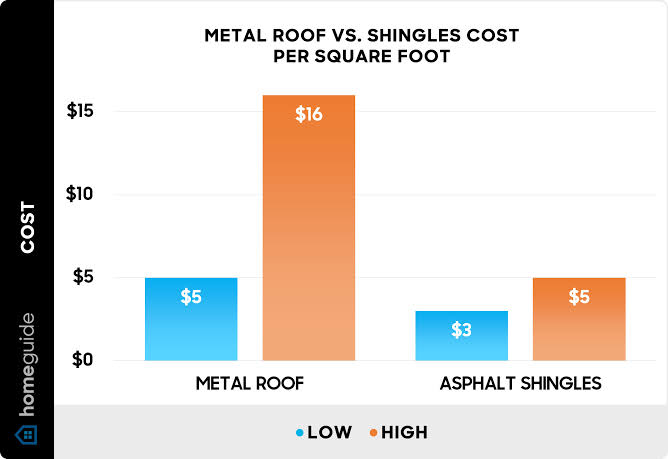
Material Comparison: Steel vs. Aluminum vs. Copper
To help you visualize the differences, here is a breakdown of common materials. This table assumes professional installation including labor and materials.
| Material | Avg. Cost Per Sq. Ft. | Lifespan | Best For |
|---|---|---|---|
| Corrugated Steel | $7 – $10 | 30–45 Years | Budget-conscious homeowners, barns, sheds |
| Standing Seam Steel | $10 – $14 | 40–60 Years | Modern homes, snowy climates |
| Aluminum | $12 – $18 | 40–50 Years | Coastal regions, humid areas |
| Zinc | $18 – $22 | 60–80 Years | Historic restorations, eco-friendly builds |
| Copper | $22 – $30+ | 70–100+ Years | Luxury estates, architectural landmarks |
Note: Prices are estimates for 2026 and may vary by region.
Hidden Costs You Might Overlook
When asking how much does a metal roof cost per sq ft, many homeowners forget the ancillary expenses. These “hidden” costs can add 10–15% to your total budget if not planned for.
- Underlayment: High-quality synthetic underlayment is essential for moisture protection. Do not skimp here.
- Trim and Flashings: The edges, ridges, and penetrations (like vent pipes) require custom flashing. Poor flashing is the leading cause of leaks, so ensure your quote includes premium trim work.
- Insulation Upgrades: Metal roofs conduct heat differently than asphalt. You may need to upgrade your attic insulation to maintain energy efficiency.
- Permits: Local municipalities often charge permit fees based on the project’s valuation.
For a deeper understanding of metal properties and their industrial applications, you can refer to general metallurgical data on Wikipedia. While this source is technical, it highlights why certain alloys are chosen for durability in construction.
Is a Metal Roof Worth the Investment?
The upfront cost is higher than asphalt shingles, which typically cost $3–$5 per square foot installed. However, the long-term value proposition of metal is compelling.
Longevity and Durability
A quality metal roof lasts two to three times longer than asphalt. While you might replace shingles every 15–20 years, a metal roof can last 50 years or more. This means you avoid the hassle and cost of two full roof replacements during the lifespan of one metal roof.
Energy Efficiency
Metal roofs reflect solar radiant heat, which can reduce cooling costs by 10–25%. Many modern metal roofs come with cool-roof pigments that meet Energy Star standards. In hot US states like Texas or Florida, this energy savings can partially offset the higher initial installation cost over time.
Resale Value
According to various real estate studies, a metal roof can increase your home’s resale value. Buyers appreciate the low maintenance and durability. It is often seen as a premium upgrade, similar to a renovated kitchen or new hardwood floors.
How to Get Accurate Quotes
Do not rely on online calculators alone. They provide estimates, not facts. To get a true sense of how much does a metal roof cost per sq ft for your specific home, follow these steps:
- Measure Your Roof: Use satellite imagery tools or hire a measurer to get the exact square footage. Include waste factor (usually 10–15%).
- Get Three Bids: Contact licensed, insured local contractors. Ensure they specialize in metal, not just general roofing.
- Check References: Ask for photos of previous jobs and speak to past clients about their experience.
- Review the Warranty: Look for both a manufacturer’s warranty on the paint/finish and a workmanship warranty from the installer. A 20-year paint warranty is standard for good quality steel.
FAQ Section
Q: Can I install a metal roof over my existing shingles?
A: Yes, in many cases, you can. This is called a “retrofit” installation. It saves on disposal costs and labor. However, you must ensure the existing roof deck is solid and free of rot. Local building codes may limit the number of layers allowed, so always check with your contractor first.
Q: Does metal roofing make noise when it rains?
A: This is a common myth. When installed correctly with solid sheathing and proper underlayment, a metal roof is no louder than an asphalt shingle roof during rain. In fact, many homeowners find the sound soothing. The noise issue primarily occurs in barns or structures without insulation or ceiling drywall.
Q: How often do I need to maintain a metal roof?
A: Metal roofs are very low maintenance. You should inspect them annually for loose fasteners or debris accumulation in valleys. Cleaning gutters and rinsing the roof with water to remove pollen or dirt every few years is usually sufficient. Avoid pressure washing, which can damage the protective coating.
Q: Will a metal roof affect my home insurance premiums?
A: Often, yes, in a good way. Many insurance companies offer discounts (typically 5–15%) for metal roofs because they are fire-resistant and withstand high winds better than asphalt. Check with your provider for specific discounts available in your area.
Q: What is the difference between exposed fastener and hidden fastener systems?
A: Exposed fastener systems (like corrugated panels) have screws visible on the surface. They are cheaper but require periodic checking as screws can loosen or seals can degrade. Hidden fastener systems (like standing seam) conceal the clips under the panels. They are more expensive, look cleaner, and generally last longer with less maintenance.
Conclusion
Deciding on a new roof is a major financial commitment. By now, you should have a clearer picture of how much does a metal roof cost per sq ft and what drives those prices. While the initial investment is higher than traditional shingles, the durability, energy savings, and aesthetic appeal offer significant long-term benefits.
Remember, the cheapest bid is not always the best. Prioritize quality installation and reputable materials to ensure your roof protects your home for decades. If you found this guide helpful, please share it with friends or family who are considering a home upgrade. Your network might thank you for saving them from costly roofing mistakes!
Leave a Reply