Storms are unpredictable, and discovering damage to your roof can be an immediate source of stress and anxiety for any homeowner. You want the problem fixed quickly, but you also want to ensure you aren’t paying out of pocket for something your policy should cover. This dilemma often leads to the critical question: Do I contact insurance first or contact a roofing company? Getting this order wrong can lead to claim denials, delayed repairs, or unnecessary out-of-pocket expenses. In this guide, we will walk you through the optimal strategy to protect your home and your wallet.
Why the Order of Operations Matters
Many homeowners assume that calling their insurance provider is the automatic first step. While communication with your insurer is vital, contacting them before having a professional assessment can sometimes put you at a disadvantage. Insurance adjusters are trained to minimize payouts, while roofing contractors are trained to identify all visible and hidden damage.
If you call your insurance company first without a professional opinion, you might inadvertently describe the damage incorrectly or miss critical details that justify a full replacement rather than a minor repair. Conversely, if you hire a roofer before notifying your insurer, you risk starting work that hasn’t been approved, potentially voiding coverage.
The goal is to strike a balance: gather evidence, understand the scope, and then navigate the claims process with confidence.
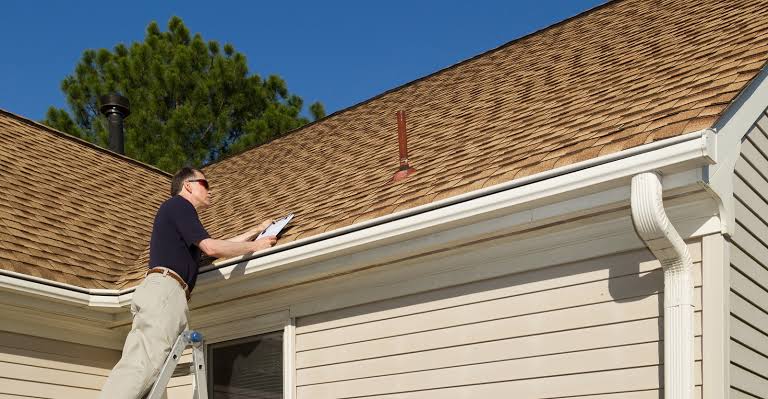
Step 1: Ensure Safety and Document the Damage
Before making any calls, your priority is safety. If there is active leaking, place buckets under the drips and move valuables away from water damage. Do not climb onto the roof yourself, especially if it is wet or steep.
Once safe, document everything from the ground. Use your smartphone to take high-resolution photos and videos of:
- Missing or curled shingles.
- Dents in gutters or downspouts.
- Granule accumulation in gutters (a sign of hail damage).
- Interior water stains on ceilings or walls.
This documentation serves as your initial evidence. It prevents the “he-said-she-said” scenario later in the claims process. According to the Insurance Information Institute, maintaining a detailed home inventory and photographic evidence significantly speeds up the claims process and reduces disputes.
Step 2: Contact a Reputable Roofing Company for an Inspection
Here is where the answer to “Do I contact insurance first or contact a roofing company” becomes clear: Contact a roofing company first for a free inspection.
A licensed roofing contractor can provide an unbiased assessment of the damage. They will determine if the damage is cosmetic, repairable, or severe enough to warrant a full replacement. More importantly, they can tell you if the damage is likely covered by insurance (e.g., storm/hail/wind) or if it is due to wear and tear (which is typically not covered).
What to Look for in a Roofer
- Local Reputation: Choose a company with strong local reviews. Avoid “storm chasers” who appear only after disasters.
- Licensing and Insurance: Ensure they are fully licensed and carry liability insurance.
- Experience with Claims: Ask if they have experience working with insurance adjusters. A roofer who understands the language of insurance policies can be invaluable.
During the inspection, ask the roofer to provide a detailed written estimate. This document should break down labor, materials, and code upgrades. This estimate is not a commitment to hire them yet; it is a tool for your insurance negotiation.
Step 3: File Your Insurance Claim
Armed with the roofer’s inspection report and your own photos, now is the time to contact your insurance company. When you file the claim, be factual and concise. State that you suspect storm damage and have had a preliminary inspection by a professional.
Provide the date of the loss and a brief description. Do not speculate on the cost or the extent of the damage beyond what you know. Let the adjuster do their job, but be prepared to advocate for yourself using the data provided by your roofer.
Understanding the Deductible
Remember, you will be responsible for your deductible. If the repair cost is close to or less than your deductible, it may not make financial sense to file a claim. Your roofer can help you run these numbers. Filing small claims can also lead to higher premiums or even non-renewal of your policy, so use this step wisely.
Comparison: DIY Assessment vs. Professional Inspection
To help you understand why skipping the professional inspection is risky, consider this comparison:
| Feature | DIY/Homeowner Assessment | Professional Roofer Inspection |
|---|---|---|
| Accuracy | Low. Misses hidden structural issues. | High. Identifies underlying deck damage. |
| Insurance Knowledge | None. May misclassify damage type. | High. Knows what insurers look for. |
| Cost Estimate | Guesswork. Often inaccurate. | Detailed line-item estimate. |
| Negotiation Power | Weak. Easy for adjusters to lowball. | Strong. Contractor can meet adjuster. |
| Safety Risk | High. Climbing ladders is dangerous. | Zero. Professionals have safety gear. |
Step 4: The Adjuster’s Visit and Negotiation
After you file the claim, the insurance company will send an adjuster to inspect the property. It is highly recommended that your roofing contractor be present during this inspection.
Why? Because adjusters are generalists, while roofers are specialists. An adjuster might see a few missing shingles and approve a repair. However, your roofer might point out that the hail impact has compromised the seal strips on the entire roof, necessitating a replacement to prevent future leaks.
Having your contractor present allows for real-time discussion. They can point out specific damage codes and explain the technical necessity of certain repairs. This collaborative approach often results in a more accurate settlement offer.
Common Mistakes to Avoid
- Signing Over Benefits: Never sign a “Direction to Pay” or assignment of benefits form until you have read it carefully and trust the contractor implicitly. Some unscrupulous companies use these to take control of your claim entirely.
- Waiting Too Long: Most insurance policies have a statute of limitations for filing claims, often ranging from one to two years. However, delaying can allow water damage to worsen, leading to mold or structural rot, which insurers may argue was caused by negligence.
- Accepting the First Offer Blindly: The initial check from the insurance company is often for the “Actual Cash Value” (ACV), which includes depreciation. You are usually entitled to the “Replacement Cost Value” (RCV) once the work is completed. Understand the difference between these two terms.
FAQ Section
Q1: Can I choose my own roofing company, or does insurance assign one?
You have the right to choose your own roofing contractor. Insurance companies may recommend vendors from their network, but you are not obligated to use them. Choosing your own trusted local roofer often ensures better quality control and advocacy during the claims process.
Q2: Will filing a roof claim increase my insurance premium?
It depends on your carrier and state regulations. Generally, if the damage was caused by a natural disaster (like a hurricane or hail storm) that affected many homes in your area, your premium may not increase. However, frequent claims or claims for preventable maintenance issues can lead to higher rates or non-renewal. Always ask your agent about the potential impact before filing.
Q3: What if the insurance adjuster denies my claim?
If your claim is denied, do not panic. Request a detailed explanation in writing. Often, denials happen because the adjuster attributed the damage to “wear and tear” rather than a specific storm event. You can appeal the decision by providing additional evidence, such as dated weather reports from the National Weather Service and a second opinion from your roofing contractor.
Q4: How long does the roof insurance claim process take?
The timeline varies based on the severity of the storm and the volume of claims in your area. Typically, it takes 1–2 weeks for an adjuster to visit, and another 1–2 weeks for the final settlement approval. Once approved, roofing repairs can take anywhere from a few days to several weeks depending on material availability.
Q5: Should I pay the roofer upfront?
Reputable roofing companies typically do not require full payment upfront. A common structure is a deposit for materials (often equal to your deductible or a percentage of the total) upon signing the contract, with the remainder paid upon completion and final inspection. Be wary of contractors demanding 100% payment before starting work.
Conclusion
Navigating roof damage is stressful, but knowing the correct sequence of actions empowers you. To answer the question, “Do I contact insurance first or contact a roofing company,” the best practice is to contact a reputable roofing company for an inspection first, then file your insurance claim with their professional estimate in hand.
This approach ensures you have accurate data, professional advocacy during the adjuster’s visit, and a clearer understanding of your financial responsibility. By following these steps, you protect your home’s integrity and ensure a fair settlement.
If you found this guide helpful, please share it with your neighbors or on social media. Storms don’t discriminate, and sharing knowledge helps our entire community recover faster and smarter.
Leave a Reply