Have you noticed a few missing shingles after the last storm, or perhaps your energy bills are creeping up due to poor insulation? It is a stressful realization, but knowing how much should a new roof cost per square foot is the first step toward regaining peace of mind and protecting your biggest investment. In this guide, we will break down the numbers clearly so you can plan your budget with confidence.
Understanding the Basics: What Does “Per Square Foot” Really Mean?
Before we dive into the dollar signs, it is crucial to clarify a common industry misconception. When contractors talk about roofing costs, they often use the term “square,” which equals 100 square feet. However, most homeowners think in terms of actual square footage.
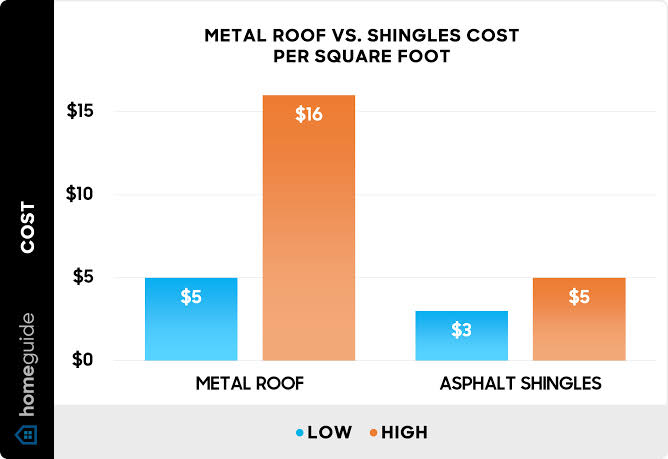
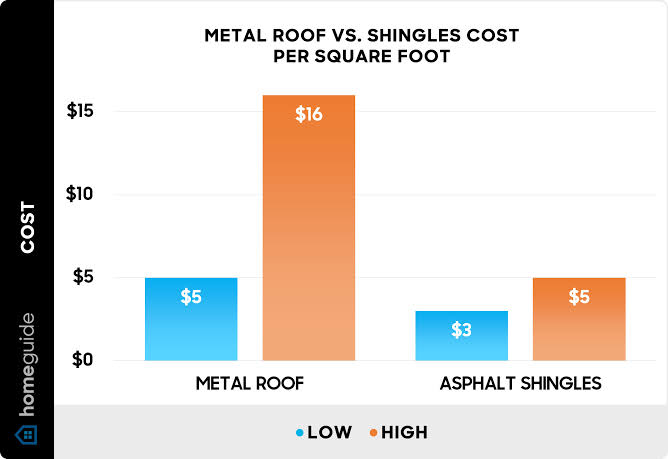
For the purpose of this guide, we will stick to the cost per single square foot to make comparisons easier for you. The national average for a new roof in 2026 typically ranges between $4.50 and $9.00 per square foot, depending heavily on materials and location. This price includes both labor and materials.
Why such a wide range? A basic asphalt shingle roof will sit at the lower end, while premium slate or copper roofing will push toward the higher end. Understanding this baseline helps you spot quotes that are either too good to be true or unnecessarily inflated.
How Material Choice Impacts Your Bottom Line
The single biggest factor influencing your final bill is the material you choose. Each option offers different benefits regarding longevity, aesthetics, and energy efficiency.
Asphalt Shingles: The Budget-Friendly Standard
Asphalt shingles remain the most popular choice in the United States, covering over 80% of homes. They are affordable, easy to install, and widely available.
- Cost: $4.50 – $6.50 per sq. ft.
- Lifespan: 15–30 years.
- Best For: Homeowners looking for a balance of cost and reliability.
Metal Roofing: The Long-Term Investment
Metal roofs are gaining massive popularity due to their durability and eco-friendly nature. While the upfront cost is higher, the lifespan often exceeds 50 years.
- Cost: $7.00 – $12.00 per sq. ft.
- Lifespan: 40–70 years.
- Best For: Those planning to stay in their home long-term or living in areas prone to severe weather.
Tile and Slate: The Premium Aesthetic
If you own a historic home or want a distinct Mediterranean look, clay tile or natural slate is the way to go. These materials are heavy and require reinforced roof structures.
- Cost: $10.00 – $20.00+ per sq. ft.
- Lifespan: 50–100+ years.
- Best For: High-end properties where curb appeal is paramount.
| Material | Avg. Cost Per Sq. Ft. | Lifespan | Maintenance Level |
|---|---|---|---|
| Asphalt Shingles | $4.50 – $6.50 | 15-30 Years | Low |
| Metal (Steel/Aluminum) | $7.00 – $12.00 | 40-70 Years | Very Low |
| Clay/Concrete Tile | $10.00 – $18.00 | 50+ Years | Medium |
| Natural Slate | $15.00 – $25.00 | 75-100+ Years | Low |
Labor and Complexity: Why Installation Isn’t One-Size-Fits-All
You might wonder why two neighbors with similar-sized homes receive vastly different quotes. The answer often lies in labor complexity.
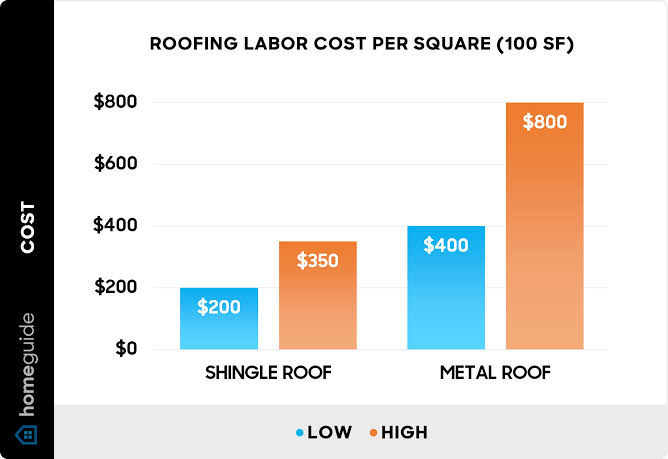
Roofing is dangerous, skilled work. In 2026, labor shortages in the construction industry have kept wages competitive, meaning labor can account for 40% to 60% of your total project cost.
Factors That Increase Labor Costs:
- Roof Pitch: Steeper roofs require more safety equipment, slower work pace, and specialized skills. A steep pitch can increase costs by 20–30%.
- Number of Layers: If you have multiple layers of old shingles that need to be torn off, expect to pay extra for disposal fees and additional labor hours.
- Obstacles: Chimneys, skylights, vent pipes, and complex valleys require careful flashing and sealing, which takes time and precision.
- Accessibility: If your home is surrounded by tight spaces, large trees, or difficult terrain, contractors may charge more for the logistical challenge.
Geographic Location and Market Trends
Where you live plays a significant role in determining how much should a new roof cost per square foot. Material availability and local demand fluctuate wildly across the US.
For instance, roofing in hurricane-prone states like Florida or Texas often requires impact-resistant materials and stricter building code compliance, which drives up prices. Conversely, in the Midwest, standard asphalt shingles are more common and generally cheaper due to high competition among contractors.
Additionally, urban areas tend to have higher labor rates compared to rural regions. Always get at least three local quotes to understand the specific market rate in your zip code. For broader context on regional construction trends, you can refer to data from the U.S. Census Bureau or general economic indicators found on Wikipedia.
Hidden Costs You Might Not Expect
When budgeting, it is easy to focus solely on the shingles. However, several “hidden” costs can surprise you if you are not prepared.
- Permits: Most municipalities require a permit for roof replacement. Fees vary from $100 to $500 depending on your city.
- Decking Repair: Once the old roof is removed, contractors may find rotted wood decking. Replacing plywood sheathing typically costs $2.50 to $4.00 per square foot extra.
- Ventilation Upgrades: Proper airflow is critical for roof longevity. Adding ridge vents or soffit vents might add $300–$600 to the bill but is highly recommended.
- Dumpster Fees: Disposing of old roofing materials is not free. Expect a dumpster rental fee of $300–$600 included in your quote.
Step-by-Step: How to Get an Accurate Quote
To ensure you are paying a fair price, follow these steps when hiring a roofer:
- Measure Your Roof Area: Use online satellite tools or measure your home’s footprint. Multiply length by width, then add 10–15% for waste and pitch.
- Choose Your Material: Decide on asphalt, metal, or tile before calling contractors. This allows them to give you a firm number rather than a vague estimate.
- Request Detailed Breakdowns: Ask for a line-item quote. It should separate materials, labor, disposal, and permits.
- Check Credentials: Ensure the contractor is licensed, insured, and has positive reviews on platforms like BBB or Angi.
- Compare Warranties: Look for both manufacturer warranties (on materials) and workmanship warranties (on labor). A 10-year workmanship warranty is a good standard.
FAQ Section
1. Is it cheaper to overlay a new roof on top of the old one?
It can be slightly cheaper initially because you save on tear-off and disposal costs. However, most building codes only allow one overlay. It also hides potential deck damage and voids many manufacturer warranties. We recommend a full tear-off for long-term value.
2. How does roof pitch affect the cost per square foot?
A steeper pitch increases difficulty and risk. Contractors may charge a “steep slope premium,” which can add 10% to 30% to the labor cost. Flat or low-slope roofs are generally cheaper to install but may require different materials like EPDM rubber.
3. Should I replace my roof myself to save money?
While DIY seems appealing, roofing is one of the most dangerous home improvement projects. Mistakes in installation can lead to leaks, structural damage, and voided warranties. Unless you are a trained professional, the risks far outweigh the savings.
4. Does the season affect roofing prices?
Yes. Late fall and winter are typically “off-seasons” for roofers in many parts of the US. You might secure a discount of 5–10% during these months, provided the weather permits safe installation. Spring and summer are peak seasons with higher demand and prices.
5. What is the average lifespan of a $5 per square foot roof?
A roof costing around $5 per square foot is likely a standard 3-tab asphalt shingle roof. You can expect this to last between 15 and 20 years, depending on ventilation and weather conditions. Architectural shingles, which cost slightly more, can last 25–30 years.
Conclusion
Determining how much should a new roof cost per square foot is not just about finding the lowest number; it is about finding the right value for your home’s specific needs. In 2026, expect to pay between $4.50 and $9.00 per square foot for a quality installation, with variations based on material, location, and complexity.
By understanding the breakdown of labor, materials, and hidden costs, you can negotiate better and avoid unpleasant surprises. Remember, a roof is a long-term shield for your family. Invest wisely, choose reputable contractors, and prioritize quality over the absolute cheapest bid.
Found this guide helpful? Share it with your friends on social media who might be facing similar home renovation decisions!