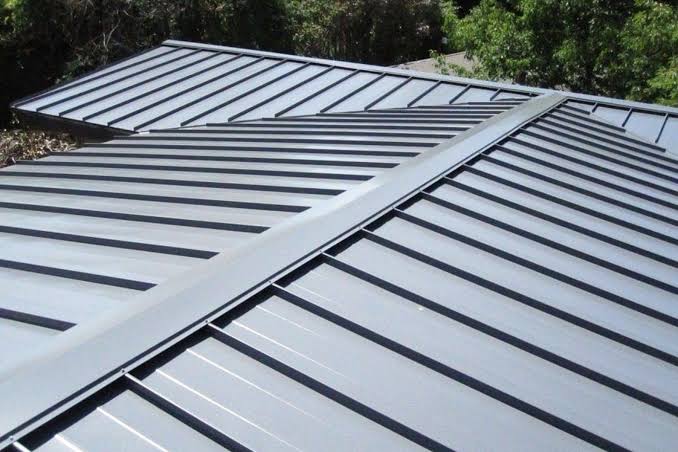
Have you been staring at your aging shingles, worrying about the next storm, and wondering if it’s time for an upgrade? You are not alone; many homeowners are making the switch to durable, energy-efficient metal roofing. If you are asking yourself, “How much to put a metal roof on my house,” you have come to the right place for clear, actionable answers.
While the upfront investment is higher than traditional asphalt shingles, the long-term value is undeniable. In this guide, we will break down the costs, factors influencing price, and what you can expect in 2026. Let’s dive into the numbers so you can budget with confidence.
What Is the Average Cost of a Metal Roof in 2026?
When planning your budget, it is essential to look at both national averages and local variations. As of 2026, the cost to install a metal roof typically ranges from $9,000 to $45,000, depending heavily on the size of your home and the type of metal chosen.
On a per-square-foot basis, you can expect to pay between $8 and $18 per square foot for materials and installation combined. This is significantly higher than asphalt shingles, which usually cost $3–$5 per square foot. However, context is key. Metal roofs last 40–70 years, whereas asphalt lasts only 15–20 years.
Cost Breakdown by Home Size
To give you a clearer picture, here is a estimated cost table based on average US home sizes:
| Home Size (Sq. Ft.) | Roof Area (Approx. Sq. Ft.) | Low-End Estimate (Corrugated) | High-End Estimate (Standing Seam) |
|---|---|---|---|
| 1,000 sq. ft. | 1,200 sq. ft. | $9,600 | $21,600 |
| 1,500 sq. ft. | 1,800 sq. ft. | $14,400 | $32,400 |
| 2,000 sq. ft. | 2,400 sq. ft. | $19,200 | $43,200 |
| 2,500 sq. ft. | 3,000 sq. ft. | $24,000 | $54,000 |
Note: These figures include removal of old roofing, underlayment, labor, and materials. Prices vary by region.
Which Metal Material Fits Your Budget?
Not all metal roofs are created equal. The material you choose is the single biggest factor in determining how much to put a metal roof on my house. Here are the most common options available in the US market today.
1. Galvanized Steel (Most Affordable)
Steel is the most popular choice for residential roofing due to its balance of cost and durability. It is coated with zinc to prevent rust.
- Cost: $8–$12 per sq. ft.
- Best For: Budget-conscious homeowners in moderate climates.
2. Aluminum (Best for Coastal Areas)
Aluminum is naturally resistant to corrosion, making it ideal for homes near the ocean. It is lighter than steel but can be more expensive.
- Cost: $10–$14 per sq. ft.
- Best For: Coastal regions with high salt exposure.
3. Zinc and Copper (Premium Luxury)
These metals offer unmatched aesthetics and longevity (100+ years). They develop a natural patina over time, which protects the metal further.
- Cost: $15–$25+ per sq. ft.
- Best For: Historic homes or luxury estates where aesthetics are paramount.
For a deeper understanding of metal properties and their industrial applications, you can refer to this comprehensive resource on Metal Wikipedia.
Labor Costs: Why Professional Installation Matters
You might be tempted to DIY to save money, but metal roofing requires specialized skills. Improper installation can lead to leaks, noise issues, and voided warranties.
Labor typically accounts for 40% to 60% of the total project cost. In 2026, skilled roofers charge between $4 and $8 per square foot for labor alone. Several factors influence this rate:
- Roof Complexity: A simple gable roof is cheaper to install than a roof with multiple valleys, dormers, or chimneys.
- Pitch and Height: Steeper roofs require more safety equipment and time, increasing labor costs.
- Location: Labor rates in urban areas like New York or San Francisco are significantly higher than in rural Midwest towns.
Pro Tip: Always get at least three quotes from licensed and insured contractors. Check their reviews on platforms like Angi or HomeAdvisor to ensure they have experience with metal specifically.
Hidden Costs to Consider
When calculating how much to put a metal roof on my house, do not forget the “hidden” expenses that often surprise homeowners.
Old Roof Removal
Most contractors will need to remove your existing shingles before installing metal. This adds $1–$3 per square foot to your bill. While some metal roofs can be installed over existing shingles, this is not always recommended as it can trap moisture and void warranties.
Underlayment and Insulation
High-quality synthetic underlayment is crucial for preventing condensation, a common issue with metal roofs. Expect to pay an additional $0.50–$1.00 per square foot for premium underlayment.
Structural Reinforcement
Although metal is lightweight, older homes may need structural upgrades to support the new roofing system or to meet current building codes. An engineer’s inspection may cost $300–$600.
Metal Roof vs. Asphalt Shingles: A Quick Comparison
Is the extra cost worth it? Let’s compare the two most popular roofing materials.
| Feature | Metal Roofing | Asphalt Shingles |
|---|---|---|
| Lifespan | 40–70 years | 15–20 years |
| Maintenance | Low | Moderate |
| Energy Efficiency | High (reflects solar heat) | Low (absorbs heat) |
| Resale Value | Increases home value | Neutral impact |
| Weather Resistance | Excellent (wind, fire, hail) | Good (varies by quality) |
Over the lifespan of the roof, metal often proves cheaper because you avoid replacing it two or three times. Additionally, many insurance companies offer discounts of 5% to 15% on premiums for homes with metal roofs due to their fire and wind resistance.
Frequently Asked Questions (FAQ)
1. Does a metal roof increase noise during rain?
This is a common myth. When installed correctly with solid sheathing and proper insulation, a metal roof is no louder than an asphalt shingle roof. In fact, many homeowners find the sound of rain on metal soothing.
2. Will a metal roof interfere with my Wi-Fi or cell signal?
No. Modern metal roofing systems do not block radio waves significantly enough to affect your home’s Wi-Fi or cell reception. Any minor interference is negligible compared to other building materials like brick or concrete.
3. How long does it take to install a metal roof?
For an average-sized home (2,000 sq. ft.), installation typically takes 3 to 7 days. This depends on the crew size, weather conditions, and the complexity of the roof design.
4. Can I walk on a metal roof?
Yes, but you must be careful. You should only walk on the flat parts of the panels and avoid stepping on the ribs or seams, which can dent. Always wear soft-soled shoes and use proper safety gear.
5. Is metal roofing environmentally friendly?
Absolutely. Most metal roofs contain 25% to 95% recycled content and are 100% recyclable at the end of their life. Unlike asphalt shingles, which contribute millions of tons to landfills annually, metal is a sustainable choice.
6. What maintenance does a metal roof require?
Metal roofs are low-maintenance. You should inspect them twice a year for loose fasteners or debris accumulation. Cleaning gutters and rinsing the roof with water occasionally will keep it looking new. Avoid using abrasive cleaners that could damage the protective coating.
Conclusion
So, how much to put a metal roof on my house? While the initial price tag of $9,000 to $45,000 may seem steep, consider it an investment in your home’s future. With a lifespan that outlasts traditional materials by decades, superior energy efficiency, and increased curb appeal, metal roofing pays for itself over time.
By choosing the right material, hiring a qualified installer, and accounting for hidden costs, you can enjoy a durable, beautiful roof that protects your family for generations.
Did you find this guide helpful? Share it with your friends on Facebook or Pinterest who are also considering a roof upgrade! If you have more questions, leave a comment below—we love hearing from our readers.
Leave a Reply