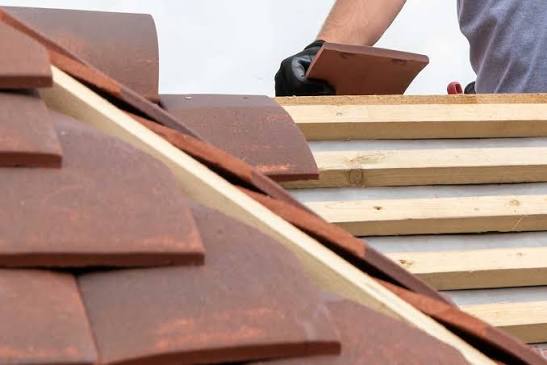
Replacing a roof is one of the most significant home improvement projects a homeowner will ever face. It is not just about aesthetics; it is about protecting your family, your belongings, and your investment from the elements. If you are staring at aging shingles or dealing with persistent leaks, you are likely asking the critical question: How much does it cost for a full roof replacement?
The answer varies widely depending on materials, labor, and location, but understanding the breakdown can save you thousands. In this guide, we will dissect the costs, explain the hidden factors, and provide you with the knowledge needed to make an informed decision without breaking the bank.
Understanding the Average Cost Breakdown
When budgeting for a new roof, it is essential to look beyond a single lump sum figure. The total cost is generally divided into two main categories: materials and labor. According to industry data from late 2025 and early 2026, the national average for a full roof replacement on a standard 2,000-square-foot home ranges between $8,500 and $14,000. However, this is merely a baseline.
Labor typically accounts for 60% to 70% of the total project cost. This high percentage reflects the skilled nature of the work, insurance requirements for contractors, and the physical intensity of the job. Materials make up the remaining 30% to 40%, though this ratio shifts significantly if you choose premium materials like slate or copper.
It is also crucial to account for “soft costs,” such as permits, disposal fees for old roofing materials, and potential repairs to the underlying decking. Ignoring these can lead to unexpected bills mid-project. Always request a detailed line-item estimate from your contractor to ensure transparency.
How Do Different Materials Affect the Price?
The type of roofing material you choose is the single biggest variable in your final bill. Each material offers different lifespans, aesthetic appeals, and durability levels. Here is a comparative look at the most common options available in the US market today.
Asphalt Shingles
Asphalt shingles remain the most popular choice in the United States due to their affordability and ease of installation.
- Cost: $3.50 – $5.50 per square foot.
- Lifespan: 15–30 years.
- Pros: Low upfront cost, wide variety of colors, easy to repair.
- Cons: Shorter lifespan compared to other materials, susceptible to wind damage.
Metal Roofing
Metal roofs are gaining popularity for their longevity and energy efficiency. They are particularly effective in areas prone to heavy snow or rain.
- Cost: $7.00 – $12.00 per square foot.
- Lifespan: 40–70 years.
- Pros: Extremely durable, fire-resistant, recyclable, reflects solar heat.
- Cons: Higher initial cost, can be noisy during rain without proper insulation.
Clay and Concrete Tiles
Common in the Southwest and Florida, these tiles offer a distinct Mediterranean look and exceptional durability.
- Cost: $10.00 – $20.00 per square foot.
- Lifespan: 50–100 years.
- Pros: Fireproof, insect-resistant, maintains color over time.
- Cons: Very heavy (may require structural reinforcement), fragile if walked on.
Slate Roofing
Slate is the luxury option, offering unmatched beauty and longevity. It is often found on historic or high-end homes.
- Cost: $15.00 – $30.00+ per square foot.
- Lifespan: 75–200 years.
- Pros: Natural stone, virtually maintenance-free, adds significant property value.
- Cons: Extremely expensive, requires specialized installers, very heavy.
| Material | Avg. Cost per Sq. Ft. | Lifespan | Best For |
|---|---|---|---|
| Asphalt Shingles | $3.50 – $5.50 | 15-30 Years | Budget-conscious homeowners |
| Metal | $7.00 – $12.00 | 40-70 Years | Long-term durability & energy savings |
| Clay/Concrete Tile | $10.00 – $20.00 | 50-100 Years | Hot climates & specific aesthetics |
| Slate | $15.00 – $30.00+ | 75-200 Years | Luxury homes & historic preservation |
What Hidden Factors Increase Roof Replacement Costs?
While material and labor are the primary drivers, several secondary factors can inflate your budget. Being aware of these helps you avoid sticker shock when reviewing quotes.
Roof Pitch and Complexity
A steeply pitched roof is more dangerous and time-consuming to work on. Contractors may charge a premium for steep slopes because they require additional safety equipment, such as harnesses and scaffolding. Similarly, roofs with multiple valleys, dormers, chimneys, or skylights require more intricate flashing and cutting, which increases labor hours.
Structural Repairs
Once the old roofing material is removed, the condition of the underlying wood decking becomes visible. If water has leaked through, you may need to replace rotted plywood or OSB (Oriented Strand Board). This is often an unforeseen cost. Expect to pay an additional $50 to $100 per sheet of plywood replaced, plus labor.
Geographic Location
Labor rates vary significantly by region. In high-cost-of-living areas like California or New York, labor rates are substantially higher than in the Midwest or South. Additionally, local building codes may require specific materials or installation techniques, such as hurricane straps in coastal regions, which add to the material cost.
Seasonality
Timing matters. Roofing companies are busiest in late summer and early fall. Scheduling your replacement during the off-season (late winter or early spring) might yield discounts, although weather delays are a risk. Conversely, emergency repairs during storm season often come with premium pricing due to high demand.
How to Choose the Right Contractor?
Selecting the right professional is just as important as choosing the right material. A poor installation can void warranties and lead to premature failure, regardless of how expensive the materials are.
- Verify Licensing and Insurance: Ensure the contractor holds a valid state license and carries both liability insurance and workers’ compensation. This protects you from being liable if a worker is injured on your property.
- Check References and Reviews: Look for recent reviews on independent platforms. Ask for references from past clients and actually call them. Ask about cleanliness, communication, and adherence to the schedule.
- Get Multiple Quotes: Obtain at least three detailed estimates. Be wary of quotes that are significantly lower than the others; this often indicates cut corners or subpar materials.
- Review the Warranty: Understand the difference between the manufacturer’s warranty (covers material defects) and the contractor’s workmanship warranty (covers installation errors). A reputable roofer should offer a workmanship warranty of at least 2–5 years.
For more detailed information on construction standards and safety regulations, you can refer to general building guidelines provided by authoritative sources such as Wikipedia’s entry on Roofing.
FAQ Section
How long does a full roof replacement take?
For an average-sized home (1,500–2,000 sq. ft.), a full roof replacement typically takes 1 to 3 days. Larger homes, complex roof designs, or adverse weather conditions can extend this timeline to a week or more.
Can I stay in my house during the roof replacement?
Yes, you can usually stay in your home. However, expect significant noise, vibration, and dust. It is advisable to remove fragile items from walls and shelves, park vehicles away from the driveway to avoid debris damage, and keep windows closed to prevent dust entry.
Does homeowners insurance cover roof replacement?
Insurance typically covers roof replacement if the damage is caused by a sudden, accidental event like a storm, hail, or falling tree. It generally does not cover wear and tear, age-related deterioration, or lack of maintenance. Check your policy specifics and document any storm damage immediately.
Is it better to repair or replace my roof?
If your roof is less than 10 years old and the damage is localized (e.g., a few missing shingles), repair is cost-effective. However, if your roof is nearing the end of its lifespan (15+ years for asphalt) or has widespread leaking, replacement is the better long-term investment. Frequent repairs on an old roof often cost more in the long run.
How do I finance a new roof?
Many homeowners use personal savings, home equity loans, or HELOCs (Home Equity Lines of Credit). Some roofing companies offer financing plans, but interest rates can be high. Additionally, check if your state offers energy-efficiency rebates if you switch to reflective metal roofing or cool shingles.
Conclusion
Understanding how much does it cost for a full roof replacement empowers you to plan effectively and avoid financial stress. While the average cost hovers between $8,500 and $14,000, your specific situation—dictated by material choice, roof complexity, and location—will determine the final figure.
Remember, a roof is not just an expense; it is a critical component of your home’s integrity and value. Investing in quality materials and a reputable contractor ensures peace of mind for decades to come.
Did you find this guide helpful? Share it with friends or family who might be facing similar home improvement decisions. Your share could help them save money and make smarter choices!
Leave a Reply