Have you ever taken a bite of hot pizza only to feel a sharp, stinging pain on the roof of your mouth hours later? Or perhaps you woke up with an unexplained blister that makes eating and speaking uncomfortable? You are not alone; many people experience this painful condition, leading them to ask, “What can cause sores in the roof of your mouth?” Understanding the root cause is the first step toward healing and preventing future occurrences.
In this guide, we will explore the most common reasons behind these irritating lesions, differentiate between minor injuries and serious conditions, and provide actionable advice for relief. Whether it’s a simple thermal burn or a sign of an underlying health issue, knowing what to look for can save you time, money, and discomfort.
Common Causes of Palatal Sores
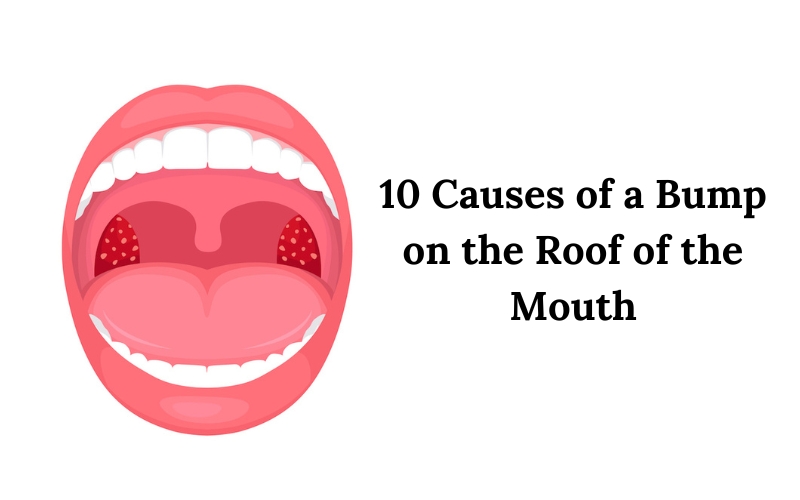
The roof of your mouth, known medically as the palate, is sensitive tissue. When it develops sores, it is usually a reaction to physical trauma, infection, or systemic health issues. Let’s break down the primary culprits.
1. Thermal Burns (Pizza Palate)
This is arguably the most frequent cause of sores on the hard palate. We often refer to this as “pizza palate.” It happens when you consume food or beverages that are too hot.
- How it happens: Hot cheese, soup, or coffee can scald the delicate mucous membranes.
- Symptoms: Redness, blistering, peeling skin, and tenderness.
- Healing Time: Typically 3–7 days.
According to dental professionals, the palate has fewer nerve endings than the tongue, which is why you might not feel the burn immediately until the damage is done.
2. Canker Sores (Aphthous Ulcers)
Canker sores are small, shallow lesions that develop on the soft tissues in your mouth or at the base of your gums. While they commonly appear on the inner cheeks or lips, they can also form on the soft palate (the back part of the roof of your mouth).
- Appearance: White or yellow center with a red border.
- Triggers: Stress, minor injury from brushing, food sensitivities (chocolate, coffee, strawberries, eggs, nuts, cheese), or nutritional deficiencies (B-12, zinc, folate, iron).
- Contagious? No.
3. Cold Sores (Herpes Simplex Virus)
Unlike canker sores, cold sores are caused by the herpes simplex virus (HSV-1). They are highly contagious and usually appear on the lips, but primary outbreaks can occur inside the mouth, including the roof.
- Appearance: Clusters of fluid-filled blisters that burst and crust over.
- Triggers: Stress, sunlight, fever, or hormonal changes.
- Contagious? Yes, very.
4. Physical Trauma
Your mouth is a rugged environment, but it is not invincible. Sharp foods like tortilla chips, hard candy, or even accidental bites can scratch or puncture the palate. Additionally, ill-fitting dentures or orthodontic appliances can cause chronic friction ulcers.
5. Oral Thrush (Candidiasis)
Oral thrush is a fungal infection caused by Candida albicans. It is more common in infants, the elderly, and individuals with compromised immune systems or those who use inhalers for asthma.
- Symptoms: Creamy white lesions on the tongue or inner cheeks, sometimes spreading to the roof of the mouth. These lesions may bleed slightly when scraped.
- Risk Factors: Antibiotic use, diabetes, dry mouth.
6. Allergic Reactions
Some individuals develop sores or irritation due to allergic reactions to certain ingredients in toothpaste, mouthwash, or specific foods. Sodium lauryl sulfate (SLS), a foaming agent found in many toothpastes, is a known irritant for some people prone to canker sores.
Differentiating Between Minor and Serious Conditions
It can be challenging to determine if a sore is benign or requires medical attention. Use this comparison table to help assess your situation.
| Feature | Minor Injury / Canker Sore | Potential Serious Condition |
|---|---|---|
| Duration | Heals within 7–14 days | Persists longer than 2 weeks |
| Pain Level | Moderate, improves over time | Severe, worsening, or numbness |
| Appearance | Small, round, white/yellow center | Large, irregular borders, bleeding |
| Other Symptoms | None or mild discomfort | Fever, difficulty swallowing, weight loss |
| Cause | Trauma, stress, diet | Infection, autoimmune disease, cancer |
If your sore fits the description in the right column, it is crucial to consult a healthcare provider. Persistent sores can sometimes be a sign of oral cancer or other systemic diseases. For more detailed information on oral health conditions, you can refer to Wikipedia’s page on Mouth Ulcers to understand the broader medical context.
Step-by-Step Relief and Treatment
If you are dealing with a painful sore on the roof of your mouth, here is a practical guide to speeding up recovery and managing pain.
Step 1: Rinse with Salt Water
Salt water is a natural disinfectant and helps reduce inflammation.
- Recipe: Mix 1 teaspoon of salt into 8 ounces (approx. 240 ml) of warm water.
- Action: Swish gently around your mouth for 30 seconds, then spit it out. Do this 3–4 times a day.
Step 2: Apply Topical Treatments
Over-the-counter gels containing benzocaine or hydrogen peroxide can numb the area and promote healing.
- Tip: Dry the area with a clean tissue before applying the gel for better adhesion.
Step 3: Avoid Irritants
While healing, steer clear of:
- Spicy or acidic foods (citrus, tomatoes).
- Crunchy or sharp foods (chips, toast).
- Very hot beverages.
Step 4: Maintain Oral Hygiene
Continue brushing and flossing, but use a soft-bristled toothbrush. Consider switching to an SLS-free toothpaste if you suspect sensitivity.
Step 5: Stay Hydrated
Dry mouth can exacerbate sores. Drink plenty of water throughout the day. Aim for at least 2 liters of water daily, keeping the temperature cool (22–28°C) to avoid further irritation.
When to See a Doctor
While most palatal sores resolve on their own, certain red flags warrant professional evaluation. Seek medical advice if:
- The sore does not heal after two weeks.
- You have a high fever accompanying the sore.
- The sores are spreading rapidly.
- You have difficulty eating, drinking, or swallowing.
- You notice white patches that cannot be wiped away.
Early diagnosis is key, especially if the cause is viral, fungal, or related to an autoimmune condition like lupus or Crohn’s disease.
FAQ Section
Q1: How long does it take for a burn on the roof of the mouth to heal?
A: A minor thermal burn typically heals within 3 to 7 days. The mouth has a rich blood supply, which aids in rapid tissue regeneration. However, deeper burns may take up to two weeks. Keep the area clean and avoid hot foods to speed up the process.
Q2: Can stress cause sores on the roof of my mouth?
A: Yes, stress is a significant trigger for canker sores (aphthous ulcers). High stress levels can weaken your immune system, making you more susceptible to outbreaks. Managing stress through relaxation techniques, adequate sleep, and exercise can help reduce the frequency of these sores.
Q3: Are sores on the roof of the mouth contagious?
A: It depends on the cause. Canker sores and thermal burns are not contagious. However, cold sores caused by the herpes simplex virus and oral thrush (fungal infection) are contagious. Avoid sharing utensils, cups, or lip balm if you suspect a viral or fungal origin.
Q4: What home remedies work best for immediate pain relief?
A: For immediate relief, try rinsing with cold water or sucking on ice chips to numb the area. Honey has natural antibacterial properties and can be applied directly to the sore. Over-the-counter oral anesthetics containing benzocaine are also effective for temporary pain management.
Q5: Could my toothpaste be causing the sores?
A: It is possible. Many commercial toothpastes contain sodium lauryl sulfate (SLS), a foaming agent that can irritate the mucous lining of the mouth in sensitive individuals. Switching to an SLS-free toothpaste may reduce the frequency of canker sores.
Q6: When should I worry about a sore on the roof of my mouth?
A: You should consult a doctor or dentist if the sore persists for more than two weeks, is unusually large, is accompanied by a fever, or if you have difficulty swallowing. Persistent sores can sometimes indicate underlying health issues that require professional treatment.
Conclusion
Dealing with sores on the roof of your mouth can be frustrating and painful, but understanding what can cause sores in the roof of your mouth empowers you to take control of your oral health. Most cases are benign, resulting from minor burns, stress-induced canker sores, or physical trauma, and they heal within a week or two with proper care.
By maintaining good oral hygiene, avoiding known irritants, and managing stress, you can significantly reduce your risk of developing these uncomfortable lesions. Remember, if a sore persists beyond two weeks or is accompanied by other concerning symptoms, do not hesitate to seek professional medical advice.
Found this guide helpful? Share it with friends and family on social media to help them navigate their own oral health challenges. Your share could be the tip someone needs to find relief today!
Leave a Reply