Have you ever taken a bite of hot pizza or a crunchy chip, only to feel a sudden, uncomfortable bump on the roof of your mouth? It is a surprisingly common experience that can range from a minor annoyance to a source of significant pain. If you are currently rubbing your tongue against an irritated spot and asking, “Why is part of the roof of my mouth swollen,” you are not alone. This guide will help you identify the cause and find relief quickly.
Understanding the Anatomy: What Is the Roof of Your Mouth?
Before diving into the causes, it helps to understand what we are dealing with. The roof of your mouth is called the palate. It is divided into two sections:
- The Hard Palate: The bony front part behind your upper teeth.
- The Soft Palate: The muscular back part near your throat.
Swelling can occur in either section, but the causes often differ based on location. While most cases are benign and temporary, understanding the underlying reason is crucial for proper treatment.
Common Causes of Palate Swelling
When investigating why the roof of your mouth is swollen, we usually look at trauma, infection, or allergic reactions. Here are the most frequent culprits.
1. Thermal Burns (Pizza Palate)
This is the most common reason for sudden swelling. The tissue on the hard palate is delicate. Consuming food or drinks that are too hot (above 60°C or 140°F) can cause first-degree burns.
- Symptoms: Redness, blistering, peeling skin, and tenderness.
- Healing Time: Typically 3–7 days.
- Expert Insight: According to dental professionals, the mouth heals faster than skin elsewhere due to high blood flow, but repeated burns can lead to chronic irritation.
2. Physical Trauma from Food
Hard, sharp, or crunchy foods like tortilla chips, crusty bread, or candy can scratch or puncture the palate. This creates a small wound that swells as part of the natural inflammatory response.
- Signs: A localized lump or sore spot that feels rough to the tongue.
- Risk Factor: Eating quickly without chewing thoroughly increases this risk.
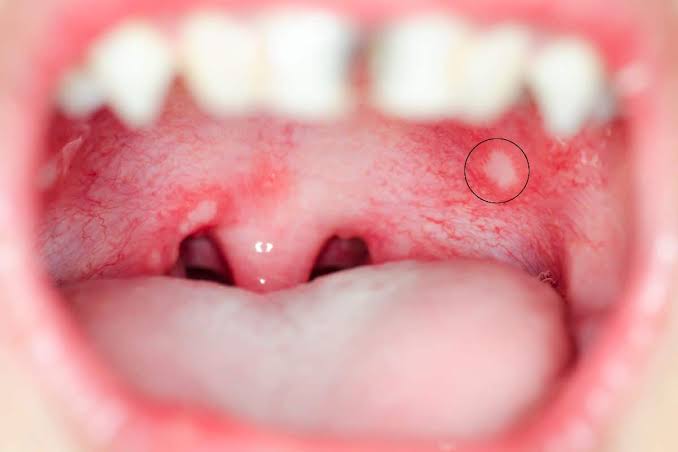
3. Canker Sores (Aphthous Ulcers)
While canker sores often appear on the inner cheeks or gums, they can also develop on the soft palate. These are small, shallow lesions that make eating and talking painful.
- Triggers: Stress, minor injury, acidic foods, or vitamin deficiencies (B12, Zinc, Iron).
- Appearance: White or yellow center with a red border.
4. Allergic Reactions (Oral Allergy Syndrome)
If the swelling happens shortly after eating certain fruits, vegetables, or nuts, it might be an allergic reaction. This is known as Oral Allergy Syndrome (OAS).
- Common Triggers: Apples, cherries, kiwi, and walnuts.
- Symptoms: Itching, tingling, and mild swelling of the lips, tongue, and palate.
- Warning: If you experience difficulty breathing, seek emergency care immediately as this could indicate anaphylaxis.
5. Infections: Viral and Bacterial
Various infections can cause widespread or localized swelling.
- Herpes Simplex Virus (Cold Sores): Can cause clusters of painful blisters on the hard palate.
- Thrush (Candidiasis): A fungal infection causing creamy white lesions that may bleed when scraped. Common in infants, elderly, or those with weakened immune systems.
- Hand, Foot, and Mouth Disease: Common in children, causing sores in the mouth and a rash on hands and feet.
For more detailed information on oral infections, you can refer to Wikipedia’s page on Oral Diseases to understand the broader medical context.
6. Mucoceles and Salivary Gland Issues
Sometimes, a salivary gland duct gets blocked, leading to a fluid-filled cyst called a mucocele. While more common on the lower lip, they can appear on the palate. These are usually harmless but may require removal if they persist.
Less Common but Serious Causes
While rare, persistent swelling could indicate more serious conditions. It is vital to rule these out if symptoms do not improve.
| Condition | Key Symptoms | Action Required |
|---|---|---|
| Torus Palatinus | Bony, hard growth in the center of the hard palate. | Usually harmless; no treatment needed unless it interferes with dentures. |
| Oral Cancer | Non-healing sore, lump, or red/white patch lasting >2 weeks. | Immediate dental consultation. |
| Sinus Infection | Pressure, pain in upper teeth and palate, congestion. | See a primary care physician. |
How to Treat Swelling at Home: Step-by-Step Guide
If the swelling is due to minor trauma or a burn, you can manage it at home. Follow these steps to speed up healing.
Step 1: Cool It Down
Immediately after a burn or injury, rinse your mouth with cold water.
- Action: Swish 200–250 ml of cold water for 30 seconds.
- Tip: You can also suck on an ice chip to numb the area and reduce inflammation. Avoid placing ice directly on the tissue for too long to prevent ice burn.
Step 2: Salt Water Rinse
Salt water is a natural disinfectant and helps reduce swelling.
- Recipe: Mix 1/2 teaspoon of salt into 240 ml (8 oz) of warm water.
- Frequency: Rinse gently 3–4 times a day, especially after meals.
- Note: Do not swallow the solution. Spit it out after 30 seconds.
Step 3: Avoid Irritants
Give your mouth a break from things that aggravate the tissue.
- Avoid: Spicy foods, acidic juices (orange, lemon), very hot beverages, and crunchy snacks.
- Choose: Soft, cool foods like yogurt, smoothies, mashed potatoes, and pudding.
Step 4: Over-the-Counter Relief
If pain is significant, consider using topical oral gels containing benzocaine. These provide temporary numbing. Always follow the package instructions.
When to See a Doctor or Dentist
Not all swelling resolves on its own. You should seek professional medical advice if:
- The swelling persists for more than 10–14 days.
- You have a high fever (above 38°C or 100.4°F).
- There is pus or excessive bleeding.
- You have difficulty swallowing or breathing.
- The lump is growing rapidly or feels hard and fixed.
Early diagnosis is key, especially for ruling out infections or other serious conditions.
FAQ Section
1. Why is the roof of my mouth swollen after eating spicy food?
Spicy foods contain capsaicin, which can irritate the sensitive mucous membranes of the palate. This irritation triggers an inflammatory response, leading to temporary swelling and redness. Rinsing with milk or water can help neutralize the effect.
2. Can dehydration cause a swollen roof of the mouth?
Yes, indirectly. Dehydration reduces saliva production, leading to a dry mouth (xerostomia). Without enough saliva to lubricate and protect the tissues, the palate becomes more susceptible to irritation, friction, and minor infections, which can cause swelling.
3. Is a swollen roof of the mouth a sign of cancer?
It is rarely the first sign. Oral cancer typically presents as a non-healing ulcer, a persistent red or white patch, or a lump that does not go away after two weeks. However, any persistent abnormality should be checked by a dentist to be safe.
4. How long does it take for a burned roof of the mouth to heal?
Minor thermal burns usually heal within 3 to 7 days. The mouth has a rich blood supply, which promotes rapid cell regeneration. Keeping the area clean and avoiding further irritation will speed up the process.
5. Can allergies cause swelling only on the roof of the mouth?
Yes, Oral Allergy Syndrome can cause localized itching and swelling on the palate, especially after eating raw fruits or vegetables that cross-react with pollen allergies. Cooking the food often breaks down the proteins causing the reaction.
Conclusion
Dealing with a swollen roof of the mouth can be uncomfortable, but in most cases, it is a temporary issue caused by minor burns, trauma, or mild infections. By identifying the trigger—whether it was that too-hot cup of coffee or a sharp chip—you can take the right steps to heal. Remember to keep the area clean, avoid irritants, and stay hydrated.
If the swelling doesn’t improve within two weeks or is accompanied by other severe symptoms, do not hesitate to consult a healthcare professional. Your oral health is a window to your overall well-being.
Found this guide helpful? Share it with friends who might be suffering from “pizza palate” or other mouth woes! Spreading awareness about oral health helps everyone eat happily and pain-free.
Leave a Reply