Have you noticed a leak or missing shingles and started worrying about the disruption to your daily life? It is completely normal to feel anxious about the noise, debris, and timeline involved in such a major home improvement project. Understanding exactly how long does it take to get a roof replaced can help you plan your schedule, protect your belongings, and reduce stress significantly.
The Short Answer: Typical Roof Replacement Timelines
For the average single-family home in the United States, a complete roof replacement typically takes between one to three days. However, this is a general estimate. A small, simple roof with easy access might be completed in a single day by a large crew, while a complex, multi-story home with intricate architectural details could take up to a week.
The speed of the project depends less on the size of the house and more on the complexity of the roof structure and the materials being used. Professional roofing contractors aim to work efficiently to minimize exposure to the elements, but they also prioritize safety and quality craftsmanship.
Key Factors That Influence Roofing Duration
Several variables can extend or shorten the timeline of your roofing project. Understanding these factors will give you a more accurate expectation for your specific situation.
1. Size and Complexity of the Roof
A straightforward gable roof is much faster to replace than a roof with multiple hips, valleys, dormers, and turrets. Each angle and intersection requires careful flashing and cutting, which adds time.
- Simple Roof: 1–2 days.
- Complex Roof: 3–5+ days.
2. Type of Roofing Material
Not all roofing materials are created equal when it comes to installation speed.
- Asphalt Shingles: The most common material in the US. They are lightweight and easy to install, allowing crews to cover large areas quickly.
- Metal Roofing: Can be installed relatively quickly if using standing seam panels, but intricate metal shingle work takes longer.
- Tile (Clay/Concrete) or Slate: These materials are heavy and fragile. Installation is labor-intensive and requires careful handling, often doubling or tripling the installation time compared to asphalt.
- Wood Shakes: Require precise alignment and often additional underlayment steps, extending the timeline.
3. Weather Conditions
Roofing is an outdoor job, and weather plays a critical role. Rain, high winds, or extreme heat can halt work entirely.
- Rain: Wet roofs are slippery and dangerous. Furthermore, installing shingles on a wet deck can trap moisture, leading to mold and rot later.
- Wind: High winds can blow away loose materials and make it unsafe for workers to operate on steep slopes.
- Temperature: Asphalt shingles need specific temperatures to seal properly. If it is too cold, the adhesive strips may not bond; if it is too hot, shingles can become overly pliable and difficult to handle.
4. Structural Repairs Needed
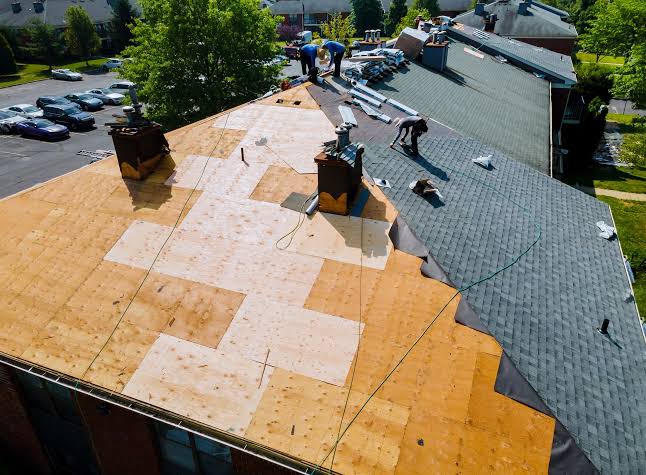
Once the old roof is removed, the underlying wood decking is exposed. If the contractor finds rotted or damaged plywood, it must be replaced before new roofing can be installed. This discovery is common in older homes and can add 1–2 extra days to the project depending on the extent of the damage.
Step-by-Step: What Happens During the Replacement?
Knowing the workflow helps you understand why each day is necessary. Here is a typical breakdown of the process:
Day 1: Preparation and Tear-Off
The crew arrives early, often around 7:00 AM. They will set up safety equipment, including ladders and harnesses. A dumpster is placed in your driveway for debris.
- Protection: Landscaping and windows are covered with tarps to protect against falling nails and debris.
- Tear-Off: The old shingles, underlayment, and flashing are removed. This is the noisiest part of the process.
- Inspection: The roof deck is inspected for damage. Any rotten wood is replaced immediately.
Day 2: Underlayment and Installation
If the tear-off was completed on Day 1, the crew begins installing the new system.
- Underlayment: A water-resistant barrier is rolled out over the entire deck. This is your second line of defense against leaks.
- Flashing: Metal flashing is installed around chimneys, vents, and valleys. This is crucial for preventing water intrusion.
- Shingle Installation: The main field of shingles is nailed down. Crews work from the bottom edge up to the ridge.
Day 3: Finishing Touches and Cleanup
The final day involves completing the ridge cap, installing vent boots, and a thorough cleanup.
- Ridge Vents: Installed to ensure proper attic ventilation.
- Cleanup: Magnetic rollers are used to pick up stray nails from the yard and driveway. All debris is hauled away.
- Final Inspection: The foreman walks the roof to ensure quality, followed by a walkthrough with the homeowner.
Comparison: Asphalt vs. Tile vs. Metal
| Feature | Asphalt Shingles | Clay/Concrete Tile | Metal Roofing |
|---|---|---|---|
| Avg. Install Time | 1–3 Days | 5–10 Days | 3–7 Days |
| Weight | Light | Very Heavy | Light to Medium |
| Durability | 15–30 Years | 50+ Years | 40–70 Years |
| Cost | Low | High | Medium to High |
| Weather Sensitivity | Moderate | Low | Low |
Note: Times are estimates for an average 2,000 sq. ft. home.
Expert Insights and Industry Standards
According to industry best practices, rushing a roofing job can lead to premature failure. The National Roofing Contractors Association emphasizes that proper installation techniques are vital for warranty validity. While homeowners often want the job done quickly, a reputable contractor will never sacrifice quality for speed.
It is also worth noting that proper ventilation is key to roof longevity. During the replacement, ensure your contractor checks your attic ventilation. Poor ventilation can cause heat buildup, which damages shingles from the inside out. For more detailed information on roofing components and standards, you can refer to general construction resources like Wikipedia’s entry on Roofing.
How to Prepare Your Home for a Faster Process
You can help the process go smoothly by taking a few preparatory steps:
- Clear the Perimeter: Move cars, patio furniture, and grills away from the house.
- Protect Attic Items: Dust and debris will fall through the roof deck gaps. Cover items in your attic with sheets.
- Secure Pets: Keep dogs and cats indoors. The noise and strangers can be stressful for them, and open gates pose a safety risk.
- Trim Trees: If branches hang over the roof, trim them back to provide clear access for the crew.
FAQ: Common Questions About Roof Replacement Time
Q: Can a roof be replaced in one day?
A: Yes, but only for smaller, simple roofs with a large crew. A standard 2,000 sq. ft. asphalt shingle roof can be done in one day, but it is intense. Most contractors prefer two days to ensure quality and safety.
Q: Do I need to be home during the roof replacement?
A: You do not need to be home the entire time, but it is recommended to be available at the start and end of the day. You should also be accessible by phone in case the crew finds unexpected structural damage that requires immediate decision-making.
Q: What happens if it rains during the replacement?
A: If rain is forecast, contractors will usually delay the tear-off. If the roof is already torn off and it rains unexpectedly, they will cover the exposed deck with heavy-duty tarps to prevent water damage until the weather clears.
Q: Will my insurance cover the time it takes to replace the roof?
A: Insurance covers the cost of the repair or replacement due to covered perils (like hail or wind), not the duration of the work. However, if the process is delayed due to insurer-approved supplements or inspections, the timeline may extend.
Q: How long does the permit process take?
A: This varies by municipality. In some areas, permits are issued instantly online; in others, it can take 1–2 weeks. This time is usually separate from the physical installation time. Ask your contractor about local permit timelines during the estimate phase.
Conclusion
Knowing how long does it take to get a roof replaced empowers you to plan effectively. While the average project lasts 1–3 days, factors like material choice, roof complexity, and weather can influence this timeline. By choosing a reputable contractor, preparing your home, and understanding the process, you can ensure a smooth experience with minimal disruption.
Remember, a roof is a long-term investment. Prioritizing quality over speed will save you money and headaches in the long run. If you found this guide helpful, please share it with friends or neighbors who might be facing similar home improvement projects!
Leave a Reply