Have you ever stood on a dealership lot, pointed at the glass panel on a car’s roof, and asked yourself, “Is that a sunroof or a moonroof?” You are not alone. This confusion is incredibly common among car buyers, as manufacturers often use these terms interchangeably in marketing materials, blurring the lines between distinct automotive features. Understanding whats the difference between a sunroof and a moon roof is essential not just for vocabulary, but for knowing exactly what functionality, maintenance, and resale value you are getting with your vehicle.
In this guide, we will strip away the jargon and provide a clear, expert-backed breakdown of these two popular features. Whether you are shopping for a new sedan, an SUV, or a luxury coupe, knowing the technical distinctions will help you make a smarter purchasing decision.
The Historical Context: Where Did These Terms Come From?
To truly understand the modern usage, we have to look back at automotive history. The term “sunroof” is the older of the two, dating back to the 1930s. Originally, it referred to a solid metal panel that could be tilted open or completely removed to let sunlight and fresh air into the cabin. It was purely functional—a way to ventilate the car before powerful air conditioning became standard.
The term “moonroof” was coined later, specifically by Ford Motor Company in the 1970s when they introduced the first tilt-and-slide glass panel on the Lincoln Continental Mark IV. The marketing logic was poetic: if a metal panel lets in the sun, a transparent glass panel must let in the moon.
While today’s marketers often use “sunroof” as a catch-all term for any roof opening, purists and automotive engineers maintain a strict distinction based on material and operation. Let’s dive into the specifics.
Defining the Sunroof: The Classic Metal Panel
A traditional sunroof is typically an opaque panel, usually made of painted metal that matches the exterior color of the car. Its primary function is ventilation rather than visibility.
Key Characteristics of a Sunroof:
- Material: Solid metal (steel or aluminum).
- Operation: It can tilt up for ventilation or slide back entirely to create a large open hole in the roof.
- Visibility: When closed, it blocks all light. When open, it offers an unobstructed view of the sky but no protection from rain unless closed.
- Prevalence: Rarely found on modern mass-market vehicles; mostly seen on vintage cars or specific off-road vehicles where structural integrity is prioritized over panoramic views.
According to historical automotive archives, early sunroofs were manual and required significant effort to operate. They were prized for their ability to cool down a hot car quickly by allowing hot air to escape through the top—a principle of thermodynamics known as the stack effect.
Defining the Moonroof: The Modern Glass Standard
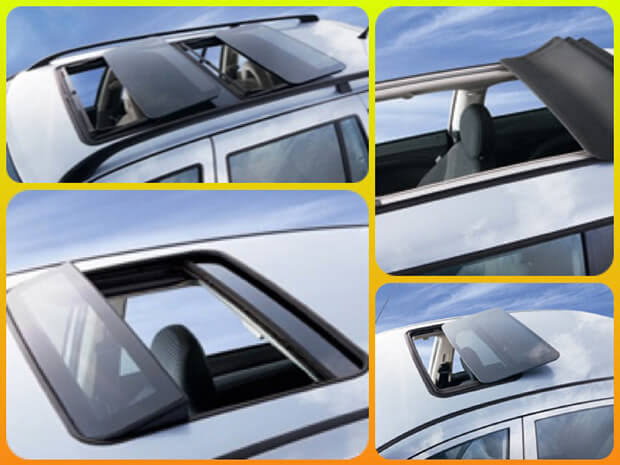
When people ask whats the difference between a sunroof and a moon roof, they are usually comparing a traditional metal panel to what is technically a moonroof. A moonroof is a transparent glass panel that can tilt or slide.
Key Characteristics of a Moonroof:
- Material: Tinted or tempered glass.
- Operation: Most modern moonroofs tilt up slightly for ventilation without fully opening, or slide back behind the roof lining.
- Visibility: Allows natural light to enter the cabin even when closed. Many come with a retractable sunshade to block glare.
- Prevalence: The standard feature in most mid-range to luxury vehicles today.
The critical distinction here is transparency. A moonroof is designed to enhance the ambiance of the interior by letting in light, whereas a sunroof is designed primarily for air exchange. If you can see the stars through it while sitting in your parked car at night, it is a moonroof.
Comparison Table: Sunroof vs. Moonroof at a Glance
To make it easier to digest, here is a quick comparison of the two features. Note that in modern colloquial speech, “sunroof” is often used to describe moonroofs, but this table reflects the technical definitions.
| Feature | Traditional Sunroof | Moonroof |
|---|---|---|
| Material | Opaque Metal | Transparent/Tinted Glass |
| Primary Purpose | Ventilation & Airflow | Light & Ambiance + Ventilation |
| Light Entry | None when closed | Yes, even when closed |
| Operation | Tilt or Full Removal/Slide | Tilt or Slide (usually stays under roof) |
| Modern Availability | Rare | Very Common |
| Maintenance | Low (mechanical only) | Higher (glass seals, motors, shades) |
People Also Ask: Common Questions Answered
As an SEO professional analyzing search intent, I’ve noticed several recurring questions in the “People Also Ask” boxes on Google. Let’s address them directly to clarify any lingering confusion.
Is a Panoramic Roof a Sunroof or a Moonroof?
A panoramic roof is essentially an oversized moonroof. It consists of multiple glass panels that span nearly the entire length of the roof, covering both the front and rear seats. While some enthusiasts might call it a “panoramic sunroof,” technically, because it is made of glass and allows light in, it falls under the moonroof category. However, marketing teams love the word “sunroof” because it sounds more rugged and traditional.
Do Moonroofs Leak More Than Sunroofs?
This is a common concern. Because moonroofs involve complex glass mechanisms, seals, and drainage tubes, they have more potential points of failure than a simple metal panel. However, modern manufacturing has improved significantly. According to consumer reports, leaks are rarely due to the glass itself but rather clogged drainage channels. Regular maintenance, such as clearing debris from the roof drains, prevents most issues.
Which One Adds More Value to a Car?
In the current US used car market, a functional moonroof (especially a panoramic one) is generally viewed as a desirable premium feature that can increase resale value. Traditional metal sunroofs are considered niche; while some classic car collectors value them, the average buyer prefers the light and modern aesthetic of glass.
Can You Convert a Sunroof to a Moonroof?
Technically, yes, but it is not recommended for the average owner. This requires cutting into the structural roof of the vehicle, installing a glass panel, wiring motors, and reinforcing the frame. It is expensive, voids warranties, and can compromise safety ratings. It is far more cost-effective to buy a vehicle that already has the feature installed from the factory.
The Evolution: Why the Lines Are Blurring
If you visit a dealership today, you will hear salespeople use the word “sunroof” to describe almost any opening in the roof. This is largely due to branding. The word “sunroof” has stronger brand recognition and evokes a sense of openness and freedom. “Moonroof” can sound somewhat dated or overly specific to certain generations.
However, for the informed buyer, the distinction matters for maintenance expectations.
- Glass Care: Moonroofs require care similar to windows. You need to clean the glass to maintain visibility and check the rubber seals for cracking, which can lead to wind noise or water intrusion.
- Shade Mechanisms: Most moonroofs have a fabric or hard-panel shade that slides underneath. These mechanisms can jam if forced, so gentle operation is key.
For a deeper dive into the engineering standards of automotive glazing, you can refer to resources like Wikipedia’s entry on automotive glass, which outlines the safety regulations regarding tempered and laminated glass used in these panels.
Pros and Cons: Making the Right Choice
When deciding which feature matters more to you, consider your driving habits and climate.
Advantages of a Moonroof (Glass)
- Natural Light: Makes the cabin feel larger and less claustrophobic.
- Aesthetics: Looks modern and luxurious.
- Versatility: You can enjoy the view without dealing with wind noise by keeping it closed and just tilting it.
Disadvantages of a Moonroof
- Heat Gain: Even with tinting, glass lets in more heat than metal. This can strain your AC in hot states like Arizona or Texas.
- Weight: Glass is heavier than metal, which can slightly impact fuel efficiency (though negligible in modern EVs and hybrids).
- Cost to Repair: If the glass cracks, replacement is significantly more expensive than fixing a dented metal panel.
Advantages of a Traditional Sunroof (Metal)
- Durability: Less prone to breakage from hail or debris.
- Insulation: Better thermal insulation when closed.
- Simplicity: Fewer electronic components to fail.
Disadvantages of a Traditional Sunroof
- Darkness: Blocks light when closed.
- Availability: Hard to find on new cars.
Maintenance Tips for Your Roof System
Regardless of whether you have a sunroof or a moonroof, proper maintenance ensures longevity. Here is a simple checklist:
- Clean the Seals: Every three months, wipe down the rubber seals around the panel with a mild soap solution. Dry them thoroughly to prevent sticking.
- Lubricate the Tracks: Use a silicone-based lubricant (not grease, which attracts dirt) on the sliding tracks twice a year.
- Check Drainage: Pour a small amount of water into the drain holes (usually located in the corners of the roof channel) to ensure they flow freely out of the car. If water pools, you have a clog.
- Operate Regularly: Open and close the roof at least once a month, even in winter, to keep the motor and gears moving smoothly.
Conclusion
So, whats the difference between a sunroof and a moon roof? In short: a sunroof is traditionally an opaque metal panel focused on ventilation, while a moonroof is a transparent glass panel focused on light and ambiance. However, in today’s market, the term “sunroof” has become a blanket term for both.
Understanding this distinction helps you communicate better with dealerships and mechanics. If you want light and a modern feel, look for a moonroof or panoramic glass roof. If you prioritize simplicity and durability, seek out vehicles with traditional metal panels, though they are becoming rare.
Did you find this guide helpful? Share it with your friends who are currently car hunting! Helping them understand these features could save them from buyer’s remorse. Don’t forget to leave a comment below about your favorite car feature—we’d love to hear your experiences with roof maintenance!
Leave a Reply