Are you planning a roofing project or simply trying to understand the blueprints for your new home? It can be confusing when contractors speak in ratios like “6 over 12” while you are trying to visualize the actual steepness of the structure. You are not alone; many homeowners struggle to translate these construction terms into real-world angles.
Understanding what is the degree of a 6 12 pitch roof is crucial for everything from selecting the right shingles to ensuring proper water drainage. In this guide, we will break down the math, explain the practical implications, and help you master this essential roofing concept without needing a degree in engineering.
The Exact Answer: Converting 6/12 Pitch to Degrees
Let’s get straight to the point. If you have a roof with a 6/12 pitch, the angle of the roof relative to the horizontal plane is approximately 26.57 degrees.
But how do we get there? And why does this specific number matter?
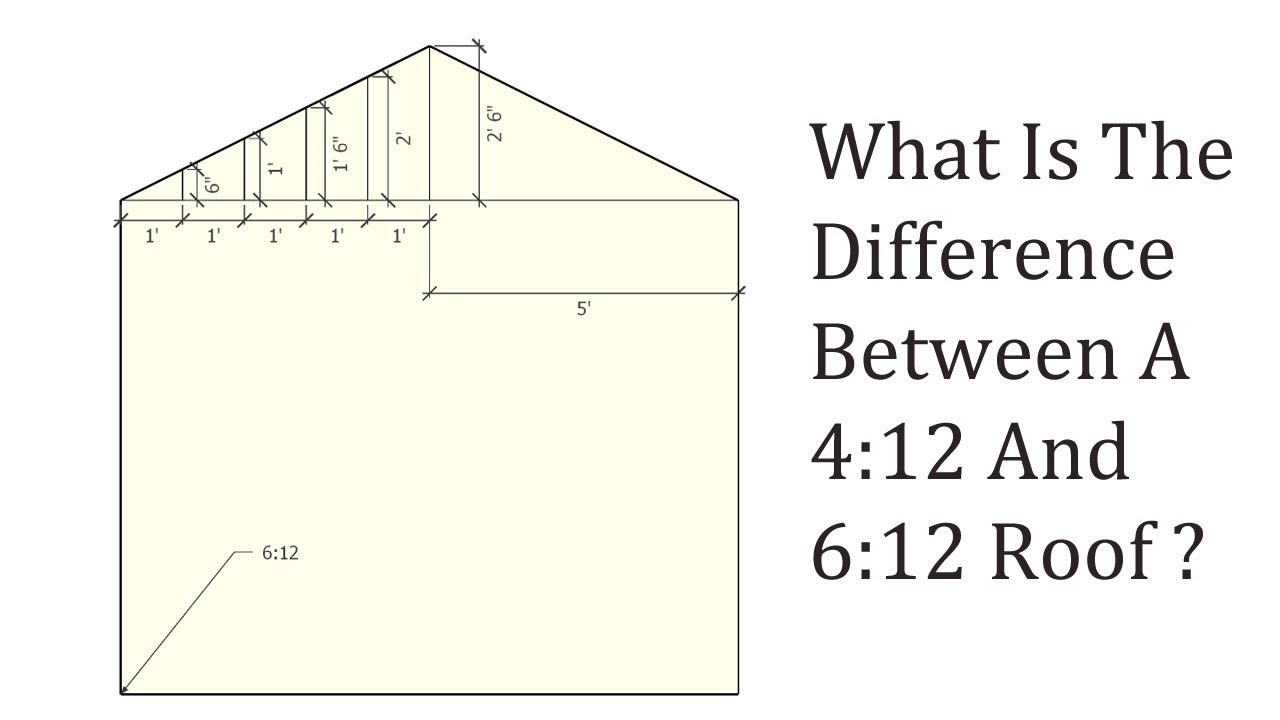
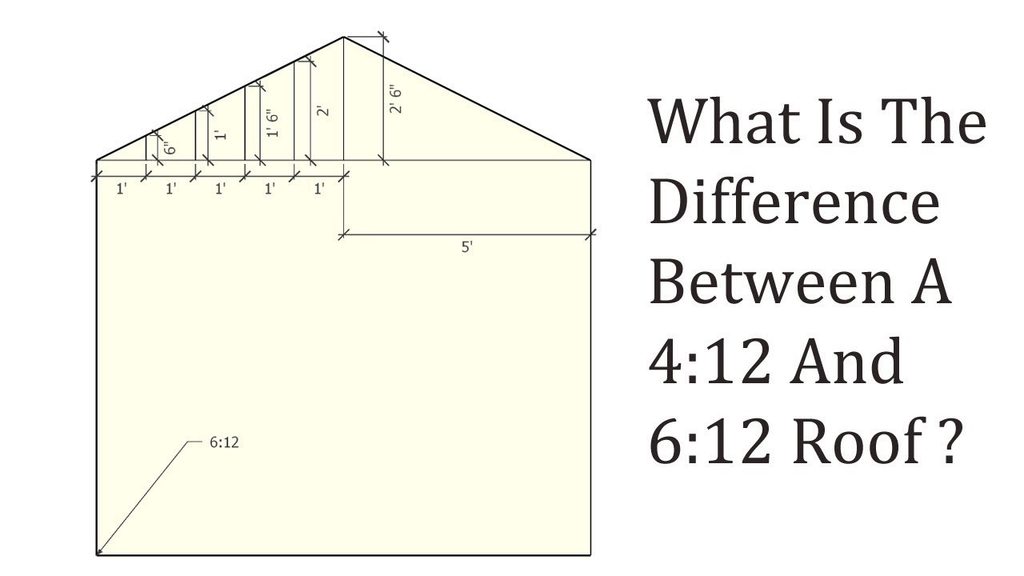
In roofing terminology, pitch is expressed as a ratio of vertical rise to horizontal run. A 6/12 pitch means that for every 12 inches (one foot) of horizontal distance, the roof rises 6 inches vertically. This is a moderate slope, common in many American residential homes because it balances aesthetic appeal with functional performance.
The Mathematics Behind the Angle
To convert any roof pitch to degrees, we use basic trigonometry. Specifically, we use the arctangent function (tan⁻¹). Here is the step-by-step breakdown:
- Identify Rise and Run: For a 6/12 pitch, the Rise = 6 and the Run = 12.
- Calculate the Ratio: Divide the rise by the run.
- 6÷12=0.5
- Apply Arctangent: Use a calculator to find the inverse tangent of 0.5.
- tan−1(0.5)≈26.565∘
Rounded to two decimal places, we get 26.57°.
This calculation is universal. Whether you are in New York or California, a 6/12 pitch will always result in this same angle. Understanding this conversion helps you communicate effectively with architects, engineers, and roofing contractors.
Why Does Roof Pitch Matter?
You might wonder why you need to know the degree instead of just sticking with the 6/12 ratio. The answer lies in material compatibility, safety, and local building codes.
1. Material Suitability
Not all roofing materials work on every slope. Asphalt shingles, the most popular roofing material in the US, generally require a minimum pitch of 2/12 or 4/12 depending on the manufacturer and installation method. A 6/12 pitch (26.57°) is well within the safe zone for asphalt shingles, metal roofing, and clay tiles. However, if you were considering flat roof membranes like EPDM, this slope would be too steep.
2. Water Drainage and Snow Load
The angle of your roof directly impacts how quickly water and snow slide off.
- Rain: At 26.57 degrees, rain runs off efficiently, reducing the risk of leaks and water pooling.
- Snow: In colder climates, a 6/12 pitch helps shed snow better than a low-slope roof, but it may still retain some snow during heavy storms. This is a critical factor for structural integrity in states like Minnesota or Maine.
3. Safety and Walkability
For maintenance purposes, such as cleaning gutters or inspecting chimneys, the steepness of the roof determines the safety equipment required. A 6/12 pitch is considered moderately steep. While it is walkable for professionals using proper harnesses and footwear, it is dangerous for untrained homeowners. The steeper the angle, the higher the risk of slipping.
Comparing 6/12 Pitch to Other Common Pitches
To give you better context, let’s compare the 6/12 pitch against other standard roof slopes used in the United States. This comparison will help you visualize where 26.57 degrees sits on the spectrum.
| Roof Pitch (Rise/Run) | Angle (Degrees) | Classification | Best For |
|---|---|---|---|
| 2/12 | ~9.46° | Low Slope | Flat-style aesthetics, modern homes |
| 4/12 | ~18.43° | Low-Moderate | Standard suburban homes, cost-effective |
| 6/12 | ~26.57° | Moderate | Traditional styles, good drainage |
| 8/12 | ~33.69° | Steep | Colonial styles, heavy snow areas |
| 12/12 | 45.00° | Very Steep | A-frames, extreme snow shedding |
As you can see, a 6/12 pitch is right in the middle. It offers a classic triangular look that many homeowners find appealing without being excessively difficult or expensive to build.
How to Measure Your Roof Pitch Accurately
If you are unsure whether your roof is actually a 6/12 pitch, you can measure it yourself. However, please prioritize safety. Never climb onto a steep roof without proper fall protection.
Method 1: From the Attic (Safest)
- Go into your attic and locate a rafter.
- Place a level horizontally against the bottom edge of the rafter.
- Ensure the bubble in the level is centered.
- Measure 12 inches along the level from the end touching the rafter.
- Measure the vertical distance from the 12-inch mark on the level up to the bottom of the rafter.
- If this distance is 6 inches, you have a 6/12 pitch.
Method 2: From the Exterior (Requires Ladder)
- Place a ladder securely against the eaves.
- Hold a level horizontally against the roof surface.
- Mark the 12-inch point on the level.
- Measure the vertical distance from the roof surface to the 12-inch mark.
- Again, 6 inches equals a 6/12 pitch.
For more detailed technical standards on roofing measurements, you can refer to general construction guidelines available on Wikipedia.
Pros and Cons of a 6/12 Pitch Roof
Choosing a roof pitch is a trade-off. Here is a quick breakdown of the advantages and disadvantages of opting for a 26.57-degree slope.
Advantages
- Aesthetic Appeal: Provides a traditional, balanced look that complements various architectural styles, including Ranch, Colonial, and Craftsman.
- Cost-Effective: Easier and safer to install than steeper pitches (like 8/12 or 12/12), which can lower labor costs.
- Attic Space: Offers more usable headroom in the attic compared to lower pitches, potentially allowing for storage or conversion into living space.
- Efficient Drainage: Sheds water and debris effectively, minimizing maintenance issues.
Disadvantages
- Material Usage: Requires more roofing material than a low-slope roof due to the increased surface area.
- Wind Resistance: While better than very steep roofs, it can still catch wind uplift if not properly secured, especially in hurricane-prone areas.
- Not Ideal for Flat Looks: If you desire a modern, minimalist aesthetic, a 6/12 pitch may appear too traditional or “busy.”
FAQ Section
1. Is a 6/12 pitch roof considered steep?
No, a 6/12 pitch is generally considered a moderate slope. It is steeper than the minimum requirement for most shingles but not as steep as high-pitch roofs found in Victorian or A-frame homes. It is manageable for professional roofers with standard safety gear.
2. Can I walk on a 6/12 pitch roof?
Technically, yes, but it is not recommended for inexperienced individuals. A 26.57-degree angle is slippery, especially when wet or covered in dew. Professionals use harnesses, rope systems, and specialized shoes. If you must go up, ensure you have proper fall arrest equipment.
3. What is the multiplier for a 6/12 pitch roof?
When calculating the total square footage of roofing material needed, you use a pitch multiplier. For a 6/12 pitch, the multiplier is approximately 1.118. This means if your floor plan is 1,000 square feet, your roof area is roughly 1,118 square feet. This accounts for the slope’s additional surface area.
4. Does a 6/12 pitch require special underlayment?
Generally, no. Standard synthetic or felt underlayment works well for a 6/12 pitch. However, local building codes in high-wind or ice-dam prone areas may require ice and water shield along the eaves and valleys, regardless of the pitch. Always check with your local building department.
5. How does a 6/12 pitch affect energy efficiency?
The pitch itself has a minimal direct impact on energy efficiency. However, a 6/12 pitch allows for better attic ventilation options, such as ridge vents, which can help regulate temperature and reduce cooling costs in the summer. The color and type of roofing material play a much larger role in energy efficiency than the angle alone.
Conclusion
Knowing what is the degree of a 6 12 pitch roof empowers you to make informed decisions about your home improvement projects. At 26.57 degrees, this pitch offers a perfect blend of functionality, aesthetics, and cost-effectiveness. It ensures efficient water drainage, provides ample attic space, and remains accessible for maintenance when proper safety precautions are taken.
Whether you are hiring a contractor or DIY-ing a small repair, understanding this angle helps you communicate clearly and avoid costly mistakes. Remember, while the math is simple, the application requires precision and safety.
Did you find this guide helpful? Share it with your friends on social media who might be planning their own roofing projects! Let’s help everyone build safer, smarter homes.
Leave a Reply