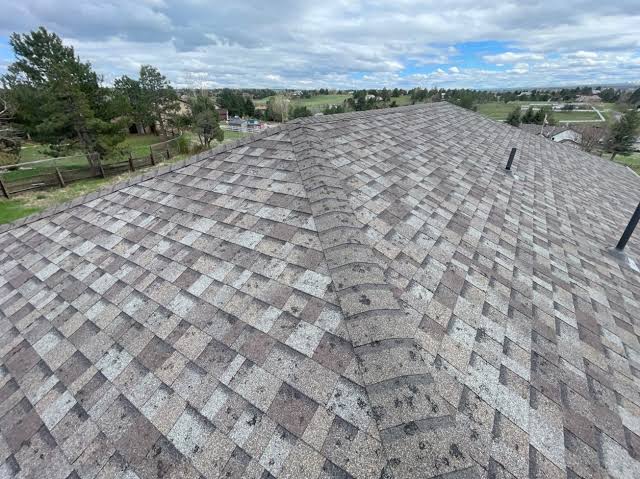
Storms can be terrifying, not just for the noise and wind, but for the silent destruction they leave behind. You might hear the thunderous racket of hail hitting your home, but once the sky clears, the real anxiety begins: Did my roof survive? Many homeowners assume that if there are no visible leaks, they are safe. However, hidden structural weaknesses can lead to massive repair bills months later. Knowing how to tell if you have hail damage on roof is crucial for protecting your home’s integrity and ensuring your insurance claim is handled correctly.
In this guide, we will walk you through the exact steps to identify hail damage, differentiate it from normal wear and tear, and decide when to call a professional.
Why Early Detection of Hail Damage Matters
Hail damage is often deceptive. Unlike a fallen tree branch, which leaves an obvious gaping hole, hail bruises the roofing materials. These bruises compromise the waterproofing layer of your shingles. Over time, UV rays and rain exploit these weak spots, leading to granule loss, cracking, and eventually, interior water damage.
According to the Insurance Information Institute, weather-related disasters account for a significant portion of homeowner insurance claims annually. Catching damage early doesn’t just save your ceiling; it saves your wallet by preventing minor repairs from turning into full roof replacements.
What Does Hail Damage Look Like on Shingles?
The most common roofing material in the US is asphalt shingles, and they are particularly susceptible to hail. When inspecting your roof, you aren’t looking for holes; you are looking for impact marks.
Key Signs to Look For:
- Random Pattern of Dents: Hail falls randomly. If you see dents or marks scattered without a pattern, it is likely hail. Mechanical damage (like from foot traffic) usually follows a straight line or path.
- Black Spots: When hail hits a shingle, it knocks off the protective mineral granules. This exposes the black asphalt underneath. Look for small, circular black spots where the granules are missing.
- Shiny Spots: Conversely, sometimes the impact compresses the granules, making them appear shiny or reflective compared to the surrounding matte finish.
- Soft Spots: If you gently touch the shingle (be careful on ladders), a hail bruise will feel soft or spongy because the matting underneath has been fractured.
Pro Tip: Use binoculars for a preliminary inspection from the ground. Climbing onto a wet or steep roof immediately after a storm is dangerous and should be avoided.
How to Distinguish Hail Damage from Normal Wear
One of the biggest challenges homeowners face is distinguishing between age-related wear and storm damage. Insurance adjusters look for specific criteria to make this distinction, and you should too.
| Feature | Hail Damage | Normal Wear & Tear |
|---|---|---|
| Pattern | Random, scattered across the roof slope. | Uniform, often worse near ridges or valleys. |
| Granule Loss | Circular spots exposing black asphalt. | General thinning, often in gutters or downspouts. |
| Cracks | Star-shaped or circular cracks around impact points. | Linear cracks running along the shingle length. |
| Age of Mark | Fresh, sharp edges on the exposed asphalt. | Weathered, faded, or blurred edges. |
Normal wear happens gradually over years. Hail damage happens instantly. If your roof is 15 years old, some granule loss is expected. However, if you see fresh, dark circles appearing suddenly after a storm, that is a strong indicator of hail impact.
Checking Other Roof Components for Impact
Your shingles are not the only victims. Hail can damage other critical components of your roofing system, which may be easier to inspect from the ground.
1. Metal Flashings and Vents
Look at the metal flashing around chimneys, vents, and skylights. Hail will leave distinct dents in metal. If you see fresh dents on your aluminum vent caps or copper flashing, it is highly probable that your shingles sustained similar impacts.
2. Gutters and Downspouts
Check your gutters for dings. While old dents exist, new, shiny indentations suggest recent hail activity. Also, check for an accumulation of granules in the gutters. A sudden surge of granules post-storm indicates that shingles are shedding their protective layer due to impact.
3. Soft Metal Fixtures
Inspect any soft metal fixtures, such as satellite dishes, AC units, or solar panels. Dents here are undeniable proof of hail size and intensity. For more context on how hail forms and its physical properties, you can refer to the detailed explanation on Wikipedia.
Step-by-Step Guide to Inspecting Your Roof Safely
If you decide to inspect your roof closer, safety must be your priority. Follow these steps meticulously.
- Wait for Dry Conditions: Never inspect a wet roof. Shingles become slippery, and the risk of falling increases exponentially. Wait at least 24–48 hours after the storm.
- Use Proper Gear: Wear rubber-soled shoes for better grip. Use a sturdy extension ladder and have someone hold the base.
- Start from the Ground: Use high-quality binoculars. Walk around the entire perimeter of your house. Look for the “black spots” mentioned earlier.
- Close-Up Inspection (If Safe): If you must go up, step carefully on the flat part of the shingle, not the edge. Look for fractures in the fiberglass mat. You might need to lift a shingle tab gently to see if the underside is cracked.
- Document Everything: Take clear, high-resolution photos of any suspected damage. Include close-ups and wide shots for context. Date-stamp these photos if possible.
When to Call a Professional Roofer
While DIY inspections are helpful, they are not substitutes for professional assessment. You should call a licensed roofer if:
- You see widespread granule loss.
- You notice any interior water stains on your ceiling or walls.
- The hail was larger than a quarter (1 inch in diameter).
- You are uncomfortable climbing a ladder.
Professional roofers have the training to identify “functional” damage—damage that may not look severe but compromises the roof’s lifespan. They can provide a detailed report that is essential for insurance claims.
Navigating the Insurance Claim Process
Once you have confirmed damage, the next step is dealing with insurance. This process can be daunting, but being prepared helps.
- File Promptly: Most policies have a time limit for filing storm damage claims. Do not wait.
- Provide Evidence: Submit your dated photos and any notes from your DIY inspection.
- Get Multiple Estimates: Insurance adjusters work for the insurance company. Having an independent estimate from a reputable local roofer ensures you get a fair assessment of repair costs.
- Understand Your Deductible: Check your policy for a separate “wind/hail deductible,” which is often higher than your standard deductible.
FAQ Section
1. Can hail damage cause leaks immediately?
Not always. Hail often causes bruising that weakens the shingle. Leaks may develop months or even years later as the compromised area degrades under sun and rain exposure. This is why immediate inspection is vital even if no leak is present.
2. Does homeowners insurance cover hail damage?
Most standard homeowners insurance policies cover hail damage. However, coverage depends on your specific policy, location, and deductible. Some regions with frequent hailstorms may have exclusions or higher deductibles. Always review your policy details.
3. How big does hail need to be to damage a roof?
Hail as small as 1 inch (the size of a quarter) can cause cosmetic and functional damage to asphalt shingles. Larger hail (2 inches or more) can cause severe structural damage, including cracking tiles and denting metal roofs.
4. Will hail damage void my roof warranty?
It depends on the manufacturer and the severity. Minor cosmetic hail damage might not void a warranty, but significant functional damage that leads to leaks might require repair to maintain warranty validity. Check with your roofing manufacturer.
5. Can I repair hail damage myself?
Minor cosmetic issues might seem fixable, but roof repair is complex. Improper sealing can lead to worse leaks. It is strongly recommended to hire a professional to ensure the repair meets building codes and maintains your insurance coverage.
Conclusion
Learning how to tell if you have hail damage on roof empowers you to take control of your home maintenance. By recognizing the signs—random dents, black spots, and granule loss—you can act quickly to prevent minor issues from becoming major disasters. Remember, the goal isn’t just to fix the roof; it’s to preserve the safety and value of your home.
Don’t let storm damage linger in the shadows. Inspect your roof, document what you find, and consult with professionals when in doubt. If you found this guide helpful, please share it with your neighbors and friends on social media. Staying informed together helps our entire community weather the storm better.
Leave a Reply