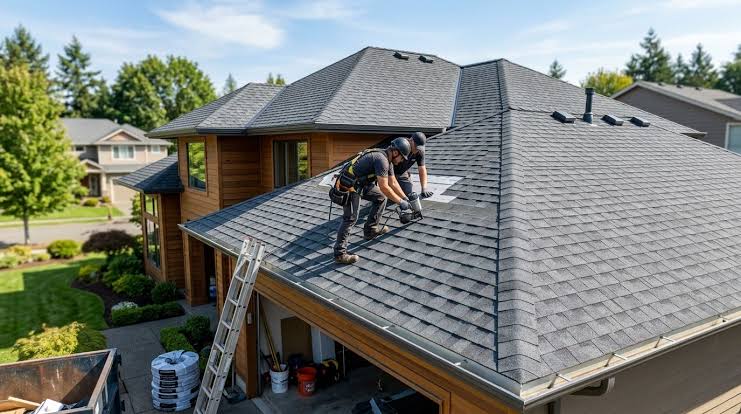
Replacing a roof is one of the most significant home maintenance expenses you will ever face. It is rarely a planned event; often, it comes after a storm or when leaks suddenly appear, creating immediate financial stress. If you are wondering what is the best way to finance a new roof, you are not alone. Many US homeowners struggle to find a balance between urgent repairs and budget constraints.
This guide breaks down the most effective financing strategies, helping you make an informed decision that protects both your home and your wallet. We will explore interest rates, repayment terms, and hidden fees so you can choose the path that fits your financial situation.
Why Financing Is Often Necessary for Roof Replacement
The average cost of a new roof in the United States ranges from $5,000 to $15,000, depending on materials and square footage. For high-end materials like slate or metal, costs can exceed $30,000. Most emergency savings accounts are not designed to cover such large, unexpected expenses instantly.
Financing allows you to spread this cost over time. However, not all financing options are created equal. Some come with high-interest rates that can double the total cost, while others offer tax advantages or low introductory rates. Understanding these differences is crucial for long-term financial health.
What Are the Most Common Ways to Finance a Roof?
When researching what is the best way to finance a new roof, you will encounter several primary options. Each has distinct pros and cons based on your credit score, home equity, and income stability.
1. Home Equity Loan or HELOC
A Home Equity Line of Credit (HELOC) or a home equity loan uses your home as collateral. Because these are secured loans, they typically offer lower interest rates compared to unsecured personal loans.
- Home Equity Loan: You receive a lump sum upfront and repay it with fixed monthly payments.
- HELOC: Works like a credit card. You have a credit limit and only pay interest on what you use during the “draw period.”
Pros:
- Lower interest rates.
- Potential tax deductibility of interest (consult a tax professional).
- Higher borrowing limits.
Cons:
- Your home is at risk if you default.
- Closing costs and appraisal fees may apply.
- Longer approval process.
2. Personal Loans
Personal loans are unsecured, meaning you do not need to put up your home as collateral. They are ideal for homeowners who do not have enough equity or do not want to risk their property.
Pros:
- Fast funding (often within 24–48 hours).
- No risk to your home.
- Fixed monthly payments make budgeting easier.
Cons:
- Higher interest rates than secured loans.
- Strict credit score requirements for the best rates.
- Lower loan amounts compared to HELOCs.
3. Contractor Financing
Many roofing companies partner with third-party lenders to offer in-house financing. This can be convenient because the application process is handled directly by the roofer.
Pros:
- Easy application process.
- Promotional offers like “0% interest for 12 months.”
- Quick approval.
Cons:
- High interest rates after the promotional period ends.
- Limited lender options.
- Potential for aggressive sales tactics.
4. Credit Cards
For smaller repairs or partial replacements, credit cards can be a viable option, especially if you have a card with a 0% introductory APR offer.
Pros:
- Immediate access to funds.
- Rewards points or cash back.
- No application process if you already have the card.
Cons:
- Very high interest rates after the intro period.
- Can negatively impact your credit utilization ratio.
- Not suitable for large-scale replacements.
How Do Interest Rates Affect Your Total Cost?
Interest rates play a pivotal role in determining the true cost of your new roof. A difference of just 2% in interest can add thousands of dollars to your total repayment amount over five years.
| Financing Option | Avg. Interest Rate (2026 Est.) | Repayment Term | Risk Level |
|---|---|---|---|
| HELOC | 7% – 9% | 5–20 Years | High (Secured) |
| Personal Loan | 8% – 15% | 2–7 Years | Low (Unsecured) |
| Contractor Financing | 0% – 20%+ | 1–10 Years | Medium |
| Credit Card | 0% – 25%+ | Variable | Low (Unsecured) |
Note: Rates vary based on credit score and market conditions. Always check current rates before applying.
According to data from Wikipedia, home equity products remain one of the most popular methods for funding major home improvements due to their favorable terms for borrowers with strong credit histories.
What Credit Score Do You Need for Roof Financing?
Your credit score is the single biggest factor influencing your eligibility and interest rate. Here is a general breakdown:
- Excellent (750+): You qualify for the lowest rates on personal loans and HELOCs.
- Good (700–749): You will likely get approved but may see slightly higher rates.
- Fair (650–699): Approval is possible, but expect higher interest rates. Some lenders may require a co-signer.
- Poor (<650): Options are limited. You may need to look into contractor financing with higher rates or consider saving up for a larger down payment.
Tip: Before applying, check your credit report for errors. Disputing inaccuracies can boost your score quickly, potentially saving you hundreds in interest.
Step-by-Step Guide to Securing Roof Financing
Follow these steps to ensure you get the best deal possible:
- Get Multiple Quotes: Obtain at least three detailed quotes from licensed roofing contractors. Ensure they include material specs, labor costs, and warranty information.
- Check Your Credit Score: Know your standing before talking to lenders. This gives you negotiating power.
- Compare Lenders: Do not just accept the first offer. Look at banks, credit unions, and online lenders. Credit unions often offer lower rates to members.
- Read the Fine Print: Look for prepayment penalties, origination fees, and variable rate clauses. A low monthly payment might hide a balloon payment at the end.
- Apply for Pre-Approval: This allows you to shop with a budget in mind without hurting your credit score multiple times (multiple inquiries for the same purpose within 14–45 days usually count as one).
- Finalize the Contract: Once financing is secured, sign the contract with your roofer. Ensure the start date and completion timeline are clear.
Are There Government Grants or Assistance Programs?
While federal grants for roof replacement are rare for general homeowners, there are specific programs to explore:
- FHA 203(k) Loan: Allows you to bundle home repairs into your mortgage.
- USDA Rural Repair Loans: Available for homeowners in rural areas with low incomes.
- Weatherization Assistance Program (WAP): Helps low-income families improve energy efficiency, which may include roof repairs if they affect insulation.
Always check with your local state housing agency for region-specific incentives.
FAQ Section
1. Can I finance a roof with bad credit?
Yes, but options are limited. You may need to look for specialized bad-credit personal loans or contractor financing. Be prepared for higher interest rates and possibly a larger down payment. Improving your credit score before applying is highly recommended.
2. Is a HELOC better than a personal loan for a roof?
It depends on your situation. A HELOC is generally better if you have significant home equity and want a lower interest rate. A personal loan is better if you want a faster process, do not have equity, or do not want to risk your home as collateral.
3. Does homeowner’s insurance cover roof replacement?
Insurance typically covers roof damage caused by sudden, accidental events like storms, hail, or falling trees. It does not cover wear and tear or age-related deterioration. Check your policy details and file a claim if the damage is storm-related.
4. How long does it take to get approved for roof financing?
Personal loans and credit cards can be approved in minutes to 24 hours. HELOCs and home equity loans take longer, typically 2–6 weeks, due to the appraisal and underwriting process. Contractor financing varies but is usually faster than traditional bank loans.
5. What is the average monthly payment for a new roof?
This varies widely based on the loan amount and term. For a $10,000 loan at 8% interest over 5 years, the monthly payment would be approximately $203. Always use a loan calculator to estimate payments based on your specific terms.
Conclusion
Finding what is the best way to finance a new roof requires careful consideration of your financial health, credit score, and long-term goals. For many, a HELOC offers the best balance of low rates and flexibility, while personal loans provide speed and security without risking your home.
Do not rush the decision. Compare offers, read the fine print, and choose a lender that transparently explains all costs. A new roof is an investment in your home’s safety and value, and financing it wisely ensures that investment pays off.
If you found this guide helpful, please share it on social media to help other homeowners navigate their roofing projects with confidence!
Leave a Reply