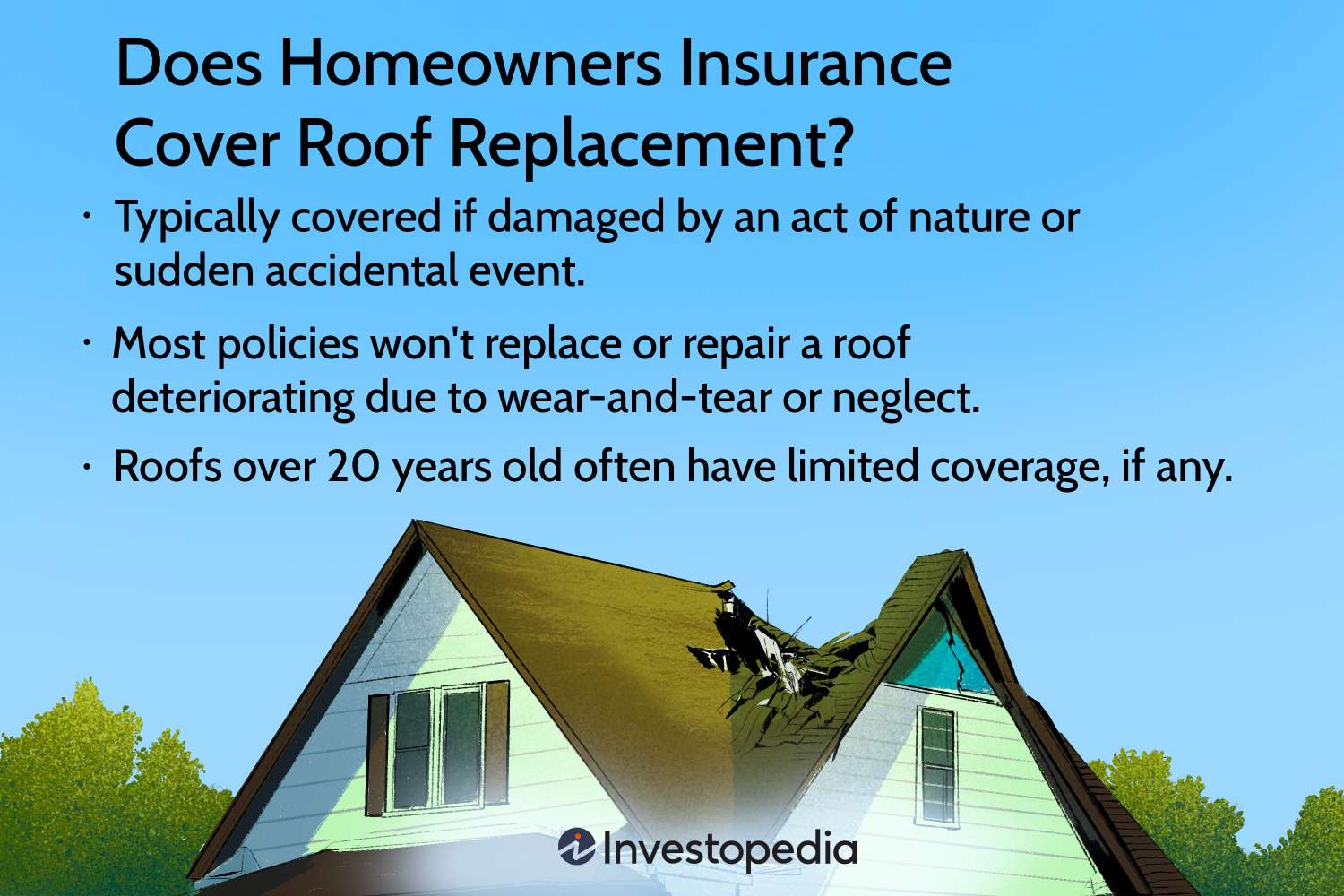
Discovering a leak or missing shingles after a storm is stressful, but knowing how to get home insurance to pay for new roof replacement can save you thousands of dollars. Many homeowners face denied claims simply because they don’t understand the policy nuances or the documentation required by insurers. This guide will walk you through the process with empathy and expertise, ensuring you are fully prepared to advocate for your home.
Understanding When Insurance Covers Roof Replacement
Before filing a claim, it is crucial to distinguish between “wear and tear” and “sudden accidental damage.” Insurance companies are designed to cover unexpected events, not maintenance issues.
Sudden vs. Gradual Damage
Most standard homeowners insurance policies cover roof damage caused by specific perils, such as:
- Windstorms: High winds lifting shingles or tearing off sections.
- Hail: Dents or cracks in shingles that compromise integrity.
- Falling Objects: Tree branches or debris impacting the roof.
- Fire and Lightning: Direct damage from electrical storms or fires.
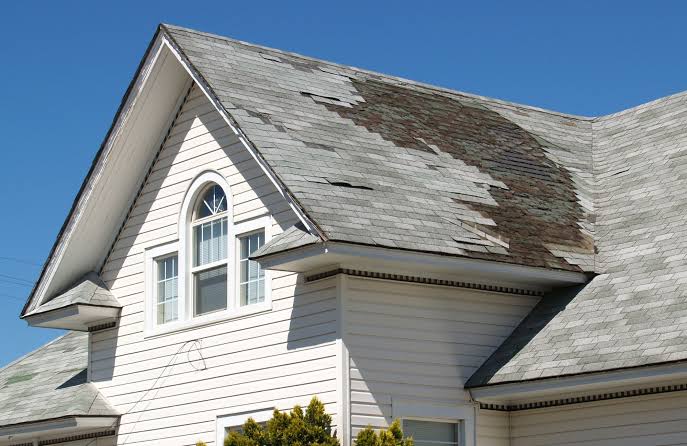
However, if your roof is old and leaking due to age, poor installation, or lack of maintenance, the insurer will likely deny the claim. According to industry standards, roofs generally last 20–25 years. If your roof is near the end of its lifespan, insurers may argue that the damage is due to deterioration rather than a covered event.
Expert Insight: “The burden of proof lies with the homeowner. You must demonstrate that a specific, covered event caused the damage, not just general aging.” – National Association of Insurance Commissioners (NAIC) guidelines.
For more detailed definitions of covered perils, you can refer to the general concepts of Property Insurance on Wikipedia.
Step-by-Step Guide: How To Get Home Insurance To Pay For New Roof
Navigating the claims process requires precision. Follow these concrete steps to improve your chances of approval.
1. Document the Damage Immediately
Time is of the essence. As soon as you suspect damage:
- Take Photos: Use a high-resolution camera. Capture wide shots of the entire roof (if safe) and close-ups of damaged shingles, dents, or leaks.
- Video Walkthrough: Record a video showing the extent of the damage from multiple angles.
- Interior Evidence: Photograph water stains on ceilings or walls, which indicate active leaks.
2. Review Your Policy Details
Locate your declarations page. Look for:
- Deductible: The amount you pay out-of-pocket. If repair costs are close to your deductible, filing a claim might not be worth it.
- Coverage Limits: Ensure your dwelling coverage is sufficient to replace the roof at current market rates.
- Exclusions: Check for specific exclusions like “cosmetic damage” from hail, which some insurers do not cover.
3. Hire a Licensed Roofing Contractor for an Inspection
Do not rely solely on the insurance adjuster’s initial assessment.
- Get a written estimate from a reputable, licensed roofing contractor.
- Ask them to provide a detailed report specifying the cause of damage (e.g., “hail impact marks consistent with storm on [Date]”).
- Tip: Choose a contractor who has experience working with insurance claims. They can often speak the same language as adjusters.
4. File the Claim Promptly
Contact your insurance provider to initiate the claim. Provide:
- Date and time of the incident.
- Description of the event (e.g., “Severe thunderstorm with golf-ball-sized hail”).
- Your photos and the contractor’s preliminary report.
5. Meet with the Insurance Adjuster
The adjuster will inspect your property.
- Be Present: Walk the roof with them if possible. Point out specific areas of concern.
- Provide Evidence: Hand over your contractor’s report and photos.
- Stay Calm and Factual: Stick to the facts. Do not speculate about the age of the roof unless asked.
6. Negotiate if Necessary
If the initial offer is too low:
- Request a re-inspection.
- Provide additional quotes from other contractors.
- Highlight any missed damage in the adjuster’s report.
Common Reasons for Claim Denials and How to Avoid Them
Understanding why claims are denied can help you preemptively address issues.
| Reason for Denial | Explanation | How to Avoid It |
|---|---|---|
| Lack of Maintenance | Insurer argues damage is due to neglect. | Keep records of regular roof inspections and minor repairs. |
| Pre-Existing Damage | Damage occurred before the policy start date. | Ensure you have a clear timeline of when damage occurred. |
| Cosmetic Only | Hail dents that don’t affect functionality. | Check if your policy includes “cosmetic exclusion” clauses. |
| Incorrect Filing | Missing documentation or late filing. | File immediately and keep digital copies of all documents. |
Actual Cash Value (ACV) vs. Replacement Cost Value (RCV)
One of the most critical aspects of how to get home insurance to pay for new roof is understanding how your payout is calculated.
- Actual Cash Value (ACV): This pays you the current value of your roof, minus depreciation. If your roof is 10 years old and has a 20-year lifespan, you may only receive 50% of the replacement cost initially.
- Replacement Cost Value (RCV): This pays the full cost to replace the roof with similar materials, without deducting for depreciation. However, you usually receive the depreciated amount first, and the rest is paid once you provide proof of completion.
Pro Tip: If you have an RCV policy, ensure you complete the repairs within the timeframe specified by your insurer (usually 180 days) to recover the withheld depreciation.
FAQ Section
1. Will my insurance premiums increase after a roof claim?
Yes, in most cases, filing a claim can lead to higher premiums. However, if the damage was caused by a widespread natural disaster (like a hurricane), insurers may be more lenient. Always weigh the cost of the repair against the potential premium increase.
2. Can I choose my own roofing contractor?
Yes, you have the right to choose any licensed contractor. Insurance companies may recommend vendors from their network, but you are not obligated to use them. Ensure your chosen contractor is reputable and willing to work with your insurer.
3. What if the insurance adjuster says the damage is just wear and tear?
If you disagree, hire an independent public adjuster or a structural engineer to provide a second opinion. Their professional report can serve as strong evidence to challenge the insurer’s decision.
4. Does home insurance cover a full roof replacement if only part is damaged?
Typically, no. Insurers will only pay to repair the damaged section. However, if matching shingles are unavailable, some policies may cover a full replacement to maintain aesthetic uniformity. Check your policy for “matching clause” provisions.
5. How long do I have to file a roof damage claim?
Most policies require you to file “promptly,” which usually means within one year of the incident. However, waiting too long can make it difficult to prove the cause of damage. It is best to file within days of discovering the issue.
Conclusion
Learning how to get home insurance to pay for new roof replacement is about preparation, documentation, and persistence. By understanding your policy, documenting damage thoroughly, and engaging professional help, you can navigate the claims process with confidence. Remember, the goal is to restore your home to its pre-loss condition, not to profit from the claim.
If you found this guide helpful, please share it on social media to help other homeowners protect their investments. Stay informed, stay prepared, and keep your home safe!