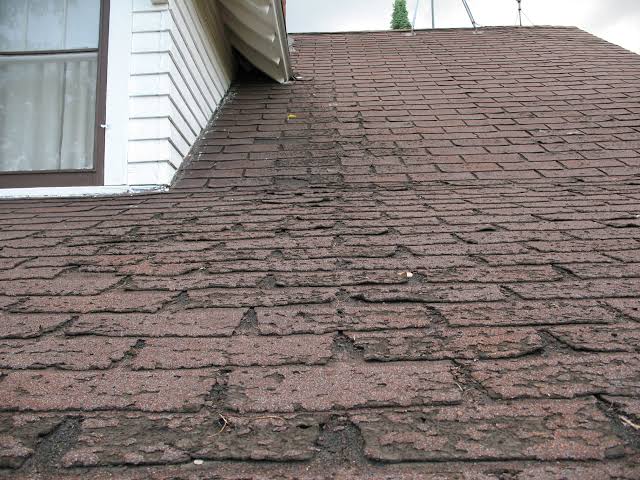
Your home is likely your biggest investment, and the roof is its first line of defense against the elements. Ignoring minor issues can lead to catastrophic water damage, mold growth, and skyrocketing repair bills down the line. If you are staring at your ceiling wondering how to know if your roof needs to be replaced, you are not alone; this guide will help you identify the red flags before they become emergencies.
The Age Factor: How Old Is Too Old?
One of the most reliable indicators that it is time for a new roof is simply its age. Most homeowners do not think about their roofing material’s lifespan until a problem arises, but knowing the expected longevity of your specific shingles is crucial for proactive maintenance.
Typical Lifespans by Material
Different materials wear out at different rates. Here is a general breakdown of what you can expect from common roofing materials in the US climate:
| Material Type | Average Lifespan | Key Vulnerabilities |
|---|---|---|
| Asphalt Shingles (3-tab) | 15–20 Years | Wind uplift, UV degradation, thermal cycling |
| Architectural Asphalt | 20–30 Years | Granule loss, algae growth in humid areas |
| Wood Shakes/Shingles | 20–25 Years | Rot, mold, insect damage, fire risk |
| Metal Roofing | 40–70 Years | Corrosion (if coating fails), loose fasteners |
| Slate/Tile | 50+ Years | Cracking from impact, heavy weight load |
If your asphalt shingle roof is approaching the 20-year mark, you should begin annual professional inspections. Even if it looks fine from the ground, the underlying structure may be compromising. According to industry standards, once a roof passes 80% of its expected life, the risk of sudden failure increases significantly.
Visible Exterior Damage: What to Look For From the Ground
You do not need to climb a ladder to spot many serious roofing issues. In fact, safety experts recommend starting your assessment from the ground using binoculars. Here are the specific visual cues that suggest your roof is failing.
Missing, Curled, or Cracked Shingles
Shingles are designed to lie flat and overlap tightly. If you see shingles that are:
- Curling at the edges: This indicates heat damage and loss of structural integrity.
- Cracking: Often caused by severe temperature fluctuations or poor ventilation.
- Missing entirely: This leaves the underlayment exposed to rain and sun.
When shingles curl or crack, they lose their ability to shed water effectively. Wind can easily lift curled edges, tearing them off completely during storms.
Granule Loss in Gutters
Asphalt shingles are coated with ceramic granules that protect the asphalt core from UV rays. As the roof ages, these granules loosen and wash away. Check your gutters and downspouts. If you find an accumulation of sand-like particles, especially after a rainstorm, your shingles are wearing out.
Pro Tip: If the granules are washing away, the asphalt underneath is exposed to the sun. This accelerates aging and makes the shingles brittle. A simple test is to run your hand over a shingle (safely). If it feels rough and gritty, it still has protection. If it feels smooth and slick, the granules are gone.
Sagging Roof Deck
A sagging roofline is a critical emergency. This usually indicates structural issues, such as rotting decking or compromised rafters, often due to long-term water intrusion. If you notice any dips or sags in the roofline, do not wait. Contact a structural engineer or a licensed roofing contractor immediately. This is not a DIY fix.
Interior Warning Signs: Leaks and Light
Sometimes the exterior looks deceptively okay, but the interior tells a different story. Water travels surprisingly far from its entry point, so a stain on your ceiling might not be directly below the leak on the roof.
Water Stains and Mold
Check your attic and upper-floor ceilings for:
- Brown or yellow stains: These indicate active or past water intrusion.
- Dark spots or mold growth: Mold thrives in damp, dark environments. If you see black specks on your attic sheathing or insulation, you have a moisture problem.
- Musty odors: A persistent damp smell in the attic is a strong indicator of hidden leaks.
Daylight Through the Roof Boards
Go into your attic during the day. Turn off the lights and look up. If you see beams of sunlight piercing through the roof deck, you have gaps where water, wind, and pests can enter. While small pinholes might be patched, widespread light penetration suggests the decking is deteriorating or was improperly installed.
The Hidden Killer: Poor Ventilation and Insulation
Many roof failures are not caused by the shingles themselves, but by what happens underneath them. Proper attic ventilation is essential to regulate temperature and moisture.
Ice Dams in Winter
If you live in a colder climate, ice dams are a major warning sign. They form when heat escapes from your living space into the attic, melting snow on the roof. The water runs down to the colder eaves and refreezes, creating a dam that forces water back under the shingles.
This cycle causes massive water damage. If you experience ice dams annually, your roof may need replacement, but more importantly, your attic insulation and ventilation likely need a complete overhaul.
Excessive Heat in the Attic
In summer, a poorly ventilated attic can reach temperatures exceeding 150°F (65°C). This extreme heat “cooks” the shingles from the inside out, causing them to dry out, crack, and lose their adhesive strips prematurely. If your energy bills are high and your AC struggles, check your roof vents. Blocked or insufficient vents shorten roof life significantly.
When Repair Is Not Enough: The Cost-Benefit Analysis
Homeowners often ask, “Can I just patch it?” While minor repairs are cost-effective for localized damage, there comes a tipping point where replacement is the smarter financial choice.
Consider replacing your roof if:
- Multiple Leaks: You have fixed leaks in different areas over the last two years.
- Widespread Damage: More than 30% of the shingles are damaged or missing.
- Insurance Issues: Your insurer refuses to renew coverage due to the roof’s condition.
- Energy Efficiency: New roofing materials offer better reflectivity and insulation, potentially lowering utility bills.
For a deeper understanding of roofing materials and their environmental impact, you can refer to this Wikipedia article on roofing which provides a broad overview of historical and modern techniques.
FAQ: Common Questions About Roof Replacement
1. How much does a full roof replacement cost in the US?
The cost varies widely based on location, material, and home size. On average, homeowners spend between $5,000 and $15,000 for a standard asphalt shingle roof on a 2,000-square-foot home. Premium materials like metal or slate can cost $20,000 to $50,000 or more. Always get at least three detailed quotes.
2. Will my homeowners insurance cover a new roof?
Typically, insurance covers roof replacement only if the damage is caused by a covered peril, such as a storm, hail, or falling tree. It generally does not cover wear and tear, age-related deterioration, or lack of maintenance. Review your policy carefully and document all damage with photos before filing a claim.
3. How long does a roof replacement take?
For an average-sized single-family home, a professional crew can complete an asphalt shingle replacement in 1 to 3 days. Larger homes, complex rooflines, or bad weather can extend this timeline. Metal or tile roofs may take longer due to the complexity of installation.
4. Can I replace my roof myself?
While DIY is tempting for cost savings, roofing is dangerous and technically complex. Improper installation can void warranties, cause leaks, and violate local building codes. Most manufacturers require certified installers for warranty validation. We strongly recommend hiring a licensed and insured professional.
5. What is the best time of year to replace a roof?
Late spring to early fall is ideal because temperatures are moderate, allowing adhesives to seal properly. However, roofing contractors are busiest during these months. Scheduling in late fall or early winter might yield better pricing and faster availability, provided the weather permits safe work conditions.
Conclusion: Don’t Wait for the Leak
Knowing how to know if your roof needs to be replaced is about more than just spotting a missing shingle. It involves understanding the age of your materials, recognizing subtle signs of wear like granule loss, and monitoring your attic for ventilation issues. By staying proactive, you protect your home’s structural integrity and your family’s safety.
If you noticed any of the red flags mentioned above—especially sagging, widespread granule loss, or interior water stains—it is time to call a professional for a thorough inspection. Do not let a small issue become a costly disaster.
Found this guide helpful? Share it with your neighbors on Facebook or Twitter to help them protect their homes too! A well-maintained neighborhood starts with a solid roof over every head.
Leave a Reply