Discovering a water stain on your ceiling is every homeowner’s nightmare. It triggers immediate anxiety about structural damage, mold growth, and, most pressingly, the financial burden of repairs. If you are staring at that damp patch and asking, “How much does it cost to fix a roof leak,” you are not alone. This guide breaks down the costs clearly, helping you budget effectively and avoid unnecessary expenses.
Understanding the Average Cost of Roof Leak Repairs
The short answer is that fixing a roof leak typically costs between $400 and $1,000, with the national average hovering around $750. However, this figure can vary significantly depending on the severity of the leak, the type of roofing material, and your location.
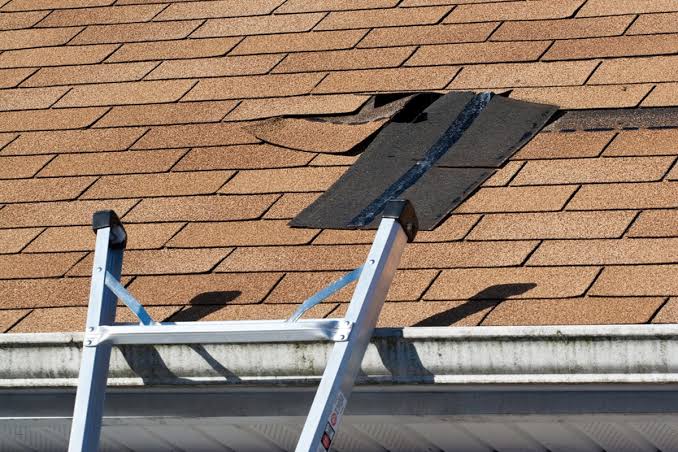
Minor repairs, such as replacing a few missing shingles or resealing a vent pipe, might cost as little as $150 to $400. On the other hand, if the leak has caused structural damage to the decking or requires extensive flashing replacement, costs can skyrocket to $2,500 or more.
It is crucial to understand that ignoring a small leak often leads to exponentially higher costs later. Water damage is insidious; what starts as a minor drip can rot wooden beams, ruin insulation, and promote hazardous mold growth within weeks.
Key Factors That Influence Repair Prices
When contractors provide a quote, they are evaluating several specific variables. Understanding these factors will help you determine if a quote is fair.
1. Type of Roofing Material
Different materials require different labor skills and replacement parts.
- Asphalt Shingles: The most common and affordable option. Repairs are generally quick and inexpensive.
- Metal Roofing: Durable but requires specialized tools for sealing seams. Costs are moderate.
- Tile or Slate: These are premium materials. Breaking a tile during repair is a risk, and matching old tiles can be difficult, driving up labor and material costs.
- Flat Roofs (EPDM/TPO): Common in commercial buildings or modern homes. Repairs often involve chemical sealants or patching membranes, which varies in price based on square footage.
2. Accessibility and Roof Pitch
Safety is a major cost driver. A steeply pitched roof requires harnesses, scaffolding, and more time to navigate safely. Similarly, if your roof is multi-storied or surrounded by obstacles like trees or power lines, contractors may charge a premium for the increased risk and difficulty.
3. Extent of Water Damage
The visible leak is only part of the problem. Contractors must assess:
- Roof Decking: Is the wood beneath the shingles rotted?
- Insulation: Has water saturated the attic insulation?
- Interior Damage: Do ceilings or walls need drywall repair and repainting?
If the water has compromised the structural integrity of the roof deck, you are no longer just paying for a “leak fix”; you are paying for structural restoration.
4. Location and Labor Rates
Labor costs vary wildly across the United States. In high-cost-of-living areas like California or New York, hourly rates for licensed roofers can be 30-50% higher than in the Midwest. Additionally, emergency repairs after a storm often incur surge pricing due to high demand.
Common Causes of Roof Leaks and Their Specific Costs
Identifying the source of the leak is half the battle. Here is a breakdown of common issues and their typical repair costs.
| Cause of Leak | Typical Repair Action | Estimated Cost Range |
|---|---|---|
| Missing Shingles | Replace 1-3 shingles | $150 – $350 |
| Damaged Flashing | Reseal or replace metal flashing around chimneys/vents | $200 – $600 |
| Clogged Gutters | Cleaning and realigning gutters | $100 – $250 |
| Vent Pipe Boot Failure | Replace rubber boot around plumbing vent | $150 – $400 |
| Valley Leaks | Repairing the intersection of two roof slopes | $300 – $800 |
| Skylight Leaks | Resealing or replacing skylight gaskets | $400 – $1,000+ |
Note: These prices include both labor and materials but exclude interior damage repair.
DIY vs. Professional Repair: What Should You Choose?
Many homeowners wonder if they can save money by fixing the leak themselves. While DIY is tempting, it comes with significant risks.
When DIY Might Work
If the issue is purely cosmetic or minor, such as a single loose shingle on a low-pitch roof, you might handle it. You would need:
- A sturdy ladder
- Roofing cement
- Replacement shingles
- Safety gear (non-slip shoes)
However, even minor DIY errors can void your manufacturer’s warranty.
When to Call a Professional
You should always hire a licensed contractor if:
- The roof is steep or high.
- The source of the leak is not obvious.
- There is signs of mold or structural rot.
- The roof is under warranty.
According to industry standards, professional roofers carry liability insurance and workers’ compensation. If you fall off your roof while attempting a DIY fix, your homeowner’s insurance may not cover the medical bills. Furthermore, professionals have moisture meters and thermal imaging cameras to detect hidden water pockets that the naked eye cannot see.
For more detailed information on roofing materials and standards, you can refer to Wikipedia’s entry on Roofing.
Step-by-Step: What to Expect During a Professional Repair
Knowing the process helps reduce anxiety and ensures you are getting quality service.
- Inspection: The roofer will climb onto the roof to visually inspect shingles, flashing, and vents. They may also check the attic for water trails.
- Diagnosis: They will identify the exact entry point. Note: Water often enters far from where it appears on the ceiling due to runoff along rafters.
- Quote Presentation: You receive a detailed breakdown of labor, materials, and timeline.
- Preparation: The crew sets up safety equipment and protects your landscaping from falling debris.
- Repair Execution:
- Damaged shingles are removed.
- Rotted decking is cut out and replaced.
- New flashing is installed with proper sealant.
- Matching shingles are nailed in place.
- Cleanup and Water Test: The area is cleaned, and the roofer may simulate rain with a hose to ensure the leak is sealed.
FAQ Section
1. Does homeowners insurance cover roof leak repairs?
Generally, yes, but only if the leak is caused by a sudden, accidental event like a storm, wind, or falling tree. Insurance typically does not cover leaks resulting from lack of maintenance, wear and tear, or age. Always review your policy details.
2. How long does it take to fix a roof leak?
Minor repairs usually take 2 to 4 hours. More complex issues involving decking replacement or flashing reconstruction can take 1 to 2 days. Weather conditions can also cause delays.
3. Can I patch a roof leak from the inside?
While you can use temporary sealants from the attic to stop active dripping, this is not a permanent solution. Water will continue to pool and rot the structure. Proper repair must always be done from the exterior to address the root cause.
4. How do I find a trustworthy roofing contractor?
Look for contractors who are licensed, insured, and have positive reviews on platforms like Google or BBB. Ask for local references and verify their physical address. Avoid door-to-door solicitors who demand full payment upfront.
5. What is the lifespan of a typical roof repair?
A high-quality professional repair should last 10 to 15 years, or until the rest of the roof needs replacement. However, if the surrounding shingles are brittle and old, further leaks may occur nearby soon after.
Conclusion
Addressing a roof leak promptly is one of the smartest investments you can make in your home. While the question “How much does it cost to fix a roof leak“ has a variable answer, knowing the average ranges ($400–$1,000) empowers you to negotiate better and spot unfair quotes. Remember, the cost of prevention is always lower than the cost of restoration.
Don’t let a small drip turn into a major renovation project. Inspect your roof regularly, maintain your gutters, and act quickly when signs of water appear.
Found this guide helpful? Share it with your friends on social media to help them protect their homes too! Your network might just thank you for saving them from a costly surprise.
Leave a Reply