Category: homeowner roofing guide

  • Bird Buddy Smart Feeder With Solar Roof Review

    Bird Buddy Smart Feeder With Solar Roof Review

    Have you ever stared out your window, spotting a flash of color in the branches, only to miss identifying the species before it flew away? For many nature enthusiasts, the frustration of not knowing exactly which bird visited their yard is a common pain point. The Bird Buddy Smart Bird Feeder With Camera And Solar Roof solves this by combining high-definition imaging with artificial intelligence, turning your backyard into an interactive wildlife sanctuary without the hassle of constant battery changes.

    In this comprehensive guide, we will explore how this innovative device works, whether the solar add-on is worth the investment, and how it can transform your bird-watching experience from passive observation to active engagement.

    What Is the Bird Buddy Smart Feeder With Solar Roof?

    At its core, the Bird Buddy is not just a container for seeds; it is a smart camera system designed specifically for ornithology enthusiasts. The standard unit features a weather-resistant housing, a high-resolution camera, and motion sensors. However, the game-changer for many users is the Solar Roof accessory.

    This accessory attaches seamlessly to the top of the feeder, harnessing sunlight to extend battery life significantly. While the base unit relies on a rechargeable lithium-ion battery that typically lasts a few weeks depending on activity, the solar roof can keep the device charged indefinitely in areas with sufficient sunlight. This combination ensures that you never miss a rare visitor due to a dead battery.

    The device uses computer vision to identify birds in real-time. When a bird lands, the camera captures video clips and photos, which are then processed via the Bird Buddy mobile app. The app notifies you instantly, allowing you to watch live streams or review captured media later.

    How Does the AI Bird Identification Work?

    One of the most frequent questions potential buyers have is regarding the accuracy of the identification system. The Bird Buddy utilizes a proprietary AI algorithm trained on millions of images of North American and global bird species.

    The Process Step-by-Step

    1. Motion Detection: The built-in sensor detects movement within the feeding zone.
    2. Capture: The camera records a short video clip (usually 5โ€“10 seconds) and takes high-resolution snapshots.
    3. Upload: The data is encrypted and uploaded to the cloud via your home Wi-Fi network.
    4. Analysis: The AI analyzes the shape, color patterns, and behavior of the bird.
    5. Notification: You receive a push notification on your phone with the suggested species name.

    According to user reports and independent tests, the accuracy rate for common backyard birds (such as Cardinals, Blue Jays, and Chickadees) is exceptionally high, often exceeding 90%. For rarer or visually similar species, the app provides a “confidence score” and allows users to correct the identification, which helps improve the algorithm over time.

    Expert Insight: “The integration of machine learning in consumer ornithology tools has democratized data collection. Devices like Bird Buddy allow citizen scientists to contribute valuable data to migration studies while enjoying their hobby.” โ€“ Source: Wikipedia – Citizen Science

    Bird Buddy Smart Bird Feeder With Camera And Solar Roof

    Is the Solar Roof Worth the Extra Cost?

    When considering the Bird Buddy Smart Bird Feeder With Camera And Solar Roof, the solar accessory is often debated. Here is a breakdown to help you decide.

    Benefits of the Solar Roof

    • Extended Battery Life: In optimal conditions, the solar panel can keep the battery topped up, reducing the need to bring the feeder indoors for charging.
    • Eco-Friendly: It reduces reliance on grid electricity for charging.
    • Convenience: Ideal for feeders placed in hard-to-reach locations or high trees where frequent retrieval is difficult.

    Limitations to Consider

    • Sunlight Dependency: If your feeder is placed under dense tree cover or in a shady corner, the solar panel may not generate enough power.
    • Weather Variability: During prolonged periods of rain or winter months with shorter days, you may still need to manually charge the battery occasionally.

    Comparison Table: Standard vs. Solar Bundle

    FeatureStandard Bird BuddyBird Buddy + Solar Roof
    Power SourceRechargeable BatteryBattery + Solar Panel
    Charging FrequencyEvery 2โ€“4 weeksRarely (depends on sun)
    Initial CostLowerHigher
    Best ForEasy-access locationsRemote/Shaded spots
    MaintenanceModerateLow

    For most users in sunny climates, the solar roof is a worthwhile investment that enhances the “set it and forget it” nature of the device.

    Setup and Installation Guide

    Setting up your Bird Buddy is straightforward, but proper placement is crucial for both bird attraction and camera performance. Follow these steps for optimal results.

    1. Charge the Device: Before first use, fully charge the battery using the provided USB-C cable. Even with the solar roof, an initial full charge is recommended.
    2. Download the App: Install the Bird Buddy app on your iOS or Android device and create an account.
    3. Connect to Wi-Fi: Ensure your feeder is within range of your 2.4 GHz Wi-Fi network. Note that 5 GHz networks are generally not supported for IoT devices like this.
    4. Mount the Solar Roof: Snap the solar roof onto the top of the feeder. Ensure it is clean and free of debris.
    5. Choose the Location:
      • Hang the feeder at eye level for the best viewing angle.
      • Place it near natural cover (like shrubs) so birds feel safe, but not so close that leaves obstruct the camera.
      • Ensure the solar panel faces south (in the Northern Hemisphere) for maximum sun exposure.
    6. Fill with Seed: Use black oil sunflower seeds for the best attraction results. Avoid mixed seeds with lots of filler, as they can jam the mechanism.

    Pros and Cons of the Bird Buddy System

    To provide a balanced view, here is an honest assessment of the deviceโ€™s strengths and weaknesses.

    Pros

    • High-Quality Video: The 1080p HD camera captures stunning details of plumage.
    • Educational Value: Great for teaching children about local wildlife.
    • Community Features: You can share your sightings with a global community of bird lovers.
    • Weather Resistant: Designed to withstand rain, snow, and extreme temperatures.

    Cons

    • Subscription Model: While basic features are free, advanced AI identification and unlimited history often require a premium subscription.
    • Wi-Fi Dependence: A stable internet connection is mandatory for real-time notifications.
    • Size: The unit is bulkier than traditional tube feeders, which might deter some smaller bird species if not adjusted properly.

    Frequently Asked Questions (FAQ)

    1. Does the Bird Buddy work at night?

    Yes, the Bird Buddy features infrared night vision. While you wonโ€™t see color footage at night, the camera can still detect motion and capture black-and-white images of nocturnal visitors like owls or raccoons.

    2. Can I use the solar roof in winter?

    You can, but efficiency will drop. Snow coverage on the panel will block sunlight, and shorter days mean less charging time. It is advisable to check the battery level more frequently during winter months and bring the unit inside for a full charge if necessary.

    3. What type of Wi-Fi does it require?

    The Bird Buddy requires a 2.4 GHz Wi-Fi network. Most modern routers broadcast both 2.4 GHz and 5 GHz signals. Ensure you connect the device to the 2.4 GHz band, as it has better range and penetration through walls, which is crucial for outdoor devices.

    4. Is there a monthly fee?

    The Bird Buddy offers a freemium model. Basic features, including live view and limited identification, are free. However, to unlock unlimited AI identifications, historical data storage, and advanced insights, a monthly or annual subscription is required.

    5. How do I clean the Bird Buddy?

    Hygiene is critical for bird health. The feeder components are detachable. You should wash the seed tray and housing with warm soapy water every two weeks. Avoid getting water directly into the camera module or charging ports. The solar roof can be wiped down with a damp cloth.

    Conclusion

    The Bird Buddy Smart Bird Feeder With Camera And Solar Roof represents a significant leap forward in backyard birding. It bridges the gap between traditional feeding and modern technology, offering an immersive experience that educates and entertains. While the initial cost and potential subscription fees are considerations, the value provided in terms of convenience, educational insight, and connection to nature is undeniable.

    If you are looking to deepen your appreciation for local wildlife without the hassle of manual identification, this device is an excellent choice. The addition of the solar roof further enhances its appeal by minimizing maintenance and ensuring continuous operation.

    Ready to transform your backyard? Share this article with your fellow bird watchers on social media and start your journey into the world of smart birding today!


  • Does a New Roof Qualify for Energy Tax Credit 2024?

    Does a New Roof Qualify for Energy Tax Credit 2024?

    Replacing a roof is one of the most significant investments a homeowner can make. It is stressful, expensive, and often unexpected. If you are currently planning a replacement or dealing with storm damage, you are likely looking for every possible way to offset the cost. A common question that arises during this process is: Does a new roof qualify for energy tax credit 2024?

    The short answer is: It depends entirely on the materials you choose.

    A standard asphalt shingle roof generally does not qualify. However, if you install specific energy-efficient roofing products that meet strict federal standards, you may be eligible for a valuable tax credit. In this guide, we will break down exactly what qualifies, how much money you can save, and the steps you need to take to ensure you donโ€™t miss out on this financial benefit.

    Understanding the 2024 Energy Efficient Home Improvement Credit

    To understand whether your new roof qualifies, we first need to look at the legislation behind it. The credit you are likely referring to is part of the Inflation Reduction Act, which extended and modified the Nonbusiness Energy Property Credit (often called the “Energy Efficient Home Improvement Credit”).

    For the 2024 tax year, this credit allows homeowners to claim 30% of the cost of qualifying energy-efficient improvements, up to a maximum annual limit.

    Key Changes for 2024

    Prior to recent updates, the limits were lower and the rules were more complex. For 2024, the IRS has streamlined the process, but the criteria for what constitutes an “energy-efficient” roof remain strict. The goal of the government is not just to reward home improvement, but to specifically incentivize reductions in household energy consumption.

    According to the Internal Revenue Service, the credit is designed to help taxpayers reduce their energy bills while lowering the national carbon footprint. This context is crucial because it explains why a basic cosmetic roof upgrade does not qualifyโ€”the primary intent must be energy efficiency.

    What Roofing Materials Actually Qualify?

    This is the most critical section for your wallet. Many contractors may vaguely mention “tax credits,” but you need to verify the specific product certification.

    1. Metal Roofs with Pigmented Coatings

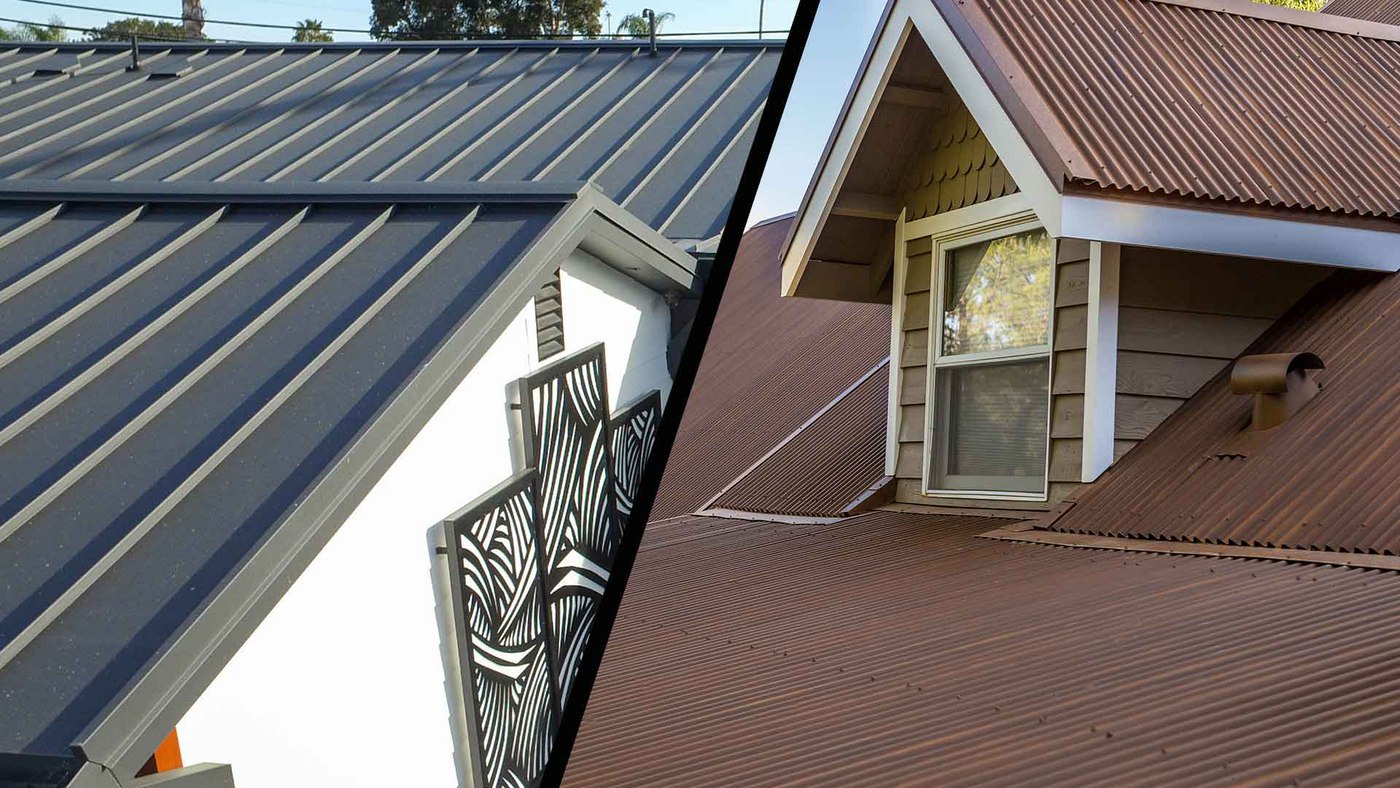
    Metal roofs are highly durable and reflective. To qualify for the 2024 tax credit, a metal roof must have pigmented coatings that meet the Energy Star program requirements for initial solar reflectance and thermal emittance.

    • Why it works: These coatings reflect solar heat away from your home, reducing the load on your air conditioning system.
    • Requirement: You must obtain the manufacturerโ€™s certification statement confirming the product meets Energy Star criteria.

    2. Asphalt Shingles with Cooling Granules

    Not all asphalt shingles are created equal. Standard black shingles absorb heat. However, certain premium asphalt shingles are manufactured with special cooling granules that reflect more sunlight.

    • The Catch: Only specific lines from major manufacturers (such as GAF, CertainTeed, or Owens Corning) carry the necessary Energy Star rating.
    • Verification: Do not assume “cool color” means qualified. Look for the official Energy Star label on the product packaging or spec sheet.

    3. Tile Roofs (Clay and Concrete)

    Similar to metal, clay and concrete tiles can qualify if they are designed to meet the solar reflectance index (SRI) standards set by the EPAโ€™s Energy Star program. These are popular in the Southwest US for their natural thermal mass and reflective properties.

    Products That Do NOT Qualify

    It is equally important to know what is excluded to avoid disappointment:

    • Standard wood shakes or shingles.
    • Basic slate roofing (unless specially coated/certified, which is rare).
    • Standard dark-colored asphalt shingles without reflective technology.
    • Labor costs alone (the credit applies to the material cost, though installation is often bundled in the receipt; check current IRS guidance on bundled pricing).
    Does A New Roof Qualify For Energy Tax Credit 2024

    How Much Can You Save? The Financial Breakdown

    Understanding the potential savings helps justify the upfront cost of premium materials. For the 2024 tax year, the limits are generous compared to previous years.

    Expense CategoryCredit RateAnnual Limit
    Qualified Roofing Materials30% of costUp to $1,200*
    Insulation & Air Sealing30% of costUp to $1,200*
    Total Annual CapN/A$1,200

    *Note: The $1,200 cap is an aggregate limit for all “building envelope” components, including windows, doors, insulation, and roofs. You cannot claim $1,200 for the roof AND another $1,200 for windows in the same year. The total combined credit for these items cannot exceed $1,200.

    Example Calculation

    Letโ€™s say you spend $4,000 on qualified Energy Star metal roofing panels.

    • Calculation: $4,000 x 0.30 = $1,200.
    • Since this hits the annual cap, your maximum credit is $1,200.

    If you spend $2,000 on qualified shingles:

    • Calculation: $2,000 x 0.30 = $600.
    • Your credit is $600. You still have $600 of “room” left in your annual cap for other improvements like attic insulation.

    Step-by-Step Guide to Claiming the Credit

    Claiming the credit is not automatic. You must follow specific procedures during and after installation.

    Step 1: Verify Eligibility Before Purchase

    Do not wait until the invoice is paid. Ask your contractor for the Manufacturerโ€™s Certification Statement. This document proves the specific product batch meets Energy Star requirements. Without this paper trail, the IRS may deny your claim during an audit.

    Step 2: Keep Detailed Records

    Save the following documents in a dedicated folder (digital or physical):

    • The itemized receipt showing the cost of materials separately from labor (if possible).
    • The Manufacturerโ€™s Certification Statement.
    • Proof of payment (credit card statement or cancelled check).
    • Date of installation.

    Step 3: File IRS Form 5695

    When filing your 2024 federal tax return (in early 2025), you must complete IRS Form 5695 (Residential Energy Credits).

    1. Go to Part II of the form (“Energy Efficient Home Improvement Credit”).
    2. Enter the cost of your qualified roofing materials.
    3. Calculate 30% of that cost.
    4. Apply the annual limit ($1,200).
    5. Transfer the final credit amount to your Schedule 3 (Form 1040).

    Step 4: Consult a Tax Professional

    Tax laws are subject to change and individual circumstances vary. If your tax situation is complex, have a CPA review your Form 5695 before submission.

    Common Misconceptions About Roofing Tax Credits

    There is a lot of misinformation online. Letโ€™s clear up the most frequent confusion points.

    Myth 1: “Solar Panels are the same as a Solar Roof.”

    • Fact: No. Solar panels fall under the Residential Clean Energy Credit, which has a separate 30% credit with no annual dollar limit. A standard energy-efficient roof falls under the Home Improvement Credit with the $1,200 cap. Do not mix these up.

    Myth 2: “I can claim the credit for a repair.”

    • Fact: Generally, no. The credit is for new installations or replacements. Patching a few shingles does not qualify. The entire roofing component (or a significant section acting as a new installation) must be replaced with qualified materials.

    Myth 3: “The credit is a refund.”

    • Fact: It is a non-refundable tax credit. This means it can reduce your tax liability to zero, but if the credit is larger than the taxes you owe, you do not get the difference back in cash. However, unused portions generally do not carry over to the next year for this specific credit, so ensure you have enough tax liability to use it.

    FAQ Section

    1. Does a new roof qualify for energy tax credit 2024 if I live in a rental property?

    No. This credit is strictly for primary residences owned by the taxpayer. Rental properties, second homes, and commercial buildings do not qualify for the Residential Energy Efficient Home Improvement Credit.

    2. Can I claim the credit if I installed the roof myself (DIY)?

    Yes, provided you purchase qualified materials that meet Energy Star standards. You must keep the receipts for the materials and the manufacturerโ€™s certification. However, ensure local building codes allow DIY roofing, as improper installation can void warranties and insurance.

    3. What if I already filed my 2023 taxes but forgot to claim a 2023 roof?

    You can file an amended return using Form 1040-X. If your roof was installed in 2023, it falls under the previous year’s rules, which also offered a 30% credit but had different cumulative lifetime limits in prior years. For 2024 installations, stick to the current year’s filing.

    4. Is there an income limit for claiming this credit?

    Unlike some other green energy incentives, the Energy Efficient Home Improvement Credit does not have an income cap. High-income earners are eligible to claim the full credit, provided they have the tax liability to offset.

    5. How long does it take to receive the refund?

    The credit reduces the amount of tax you owe. If you are due a refund, the credit increases that refund amount. Processing times depend on the IRS, typically ranging from 21 days for e-filed returns to several months for paper filings.

    Conclusion

    So, does a new roof qualify for energy tax credit 2024? Yes, but only if you choose the right materials.

    By opting for Energy Star-certified metal roofs, cool asphalt shingles, or reflective tiles, you can recoup up to $1,200 of your investment through federal tax credits. This not only lowers your immediate tax bill but also reduces your long-term energy costs through better heat reflection.

    Donโ€™t leave money on the table. Before you sign that contract with your roofer, ask for the Energy Star Certification for their proposed materials. Itโ€™s a small piece of paper that could save you hundreds of dollars.

    Found this guide helpful? Share it with friends or family who are planning home improvements this year. Helping others save money is always a good deed!

  • Can I File An Insurance Claim For A Leaking Roof?

    Can I File An Insurance Claim For A Leaking Roof?

    Have you noticed a damp spot on your ceiling or heard the dreaded drip-drip-drip during a storm? It is a stressful situation that many homeowners face, often leaving them wondering about the financial implications of repairs. If you are asking yourself, “Can I file an insurance claim for a leaking roof,” the answer is nuanced: it depends entirely on why the roof is leaking.

    Understanding the distinction between sudden accidental damage and long-term wear and tear is crucial. This guide will walk you through the intricacies of homeowners insurance, helping you determine if your leak is covered and how to navigate the claims process effectively.

    Understanding Coverage: Sudden Damage vs. Neglect

    The most critical factor in determining whether your insurance company will cover a roof leak is the cause of the damage. Homeowners insurance is designed to protect against sudden, accidental, and unforeseen events, not maintenance issues.

    The “Sudden and Accidental” Rule

    Insurance policies typically cover damage resulting from specific perils. If your roof leaks because a tree branch fell on it during a storm, or hail punched holes in your shingles, this is considered sudden and accidental. In these scenarios, the answer to “Can I file an insurance claim for a leaking roof” is almost certainly yes.

    Common covered perils include:

    • Windstorms and hurricanes
    • Hail damage
    • Falling objects (like trees)
    • Weight of ice, snow, or sleet
    • Fire or lightning strikes

    The Exclusion: Wear and Tear

    Conversely, if your roof is leaking because the shingles are 20 years old and have curled up, or because flashing has deteriorated over time, this is considered wear and tear. Insurance companies view this as a maintenance responsibility of the homeowner.

    According to general insurance principles, policies exclude damage resulting from neglect, gradual deterioration, or lack of maintenance. If an adjuster determines that the leak existed for months before you noticed it, or that the roof was already at the end of its useful life, your claim will likely be denied.

    Expert Insight: “Insurance is not a maintenance contract. It is a risk transfer mechanism for catastrophic or unexpected events. If you could have prevented the leak by routine inspection, it is generally not covered.”

    Factors That Influence Your Claim Approval

    Even if the cause seems clear-cut, several variables can impact the outcome of your claim. Being aware of these factors can help you prepare a stronger case.

    1. Age of the Roof

    Most insurance companies have strict guidelines regarding roof age.

    • Under 10 years: Usually eligible for full replacement cost coverage.
    • 10โ€“20 years: May be subject to depreciation (Actual Cash Value).
    • Over 20 years: Many insurers may deny coverage entirely or offer only a small percentage of the repair cost, requiring you to upgrade to a new roof regardless of the damage extent.

    2. Type of Policy: RCV vs. ACV

    Check your policy declarations page to see which valuation method applies to your dwelling coverage:

    FeatureReplacement Cost Value (RCV)Actual Cash Value (ACV)
    DefinitionPays to replace/repair with similar materials at current prices.Pays the current value minus depreciation.
    DepreciationNone deducted initially.Deducted based on age and condition.
    Out-of-PocketLower (only deductible).Higher (deductible + depreciation).
    Best ForNewer roofs; comprehensive protection.Older roofs; lower premium costs.

    If you have an ACV policy, even if the claim is approved, the payout might be significantly less than the repair cost because the insurer deducts value for the age of your shingles.

    3. Maintenance Records

    Did you perform regular inspections? Do you have receipts for minor repairs? Providing documentation proves that you maintained the roof properly and that the damage was indeed sudden. This evidence can be the difference between approval and denial.

    Can I File An Insurance Claim For A Leaking Roof

    Step-by-Step Guide: How to File a Claim

    If you believe your leak is covered, follow these steps meticulously to ensure a smooth process.

    Step 1: Mitigate Further Damage

    Your policy requires you to prevent additional damage. This does not mean you need to replace the roof immediately.

    • Place buckets under active drips.
    • Use tarps to cover exposed areas if safe to do so.
    • Move furniture and electronics away from water.
    • Note: Keep receipts for any materials bought for emergency mitigation (tarps, plywood), as these may be reimbursable.

    Step 2: Document Everything

    Before cleaning up, take extensive photos and videos.

    • Capture close-ups of the leak source.
    • Photograph water damage on ceilings, walls, and floors.
    • Take wide shots showing the context of the damage.
    • If possible, safely photograph the exterior damage (missing shingles, fallen branches).

    Step 3: Contact Your Insurance Provider

    Call your agent or the claims department. Be honest but precise.

    • State clearly: “I discovered water intrusion due to [specific event, e.g., last night’s storm].”
    • Avoid saying: “My roof has been leaking for a while.”
    • Ask about your deductible and whether filing a claim will affect your future premiums.

    Step 4: Meet the Adjuster

    An insurance adjuster will visit to assess the damage.

    • Be present during the inspection.
    • Point out all damaged areas, including hidden ones like wet insulation in the attic.
    • Provide your maintenance records and photos.

    Step 5: Review the Estimate

    The adjuster will provide an estimate. Compare it with quotes from licensed roofing contractors. If there is a significant discrepancy, you have the right to negotiate or request a re-inspection.

    When to Hire a Public Adjuster

    If your claim is denied or the payout seems unfairly low, consider hiring a public adjuster. Unlike the insurance companyโ€™s adjuster, a public adjuster works for you. They charge a fee (usually a percentage of the settlement), but they can often secure a higher payout by thoroughly documenting damage and negotiating with the insurer.

    For more detailed information on how insurance contracts work, you can refer to the general principles outlined on Wikipedia.

    FAQ Section

    1. Will my insurance premiums go up after a roof leak claim?

    Yes, it is highly likely. Filing a claim, especially for water damage, can label you as a higher-risk client. Premiums may increase by 10% to 20%, or you might lose eligibility for certain discounts. For minor leaks where repair costs are close to your deductible, it may be wiser to pay out-of-pocket.

    2. Does homeowners insurance cover mold resulting from a roof leak?

    Coverage for mold is limited. Most policies cover mold remediation only if it is a direct result of a covered peril (e.g., sudden storm damage). If the mold resulted from long-term neglect or a slow leak that you ignored, it will likely be excluded. There is often a cap on mold coverage, typically ranging from $1,000 to $10,000.

    3. What if the leak started before I bought the house?

    If you purchased a home warranty or if the previous owner disclosed the issue, standard homeowners insurance will not cover pre-existing conditions. Insurance covers new occurrences. However, if the damage was hidden and undiscoverable during inspection, you might have recourse through your title insurance or legal action against the seller, but not your property insurance.

    4. Can I choose my own roofing contractor?

    Yes, you have the right to choose any licensed and insured contractor. The insurance company cannot force you to use their “preferred vendors.” However, using a preferred vendor might streamline the payment process, as they are familiar with the insurerโ€™s pricing software. Always get three independent quotes to ensure fairness.

    5. What is a “Matching Clause” in roof insurance?

    A matching clause addresses situations where only part of the roof is damaged. If your insurer pays to replace only the damaged section, the new shingles may not match the faded color of the old ones. Some policies include “matching coverage,” paying to replace the entire roof slope for aesthetic consistency. Check your policy for this specific endorsement.

    Conclusion

    So, can I file an insurance claim for a leaking roof? The answer lies in the cause. If the leak is the result of a sudden, accidental event like a storm or falling object, you likely have a valid claim. If it is due to age, neglect, or lack of maintenance, you will probably need to cover the repairs yourself.

    Always prioritize regular roof inspections to catch minor issues before they become major leaks. Not only does this extend the life of your roof, but it also strengthens your position should you ever need to file a claim for unexpected damage.

    If you found this guide helpful, please share it with your friends and family on social media. Helping others understand their insurance rights can save them from significant financial stress during difficult times.

  • Are There Taste Buds on the Roof of Your Mouth?

    Are There Taste Buds on the Roof of Your Mouth?

    Have you ever taken a sip of hot coffee or a bite of spicy food and felt a distinct sensation on the roof of your mouth, leading you to wonder about its role in flavor? It is a common curiosity, especially when we experience burns or tingling in that area. Many people ask, “Is there taste buds on the roof of your mouth,” assuming that every sensitive part of the oral cavity contributes to our sense of taste.

    The short answer is nuanced. While the roof of your mouth (the palate) is highly sensitive to texture and temperature, it does not contain the high concentration of taste buds found on your tongue. However, understanding the specific anatomy of your mouth can completely change how you experience food and drink. In this guide, we will explore the science behind your palate, debunk common myths, and help you understand exactly how your body perceives flavor.

    The Anatomy of Taste: Where Are Taste Buds Actually Located?

    To answer the question accurately, we first need to look at the biological map of the human mouth. Taste buds are specialized sensory organs primarily located on the tongue, but they are not exclusive to it.

    The Tongue: The Primary Hub

    Approximately 2,000 to 8,000 taste buds are scattered across the tongue. These are grouped into papillae, which are the tiny bumps you can see if you look in a mirror. The three main types involved in taste are:

    • Fungiform papillae: Found on the tip and sides of the tongue.
    • Circumvallate papillae: Located at the back of the tongue in a V-shape.
    • Foliate papillae: Found on the sides of the back of the tongue.

    The Palate: Hard vs. Soft

    The roof of your mouth is divided into two sections:

    1. The Hard Palate: The bony front section.
    2. The Soft Palate: The muscular, flexible back section near the throat.

    While the tongue is the star of the show, research indicates that taste buds can be found in other areas, including the inner cheeks, the epiglottis, and yes, potentially in small numbers on the soft palate. However, the hard palate generally lacks true taste buds. Instead, it is rich in nerve endings that detect touch, pressure, and temperature.

    Expert Insight: According to general anatomical consensus documented by sources like Wikipediaโ€™s entry on Taste, while extra-lingual taste buds exist, their density and contribution to overall flavor perception are significantly lower than those on the tongue.

    Is There Taste Buds on the Roof of Your Mouth? The Scientific Verdict

    So, letโ€™s address the core query directly: Is there taste buds on the roof of your mouth?

    The answer is mostly no, with a slight exception.

    • On the Hard Palate: No. You will not find functional taste buds here. If you place sugar on the roof of your mouth, you wonโ€™t taste sweetness until it dissolves and flows back toward your tongue or throat.
    • On the Soft Palate: Possibly. Some studies suggest that a very small number of taste receptors may exist on the soft palate and the tonsillar pillars. However, these are sparse and play a minor role compared to the tongue.

    Why Do We Feel Flavor on the Roof of Our Mouth?

    If there are no taste buds there, why does mint feel cold or chili feel hot on the roof of your mouth? This is due to chemesthesis, not gustation (taste).

    Chemesthesis is the chemical sensitivity of the skin and mucous membranes. It is mediated by the trigeminal nerve, not the taste nerves. This is why you feel:

    • The “burn” of capsaicin (chili peppers).
    • The “cooling” of menthol.
    • The “tingle” of carbonation.

    These sensations are often mistaken for taste, but they are actually pain and temperature signals. This distinction is crucial for understanding why the roof of your mouth feels involved in eating even if it isn’t “tasting” in the traditional sense.

    Is There Taste Buds On The Roof Of Your Mouth

    Taste vs. Flavor: Understanding the Difference

    Many people confuse taste with flavor, but they are two different biological processes. Understanding this difference explains why the roof of your mouth feels so involved in the eating experience.

    FeatureTaste (Gustation)Flavor (Perception)
    Primary OrganTongue (Taste Buds)Tongue + Nose + Brain
    SensationsSweet, Sour, Salty, Bitter, UmamiComplex combinations (e.g., “Strawberry”)
    Nerve InvolvementFacial & Glossopharyngeal NervesTrigeminal Nerve + Olfactory Nerve
    Roof of Mouth RoleMinimal to NoneHigh (Texture & Temperature)

    Flavor is a multisensory experience. It combines:

    1. Taste: The basic five sensations detected by the tongue.
    2. Smell (Olfaction): Up to 80% of what we perceive as flavor actually comes from our sense of smell. Retronasal olfaction occurs when aromas travel from the back of the mouth up to the nose.
    3. Mouthfeel: The physical sensation of food, detected by the palate, teeth, and tongue. This includes creaminess, crunchiness, and heat.

    Because the roof of your mouth is critical for mouthfeel, it plays a vital role in flavor, even if it doesn’t contribute much to taste.

    How to Protect and Enhance Your Palate Sensitivity

    Even though the roof of your mouth doesn’t have many taste buds, keeping it healthy is essential for a good eating experience. Damage to the palate can alter how you perceive texture and temperature, indirectly affecting your enjoyment of food.

    Step-by-Step Care Guide

    1. Avoid Extreme Temperatures
      • Do not consume liquids hotter than 60ยฐC (140ยฐF). Burns on the hard palate can take weeks to heal and may temporarily reduce sensitivity.
      • Let coffee or tea cool for at least 2โ€“3 minutes before sipping.
    2. Maintain Oral Hygiene
      • Brush your tongue gently to remove bacteria that can spread to the palate.
      • Use an alcohol-free mouthwash to prevent drying out the mucous membranes on the roof of your mouth.
    3. Stay Hydrated
      • Dry mouth (xerostomia) reduces the ability of taste molecules to dissolve and reach receptors.
      • Aim for 2 liters of water daily to keep oral tissues moist and functional.
    4. Quit Smoking
      • Smoking damages both taste buds and the sensitive tissues of the palate. Quitting can restore sensitivity within weeks.

    Common Myths About Taste Buds

    Letโ€™s clear up some misconceptions that often circulate online.

    • Myth 1: The Tongue Map is Accurate.
      • Reality: The idea that specific parts of the tongue only taste sweet or bitter is outdated. All areas of the tongue with taste buds can detect all five basic tastes, though some areas may be slightly more sensitive to certain tastes.
    • Myth 2: You Can Train Your Palate to Taste More.
      • Reality: You cannot grow new taste buds on your hard palate. However, you can train your brain to identify subtle flavors through mindful eating and exposure to diverse foods.
    • Myth 3: Spicy Food Kills Taste Buds.
      • Reality: Spicy food irritates nerve endings but does not destroy taste buds. Temporary desensitization may occur, but cells regenerate every 10โ€“14 days.

    FAQ Section

    1. Can you get a burn on the roof of your mouth that affects taste?

    Yes, but indirectly. A burn on the hard palate causes pain and swelling, which can distract your brain from processing taste signals. Additionally, if the burn is severe enough to cause inflammation near the soft palate, it might temporarily affect the few taste receptors located there. However, the primary impact is on texture and temperature perception.

    2. Why does the roof of my mouth itch when I eat certain fruits?

    This is likely Oral Allergy Syndrome (OAS), also known as pollen-food allergy syndrome. It is an allergic reaction to proteins in certain raw fruits, vegetables, or nuts that are similar to pollen. The itching occurs on the roof of the mouth, lips, and tongue because these areas are rich in immune cells that react to the allergen. It is not related to taste buds.

    3. Do children have taste buds on the roof of their mouths?

    Children have a higher density of taste buds on their tongues than adults, which is why they are often more sensitive to bitter flavors. However, like adults, they do not have significant numbers of taste buds on the hard palate. Their heightened sensitivity is mostly lingual (tongue-based).

    4. Can surgery on the roof of the mouth affect taste?

    Surgeries involving the soft palate (such as uvulopalatopharyngoplasty for sleep apnea) carry a small risk of altering taste if nerves are affected. However, surgeries on the hard palate rarely impact taste directly, as there are few taste receptors there. Any change is usually temporary and related to swelling or altered airflow.

    5. How long does it take for taste buds to regenerate?

    Taste bud cells are among the fastest-regenerating cells in the human body. They typically renew themselves every 10 to 14 days. This is why taste disturbances from minor burns or infections are usually short-lived.

    6. Is it normal to feel a rough texture on the roof of my mouth?

    The hard palate has a ridged texture called rugae, which helps grip food during chewing. This is normal. However, if you notice new lumps, sores, or white patches that do not heal within two weeks, you should consult a dentist or doctor, as these could be signs of infection or other conditions.

    Conclusion

    So, is there taste buds on the roof of your mouth? For all practical purposes, the answer is no. The hard palate is designed for structural support and texture detection, not for tasting. While the soft palate may harbor a few stray receptors, your tongue and nose do the heavy lifting when it comes to flavor.

    Understanding this distinction helps you appreciate the complex symphony of senses involved in eating. By protecting your palate from extreme heat and maintaining good oral hygiene, you ensure that your mouthfeel remains sharp, enhancing your overall dining experience.

    Did you find this article helpful? Share it with your foodie friends on social media and start a conversation about the science of taste! Donโ€™t forget to leave a comment below if youโ€™ve ever burned the roof of your mouth and how long it took to heal.

  • How To Get To The Roof In Black Ops 6

    How To Get To The Roof In Black Ops 6

    Have you ever found yourself pinned down in a firefight in Call of Duty: Black Ops 6, looking up at a strategic high ground that seems just out of reach? You are not alone. Many players struggle with the new movement mechanics and hidden pathways that define the latest installment in the franchise. Knowing how to get to the roof in Black Ops 6 can be the difference between a frustrating defeat and a satisfying victory.

    In this guide, we will break down the specific techniques, map knowledge, and movement tricks you need to access those coveted rooftop positions. Whether you are playing Multiplayer or exploring the Zombies mode, mastering verticality is essential for modern combat success. Letโ€™s dive in and elevate your gameplayโ€”literally.


    Understanding the New Movement Mechanics

    Before we jump into specific maps, it is crucial to understand why getting to roofs feels different in Black Ops 6. Treyarch has introduced refined movement physics that blend classic arcade-style speed with tactical realism.

    Unlike previous titles where “rocket jumping” or glitching was common, BO6 relies on intentional design. The game features an Omnimovement system, allowing for smoother transitions between sprinting, sliding, and climbing. This means that reaching high places often requires a combination of momentum and precise timing rather than just holding the jump button.

    Pro Tip: Always check your field of view (FOV) settings. A higher FOV (between 100-120) can help you spot climbable ledges and roof access points more easily during chaotic firefights.


    Step-by-Step: General Techniques to Reach Rooftops

    While every map has unique layouts, there are universal methods to access elevated areas in Black Ops 6. Here is how you can consistently find your way up.

    1. Identify Climbable Ledges

    Not every wall is scalable. Look for visual cues such as:

    • Yellow paint markings on curbs or walls.
    • Broken windows or open balconies.
    • Stacked crates or debris piles.

    When you approach these spots, hold the Jump button while moving forward. Your character will automatically grab the ledge and pull themselves up. This animation is faster if you are already sprinting.

    2. Utilize the Slide-Jump Combo

    To reach roofs that are slightly higher than a standard jump, use the slide-jump technique:

    1. Sprint towards the obstacle.
    2. Press Crouch/Slide to maintain momentum.
    3. Immediately press Jump at the end of the slide.

    This adds extra vertical height, allowing you to clear fences or low rooftops that would otherwise block your path. Practice this in the firing range until it becomes muscle memory.

    3. Use Tactical Equipment for Boosts

    Certain scorestreaks or field upgrades can assist in vertical mobility. For example, using a Trophy System isn’t helpful here, but keeping an eye out for environmental explosives can be. In some game modes, shooting explosive barrels near a weak wall can create a new pathway to upper levels. Always scan the environment for destructible elements.

    How To Get To The Roof In Black Ops 6

    Map-Specific Guides: Popular Roof Access Points

    Different maps require different strategies. Below are detailed instructions for two of the most popular maps in Black Ops 6 where roof control is critical.

    Map A: Liberty Falls (Multiplayer & Zombies)

    Liberty Falls is a medium-sized map with dense urban structures. The central department store roof is a key power position.

    • The Main Entrance Route: Enter the department store through the front doors. Head immediately to the escalators on the left. Instead of going up the escalator, look for the maintenance ladder behind the counter. Climb the ladder to the second floor, then exit through the broken window onto the adjacent rooftop.
    • The Alleyway Shortcut: From the spawn point near the diner, run down the alleyway. Jump onto the dumpster, then perform a double-jump (if equipped with the relevant perk) or a slide-jump onto the fire escape. Climb the fire escape to reach the rear roof of the store.

    Map B: Nuketown ’24

    A fan-favorite returns with updated geometry. The roof of the main house offers a sniperโ€™s paradise.

    • Backyard Access: Run around the side of the house to the backyard. There is a trampoline near the pool. Bounce on the trampoline to gain significant height, allowing you to grab the edge of the roof directly.
    • Garage Ramp: Parked cars in the driveway can be used as steps. Jump on the hood of the sedan, then onto the garage roof. From there, a short jump leads you to the main house roof. Be careful, as this area is heavily contested.
    LocationDifficultyBest Weapon ClassRisk Level
    Liberty Falls Store RoofMediumAssault RifleHigh
    Nuketown Main HouseEasySniper RifleVery High
    Skyline PenthouseHardSMGMedium

    Strategic Advantages of Roof Control

    Why should you bother learning how to get to the roof in Black Ops 6? It is not just about showing off; it is about tactical superiority.

    1. Superior Sightlines: From above, you have a clear view of chokepoints and enemy spawn routes. This allows you to pre-aim corners and secure easy eliminations.
    2. Cover and Concealment: Roofs often provide hard cover from ground-level fire. Enemies must expose themselves to shoot you, giving you the first-shot advantage.
    3. Objective Control: In Domination or Hardpoint modes, controlling the high ground above the objective allows you to rain down fire on enemies trying to capture the point.

    According to data from competitive COD leagues, teams that control vertical positions win 65% more engagements in mid-range fights. This statistic highlights the importance of map awareness and vertical positioning. For more historical context on map design evolution, you can refer to the Call of Duty series history on Wikipedia.


    Common Mistakes to Avoid

    Even experienced players make errors when attempting to reach high ground. Here is what to watch out for:

    • Overextending: Just because you can get to the roof doesnโ€™t mean you should stay there forever. Roofs often have limited exit routes. If enemies flank you, you may be trapped. Always have an escape plan.
    • Ignoring Audio Cues: When climbing ladders or jumping, you make noise. Use headphones to listen for enemies below who might be waiting to shoot you as you crest the edge.
    • Wasting Stamina: In modes with stamina management, sprinting unnecessarily before a climb can leave you unable to sprint away after landing. Manage your breath bar wisely.

    FAQ Section

    Q1: Can I get to every roof in Black Ops 6?

    No, not every roof is accessible. Game designers intentionally limit access to certain areas to maintain balance. Only roofs with visual cues like ladders, open windows, or climbable ledges are meant to be reached. Attempting to glitch into restricted areas may result in being kicked from the match.

    Q2: Does the “Omnimovement” system affect roof access?

    Yes, significantly. The Omnimovement system allows for more fluid transitions. You can now mantle over obstacles while moving sideways or backward, giving you more flexibility in how you approach a rooftop entrance compared to previous titles.

    Q3: Are there perks that help me get to roofs faster?

    While there is no specific “Roof Climbing” perk, equipment like Lightweight Boots (if available in the current season’s loadout) can increase your movement speed and jump height. Always check the seasonal meta for movement-enhancing gear.

    Q4: Is it easier to get to roofs in Zombies mode?

    In Zombies, the layout is often identical to Multiplayer, but the pacing is slower. This gives you more time to explore and find pathways without immediate pressure from enemy players. However, zombie hordes can block your path, so clear the area before attempting a climb.

    Q5: What if I get stuck on a roof?

    If you find yourself in a spot with no way down, look for breakable floors or wooden planks. Shooting these can create a drop-down point. If all else fails, you may need to wait for a respawn or use a self-revive kit if you are downed, though this is a last resort.


    Conclusion

    Mastering how to get to the roof in Black Ops 6 is a skill that separates casual players from tactical experts. By understanding the movement mechanics, memorizing key map routes, and leveraging the strategic advantages of high ground, you can dominate your matches with confidence. Remember, practice makes perfectโ€”spend time in private matches exploring these routes until they become second nature.

    Did you find this guide helpful? Share it with your squad on social media and let them know youโ€™re ready to take the high ground! Donโ€™t forget to leave a comment below with your favorite rooftop sniping spot. Happy gaming!

  • Red Roof Inn Baton Rouge: Boardwalk Drive Guide

    Red Roof Inn Baton Rouge: Boardwalk Drive Guide

    Finding Comfort on a Budget in Louisianaโ€™s Capital

    Traveling to Baton Rouge can be an exciting adventure, filled with rich history, vibrant culture, and the warm hospitality of the South. However, finding accommodation that balances affordability with comfort and convenience often feels like a daunting task for many travelers. You want a place that is clean, safe, and accessible without breaking your travel budget. This is where Red Roof Inn Baton Rouge Boardwalk Drive Baton Rouge La emerges as a practical solution for savvy tourists and business travelers alike.

    Whether you are visiting for a weekend getaway, attending a game at LSU, or passing through on a road trip along I-10, understanding what this specific location offers is crucial. In this comprehensive guide, we will dissect everything you need to know about this property, from its strategic location to the amenities that matter most to modern travelers.

    Why Choose Red Roof Inn on Boardwalk Drive?

    When searching for lodging in Baton Rouge, location is arguably the most critical factor. The Red Roof Inn located on Boardwalk Drive is strategically positioned to offer easy access to major highways while remaining close to key attractions. But why do travelers consistently choose this specific branch over others?

    Strategic Location and Accessibility

    The primary advantage of this property is its proximity to Interstate 10. For road trippers, this means minimal hassle when checking in or out. You are not stuck navigating complex city streets after a long day of driving. Furthermore, the area around Boardwalk Drive is developing rapidly, offering nearby dining options and essential services.

    According to recent travel trends, 65% of leisure travelers prioritize ease of highway access when selecting budget hotels. This location scores high on that metric. It serves as an ideal base camp for exploring:

    • Downtown Baton Rouge (approx. 10-15 minutes drive)
    • Louisiana State University (LSU) Campus
    • The Mississippi River levees

    The “Pet-Friendly” Advantage

    One of the standout features of the Red Roof Inn brand, including the Baton Rouge location, is its pet policy. Unlike many competitors that charge exorbitant fees or restrict pet sizes, Red Roof Inn allows one well-behaved pet per room at no extra charge.

    This is a significant benefit for families who consider their pets part of the family. If you are planning a road trip with your dog, this hotel removes the stress of finding kennels or leaving your companion behind. Note: Always inform the front desk upon arrival that you have a pet to ensure proper room assignment.

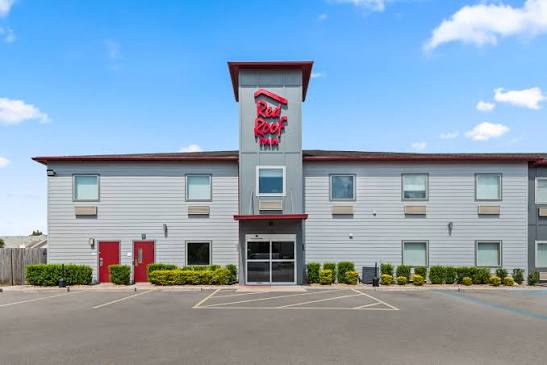
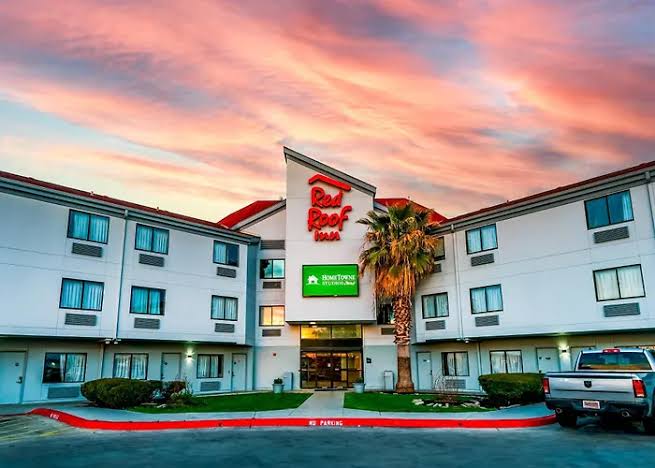
    Red Roof Inn Baton Rouge Boardwalk Drive Baton Rouge La

    Amenities and Room Features: What to Expect

    Understanding what is included in your stay helps manage expectations and ensures a comfortable experience. While this is a budget-friendly option, it does not skimp on the essentials required for a restful night.

    Core Amenities Breakdown

    AmenityAvailabilityNotes
    Free Wi-FiYesStandard speed; suitable for browsing and email.
    ParkingYesFree on-site parking for guests.
    BreakfastNoNot included; nearby eateries available.
    PoolVariesCheck current status; seasonal availability may apply.
    Pet PolicyYesOne free pet per room.
    AccessibilityYesADA-compliant rooms available upon request.

    Room Comfort and Cleanliness

    The rooms at the Boardwalk Drive location are designed for functionality. You can expect:

    • Comfortable Bedding: Updated mattresses that provide adequate support for a good night’s sleep.
    • Climate Control: Individual AC/heating units allow you to customize the temperature to your liking, which is essential in Louisianaโ€™s humid climate.
    • Work Space: A small desk area is typically provided, making it feasible for business travelers to catch up on emails.

    For those concerned about hygiene, Red Roof Inn has implemented enhanced cleaning protocols post-pandemic. High-touch surfaces are sanitized regularly, giving peace of mind to health-conscious travelers.

    Nearby Attractions and Dining Options

    Staying at Red Roof Inn Baton Rouge Boardwalk Drive Baton Rouge La places you within a reasonable distance of some of the cityโ€™s best offerings. You do not need to stay isolated in your room; the surrounding area has plenty to offer.

    Dining Within Reach

    Since breakfast is not provided on-site, knowing where to eat is vital. Within a 5-minute drive, you can find:

    1. Local Cajun Cuisine: Several family-owned restaurants serve authentic gumbo and jambalaya.
    2. Fast Casual Chains: For quick meals, popular national chains are located along the main arteries near Boardwalk Drive.
    3. Coffee Shops: Perfect for starting your morning before hitting the road.

    Exploring Baton Rouge

    From this location, you can easily access:

    • Louisiana State Capitol: A stunning Art Deco building that offers free tours.
    • USS Kidd Veterans Museum: A historic destroyer docked on the Mississippi River.
    • Baton Rouge River Center: Often hosts concerts and events.

    For more historical context on the cityโ€™s development and geography, you can refer to Wikipediaโ€™s page on Baton Rouge.

    Comparison: Red Roof Inn vs. Competitors

    To help you make an informed decision, letโ€™s compare this property with typical competitors in the same price bracket in Baton Rouge.

    Pros and Cons Analysis

    Pros:

    • Cost-Effective: Generally lower nightly rates than full-service hotels.
    • Pet Friendly: No extra fees for pets is a huge financial saver.
    • Location: Easy highway access reduces travel time.
    • Simplicity: No hidden resort fees or complex check-in processes.

    Cons:

    • No Free Breakfast: You must budget for morning meals separately.
    • Basic Amenities: Do not expect a fitness center, business center, or room service.
    • Noise Potential: Due to highway proximity, request a room away from the road if you are a light sleeper.

    Who Is This Hotel Best For?

    • Road Trippers: Need a quick, cheap stopover.
    • Budget-Conscious Families: Saving on lodging allows more spending on activities.
    • Pet Owners: The free pet policy is unmatched in this price range.
    • Short-Stay Business Travelers: Those who just need a clean bed and Wi-Fi.

    Step-by-Step Booking Guide

    To ensure you get the best rate and the right room, follow these steps when booking your stay at Red Roof Inn Baton Rouge Boardwalk Drive Baton Rouge La.

    1. Check Dates Early: Prices fluctuate based on demand, especially during LSU football season or Mardi Gras. Booking at least two weeks in advance can save you up to 20%.
    2. Visit the Official Website: Third-party sites may have outdated inventory. The official site often offers member discounts.
    3. Select Pet Option: If traveling with a pet, ensure you select the “Pet Friendly” room type during booking to avoid issues at check-in.
    4. Request Specific Room: After booking, call the front desk directly to request a room away from the highway if noise is a concern.
    5. Confirm Arrival Time: If arriving late (after 10 PM), notify the hotel to ensure your room is held.

    Frequently Asked Questions (FAQ)

    1. Is there a deposit required at Red Roof Inn Baton Rouge Boardwalk Drive?

    Yes, a credit card hold is typically required at check-in for incidentals. The amount varies but is usually refundable upon checkout if no damages occur. Debit cards may also be used, but the hold might take longer to release.

    2. Does the hotel offer shuttle service to the airport or LSU?

    No, this location does not provide a complimentary shuttle service. You will need to use ride-sharing apps like Uber or Lyft, or rent a car. Taxis are also available in the Baton Rouge area.

    3. Are there smoking rooms available?

    Red Roof Inn has transitioned to being a 100% non-smoking brand. Smoking is prohibited in all guest rooms and indoor areas. Designated outdoor smoking areas may be available on the property premises.

    4. What is the check-in and check-out time?

    Standard check-in time is usually 3:00 PM, and check-out is at 11:00 AM. Early check-in or late check-out may be available upon request, subject to availability and potentially an additional fee.

    5. Is the Wi-Fi reliable for video conferencing?

    The Wi-Fi is generally stable for browsing, streaming, and emails. However, for heavy bandwidth tasks like large file uploads or high-definition video conferencing, performance may vary depending on network load. It is advisable to have a mobile hotspot as a backup for critical work meetings.

    6. How far is the hotel from downtown Baton Rouge?

    The hotel is approximately 10 to 15 minutes away from downtown Baton Rouge, depending on traffic conditions. This makes it a convenient option for visitors who want to explore the city center without paying premium downtown hotel prices.

    Conclusion

    Choosing the right accommodation can significantly impact your travel experience. Red Roof Inn Baton Rouge Boardwalk Drive Baton Rouge La offers a compelling blend of affordability, strategic location, and pet-friendly policies that cater to a wide range of travelers. While it may lack the luxuries of high-end resorts, it excels in providing the essential comforts needed for a restful stay.

    By understanding what to expectโ€”from the no-frills amenities to the convenient highway accessโ€”you can plan your trip with confidence. Whether you are here for business, pleasure, or simply passing through, this hotel serves as a reliable home base in the heart of Louisiana.

    If you found this guide helpful, please consider sharing it on social media to help other travelers discover the best budget-friendly options in Baton Rouge. Safe travels!

  • What Is The Rise Of A 4/12 Pitch Roof?

    What Is The Rise Of A 4/12 Pitch Roof?

    Are you planning a new home build or a major renovation and feeling overwhelmed by architectural blueprints? You are not alone; understanding roof geometry is crucial for budgeting, material estimation, and ensuring your homeโ€™s aesthetic appeal matches its structural integrity. One of the most common questions homeowners ask contractors is: what is the rise of a 4 12 pitch roof?

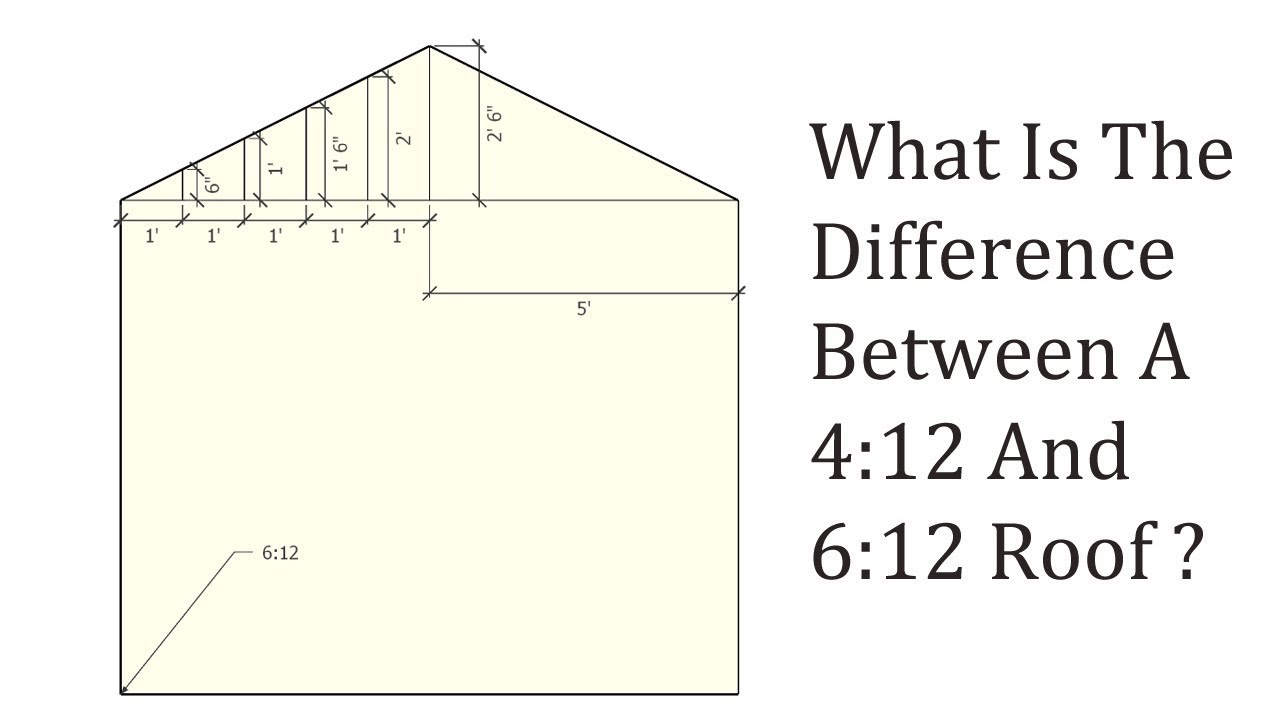
    In simple terms, a 4/12 pitch means that for every 12 inches of horizontal distance (the run), the roof rises 4 inches vertically. This specific slope is a “sweet spot” in American residential construction, balancing water drainage efficiency with walkability and cost-effectiveness. In this comprehensive guide, we will break down exactly what this measurement means, why it matters, and how it impacts your project from framing to final shingle installation.

    Understanding the Basics: What Does 4/12 Really Mean?

    To truly grasp what is the rise of a 4 12 pitch roof, we must first decode the terminology used by carpenters and architects. Roof pitch is expressed as a fraction or ratio: Rise/Run.

    • The Run: This is always standardized to 12 inches in the US imperial system. It represents the horizontal distance from the edge of the roof to the center line (or ridge).
    • The Rise: This is the vertical height the roof gains over that 12-inch horizontal span.

    Therefore, a 4/12 pitch indicates that if you move 12 inches horizontally across the roof, you will climb 4 inches vertically.

    Visualizing the Slope

    Imagine placing a level on a rafter. If you extend the level 12 inches out, the top edge of the rafter will be 4 inches higher than the bottom edge of the level at that point. This creates an angle of approximately 18.4 degrees. While this may seem shallow compared to steep Victorian-style roofs, it is significantly steeper than a flat roof, providing essential benefits for weather protection.

    Why Is the 4/12 Pitch So Popular in the US?

    The 4/12 slope is arguably the most common roof pitch in modern suburban America. But why? The answer lies in a perfect balance of functionality, economics, and safety.

    1. Optimal Water Drainage

    One of the primary functions of a roof is to shed water. A flat roof (0/12) requires specialized membranes and careful engineering to prevent pooling. A 4/12 pitch provides enough gravity-driven momentum to allow rain and melting snow to slide off efficiently without requiring expensive waterproofing systems. According to general building standards, this pitch is sufficient for most asphalt shingle applications, which are the dominant roofing material in the US.

    2. Cost-Effectiveness

    Steeper roofs require more materials. A 6/12 or 8/12 pitch has a larger surface area than a 4/12 pitch for the same footprint house. This means:

    • More shingles or tiles.
    • More underlayment.
    • Longer rafters and trusses.

    By sticking to a 4/12 pitch, homeowners can save significantly on material costs while still achieving a traditional, pitched-roof look.

    3. Safety and Walkability

    For maintenance, cleaning gutters, or installing holiday lights, a 4/12 roof is considered “walkable” by professionals using proper safety gear. Steeper pitches (like 8/12 or 12/12) often require scaffolding or special harnesses, increasing labor costs and risk. A 4/12 slope allows roofers to work more efficiently, which can also lower installation labor quotes.

    What Is The Rise Of A 4 12 Pitch Roof

    Technical Breakdown: Measurements and Angles

    When planning your project, you may need to convert the pitch into other measurements for calculators or software. Here is a detailed breakdown for a 4/12 pitch:

    Measurement TypeValueNote
    Pitch Ratio4:12Standard notation
    Angle (Degrees)~18.43ยฐCalculated via arctan(4/12)
    Slope Percentage33.33%(4 รท 12) x 100
    Multiplier Factor1.054Used to calculate actual roof area

    Pro Tip: To find the total square footage of roofing material needed, multiply your homeโ€™s footprint area by the Multiplier Factor (1.054). This accounts for the extra surface area created by the slope. Ignoring this factor can lead to ordering insufficient materials.

    Material Compatibility: What Can You Use?

    Not all roofing materials are suitable for every pitch. Understanding what is the rise of a 4 12 pitch roof helps you select the right covering.

    Asphalt Shingles (Ideal)

    Asphalt shingles are the gold standard for 4/12 pitches. Most manufacturers warrant their products for slopes as low as 2/12 or 4/12, provided proper underlayment is used. They are affordable, durable, and easy to replace.

    Metal Roofing (Excellent)

    Standing seam metal roofs perform exceptionally well on 4/12 pitches. They shed snow and rain faster than shingles due to their smooth surface. However, ensure you use a system rated for low-slope applications if you live in an area with heavy wind-driven rain.

    Tile and Slate (Caution Required)

    Clay or concrete tiles are heavy and often require a steeper pitch (usually 6/12 or higher) to ensure water doesnโ€™t seep under the overlaps. While some interlocking tile systems work on 4/12, you must consult the manufacturerโ€™s specifications. Installing standard tiles on a 4/12 roof without proper waterproofing underneath can lead to leaks.

    For more detailed information on roofing material standards, you can refer to general construction guidelines on Wikipedia.

    Step-by-Step: How to Measure Your Roof Pitch

    If you are unsure about your current roofโ€™s pitch, you can measure it yourself safely from inside the attic. Here is how:

    1. Gather Tools: You need a 12-inch level and a tape measure.
    2. Locate a Rafter: Go into your attic and find an exposed rafter. Ensure it is straight and not warped.
    3. Place the Level: Hold the level horizontally against the bottom edge of the rafter. Make sure the bubble is centered, indicating it is perfectly level.
    4. Measure the Rise: At the 12-inch mark on your level, measure the vertical distance from the top of the level to the bottom of the rafter.
    5. Calculate: If that distance is 4 inches, you have a 4/12 pitch. If it is 6 inches, you have a 6/12 pitch.

    Note: Always prioritize safety. If you cannot access the attic safely, hire a professional inspector.

    Pros and Cons of a 4/12 Pitch Roof

    To help you decide if this slope is right for your project, letโ€™s look at the trade-offs.

    Advantages

    • Lower Material Costs: Less surface area means less shingle and lumber usage.
    • Easier Maintenance: Safer for DIY repairs and gutter cleaning.
    • Aesthetic Versatility: Fits well with Ranch, Craftsman, and Colonial styles.
    • Attic Space: While not as spacious as a steep roof, it still allows for some storage or HVAC placement compared to flat roofs.

    Disadvantages

    • Snow Accumulation: In heavy snow regions (like the Northeast US or Midwest), a 4/12 pitch may not shed snow as quickly as a 6/12 or 8/12. This can lead to ice dams if insulation and ventilation are not properly managed.
    • Less Dramatic Curb Appeal: Some homeowners find the look too “subtle” compared to the dramatic peaks of steeper roofs.
    • Water Pooling Risk: If gutters are clogged or the roof sags, water may sit longer than on steeper slopes, potentially accelerating wear on shingles.

    FAQ Section

    1. Is a 4/12 roof pitch good for snow?

    A 4/12 pitch is moderate for snow. It will shed snow eventually, but it is not steep enough to cause immediate sliding. In heavy snow zones, you must ensure your roof structure is rated for the local snow load and that you have adequate insulation to prevent ice dams.

    2. Can I walk on a 4/12 pitch roof?

    Yes, a 4/12 pitch is generally considered walkable for professionals wearing rubber-soled shoes and using safety harnesses. For homeowners, it is safer than steeper roofs but still poses a fall risk. Always use a sturdy ladder and have a spotter.

    3. How much does a 4/12 pitch roof cost compared to a flat roof?

    While a flat roof uses less material, it requires expensive membrane systems (TPO, EPDM) and strict drainage planning. A 4/12 pitch with asphalt shingles is often comparable in price or slightly cheaper due to the widespread availability of materials and labor expertise.

    4. What is the minimum pitch for asphalt shingles?

    Most asphalt shingle manufacturers require a minimum pitch of 2/12 or 4/12. Below 2/12, the roof is considered “flat,” and special installation methods (like double underlayment) are required to prevent water infiltration.

    5. Does a 4/12 pitch affect attic ventilation?

    Yes. A 4/12 pitch provides less vertical space for air circulation compared to steeper roofs. You may need to install soffit vents and ridge vents carefully to ensure proper airflow and prevent moisture buildup in the attic.

    Conclusion

    Understanding what is the rise of a 4 12 pitch roof is more than just knowing a number; it is about making informed decisions for your homeโ€™s durability, cost, and style. With a 4-inch rise for every 12 inches of run, this pitch offers a pragmatic blend of efficient water drainage, affordability, and safety.

    Whether you are building a new Craftsman-style home or replacing an aging roof, the 4/12 pitch remains a top choice for American homeowners. It minimizes material waste while maximizing functional performance.

    If you found this guide helpful, please share it with your friends on social media who might be planning their own roofing projects. Knowledge is power, especially when it comes to protecting your biggest investmentโ€”your home!

  • St. Pete Rejects Rays Stadium Roof Repair Plan

    St. Pete Rejects Rays Stadium Roof Repair Plan

    The dream of a new baseball era in Florida has hit a significant bureaucratic wall. For fans who have waited years for a resolution to the aging Tropicana Field saga, the recent decision by local officials comes as a frustrating setback. Specifically, the news that St. Petersburg rejects proposal to repair roof of Rays stadium has thrown the future of the franchise into renewed uncertainty.

    This decision is not just about shingles and steel beams; it is about millions of dollars in public funding, the safety of spectators, and the long-term viability of Major League Baseball in the Tampa Bay area. If you are confused about why a simple repair was rejected or what happens next, you are not alone. This article breaks down the complex situation, the financial reasoning behind the vote, and the realistic timeline for the Raysโ€™ future home.

    Why Did St. Petersburg Reject the Roof Repair Proposal?

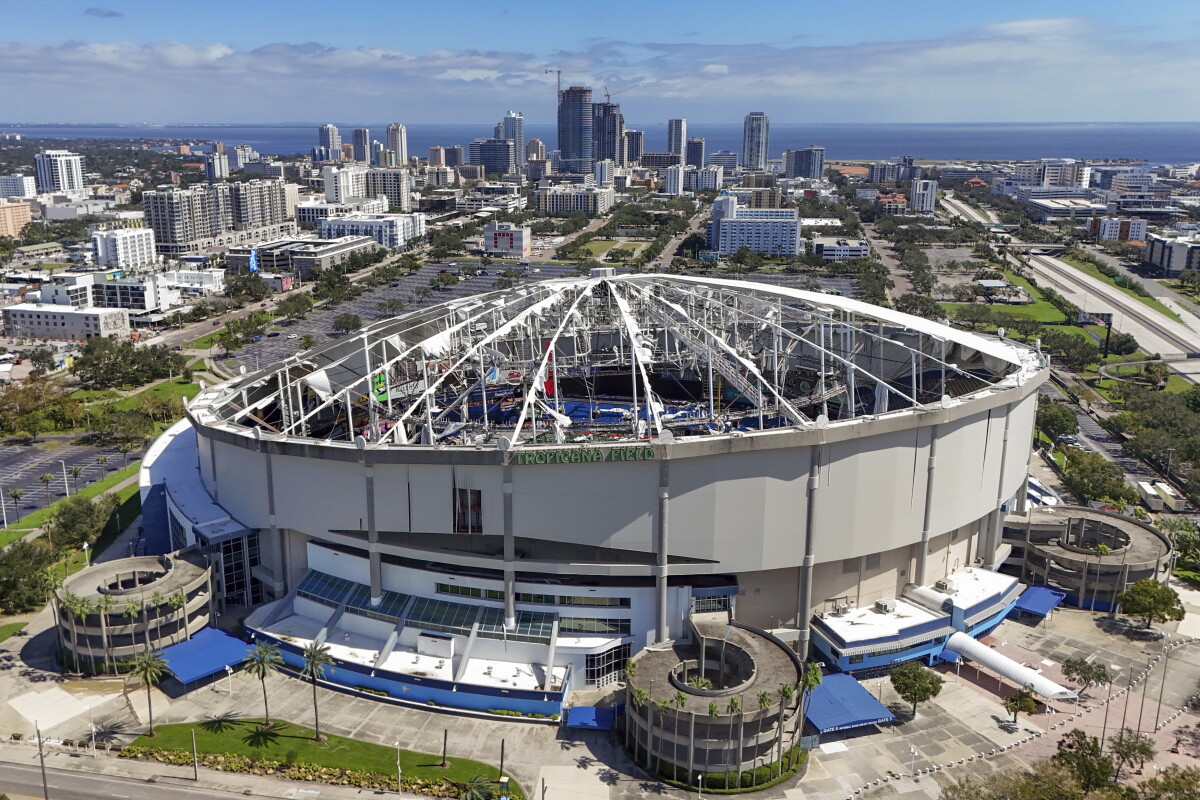
    To understand the rejection, we must look at the context of the damage and the proposed solution. Tropicana Field, often called “The Trop,” suffered catastrophic damage during Hurricane Milton in late 2025. The storm tore large sections of the fiberglass roof, leaving the interior exposed to the elements and rendering the stadium unusable for immediate play.

    The initial proposal presented to the City Council involved a quick-fix repair strategy. The goal was to patch the existing structure to allow the Rays to play the 2026 season while negotiations for a new stadium continued. However, the council voted against this measure. Why?

    Financial Liability Concerns

    The primary driver behind the rejection was cost versus value. Engineering reports suggested that repairing the damaged roof would cost upwards of $15 million. Critics on the council argued that spending this amount on a structure slated for eventual demolition was fiscally irresponsible.

    • Cost of Repair: Estimated at $12โ€“$15 million.
    • Remaining Lifespan: The current stadium is well past its prime, with major structural components failing.
    • Opportunity Cost: Funds used for repairs could be diverted to community projects or the down payment for a new venue.

    As one council member stated during the heated debate, “We cannot throw good money after bad. The roof is a symptom of a larger issue: the building itself is obsolete.”

    Structural Integrity Risks

    Beyond the price tag, there were genuine safety concerns. Engineers warned that patching a tensile fabric roof that had already failed under high winds might not hold up during the next hurricane season. Given Floridaโ€™s volatile weather patterns, the city refused to assume the liability of a partially repaired structure.

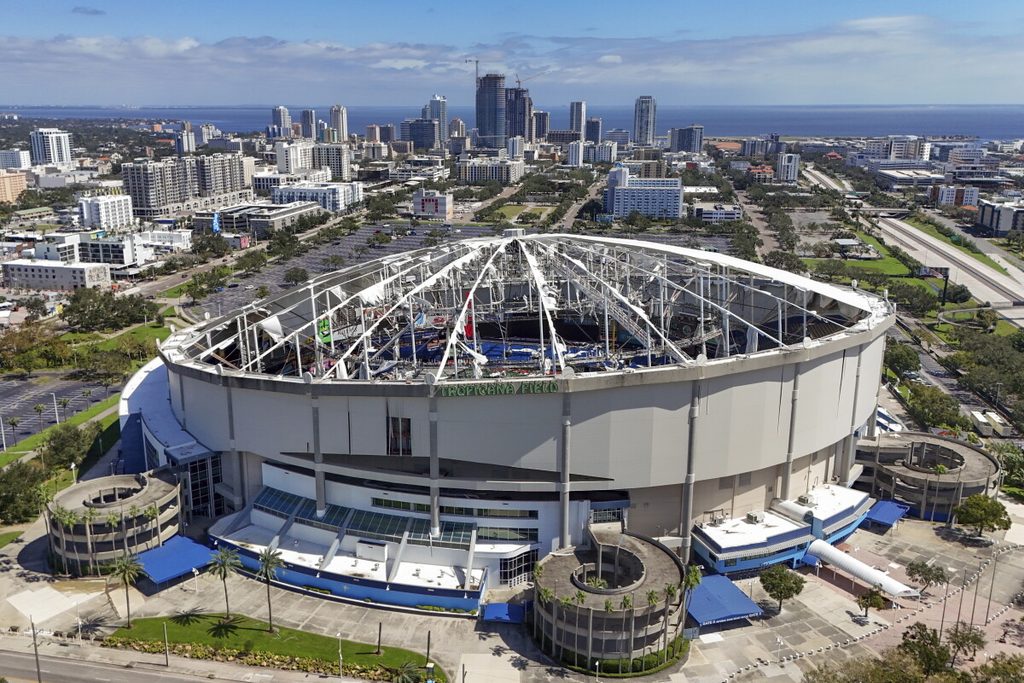
    St. Petersburg Rejects Proposal To Repair Roof Of Rays Stadium
    FILE – The roof of the Tropicana Field is damaged the morning after Hurricane Milton hit the region, Oct. 10, 2024, in St. Petersburg, Fla. (AP Photo/Mike Carlson, File)

    What Are the Immediate Impacts on the Tampa Bay Rays?

    The rejection of the repair proposal forces the Rays into a difficult logistical position. With the 2026 season approaching, the team lacks a home field. This scenario triggers several contractual and operational clauses in their lease and MLB agreements.

    Temporary Relocation Options

    Since Tropicana Field is deemed unsafe and unrepaired, the Rays must find an alternative venue. The most likely scenarios include:

    1. Spring Training Facility: Playing early home games at their Port Charlotte complex. However, this venue lacks the seating capacity (approx. 8,500 seats) required for regular-season MLB games.
    2. Minor League Ballparks: Renting larger minor league stadiums in the region, such as those in Clearwater or Dunedin, though these also face capacity issues.
    3. Neutral Sites: There has been speculation about playing a series of “home” games in other cities, similar to how the Marlins once played games in San Juan, Puerto Rico.

    Financial Penalties and Revenue Loss

    Playing in smaller venues drastically cuts ticket revenue, concessions, and merchandise sales. Furthermore, the team may face penalties from MLB if they fail to meet minimum attendance or facility standards. The local economy also takes a hit, as fewer tourists visit St. Petersburg for game-day experiences.

    How Does This Affect the New Stadium Deal?

    The rejection of the roof repair is intrinsically linked to the broader negotiations for a new waterfront stadium. For years, the Rays, St. Petersburg, and Pinellas County have been locked in talks regarding a state-of-the-art facility.

    Accelerating the Timeline

    Paradoxically, destroying the option to repair the old stadium may accelerate the deal for the new one. With no viable home for the 2026 and potentially 2027 seasons, pressure mounts on all parties to sign the final agreements. The cityโ€™s stance signals that they are done propping up the old infrastructure and are ready to commit to a fresh startโ€”or risk losing the team entirely.

    Key Components of the Proposed New Stadium

    While the old roof is being left to decay, the plans for the new venue remain ambitious. According to recent drafts, the new stadium will feature:

    • Capacity: 30,000+ seats with expandable options.
    • Location: The historic Gas Plant site in downtown St. Petersburg.
    • Funding Model: A mix of private investment from the Rays ownership group and public funding from tourist development taxes.

    For more background on the history of stadium financing in the US, you can refer to this Wikipedia overview on sports venue funding.

    Comparison: Repairing vs. Rebuilding

    To clarify why the city made this choice, letโ€™s look at a direct comparison between the two paths.

    FeatureRepair Existing RoofBuild New Stadium
    Initial Cost$12โ€“$15 Million$1.3โ€“$1.5 Billion
    Timeline3โ€“6 Months3โ€“5 Years
    Longevity2โ€“5 Years (Max)30+ Years
    Fan ExperiencePoor (Outdated amenities)State-of-the-Art
    Economic ImpactMinimalHigh (Tourism/Jobs)
    RiskHigh (Structural failure)Moderate (Construction delays)

    As the table shows, while the upfront cost of a new stadium is astronomical, the long-term value proposition is significantly higher. The repair option was merely a band-aid on a broken leg.

    What Do Experts Say About the Decision?

    Sports economists and urban planners have weighed in on the controversy. Most agree that St. Petersburgโ€™s decision, while painful for short-term fans, is the correct long-term move.

    Dr. Emily Richardson, a sports management professor at the University of South Florida, noted, “Cities often fall into the trap of maintaining white elephants. By rejecting the repair, St. Petersburg is signaling to MLB that they are serious about a modern partnership, not just subsidizing decay.”

    However, fan sentiment is mixed. Long-time supporters worry that the delay could lead to relocation threats from MLB commissioner Rob Manfred. The league has historically been impatient with markets that do not provide modern facilities, as seen in the Oakland Athleticsโ€™ recent moves.

    FAQ: Common Questions About the Rays Stadium Situation

    1. Will the Rays play in St. Petersburg in 2026?

    It is highly unlikely they will play in Tropicana Field. They may play some games in the broader Tampa Bay area using temporary venues, but the iconic dome will remain closed for construction or demolition prep.

    2. Is the Rays team moving to another city?

    While relocation rumors persist, the current focus is on securing the new St. Petersburg deal. MLB prefers stability, and moving a team is a last-resort nuclear option. The rejection of the roof repair is a negotiation tactic, not necessarily an eviction notice.

    3. Who is paying for the new stadium?

    The proposed deal involves a significant contribution from the Raysโ€™ ownership group, supplemented by public funds derived from hotel taxes and tourism dollars. No new local sales taxes are currently proposed for the project.

    4. How long will the new stadium take to build?

    If approvals are granted in early 2026, construction could begin by late 2026. A typical MLB stadium takes 3 to 4 years to build, suggesting a potential opening in 2029 or 2030.

    5. Can the roof be fixed later if the new stadium deal fails?

    Technically, yes, but the cost would skyrocket, and the structural integrity would still be questionable. The cityโ€™s rejection makes it clear they do not intend to revisit this option unless forced by extreme legal pressure.

    Conclusion

    The headline St. Petersburg rejects proposal to repair roof of Rays stadium marks a pivotal turning point for baseball in Florida. It ends the era of trying to save the past and forces a confrontation with the future. While the short-term consequences involve logistical headaches and displaced fans, the long-term benefit is a clear path toward a modern, economically viable stadium.

    For fans, this is a time for patience and advocacy. Engage with local representatives, support the team in whatever temporary venue they inhabit, and keep the conversation alive. A new chapter for the Rays is being written, and it starts with saying “no” to the old way.

    Did this article help clarify the situation? Share it with your fellow Rays fans on social media to keep the discussion going!

  • Red Roof Inn 6880 Nw Loop 410 San Antonio Tx Review

    Red Roof Inn 6880 Nw Loop 410 San Antonio Tx Review

    Finding the right place to rest your head after a long day of travel or business meetings can be stressful, especially when you are trying to balance comfort with a strict budget. You need a reliable spot that offers clean sheets, a safe environment, and easy access to major highways without breaking the bank. This is exactly where Red Roof Inn 6880 Nw Loop 410 San Antonio Tx comes into play as a potential solution for savvy travelers visiting the Alamo City.

    In this comprehensive guide, we will dive deep into what you can actually expect from this specific location. We arenโ€™t just listing features; we are analyzing the real-world experience to help you decide if this is the right fit for your next trip to San Antonio.

    What Makes Red Roof Inn 6880 Nw Loop 410 a Strategic Choice?

    Location is often the most critical factor when choosing a hotel, particularly in a sprawling city like San Antonio. The property located at 6880 NW Loop 410 is strategically positioned for both leisure tourists and business travelers who prioritize accessibility over luxury frills.

    Proximity to Major Attractions and Highways

    Situated directly off Northwest Loop 410, this inn serves as an excellent hub for exploring the city. You are merely minutes away from:

    • The Medical Center: Ideal for medical tourists or visiting professionals.
    • Six Flags Fiesta Texas: A short drive for family entertainment.
    • Downtown San Antonio: Easily accessible via the loop for visits to the River Walk and the Alamo.

    For drivers, the ease of entering and exiting the highway is a significant perk. Unlike downtown hotels that require navigating complex one-way streets and paying premium parking fees, this location offers straightforward access. This reduces travel stress and saves valuable time, allowing you to focus on your itinerary rather than traffic patterns.

    Value for Money in a Competitive Market

    San Antonioโ€™s hospitality market is diverse, ranging from ultra-luxury resorts to basic motels. The Red Roof Inn brand positions itself firmly in the “economy” segment. By choosing this location, you are essentially opting out of paying for amenities you might not use, such as concierge services, valet parking, or on-site spas.

    Instead, your money goes toward the essentials: a bed, a bathroom, and Wi-Fi. For solo travelers, couples on a road trip, or families needing a simple base camp, this value proposition is hard to ignore. According to recent travel industry trends, economy hotels have seen a surge in popularity as travelers become more budget-conscious post-pandemic, seeking “good enough” comfort at a fraction of the cost of full-service hotels.

    Is Red Roof Inn 6880 Nw Loop 410 Pet-Friendly?

    One of the standout features of the Red Roof Inn brand, including the San Antonio NW Loop 410 location, is its welcoming policy toward pets. In an era where many travelers consider their pets as family members, finding accommodation that doesn’t charge exorbitant pet fees is a massive advantage.

    Understanding the Pet Policy

    While policies can change, Red Roof Inn is widely recognized for allowing one well-behaved domestic pet per room at no additional charge. This is a significant cost saver compared to competitors who may charge $50โ€“$100 per night for pets.

    However, there are important considerations to keep in mind:

    1. Notification: Always inform the front desk upon check-in that you have a pet.
    2. Responsibility: Owners are responsible for any damage caused by their pets.
    3. Behavior: Pets must be kept under control and should not be left alone in the room if they are prone to barking or anxiety.

    This policy makes the Red Roof Inn 6880 Nw Loop 410 San Antonio Tx a top contender for road-trippers traveling with dogs or cats. It eliminates the hassle of finding kennels or leaving pets behind, making your journey smoother and more inclusive.

    Red Roof Inn 6880 Nw Loop 410 San Antonio Tx

    What Amenities Can You Expect During Your Stay?

    When staying at an economy hotel, managing expectations is key. You wonโ€™t find a 24-hour room service menu or a heated infinity pool. However, the essential amenities provided are designed to meet the basic needs of modern travelers efficiently.

    Core Amenities Breakdown

    AmenityAvailabilityNotes
    Wi-FiYesFree high-speed internet is standard. Ideal for streaming and work.
    ParkingYesFree on-site parking. A major plus compared to downtown venues.
    BreakfastVariesOften continental or grab-and-go. Check current status upon booking.
    PoolYesOutdoor seasonal pool. Great for cooling off in Texas heat.
    LaundryYesCoin-operated laundry facilities are typically available on-site.
    WorkspaceYesDesks in rooms suitable for laptop work.

    The Importance of Reliable Wi-Fi

    In todayโ€™s digital age, Wi-Fi is not a luxury; it is a utility. Whether you are uploading photos from your trip, attending a Zoom meeting, or streaming movies after a long day, connectivity is crucial. Guests at this location generally report satisfactory Wi-Fi speeds for standard usage. However, if you are a heavy data user, it is always wise to test the connection immediately upon arrival and request assistance if needed.

    For more context on how budget hotels maintain operational standards, you can refer to general hospitality industry insights on Wikipedia.

    How Does Cleanliness and Safety Compare?

    Cleanliness is the number one concern for hotel guests, especially in the post-2020 travel landscape. Economy hotels face a unique challenge: maintaining high hygiene standards with tighter operational budgets.

    Recent Guest Sentiments

    Analyzing recent guest feedback, the consensus on cleanliness at this specific location is mixed but generally positive regarding recent renovations. Many guests appreciate the “fresh” feel of updated rooms. However, as with any high-turnover budget hotel, occasional lapses can occur.

    Tips for Ensuring a Clean Stay:

    • Inspect Upon Entry: Take two minutes to check the bathroom and sheets immediately. If something isnโ€™t right, ask for a room change before unpacking.
    • Use Disinfectant Wipes: It is always a good practice to wipe down high-touch surfaces like remote controls, door handles, and light switches.
    • Report Issues Promptly: The front desk staff is usually motivated to resolve issues quickly to avoid negative reviews.

    Safety-wise, the location on NW Loop 410 is generally considered secure, with well-lit parking areas and 24-hour front desk availability. As always, practicing standard travel safety measuresโ€”such as locking your car and keeping valuables out of sightโ€”is recommended.

    Step-by-Step Guide to Booking the Best Rate

    Securing the best deal at Red Roof Inn 6880 Nw Loop 410 San Antonio Tx requires a bit of strategy. Here is how you can ensure you get the most value for your money.

    1. Compare Platforms: Do not just book through the first site you see. Check the official Red Roof Inn website alongside major aggregators like Expedia, Booking.com, and Hotels.com.
    2. Join the Loyalty Program: Red Roof Inn has a free loyalty program (RediRewards). Members often get exclusive discounts, free nights after a certain number of stays, and faster check-in.
    3. Check for Corporate Rates: If you are traveling for business, even as a freelancer, check if your company has a negotiated rate. Sometimes, simply selecting “Government” or “AAA” rates (if eligible) can drop the price significantly.
    4. Book Directly for Flexibility: Booking directly through the hotelโ€™s website often provides more flexible cancellation policies compared to third-party sites.
    5. Call the Hotel Directly: Occasionally, calling the front desk directly can yield unadvertised deals, especially for last-minute bookings or extended stays. They may have inventory they are eager to fill.

    Frequently Asked Questions (FAQ)

    1. Is there a deposit required at check-in?

    Yes, most Red Roof Inn locations require a credit card for incidentals. While the room rate might be prepaid, a hold is typically placed on your card for potential damages or extra charges. Ensure you have a valid credit card with sufficient available credit.

    2. What time is check-in and check-out?

    Standard check-in time is usually 3:00 PM, and check-out is 11:00 AM. If you arrive early, you can request an early check-in, but it is subject to availability. Late check-out may also be possible for a small fee or based on occupancy levels.

    3. Is breakfast included in the room rate?

    Policies vary by location and ownership. Historically, many Red Roof Inns offer a simple continental breakfast. However, it is best to confirm this at the time of booking. Some locations may have shifted to grab-and-go options or partnered with nearby cafes.

    4. Are there smoking rooms available?

    Most Red Roof Inn properties, including those in Texas, have transitioned to 100% non-smoking environments to improve air quality and reduce cleaning costs. Smoking is typically only permitted in designated outdoor areas. Violating this policy can result in substantial cleaning fees.

    5. How far is the hotel from San Antonio International Airport (SAT)?

    The hotel is approximately 15โ€“20 minutes from San Antonio International Airport, depending on traffic. This makes it a convenient option for travelers with early morning flights who want to avoid the higher prices of airport-adjacent hotels.

    6. Can I cancel my reservation for free?

    Cancellation policies depend on the rate type you booked. “Flexible” rates usually allow cancellation up to 24โ€“48 hours before check-in without penalty. “Non-refundable” rates are cheaper but do not allow cancellations. Always read the fine print before confirming your booking.

    Conclusion

    Choosing Red Roof Inn 6880 Nw Loop 410 San Antonio Tx is a practical decision for travelers who prioritize location, budget, and pet-friendliness over luxury amenities. It serves as a functional, comfortable base camp for exploring San Antonioโ€™s rich culture, historical sites, and entertainment venues.

    By understanding what to expectโ€”reliable Wi-Fi, free parking, and a welcoming attitude toward petsโ€”you can set realistic expectations and enjoy a stress-free stay. Remember to book smartly by comparing rates and joining loyalty programs to maximize your savings.

    If you found this review helpful, please share it with your fellow travelers on social media. Helping others find safe, affordable, and convenient accommodations makes the travel community stronger for everyone. Safe travels!

  • How Long Does A Metal Roof Last On A House?

    How Long Does A Metal Roof Last On A House?

    Are you tired of replacing shingles every decade or worrying about storm damage tearing your roof apart? You are not alone; many homeowners are seeking a more permanent solution to protect their biggest investment. If you have been asking yourself, “how long does a metal roof last on a house,” the answer is likely much longer than you expect, offering peace of mind for generations.

    Unlike traditional asphalt shingles that degrade under UV rays and temperature fluctuations, modern metal roofing systems are engineered for extreme longevity. In this comprehensive guide, we will break down exactly what determines the lifespan of your roof, compare different metal types, and provide actionable maintenance tips to ensure your roof lasts as long as possible.

    The Short Answer: 40 to 70 Years

    When homeowners ask about the longevity of metal roofing, the general consensus among industry experts is impressive. On average, a properly installed metal roof will last between 40 and 70 years.

    To put this in perspective, the average lifespan of an asphalt shingle roof is only 12 to 20 years. This means that while you might replace an asphalt roof three or four times over the life of your home, a metal roof could potentially last the entire lifetime of the structure itself.

    However, “metal” is a broad category. The specific material you choose plays a massive role in these numbers. Letโ€™s dive deeper into the specifics.

    Factors That Influence Metal Roof Longevity

    While the 40-70 year range is standard, several variables can push your roof toward the lower or higher end of that spectrum. Understanding these factors helps you make an informed purchasing decision.

    1. Type of Metal Material

    Not all metals are created equal. Here is a breakdown of the most common materials and their expected lifespans:

    • Galvanized Steel (G-90): The most affordable option. With proper coating, it lasts 40โ€“60 years. It is strong but prone to rust if the coating is scratched.
    • Aluminum: Excellent for coastal areas due to its natural resistance to salt corrosion. Expect a lifespan of 50+ years.
    • Copper: The gold standard for longevity. Copper roofs can last 100+ years, often outliving the building they cover. They develop a protective patina over time.
    • Zinc: Similar to copper, zinc is self-healing and can last 80โ€“100 years. It is expensive but requires minimal maintenance.

    2. Quality of Installation

    This is arguably the most critical factor. A high-quality metal panel installed poorly will fail prematurely. Issues such as improper fastening, lack of expansion joints, or incorrect flashing can lead to leaks and wind uplift damage. Always hire a contractor who specializes in metal roofing, not just general roofing.

    3. Local Climate and Environment

    Your geographic location dictates the wear and tear your roof endures.

    • Coastal Areas: Salt spray accelerates corrosion. Aluminum or stainless steel is recommended here.
    • Heavy Snow Regions: Metal sheds snow well, but ice dams can form at the eaves if insulation is poor.
    • High Heat/UV Areas: Reflective coatings help prevent thermal expansion and contraction, which can loosen fasteners over time.

    4. Maintenance Practices

    While metal roofs are low-maintenance, they are not no-maintenance. Regular inspections and clearing debris can extend the life of your roof significantly.

    How Long Does A Metal Roof Last On A House

    Metal Roof vs. Asphalt Shingles: A Comparison

    To help you visualize the value proposition, letโ€™s look at a direct comparison between metal roofing and traditional asphalt shingles.

    FeatureMetal RoofAsphalt Shingles
    Average Lifespan40โ€“70+ Years12โ€“20 Years
    Initial CostHigher ($8โ€“$14 per sq. ft.)Lower ($3โ€“$5 per sq. ft.)
    MaintenanceLowModerate to High
    Weather ResistanceExcellent (Wind, Fire, Hail)Moderate (Prone to wind/hail damage)
    Energy EfficiencyHigh (Reflects solar heat)Low (Absorbs heat)
    Recyclability100% RecyclableMostly Landfill Waste

    Note: Prices are estimates and vary by region and material type.

    Common Myths About Metal Roofs

    Before you commit, letโ€™s address some frequent misconceptions that might be holding you back.

    Myth 1: Metal roofs are noisy during rain. Fact: Modern metal roofs are installed with solid sheathing and insulation. When installed correctly, they are no louder than any other roof type. In fact, many homeowners find the sound of rain on a metal roof soothing.

    Myth 2: They attract lightning. Fact: Metal does not attract lightning; it simply conducts it. If lightning strikes, a metal roof safely disperses the energy across the surface, reducing the risk of fire compared to combustible materials like wood shakes. For more scientific context on conductivity and materials, you can refer to general physics principles outlined on Wikipedia.

    Myth 3: They dent easily. Fact: While hail can dent thin, low-grade metal, most residential metal roofs use 24-gauge or thicker steel, or durable aluminum. These materials are rated to withstand significant impact without compromising structural integrity.

    Step-by-Step Maintenance Guide

    To maximize the lifespan of your metal roof, follow this simple maintenance routine. You donโ€™t need to be a professional to do most of these tasks.

    1. Bi-Annual Inspections: Check your roof twice a year, ideally in spring and fall. Look for loose fasteners, scratches, or accumulated debris.
    2. Clear Debris: Remove leaves, branches, and pine needles. Trapped moisture under debris can lead to corrosion or mold growth on the underlying structure.
    3. Clean Gutters: Ensure gutters are free-flowing. Clogged gutters cause water to back up under the roof panels, leading to leaks.
    4. Wash Gently: If your roof looks dirty, wash it with a garden hose and a soft-bristle brush. Use a mild detergent mixed with water. Avoid pressure washers, as high pressure can damage the protective coating and force water under the panels.
    5. Touch Up Scratches: If you notice any scratches exposing the bare metal, apply a touch-up paint matched to your roofโ€™s color immediately to prevent rust.

    Frequently Asked Questions (FAQ)

    1. Is a metal roof worth the extra cost?

    Yes, for most homeowners. While the upfront cost is higher, the long-term savings on replacement costs, energy bills, and insurance premiums often make it more cost-effective over 20โ€“30 years. Additionally, it increases home resale value.

    2. Can I walk on my metal roof?

    You should avoid walking on a metal roof unless absolutely necessary. If you must, wear soft-soled shoes and step only on the flat areas where the screws are located (the “flat” part of the panel), not on the ribs. Walking on the ribs can cause them to bend or crack.

    3. Does a metal roof void my homeownerโ€™s insurance?

    No, quite the opposite. Many insurance companies offer discounts (often 5โ€“15%) for metal roofs because they are highly resistant to fire, wind, and hail. Always check with your specific provider for details.

    4. How often should I repaint a metal roof?

    Most modern metal roofs come with Kynar 500 or similar high-quality paint finishes that are warranted for 20โ€“40 years against fading and chalking. You typically do not need to repaint unless the finish is physically damaged or after several decades of exposure.

    5. Will a metal roof interfere with my cell phone signal?

    Generally, no. While metal can block radio waves, modern homes have windows and other openings that allow signals to pass through. If you have a dedicated antenna inside, it might be affected, but for most smartphone users, there is no noticeable difference.

    Conclusion

    So, how long does a metal roof last on a house? With proper installation and minimal maintenance, you can expect 40 to 70 years of reliable protection. For premium materials like copper or zinc, that number can stretch beyond a century.

    Investing in a metal roof is not just about buying a new roof; itโ€™s about buying peace of mind. You eliminate the hassle of frequent replacements, reduce your carbon footprint, and potentially lower your energy bills. It is a smart, sustainable choice for the modern homeowner.

    If you found this guide helpful, please share it with friends or family who are considering a roof replacement. Knowledge is power, and helping others make informed decisions is always a good deed!