We have all been there. You are rushing to get your vehicle clean after a muddy weekend adventure, but that bulky roof rack is staring back at you, raising a critical question: Can I go through a carwash with a roof rack? It is a common dilemma for outdoor enthusiasts, parents with cargo carriers, and daily commuters alike. The short answer is yes, but with significant caveats depending on the type of car wash and the specific design of your rack.
Choosing the wrong method can lead to scratched paint, bent crossbars, or even catastrophic damage to your cargo. In this guide, we will break down exactly how to clean your vehicle safely without compromising the integrity of your roof rack system. We will explore the differences between touchless and brush-based systems, provide step-by-step cleaning instructions, and answer the most pressing questions from vehicle owners across the US.
Is It Safe to Use an Automatic Brush Car Wash?
The biggest risk when asking, “Can I go through a carwash with a roof rack?” lies in the type of machinery used. Traditional automatic car washes often use large rotating brushes or cloth strips to scrub the vehicle. While efficient for bare cars, these mechanisms are notoriously hazardous for roof racks.
The Danger of Rotating Brushes
Rotating brushes operate with high torque. If a brush catches on a crossbar, a bike mount, or the edge of a cargo box, it can exert immense pressure. This can result in:
- Structural Damage: Bent aluminum crossbars or cracked plastic fairings.
- Paint Scratches: The friction can strip clear coats around the mounting points.
- Dislodged Cargo: In worst-case scenarios, the force can loosen clamps, leading to items falling off mid-wash.
According to industry standards, most roof rack manufacturers explicitly void warranties if damage occurs due to automated mechanical washing systems. Therefore, if your only option is an automatic wash, you must ensure it is a “touchless” facility.
Touchless Car Washes: A Safer Alternative
Touchless car washes use high-pressure water jets and strong detergents rather than physical contact. These are generally safe for roof racks because there are no moving parts to snag on your equipment. However, even with touchless systems, you should verify that the water pressure is not excessively concentrated on specific mounting points, which could potentially loosen seals over time.
Hand Washing: The Gold Standard for Roof Racks
If you want to guarantee the longevity of your roof rack and your vehicle’s paint, hand washing is the superior method. It allows you to control the pressure, the cleaning agents, and the attention given to complex shapes like bike trays or ski mounts.
Step-by-Step Guide to Hand Washing with a Roof Rack
Follow this precise protocol to ensure a thorough and safe clean:
- Preparation and Cooling Ensure your vehicle has been parked in the shade for at least 30 minutes. Washing a hot surface can cause soap to dry too quickly, leaving residues. Park on a flat, level surface.
- Initial Rinse Use a garden hose with a standard nozzle. Do not use a pressure washer on its highest setting directly against rubber seals or plastic clamps. Rinse the entire vehicle, starting from the top down, to remove loose dirt and debris.
- Mixing the Solution Fill a bucket with 2 liters of water at a temperature of 22–28°C (72–82°F). Add two capfuls of pH-neutral car wash soap. Avoid household dish detergents, as they can strip wax and degrade rubber seals on your roof rack.
- Washing the Rack First Using a soft microfiber mitt, gently wash the roof rack components first. Pay special attention to the joints where the crossbars meet the feet. Dirt tends to accumulate here and can act as an abrasive if left unchecked.
- Tip: Use a soft-bristled toothbrush to clean tight crevices in bike mounts or lock mechanisms.
- Washing the Vehicle Body Proceed to wash the rest of the car using the two-bucket method (one for soapy water, one for rinsing the mitt) to prevent dragging dirt across the paint.
- Final Rinse and Dry Rinse thoroughly from top to bottom. Dry the vehicle using a clean, plush microfiber towel. Ensure you dry under the crossbars and around the feet to prevent water spots and corrosion.
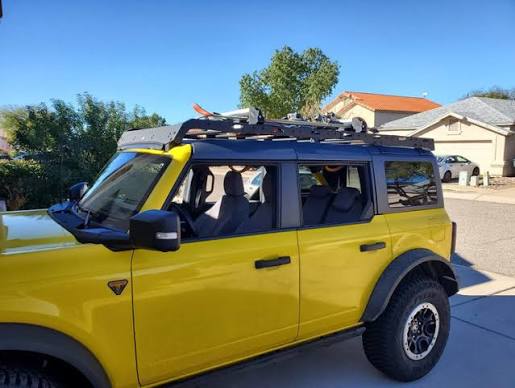
Specific Considerations for Different Rack Types
Not all roof racks are created equal. The material and design dictate how you should approach cleaning.
| Rack Type | Material Sensitivity | Cleaning Recommendation |
|---|---|---|
| Aluminum Crossbars | Moderate | Safe for touchless washes. Hand wash to prevent oxidation spots. |
| Steel Crossbars | High (Rust Risk) | Inspect for chips in powder coating. Hand wash recommended. |
| Plastic/Cargo Boxes | Low | Generally durable, but hinges need lubrication after washing. |
| Bike/Ski Mounts | High (Mechanical) | Hand wash only. Grease and road grime build up in moving parts. |
For more detailed information on the materials used in automotive accessories, you can refer to general engineering principles found on Wikipedia’s page on Aluminum Alloys, which highlights why certain alloys are chosen for their corrosion resistance and strength-to-weight ratio.
Maintenance Tips Post-Wash
Cleaning is only half the battle. Proper maintenance after a wash ensures your rack remains secure and functional.
- Lubricate Moving Parts: If you have bike trays or ski carriers, apply a silicone-based lubricant to hinges and locks after washing. Water can wash away existing grease, leading to stiffness or rust.
- Check Torque Settings: Vibrations from driving and the pressure from washing can occasionally loosen bolts. Once a month, check the tightness of your crossbar clamps and foot packs. Refer to your manufacturer’s manual for specific torque specifications (usually measured in Newton-meters or foot-pounds).
- Inspect Rubber Seals: Look for cracks or brittleness in the rubber pads that sit between the rack and your car’s roof. Replace them if they show signs of wear to prevent leaks and paint damage.
FAQ Section
1. Will a touchless car wash damage my roof rack?
Generally, no. Touchless car washes use high-pressure water and chemicals without physical contact. However, ensure that the detergents used are compatible with your rack’s materials. Some industrial-strength cleaners may be harsh on plastic components or rubber seals over time.
2. Can I leave my roof rack on during winter?
Yes, but it requires extra care. Salt and road grime can accelerate corrosion. If you live in an area with heavy snowfall, consider removing the rack if it is not in use. If you keep it on, rinse it frequently to remove salt buildup.
3. How often should I clean my roof rack?
You should rinse your roof rack every time you wash your car. A deep clean with soap and lubrication should be performed at least once every three months, or immediately after exposure to saltwater, mud, or heavy pollen.
4. Is it safe to drive through a car wash with a cargo box attached?
If the car wash is touchless, yes. If it uses brushes, absolutely not. Cargo boxes often have wider profiles and plastic shells that can easily crack or shatter under the pressure of rotating brushes. Always opt for hand washing or touchless systems when a cargo box is mounted.
5. What should I do if my roof rack starts making noise after a wash?
Noise usually indicates a loose component or trapped water. Check all bolts and clamps for tightness. If the noise persists, it may be wind turbulence caused by a misaligned fairing. Ensure all aerodynamic covers are properly seated.
Conclusion
So, can you go through a carwash with a roof rack? Yes, but caution is paramount. Avoid traditional brush-based automatic car washes at all costs to prevent structural damage and cosmetic scratches. Instead, opt for touchless automatic systems or, ideally, invest the time in a thorough hand wash.
By following the steps outlined above, you not only keep your vehicle looking pristine but also extend the lifespan of your roof rack investment. Regular maintenance, proper lubrication, and careful cleaning habits will ensure your gear is ready for your next adventure, whether it is a mountain biking trip or a family road trip.
Did you find this guide helpful? Share it with your fellow outdoor enthusiasts on social media to help them protect their vehicles too! Stay safe and happy travels.
Leave a Reply