Have you been staring at your aging asphalt shingles, dreading the mess, cost, and hassle of a full tear-off? You are not alone; many homeowners look for shortcuts that save time without compromising quality. The burning question on everyone’s mind is: Is it ok to put a metal roof over shingles? The short answer is yes, but with significant caveats that can make or break your investment.
In this comprehensive guide, we will dive deep into the structural, financial, and practical implications of installing metal roofing directly over existing shingles. We will help you decide if this method is right for your home, ensuring you avoid costly mistakes while maximizing the lifespan of your new roof.
Why Consider Installing Metal Over Shingles?
Before we get into the technical “how-to,” let’s address the “why.” For many US homeowners, the primary driver is convenience. Removing old asphalt shingles is a labor-intensive process that generates massive amounts of waste. By leaving the old layer in place, you skip the demolition phase entirely.
However, it is not just about laziness. There are legitimate benefits to this approach, provided your home is a good candidate. Let’s explore the advantages and disadvantages to give you a balanced view.
The Pros: Speed and Savings
- Cost Efficiency: You save money on labor costs associated with tear-off and dumpster fees for debris disposal. According to industry estimates, skipping the tear-off can reduce total project costs by 10–15%.
- Time-Saving: Without the removal process, installation can be completed in half the time. This means less exposure to the elements for your home’s interior.
- Added Insulation: The existing shingle layer acts as an additional thermal barrier, potentially improving your home’s energy efficiency slightly.
- Less Mess: No nails flying everywhere, no dust clouds, and no heavy dumpsters blocking your driveway for weeks.
The Cons: Hidden Risks
- Trapped Moisture: If there is any existing water damage or rot, covering it up traps the problem. This can lead to accelerated decay of the roof deck.
- Weight Load: While metal is light, adding it to existing shingles adds weight. Most modern homes can handle this, but older structures might need an engineering assessment.
- Voided Warranties: Some metal roofing manufacturers will void their warranty if installed over more than one layer of existing roofing. Always check the fine print.
- Aesthetic Issues: If the old shingles are curled or uneven, the new metal roof may not lie flat, leading to visible waves or “oil-canning” effects.
Critical Pre-Installation Checks
You cannot simply screw metal panels onto old shingles and hope for the best. Proper preparation is vital. Before you hire a contractor or start a DIY project, you must verify three key conditions.
1. Structural Integrity Assessment
Your roof deck (the wood beneath the shingles) must be solid. If the previous roof had leaks, the plywood or OSB sheathing might be soft or rotted.
- Action Step: Walk the attic space. Look for dark stains, sagging beams, or daylight coming through cracks.
- Rule of Thumb: If more than 10% of the deck shows signs of rot, a full tear-off is recommended to replace the damaged wood.
2. Local Building Codes
Building codes vary significantly across the United States. Some municipalities strictly prohibit more than two layers of roofing material.
- Check First: Contact your local building department. Ignoring code can result in fines or issues when selling your home later.
- Reference: For general standards on roofing materials and safety, you can refer to guidelines outlined by organizations like the International Code Council or basic material properties found on Wikipedia.
3. Condition of Existing Shingles
The existing shingles must be relatively flat. If they are severely curled, buckled, or missing in large patches, they do not provide a stable base.
- Fix It First: Replace any missing shingles and nail down any lifted edges before installing the metal underlayment.
Step-by-Step Installation Overview
If you have cleared the checks above, here is how the process generally works. Note that this is a simplified overview; professional installation is highly recommended for warranty purposes.
- Prepare the Surface: Clean the roof of moss, debris, and loose granules. Secure any loose shingles with roofing nails.
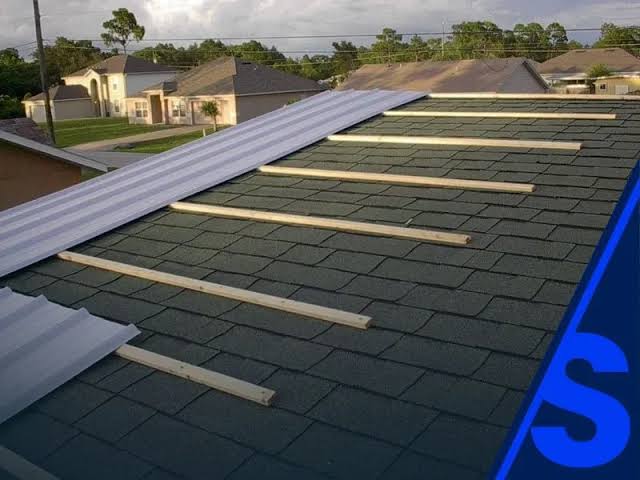
- Install Furring Strips (Battens): This is crucial. You should never install metal panels directly against asphalt shingles. Install horizontal or vertical wooden furring strips (usually 1x4s) over the shingles. This creates an air gap that allows moisture to escape and prevents heat buildup.
- Apply Underlayment: Place a high-quality synthetic underlayment over the battens or directly over the shingles (depending on the specific system used). This acts as a secondary water barrier.
- Install Metal Panels: Start from the eave and work your way up. Use screws with rubber washers designed specifically for metal roofing. Ensure screws penetrate into the roof deck, not just the shingles.
- Flashings and Trim: Pay extra attention to valleys, chimneys, and vents. Proper flashing is where most leaks occur in overlay jobs.
Metal Roof vs. Tear-Off: A Comparison
To help you visualize the trade-offs, here is a quick comparison table.
| Feature | Metal Over Shingles | Full Tear-Off & Replace |
|---|---|---|
| Cost | Lower (Save on labor/disposal) | Higher |
| Time | Fast (1-3 days) | Slow (3-7 days) |
| Inspection | Cannot inspect deck fully | Full deck inspection possible |
| Warranty | May be limited | Full manufacturer warranty |
| Longevity | Good (if prep is done right) | Excellent (best practice) |
People Also Ask: Common Questions Answered
Does putting metal over shingles void the warranty?
It depends on the manufacturer. Many top-tier metal roofing brands require a clean deck for their premium warranties. However, some offer specific “retrofit” warranties for overlay installations. Always read the warranty documentation before purchasing materials.
Will the extra weight damage my house?
In most cases, no. Asphalt shingles weigh about 2–3 pounds per square foot, while standing seam metal roofs weigh about 1–1.5 pounds per square foot. Even combined, the load is typically well within the design limits of standard residential framing. However, if you live in an area with heavy snow loads, consult a structural engineer.
Can I do this myself (DIY)?
While technically possible, it is not recommended for beginners. Metal roofing requires precise cutting, flashing details, and understanding of thermal expansion. A mistake in flashing can lead to leaks that are difficult to trace because the water is trapped between two layers.
How long will a metal roof last over shingles?
A properly installed metal roof can last 40–70 years. However, if moisture is trapped underneath due to poor ventilation or existing leaks, the lifespan could be reduced. Ensuring proper airflow via furring strips is key to maximizing longevity.
What type of metal roof is best for overlays?
Standing seam metal roofs are generally preferred over corrugated or exposed-fastener panels for overlays. They are more durable, handle thermal expansion better, and have fewer penetration points where leaks can occur.
Expert Insight: The Importance of Ventilation
One of the biggest myths is that metal roofs “breathe.” They do not. Asphalt shingles also do not breathe. When you combine them, you create a sandwich that can trap heat and moisture.
According to roofing experts, the single most important factor in a successful overlay is ventilation. By using furring strips (battens), you create a channel for air to flow from the eave to the ridge. This airflow prevents condensation from forming on the underside of the metal panels, which could otherwise drip onto your shingles and cause rot.
Pro Tip: If your current attic ventilation is poor, fix it before installing the new roof. Add ridge vents or soffit vents to ensure your attic stays dry and cool.
Conclusion
So, is it ok to put a metal roof over shingles? Yes, it is a viable, cost-effective option for many homeowners, provided the existing roof is in decent condition and local codes allow it. It offers speed, savings, and added insulation. However, it requires meticulous preparation, particularly regarding ventilation and flashing, to avoid trapping moisture.
If your current shingles are flat, dry, and securely attached, an overlay can be a smart move. But if you suspect hidden rot or major structural issues, bite the bullet and pay for the tear-off. Your future self will thank you for the peace of mind.
Found this guide helpful? Share it with your neighbors who might be considering a roof upgrade! Don’t forget to bookmark this page for future reference as you plan your home improvement projects.
Leave a Reply