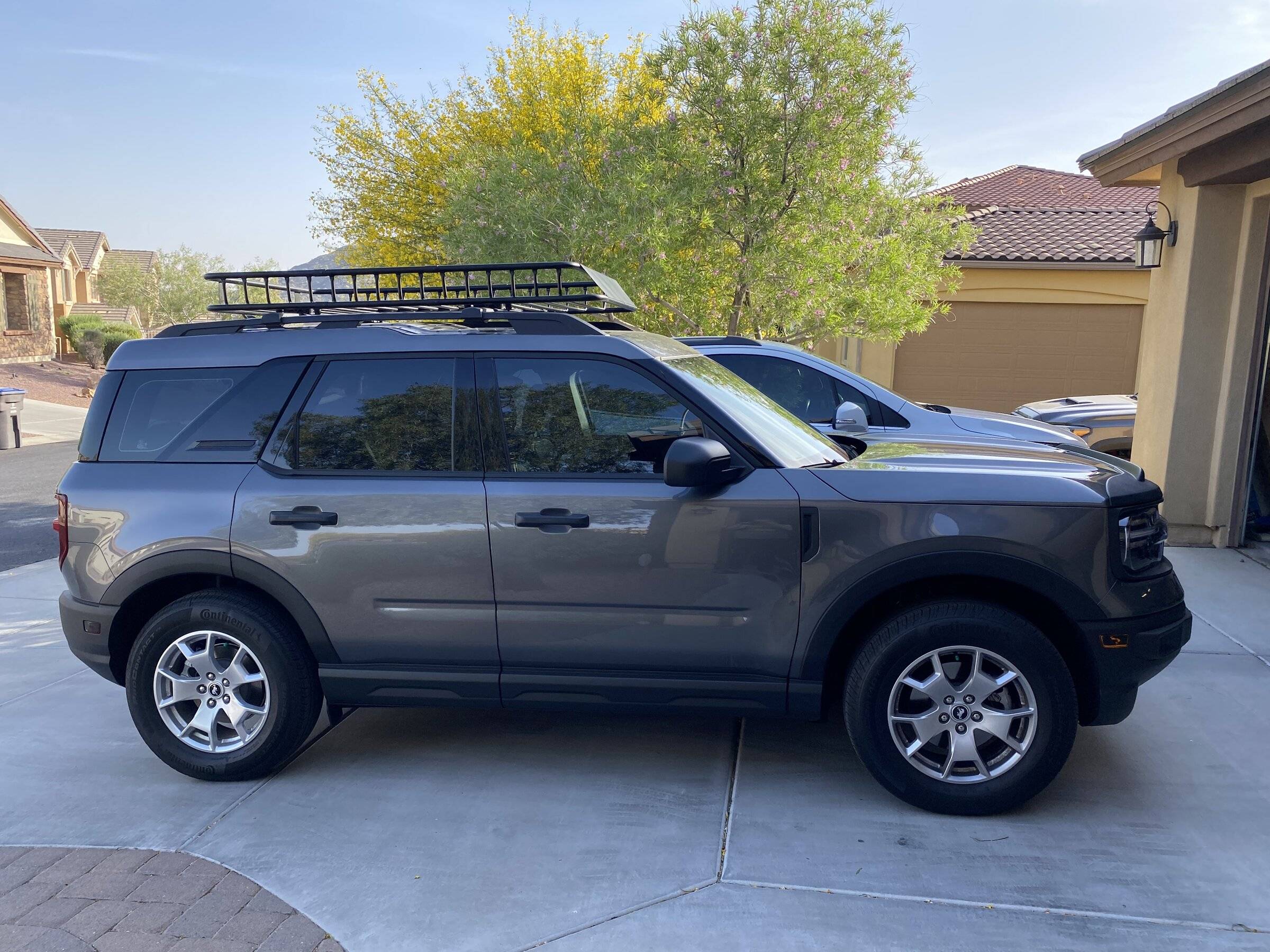
Have you ever stood at the entrance of an automated car wash, staring at those spinning brushes, while wondering if your expensive roof rack will survive the ordeal? It is a common dilemma for outdoor enthusiasts and daily commuters alike. The short answer to can you go through a carwash with a roof rack is: it depends heavily on the type of car wash and the specific design of your rack.
Making the wrong choice here can lead to scratched paint, bent crossbars, or even a detached cargo box flying off in the tunnel. In this guide, we will break down exactly what is safe, what is risky, and how to prepare your vehicle for a clean without compromising your gear. Let’s dive into the details so you can drive away with confidence.
Understanding the Risks: Why Car Washes and Roof Racks Clash
Before we look at the “how,” we need to understand the “why.” Automated car washes are designed for standard vehicle profiles. They use sensors, brushes, and high-pressure jets that assume a certain height and shape. When you add a roof rack, you change the aerodynamics and physical dimensions of your car.
The primary risks include:
- Physical Impact: Touchless washes are generally safe, but friction washes (with brushes) can catch on crossbars or cargo boxes.
- Sensor Confusion: Some older car wash systems may not detect the added height of a roof box, leading to collisions with overhead machinery.
- Water Intrusion: High-pressure jets can force water into the mounting points of your rack, potentially causing rust or loosening the clamps over time.
According to general automotive maintenance standards, any aftermarket addition alters the vehicle’s original specifications. For more context on vehicle modifications and safety standards, you can refer to Wikipedia’s article on automotive accessories.
Type of Car Wash: Which One Is Safe for Your Roof Rack?
Not all car washes are created equal. Here is a breakdown of the most common types and their compatibility with roof racks.
1. Touchless Automatic Car Washes (Safe)
This is the gold standard for vehicles with roof racks. Touchless washes use high-pressure water and specialized detergents to clean the car without any physical contact.
- Why it’s safe: There are no brushes or cloth strips to snag on your rack.
- Precaution: Ensure your rack is tightly secured. While there is no physical contact, the high-pressure water can still be intense.
2. Soft-Cloth Automatic Car Washes (Risky)
These use large, rotating cloth strips. While softer than bristles, they can still wrap around protruding parts of a roof rack.
- The Risk: If your roof rack has loose straps, bike wheels, or irregular shapes, the cloth can get tangled. This can damage the cloth, the rack, or your car’s paint.
- Verdict: Avoid unless you have a completely flush, low-profile rack with no accessories attached.
3. Brush Automatic Car Washes (Avoid)
These use stiff bristles to scrub the car. They are aggressive and known for causing swirl marks on paint.
- The Risk: High probability of scratching your roof rack’s finish or bending thin crossbars. The bristles can also get caught in the gaps between the rack and the roof.
- Verdict: Do not use. The potential for damage outweighs the convenience.
4. Self-Service Bay (Safe with Caution)
If you prefer control, a self-service bay is a great option.
- Why it’s safe: You control the pressure and angle of the spray.
- Precaution: Avoid spraying directly into the locking mechanisms or mounting feet for extended periods.
Step-by-Step Guide: How to Prep Your Car for the Wash
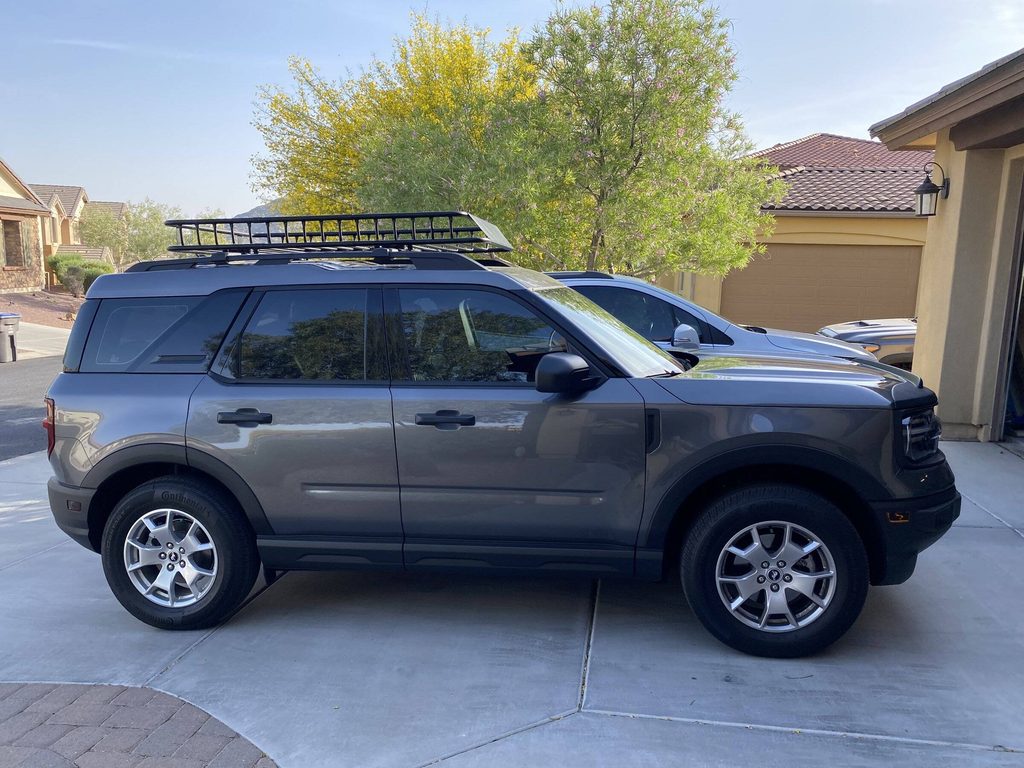
If you decide to go through a touchless car wash or use a self-service bay, preparation is key. Follow these steps to ensure a smooth experience.
- Inspect the Mounting Points: Before entering the wash, check that all bolts, clamps, and locks are tight. Use a torque wrench if necessary, following the manufacturer’s specifications (usually between 5–10 Nm for most consumer racks).
- Remove Loose Accessories: Take off any bike trays, ski carriers, or cargo bags if possible. These items often have moving parts or straps that can flap violently in high winds or water jets.
- Check Height Clearance: Measure the total height of your vehicle with the rack installed. Compare this to the clearance sign at the car wash entrance. Most standard tunnels have a clearance of 7–8 feet (2.1–2.4 meters), but always verify.
- Fold Down Antennas: If your car has a whip antenna or radio mast, fold it down to prevent it from snapping against the rack or the wash equipment.
- Close All Windows and Sunroofs: This seems obvious, but double-check. Water pressure can force water into slightly open seals.
Roof Rack Materials: What Can Handle the Heat?
Different materials react differently to car wash chemicals and heat. Here is a quick comparison:
| Material | Durability in Car Wash | Notes |
|---|---|---|
| Aluminum | High | Resistant to rust, but can oxidize if coated poorly. Safe for touchless washes. |
| Steel | Medium | Prone to rust if the powder coating is chipped. Inspect for scratches after washing. |
| Plastic/Composite | High | Generally safe, but avoid high-heat wax cycles which might warp thin plastic components. |
| Wood (Rare) | Low | Not recommended for automatic washes. Water absorption can cause warping or rot. |
Note: Always consult your specific roof rack manual. Brands like Thule, Yakima, and Rhino-Rack have specific care instructions.
Expert Tips for Maintaining Your Roof Rack Post-Wash
Cleaning is only half the battle. Proper aftercare ensures longevity.
- Dry Thoroughly: Water spots can be difficult to remove from matte black racks. Use a microfiber towel to dry the rack manually after the wash cycle.
- Lubricate Locks: Car wash detergents can strip away natural oils. Apply a small amount of silicone-based lubricant to the keyholes and locking mechanisms every few months.
- Inspect for Damage: Look for any new scratches or loose fittings. Catching a loose bolt early can prevent a catastrophic failure on the highway.
FAQ Section
1. Can I leave my bike on the rack during a car wash?
No. Never leave bikes, skis, or kayaks on the rack during an automatic car wash. The wind resistance and water pressure can dislodge them, causing severe damage to your vehicle, the car wash equipment, and other cars. Always remove all cargo.
2. Will a car wash void my roof rack warranty?
Generally, no. Using a touchless car wash will not void your warranty. However, if you use a brush wash and it causes physical damage (bent bars, scratched coating), the manufacturer may deny a warranty claim for that specific damage. Always check your warranty terms.
3. How often should I wash my roof rack?
It is recommended to wash your roof rack every time you wash your car, especially if you live in an area with road salt, pollen, or bird droppings. Accumulated debris can corrode the mounting points over time.
4. Is hand washing better for roof racks?
Yes, hand washing is the safest method. It allows you to gently clean around the complex shapes of the rack without the risk of high-pressure water forcing its way into seals or brushes snagging on components. Use a soft sponge and mild soap.
5. What if my roof rack is making noise after the car wash?
Noise usually indicates a loose fit or water trapped in the channels. Check all tightening bolts first. If they are secure, dry the rack thoroughly. If the noise persists, it may be due to wind turbulence caused by the rack’s position, which is unrelated to the wash.
Conclusion
So, can you go through a carwash with a roof rack? Yes, but with caveats. Stick to touchless automatic car washes or self-service bays to minimize risk. Avoid brush and soft-cloth tunnels unless you are willing to gamble with your gear. By removing accessories, checking your height clearance, and performing regular maintenance, you can keep both your car and your roof rack in pristine condition.
Remember, a little extra caution goes a long way in protecting your investment. If you found this guide helpful, please share it with your fellow adventurers on social media. Safe travels and happy cleaning!
Leave a Reply