Have you ever taken a bite of piping hot pizza or sipped scalding coffee, only to feel that sharp, stinging sensation on the roof of your mouth? It is a universally frustrating experience that can ruin your meal and leave you in discomfort for days. If you are asking yourself what happens when you burn the roof of your mouth, you are not alone; understanding the biological response and proper care can significantly speed up your recovery.
The Immediate Biological Response: What Actually Happens?
When you consume food or liquids that exceed the safe temperature threshold (typically above 140°F or 60°C), the delicate tissue lining the roof of your mouth, known as the hard and soft palate, suffers thermal injury. This isn’t just a superficial sting; it is a localized burn that triggers an immediate inflammatory response.
The first thing you notice is the pain. This occurs because the heat damages the nerve endings in the mucous membranes. Your body reacts by sending blood to the area to initiate healing, which causes redness and swelling. In more severe cases, the top layer of skin may separate from the underlying tissue, forming a blister.
According to dental professionals, these burns are classified similarly to skin burns:
- First-degree: Redness and mild pain (most common).
- Second-degree: Blistering and intense pain.
- Third-degree: Deep tissue damage (rare from food, usually requires medical attention).
For most people, the experience falls into the first or second degree. While painful, the mouth is one of the fastest-healing parts of the human body due to its rich blood supply and unique cellular regeneration properties.
Why Does the Roof of My Mouth Feel Rough or Peeled?
A few hours after the initial burn, you might run your tongue over the roof of your mouth and feel a rough, textured, or even “peeled” surface. This is a normal part of the healing process, but it can be alarming if you aren’t expecting it.
The Shedding Process
The roughness you feel is actually dead tissue. When the heat damages the epithelial cells on the surface of your palate, those cells die and begin to slough off. Your body is essentially shedding the damaged layer to make room for new, healthy cells underneath.
- Day 1-2: The area is tender, red, and sensitive to touch.
- Day 3-5: A white or yellowish film may appear. This is not necessarily pus; it is often a fibrin clot, a natural bandage your body creates to protect the wound while it heals.
- Day 7+: The tissue regenerates, and the roughness disappears.
It is crucial not to pick at this peeling skin. Doing so can expose raw nerve endings, increase the risk of infection, and delay healing. Let the tissue shed naturally during eating or brushing.
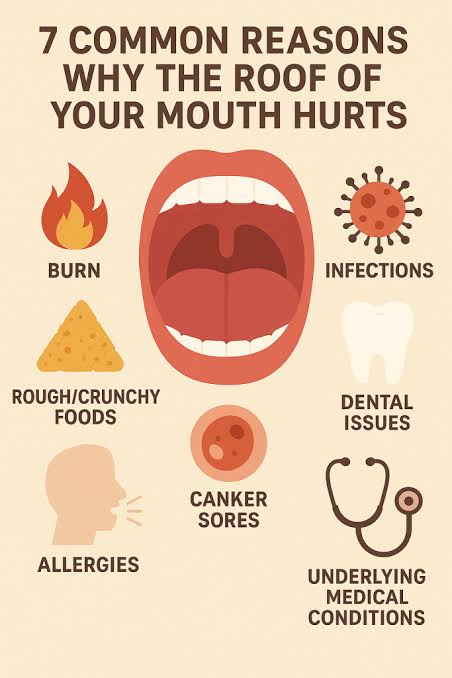
How to Relieve Pain and Speed Up Healing
While time is the ultimate healer, you don’t have to suffer in silence. There are several evidence-based methods to manage pain and support the regeneration process. Here is a step-by-step guide to treating a burnt palate.
Step 1: Cool It Down Immediately
As soon as you realize you’ve burned your mouth, stop eating. Take small sips of cold water or hold ice chips against the roof of your mouth.
- Recommendation: Use cold water (around 40–50°F / 4–10°C) for 10–15 minutes. Avoid extreme ice directly on the tissue for too long, as this can cause further tissue damage (frostbite-like effect).
Step 2: Rinse with Salt Water
Salt water is a natural disinfectant and helps reduce inflammation.
- Recipe: Mix 1/2 teaspoon of salt into 8 ounces (240 ml) of warm water.
- Action: Swish gently for 30 seconds and spit out. Repeat 2–3 times a day.
Step 3: Use Soothing Agents
Certain foods and products can coat the burn and provide a protective barrier.
- Honey: Known for its antimicrobial and wound-healing properties. Apply a small amount directly to the burnt area.
- Yogurt or Milk: The cool temperature and probiotics can soothe irritation.
- Aloe Vera: Ensure it is food-grade aloe vera gel. It has anti-inflammatory properties that can reduce pain.
Step 4: Over-the-Counter Pain Relief
If the pain is interfering with your ability to eat or sleep, consider using OTC medications.
- Oral Gels: Products containing benzocaine can numb the area temporarily.
- Anti-inflammatories: Ibuprofen can help reduce swelling and pain systemically.
Foods to Eat vs. Foods to Avoid
Your diet plays a critical role in how quickly your mouth heals. Irritating the wound can reset the healing clock. Use this table to guide your food choices during the recovery period.
| Food Category | Recommended (Healing) | Avoid (Irritating) |
|---|---|---|
| Temperature | Cold or room temperature foods | Piping hot soups, coffee, tea |
| Texture | Soft, smooth textures (pudding, yogurt) | Crunchy, sharp foods (chips, toast) |
| Flavor Profile | Bland, mild flavors | Spicy, acidic, or salty foods |
| Examples | Ice cream, smoothies, mashed potatoes | Citrus fruits, tomato sauce, salsa |
Pro Tip: Stick to a soft-food diet for the first 48 hours. Think of foods that require minimal chewing and won’t scratch the sensitive palate.
When Should You See a Doctor?
Most burnt palates heal within 3 to 7 days without professional intervention. However, there are specific signs that indicate a complication or a more severe injury requiring medical attention.
You should consult a healthcare provider if:
- Signs of Infection: Increased redness, swelling, pus, or fever.
- Persistent Pain: The pain does not subside after 7–10 days.
- Large Blisters: If blisters are large, numerous, or interfering with breathing/swallowing.
- White Patches: If white patches persist beyond two weeks, it could indicate a fungal infection (thrush) or other oral conditions unrelated to the burn.
For more detailed information on oral mucosal injuries, you can refer to resources like Wikipedia’s article on Oral Mucosa to understand the anatomy involved.
Frequently Asked Questions (FAQ)
1. How long does it take for the roof of your mouth to heal?
Typically, minor burns on the roof of the mouth heal within 3 to 7 days. The mouth has a high rate of cell turnover, which allows for faster recovery compared to skin burns on other parts of the body. Severe second-degree burns may take up to two weeks.
2. Can I brush my teeth if I have a burnt roof of my mouth?
Yes, maintaining oral hygiene is crucial to prevent infection. However, be gentle around the affected area. Use a soft-bristled toothbrush and avoid scrubbing the burnt spot directly. Rinsing with salt water after brushing can help keep the area clean.
3. Why does my burnt mouth taste weird?
Damage to the taste buds and nerve endings on the roof of your mouth can temporarily alter your sense of taste. You might experience a metallic, bitter, or bland taste. This is usually temporary and resolves as the tissue heals.
4. Is it bad to pop the blister on the roof of my mouth?
Yes, do not pop it. The blister acts as a natural sterile bandage protecting the raw tissue underneath. Popping it introduces bacteria from your mouth into the open wound, significantly increasing the risk of infection and prolonging healing time.
5. Can drinking hot coffee cause permanent damage?
It is highly unlikely. Most thermal injuries from food and beverages are superficial. Permanent damage usually requires exposure to extremely high temperatures for a prolonged period, which is rare in accidental dietary burns. However, chronic consumption of very hot beverages has been linked to other health risks, so moderation is key.
6. What is the best home remedy for a burnt palate?
Cold dairy products (like yogurt or milk), honey, and salt water rinses are among the most effective home remedies. They soothe pain, reduce inflammation, and keep the area clean without harsh chemicals.
Conclusion
Experiencing the pain of a burnt palate is unpleasant, but understanding what happens when you burn the roof of your mouth can help you manage the situation effectively. By cooling the area immediately, avoiding irritants, and using soothing remedies like salt water or honey, you can minimize discomfort and speed up the natural healing process.
Remember, your mouth is resilient. With a little care and patience, you’ll be back to enjoying your favorite hot foods in no time. If you found this guide helpful, please share it with your friends and family on social media—because everyone knows someone who loves their pizza just a little too hot!
Leave a Reply