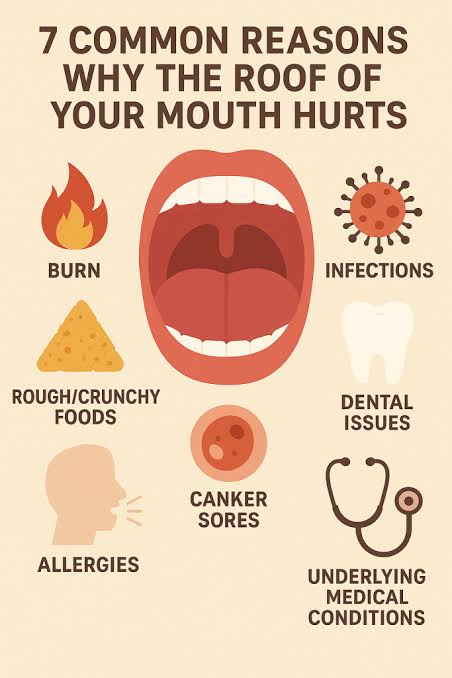
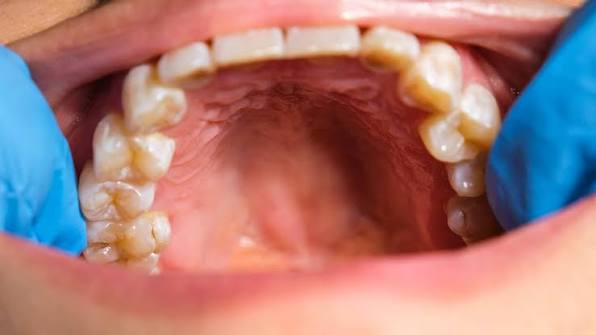
We have all been there. You take a bite of piping hot pizza or sip scalding coffee, and suddenly, a sharp sting radiates through the roof of your mouth. It is an uncomfortable, often painful experience that can make eating and speaking difficult for days. If you are wondering how to heal burns on the roof of your mouth, you are not alone, and relief is closer than you think.
The roof of your mouth, known medically as the palate, is lined with delicate mucous membranes. These tissues are highly sensitive and prone to thermal injury from food and drinks. While most minor burns heal on their own within a week, knowing the right steps can significantly reduce pain, prevent infection, and accelerate the healing process. In this guide, we will walk you through evidence-based methods to soothe the burn and restore comfort to your daily life.
Immediate First Aid: What to Do Right After the Burn
Time is critical when treating thermal injuries. The first few minutes after burning the roof of your mouth determine the severity of the damage and the speed of recovery. Acting quickly can limit the depth of the burn and minimize tissue damage.
Cool Down the Area Immediately
The moment you realize you have burned your palate, stop eating or drinking the hot substance. Rinse your mouth with cool water. Not ice-cold, as extreme temperatures can shock the tissue further, but comfortably cool. Aim for water at approximately 15–20°C (59–68°F). Swish it gently around your mouth for 30 to 60 seconds. This helps dissipate the residual heat trapped in the tissues.
Avoid using ice cubes directly on the burn. Direct contact with ice can cause frostbite-like damage to the already compromised cells, leading to more pain and slower healing. Instead, let small chips of ice melt slowly in your mouth if you need intense cooling, ensuring they do not stick to one spot.
Assess the Severity
Not all burns are created equal. Understanding the degree of your burn helps you decide whether home care is sufficient or if you need professional medical attention.
| Burn Degree | Symptoms | Healing Time | Action Required |
|---|---|---|---|
| First-Degree | Redness, mild swelling, slight pain. No blisters. | 3–7 days | Home care usually suffices. |
| Second-Degree | Blisters, severe pain, significant swelling. | 1–2 weeks | Monitor closely; see a doctor if infected. |
| Third-Degree | White or charred skin, numbness (nerve damage). | Several weeks | Seek immediate medical help. |
Most “pizza palate” incidents are first-degree burns. However, if you notice large blisters forming or if the pain is unmanageable, it may be a second-degree burn requiring more careful management.
Effective Home Remedies to Soothe Pain and Speed Up Healing
Once you have cooled the area, the next step is to create an environment that promotes healing. The mouth is a unique environment because it is constantly moist and exposed to bacteria, which can complicate healing. Here are some proven, natural remedies to help how to heal burns on the roof of your mouth effectively.
Honey: Nature’s Antibacterial Healer
Honey has been used for centuries for wound care, and modern science supports its efficacy. It possesses natural antibacterial and anti-inflammatory properties. A study published in the Journal of Family Medicine and Primary Care highlights honey’s ability to accelerate wound healing by maintaining a moist environment and preventing infection.
How to use it:
- Take one teaspoon of raw, organic honey.
- Gently apply it directly to the burned area on the roof of your mouth.
- Let it sit for a few minutes before swallowing or rinsing.
- Repeat this 2–3 times a day.
Note: Do not give honey to children under one year old due to the risk of botulism.
Salt Water Rinses for Cleanliness
Keeping the burn clean is crucial to prevent secondary infections. A saline solution is isotonic, meaning it matches the body’s natural fluid balance, making it gentle on irritated tissues while effectively flushing out debris and bacteria.
Recipe for Saline Rinse:
- Mix 1/2 teaspoon of non-iodized salt into 1 cup (240 ml) of warm water.
- Stir until the salt is completely dissolved.
- Swish gently in your mouth for 30 seconds, focusing on the roof of your mouth.
- Spit out the solution. Do not swallow.
- Perform this rinse 2–3 times daily, especially after meals.
Aloe Vera Gel for Cooling Relief
Aloe vera is renowned for its soothing properties on skin burns, and it works similarly on oral mucosa. It contains compounds called polysaccharides that stimulate skin growth and repair. Ensure you use food-grade aloe vera gel or pure extract from the plant, avoiding products with added alcohol or fragrances which can sting.
Apply a small amount of pure aloe vera gel to the affected area. Leave it on for a few minutes to allow absorption. This can provide immediate cooling relief and reduce inflammation.
Dietary Adjustments: What to Eat and Avoid
Your diet plays a pivotal role in the healing process. Certain foods can irritate the burn, causing renewed pain and delaying recovery, while others can provide necessary nutrients for tissue repair.
Foods to Avoid
Until the burn heals, steer clear of items that can physically or chemically irritate the palate:
- Spicy Foods: Capsaicin in chili peppers can trigger pain receptors in damaged tissue.
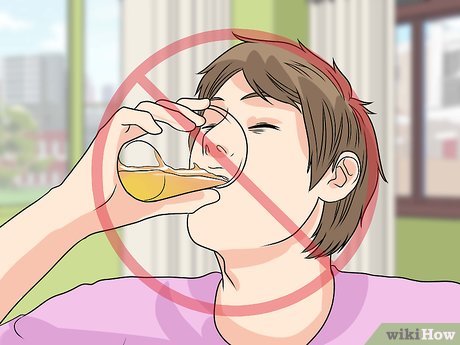
- Acidic Foods: Citrus fruits (lemons, oranges), tomatoes, and vinegar-based dressings can sting and slow healing.
- Crunchy or Sharp Foods: Chips, toast, and hard crackers can scratch the sensitive area.
- Very Hot Temperatures: Stick to lukewarm or cold foods. Heat will re-aggravate the injury.
Foods That Help Healing
Focus on soft, nutrient-dense foods that are easy to swallow:
- Yogurt and Pudding: Cold dairy products can be soothing and provide protein for repair.
- Smoothies: Blend fruits (non-acidic like bananas or melons) with yogurt or milk.
- Mashed Potatoes: Soft, bland, and filling. Ensure they are cooled down before eating.
- Broth-Based Soups: Warm, not hot, broths provide hydration and electrolytes.
For more detailed information on oral health and tissue regeneration, you can refer to general medical resources such as Wikipedia’s page on Oral Mucosa to understand the biological structure of the tissue you are healing.
When to See a Doctor: Recognizing Complications
While most mouth burns are minor, complications can arise. It is essential to know when home remedies are no longer enough. If you experience any of the following symptoms, consult a healthcare provider or dentist immediately:
- Signs of Infection: Increased redness, pus, foul odor, or fever.
- Persistent Pain: Pain that does not improve after 3–4 days of home care.
- Large Blisters: Blisters larger than 1 cm or those that burst and bleed excessively.
- Difficulty Swallowing or Breathing: This could indicate significant swelling that may obstruct airways.
- No Improvement: If the burn shows no signs of healing after two weeks.
Dentists and doctors can prescribe topical anesthetics like benzocaine gels or antimicrobial mouthwashes like chlorhexidine to manage severe cases. They can also rule out other conditions that might mimic a burn, such as oral thrush or viral infections.
FAQ Section
How long does it take for a burn on the roof of the mouth to heal?
Most first-degree burns on the palate heal within 3 to 7 days. Second-degree burns, which involve blistering, may take 1 to 2 weeks. The mouth heals faster than skin elsewhere on the body due to its rich blood supply and constant moisture.
Can I use toothpaste on a burnt roof of my mouth?
No, avoid applying toothpaste directly to the burn. Many toothpastes contain sodium lauryl sulfate (SLS) and strong mint flavors that can irritate the damaged tissue and cause stinging. Stick to gentle saline rinses or honey instead.
Is it safe to pop blisters on the roof of my mouth?
Never pop blisters in your mouth. The blister acts as a natural bandage, protecting the underlying raw tissue from bacteria and further irritation. Popping it increases the risk of infection and delays healing. Let it rupture naturally if it is going to.
Why does the roof of my mouth hurt days after the burn?
Even after the initial heat is gone, the nerve endings in the palate remain inflamed. As the top layer of cells dies and sheds, the new, sensitive tissue underneath is exposed. This is part of the normal healing process, but if pain worsens after day 3, check for signs of infection.
Can I drink coffee if I burned my mouth?
It is best to avoid coffee for a few days. Coffee is acidic and often consumed hot, both of which can irritate the burn. If you must have it, wait until it is lukewarm or cold, and consider adding milk to reduce acidity.
Does sugar help heal mouth burns?
While honey (which contains sugar) is beneficial due to its enzymatic properties, plain refined sugar is not recommended. Sugar can feed bacteria in the mouth, potentially leading to infection. Stick to honey or specialized oral gels for better results.
Conclusion
Dealing with a burnt palate is unpleasant, but it is rarely serious. By acting quickly with cool water, utilizing natural remedies like honey and salt water, and adjusting your diet, you can significantly ease the discomfort. Remember, the key to learning how to heal burns on the roof of your mouth lies in patience and keeping the area clean.
Most importantly, listen to your body. If the pain persists or worsens, do not hesitate to seek professional advice. Share this guide with friends and family who love their hot coffee and pizza just a little too much—it might save them from a few days of discomfort!