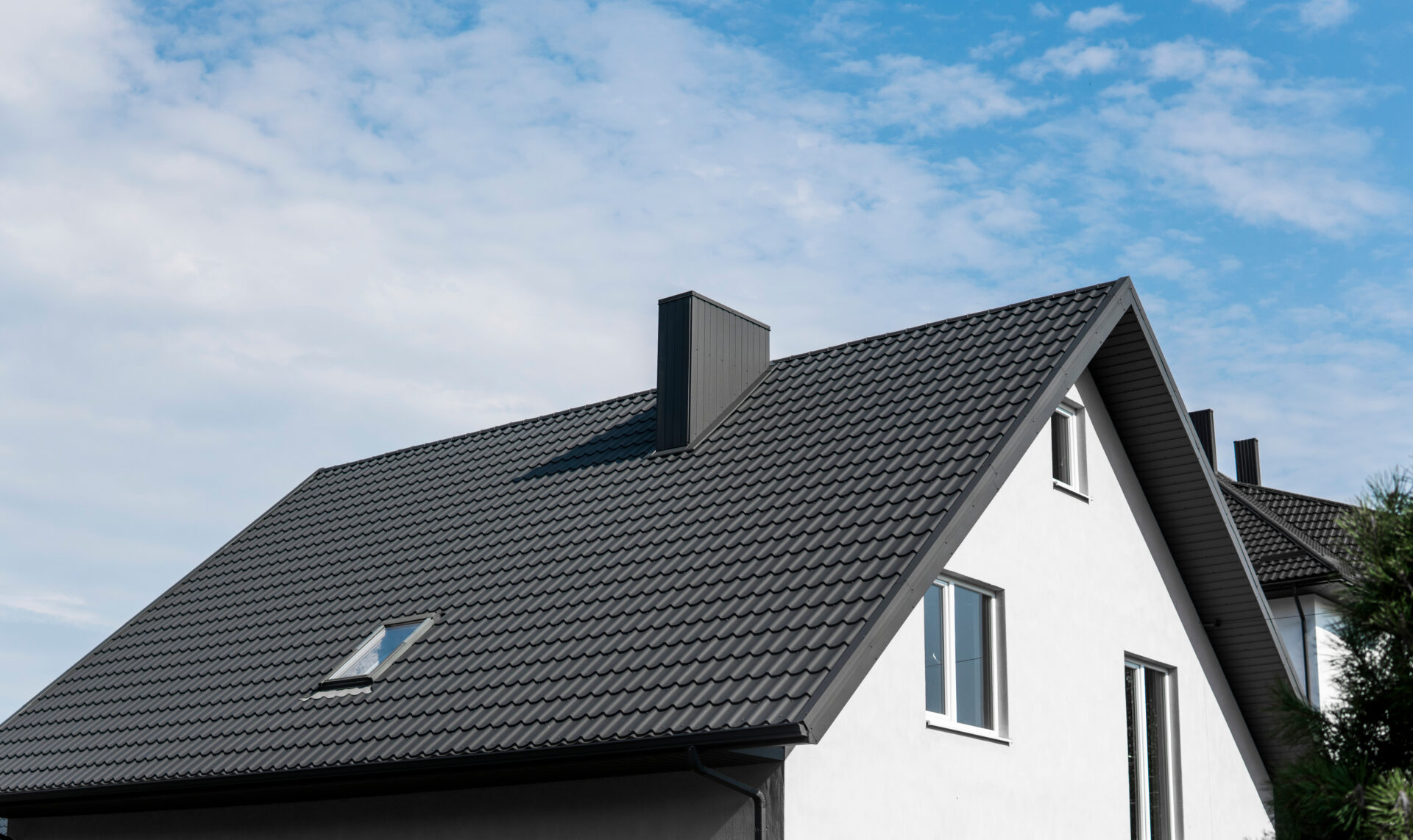
Replacing a roof is one of the most significant investments a homeowner can make. It protects your family, enhances curb appeal, and preserves your property value. However, staring at a blank checkbook while waiting for contractor quotes can be stressful. If you are asking, “How much will it cost to get a new roof,“ you are not alone. This guide breaks down the numbers clearly so you can budget with confidence.
Understanding the Average Cost of a New Roof in 2026
The short answer? For an average-sized home in the United States, a new roof typically costs between $8,500 and $14,000. However, this range is broad because every home is unique.
According to recent industry data from 2025-2026, the national average sits around $11,500 for a standard asphalt shingle replacement on a 2,000-square-foot home. But “average” doesn’t always apply to your specific situation. Costs can dip as low as $5,000 for small repairs or simple materials, or skyrocket past $30,000 for premium materials like slate or copper on large, complex structures.
Several core factors drive these prices:
- Roof Size: Measured in “squares” (one square equals 100 square feet).
- Material Choice: The single biggest variable in your budget.
- Labor Costs: Varies significantly by region and contractor demand.
- Complexity: Steep pitches, multiple chimneys, and skylights increase labor time.
How Material Choice Impacts Your Total Bill
When calculating how much will it cost to get a new roof, the material you choose is the primary lever you can pull. Here is a breakdown of common roofing materials and their estimated costs per square foot (including installation) in the current market.
1. Asphalt Shingles (Most Popular)
- Cost: $4.50 – $8.50 per sq. ft.
- Pros: Affordable, widely available, easy to repair.
- Cons: Shorter lifespan (15–25 years), less eco-friendly.
- Best For: Budget-conscious homeowners and standard suburban homes.
2. Metal Roofing (Growing Trend)
- Cost: $9.00 – $16.00 per sq. ft.
- Pros: Lasts 40–70 years, energy-efficient, fire-resistant.
- Cons: Higher upfront cost, can be noisy during rain if not insulated properly.
- Best For: Long-term owners and areas prone to severe weather.
3. Clay or Concrete Tiles
- Cost: $10.00 – $20.00+ per sq. ft.
- Pros: Extremely durable, excellent for hot climates, high aesthetic value.
- Cons: Very heavy (may require structural reinforcement), fragile if walked on.
- Best For: Southwestern US styles and Mediterranean architecture.
4. Slate and Wood Shakes
- Cost: $15.00 – $30.00+ per sq. ft.
- Pros: Premium look, natural materials, incredibly long-lasting (slate can last 100+ years).
- Cons: Expensive, requires specialized installers, heavy weight.
- Best For: Luxury homes and historic restorations.
| Material | Avg. Cost per Sq. Ft. | Lifespan | Maintenance Level |
|---|---|---|---|
| Asphalt Shingles | $4.50 – $8.50 | 15-25 Years | Moderate |
| Metal | $9.00 – $16.00 | 40-70 Years | Low |
| Clay/Concrete Tile | $10.00 – $20.00 | 50+ Years | Low |
| Slate | $15.00 – $30.00+ | 75-100+ Years | Low |
Note: Prices include materials and professional labor.
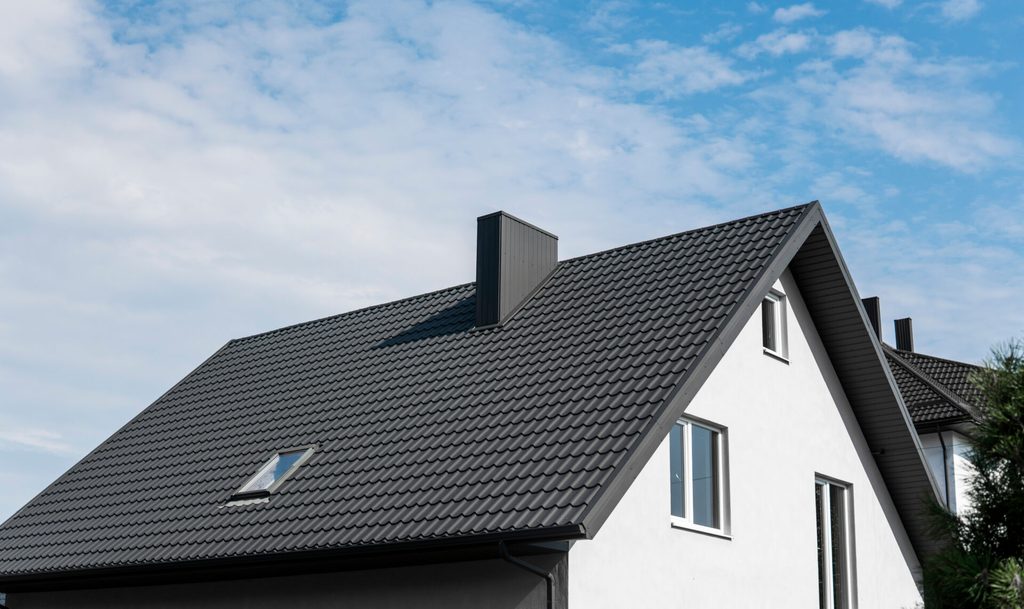
Hidden Costs You Might Not Expect
Many homeowners focus solely on the shingles, but the question “How much will it cost to get a new roof” involves more than just the visible layer. Here are common additional expenses that can surprise you:
Tear-Off and Disposal
Removing the old roof is labor-intensive. Most contractors charge $1.00 to $5.00 per square foot for tear-off and disposal fees. If your home has multiple layers of old roofing, this cost increases. Always ask if your quote includes “haul-away” fees.
Underlayment and Decking Repair
Once the old shingles are gone, contractors inspect the wood decking beneath. If they find rot or water damage, you must pay for plywood replacement. This typically costs $75 to $100 per sheet of plywood, plus labor. It is unpredictable until the job starts, so set aside a 10% contingency fund.
Permits and Inspections
Local municipalities often require permits for roof replacements. These fees vary by city but generally range from $150 to $500. While some contractors include this in their bid, others list it separately. Check your local building department requirements early.
Ventilation and Flashing
Upgrading ridge vents, soffit vents, or replacing flashing around chimneys and skylights is crucial for longevity. Neglecting these can void warranties. Expect to pay an extra $500 to $1,500 for comprehensive ventilation upgrades.
Regional Labor Variations Across the US
Labor accounts for roughly 40–60% of your total roofing cost. Therefore, where you live matters immensely.
- Northeast & Midwest: Higher labor costs due to union prevalence and shorter working seasons. Winter delays can also impact pricing.
- South & Southeast: Competitive markets may lower labor costs, but hurricane-resistant codes (like in Florida) may require more expensive installation methods.
- West Coast: High cost of living areas like California and Washington see premium labor rates, often exceeding $100 per hour for skilled roofers.
For a deeper understanding of regional construction standards, you can refer to general building code information on Wikipedia.
Steps to Get an Accurate Quote
To ensure you are comparing apples to apples, follow these steps when seeking estimates:
- Measure Your Roof: Use online satellite tools or ask a contractor for a precise measurement in “squares.” Do not rely on your home’s square footage; the roof area is usually larger due to pitch.
- Choose Your Material: Decide on asphalt, metal, or tile before getting quotes. This allows contractors to give fixed prices rather than vague ranges.
- Get Three Quotes: Always obtain at least three detailed written estimates. Look for line-item breakdowns, not just a bottom-line number.
- Check Credentials: Verify the contractor is licensed, insured, and has good standing with the Better Business Bureau (BBB).
- Ask About Warranty: Distinguish between the manufacturer’s warranty (covers materials) and the workmanship warranty (covers installation errors). Aim for at least a 5–10 year workmanship guarantee.
FAQ Section
Q: Does homeowners insurance cover a new roof?
A: Typically, insurance only covers roof replacement if the damage is caused by a sudden, covered peril like a storm, hail, or fire. They do not cover wear and tear or age-related deterioration. Check your policy’s “Actual Cash Value” vs. “Replacement Cost” clauses.
Q: How long does a roof replacement take?
A: For an average residential home, the physical installation takes 1 to 3 days. However, scheduling, permit approval, and material delivery can extend the timeline to 2–4 weeks from contract signing.
Q: Can I install a new roof over the old one?
A: While possible (“overlay”), it is generally not recommended. It hides potential deck damage, adds unnecessary weight, and often voids manufacturer warranties. Most professional contractors insist on a full tear-off.
Q: What is the best time of year to replace a roof?
A: Late spring through early fall is ideal due to dry weather. However, scheduling during the “off-season” (late fall or winter, depending on your region) might yield slight discounts as contractors have fewer jobs.
Q: How do I know if I need a repair or a full replacement?
A: If your roof is under 15 years old and damage is localized (less than 30% of the surface), repair is cost-effective. If your roof is nearing its lifespan limit, has widespread leaks, or shows curling/granule loss, a full replacement is the smarter financial move.
Conclusion
So, how much will it cost to get a new roof? For most US homeowners, expect to invest between $8,500 and $14,000 for a quality asphalt shingle roof. While this is a significant expense, viewing it as a long-term asset protection strategy helps justify the cost. By choosing the right materials, accounting for hidden fees, and hiring reputable professionals, you ensure your home stays safe and dry for decades.
Don’t let the sticker shock paralyze you. Start by getting three detailed quotes today. If you found this guide helpful, please share it with friends or neighbors who might be facing similar home improvement decisions. A well-informed homeowner is a protected homeowner!
Leave a Reply