Are you staring at your aging asphalt shingle roof, dreading the messy, expensive process of tearing it off? You are not alone. Many homeowners in the US face this dilemma every year, looking for a solution that saves time, money, and hassle. The burning question on everyone’s mind is: Can you put a metal roof on top of shingles?
The short answer is yes, in most cases, you absolutely can. However, it is not a simple “slap it on and forget it” situation. There are structural, legal, and technical factors you must consider before hiring a contractor or starting a DIY project. In this guide, we will break down everything you need to know about installing metal roofing over existing shingles, ensuring you make an informed decision that protects your biggest investment—your home.
Is It Structurally Safe to Add Metal Over Shingles?
Before you buy materials, you must address the weight load. One of the biggest myths about metal roofing is that it is heavy. In reality, modern standing seam metal roofs or metal shingles are significantly lighter than traditional asphalt shingles, clay tiles, or slate.
Weight Comparison
- Asphalt Shingles: Approx. 2–3.5 lbs per square foot.
- Metal Roofing: Approx. 1–1.5 lbs per square foot.
When you install metal over shingles, you are adding the weight of the metal panels plus the fastening system (battens or strapping). While this is generally less than the weight of a new layer of heavy architectural shingles, your roof deck must still be sound.
Critical Check: If your current roof has multiple layers of shingles (some older homes have 2 or 3 layers), the combined weight might exceed the design load of your roof trusses. Always consult a structural engineer or a licensed roofing contractor to inspect your attic and framing if you suspect your roof is old or has been re-roofed before.
What Do Local Building Codes Say?
Just because it can be done physically doesn’t mean it is legal in your area. Building codes vary significantly by state, county, and even municipality in the US.
Most jurisdictions follow the International Residential Code (IRC), which typically allows for two layers of roofing material. However, some strict areas prohibit any overlay to ensure inspectors can verify the condition of the roof deck.
Pro Tip: Never assume. Call your local building department or check their website. Ignoring code requirements can lead to fines, forced removal of the new roof, and issues when selling your home.
For a deeper understanding of building standards and safety regulations, you can refer to general construction guidelines on Wikipedia.
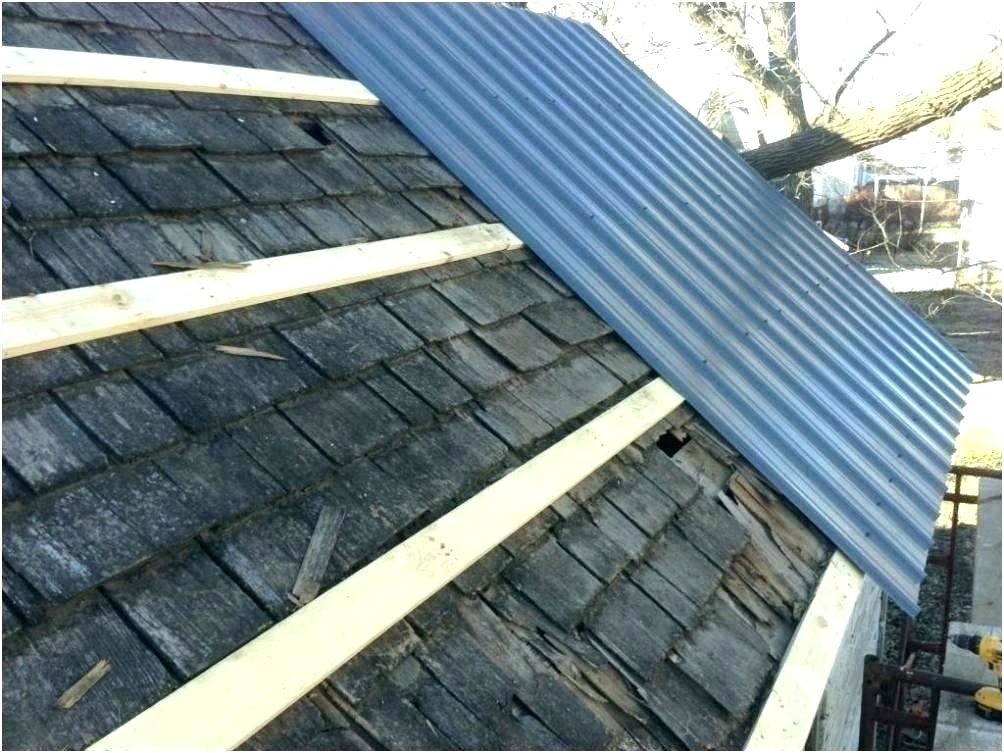
Pros and Cons of Installing Metal Over Shingles
To help you decide, let’s look at the clear advantages and disadvantages of this method.
The Advantages
- Cost Savings: You save on labor and disposal fees. Tearing off old shingles is labor-intensive and requires paying for dumpster rentals and landfill fees. By skipping this step, you can reduce the total project cost by 15–25%.
- Less Mess and Noise: Tear-offs create massive amounts of dust, debris, and noise. Installing over shingles keeps your yard clean and reduces disturbance to your neighbors.
- Added Insulation: The existing shingle layer acts as an additional thermal barrier, potentially improving your home’s energy efficiency slightly.
- Protection During Installation: Your home remains protected from rain during the installation process since the old roof stays intact until the new one is fully secured.
The Disadvantages
- Hidden Damage: You cannot inspect the wood decking for rot, mold, or water damage. If there is underlying decay, covering it up will only worsen the problem over time.
- Voided Warranties: Some metal roofing manufacturers may void their warranty if installed over existing shingles. Always read the fine print.
- Aesthetic Issues: If the old shingles are curled or uneven, the new metal roof may not lie perfectly flat, leading to visible waviness or “telegraphing.”
- Ventilation Challenges: Proper airflow is crucial for metal roofs to prevent condensation. Adding a layer over shingles can complicate ventilation if not done correctly.
Step-by-Step Installation Overview
If you decide to proceed, here is how professionals typically approach the installation. Note that this is a complex job; improper installation can lead to leaks and wind damage.
Step 1: Inspection and Preparation
Walk the roof and secure any loose shingles. Replace any visibly damaged flashing around chimneys and vents. Ensure the roof surface is as flat as possible.
Step 2: Install Furring Strips (Battens)
Do not screw metal panels directly into the shingles. You must create a flat, ventilated surface.
- Use 1×4 or 2×4 wooden furring strips (battens).
- Attach them vertically through the shingles and into the roof rafters/trusses using long screws.
- Space them according to the metal panel manufacturer’s specifications (usually 24 inches on center).
Step 3: Add Drip Edge and Flashing
Install new drip edges along the eaves and rakes. This ensures water flows away from the fascia board. Update all pipe boots and valley flashings.
Step 4: Install the Metal Panels
Start from the bottom corner and work your way up and across.
- Use screws with rubber washers designed for metal roofing.
- Follow the specific overlap instructions for your panel type (standing seam vs. corrugated).
- Ensure screws are driven straight—not too tight (which crushes the washer) and not too loose.
Step 5: Ridge Cap and Final Inspection
Install the ridge cap to seal the peak of the roof. Conduct a final inspection to ensure all fasteners are secure and no gaps exist.
Cost Comparison: Tear-Off vs. Overlay
Understanding the financial impact is key. Here is a simplified breakdown for an average 2,000 sq. ft. home.
| Item | Tear-Off & Replace | Metal Over Shingles |
|---|---|---|
| Labor (Removal) | $1,000 – $2,000 | $0 |
| Disposal Fees | $300 – $600 | $0 |
| Deck Repair | Variable (High Risk) | $0 (Hidden Risk) |
| Material Cost | Same | Same + Battens |
| Installation Labor | Standard | Slightly Faster |
| Total Estimated Savings | N/A | $1,500 – $3,000 |
Note: Prices vary by region and material quality.
Frequently Asked Questions (FAQ)
1. Will putting metal over shingles void my homeowner’s insurance?
Generally, no. Most insurance companies care more about the age and condition of the roof rather than the installation method. However, you should notify your insurer after the upgrade, as metal roofs often qualify for discounts due to their durability and fire resistance.
2. Can I install metal roofing over two layers of shingles?
It is risky. Most building codes allow only two layers total. If you already have two layers of shingles, you likely cannot add a third layer (the metal). You would need to tear off at least one layer. Always check local codes.
3. Does metal roofing cause interference with Wi-Fi or cell signals?
This is a common concern. While metal can block signals, most modern homes have routers inside the house, and cell towers are powerful enough to penetrate roofs. If you have a weak signal, a simple Wi-Fi extender or a cellular repeater can solve the issue. It is rarely a dealbreaker.
4. How long does a metal roof last compared to shingles?
Asphalt shingles typically last 15–25 years. A properly installed metal roof can last 40–70 years. Even if installed over shingles, the metal itself will outlast the shingles beneath it, providing decades of protection.
5. What type of metal roofing is best for overlaying?
Standing seam metal roofs are often preferred for overlays because they are lightweight and have concealed fasteners, reducing the risk of leaks. Corrugated metal is also popular but requires careful sealing of exposed fasteners.
Conclusion
So, can you put a metal roof on top of shingles? Yes, you can, and for many homeowners, it is a smart, cost-effective choice. It saves money on disposal, reduces installation time, and adds a durable, long-lasting layer of protection to your home.
However, it is not without risks. You must ensure your roof structure is sound, your local codes permit it, and you hire a qualified installer who understands the nuances of overlay installations. If your current shingles are severely damaged or curled, a tear-off might be the safer route despite the higher cost.
Take the time to get multiple quotes, ask about warranties, and inspect your attic for any signs of existing leaks. Your roof is your home’s first line of defense against the elements—make sure it’s built to last.
Found this guide helpful? Share it with your friends on Facebook or Pinterest who are considering a roof upgrade! Don’t forget to leave a comment below if you have more questions about metal roofing.
Leave a Reply