Timing is everything in life, and home improvement is no exception. Whether you are dealing with persistent leaks or simply noticing that your shingles are curling at the edges, knowing when is the best time to get a roof replaced can save you thousands of dollars and significant stress. Many homeowners wait until a storm causes catastrophic damage, but proactive planning during the right season ensures a smoother installation and better long-term performance for your home.
In this comprehensive guide, we will break down the seasonal pros and cons, helping you make an informed decision that balances budget, weather conditions, and contractor availability.
Why Timing Matters for Roof Replacement
Replacing a roof is one of the most significant investments a homeowner can make. It is not just about slapping new shingles on old wood; it involves tearing off old materials, inspecting the decking, and ensuring proper ventilation and insulation.
The timing of this project affects three critical factors:
- Cost: Demand fluctuates throughout the year, influencing labor and material prices.
- Quality: Weather conditions directly impact how well roofing materials adhere and seal.
- Speed: Contractor availability determines how quickly your project can start and finish.
Ignoring these factors can lead to rushed jobs, higher bills, or even installation errors due to poor weather conditions. Let’s dive into the specifics of each season to find your perfect window.
Is Spring the Best Season for Roofing?
Spring is often considered the “goldilocks” season for many home projects, but does it hold up for roofing? As temperatures rise and snow melts, homeowners eager to fix winter damage flock to roofing companies.
The Pros of Spring Roofing
- Moderate Temperatures: Asphalt shingles require specific temperatures to seal properly. Spring usually offers the mild warmth needed for adhesives to activate without the extreme heat of summer.
- Damage Assessment: It is the ideal time to assess winter damage. If you had ice dams or heavy snow loads, spring allows you to address structural issues before the next winter.
- Preparation for Summer: Getting the roof done in spring ensures your home is ready for summer storms and heat.
The Cons of Spring Roofing
- High Demand: Because everyone wants to fix their roof after winter, contractors are booked solid. You may face longer wait times.
- Rainy Weather: Spring is notoriously rainy in many parts of the US. Rain can delay installation and pose risks if the roof deck is exposed before shingles are laid.
Verdict: Spring is a strong contender, but you must book months in advance. If you live in a region with a wet spring (like the Pacific Northwest), consider waiting until late spring or early summer.
Why Late Summer and Early Fall Are Often Ideal
If you ask most professional roofers when they prefer to work, many will point to late summer and early fall. This period typically offers the most stable weather patterns and a slight dip in the frantic demand of spring.
The Advantages of Fall Roofing
- Stable Weather: By late summer, the unpredictable storms of spring have passed, but the harsh cold of winter has not yet arrived. This stability allows for consistent workdays.
- Material Performance: Asphalt shingles need warmth to seal. The residual heat from summer ensures that shingles bond correctly, creating a watertight seal.
- Contractor Availability: While still busy, many roofing companies have cleared their spring backlog. You might find more flexibility in scheduling.
Things to Watch Out For
- Shortening Days: As you move deeper into fall, daylight hours decrease. This can extend the duration of the project if the crew cannot work as many hours per day.
- Unexpected Cold Snaps: In northern states, an early frost can make shingles brittle and difficult to handle. Always check the local forecast for sudden temperature drops.
Expert Insight: According to industry standards, asphalt shingles should be installed when temperatures are above 40°F (4°C) to ensure proper sealing. Fall generally maintains this threshold longer than early spring in many regions.
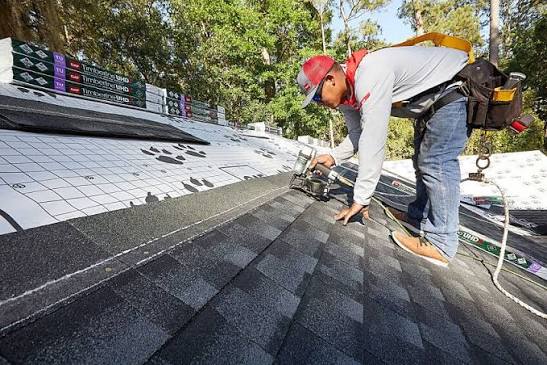
Can You Replace a Roof in Winter?
Many homeowners assume roofing is impossible in winter, but this is a myth. While it is not the ideal time, it is certainly possible and sometimes advantageous.
The Benefits of Winter Roofing
- Lower Costs: This is the off-season for most roofing companies. To keep their crews working, many contractors offer discounts or promotions during winter months.
- Immediate Attention: With fewer jobs in the queue, you can often get started immediately rather than waiting weeks for an appointment.
- Identifying Leaks: Winter is when leaks are most apparent. Fixing them immediately prevents interior water damage and mold growth.
The Challenges of Winter Roofing
- Brittle Materials: Shingles become fragile in cold temperatures. They can crack if handled roughly, leading to waste and potential future leaks.
- Safety Hazards: Ice and snow create dangerous working conditions for roofers. This may slow down the process or require additional safety measures.
- Sealing Issues: If temperatures drop below freezing, the adhesive strips on shingles may not activate. Roofers may need to use hand-sealing techniques (applying roofing cement manually), which is more labor-intensive.
Recommendation: If you must replace your roof in winter, hire a contractor experienced in cold-weather installations. They will know how to store materials properly and use techniques to ensure a secure fit despite the cold. For more details on roofing materials and their properties, you can refer to Wikipedia’s article on roofing.
Summer Roofing: Beat the Heat or Burn Out?
Summer is the peak season for construction, but is it good for your roof?
Pros
- Longest Days: More daylight means crews can work longer hours, potentially finishing the job faster.
- Dry Conditions: In many regions, summer is the driest season, reducing the risk of rain delays.
Cons
- Extreme Heat: Working on a roof in 90°F+ weather is physically demanding. Crews may take more breaks, slowing progress.
- Material Softening: Excessive heat can make shingles too soft, causing them to deform under foot traffic during installation.
- Higher Prices: Due to high demand, prices may be at their peak.
Comparison Table: Seasonal Roofing Breakdown
To help you visualize the differences, here is a quick comparison:
| Season | Cost | Weather Stability | Contractor Availability | Material Performance |
|---|---|---|---|---|
| Spring | Medium-High | Variable (Rain) | Low (Booked) | Good |
| Summer | High | High (Dry/Hot) | Low (Booked) | Risk of Softening |
| Fall | Medium | High (Stable) | Medium | Excellent |
| Winter | Low | Low (Snow/Ice) | High (Available) | Poor (Brittle) |
Signs You Need a Roof Replacement Now
Regardless of the season, some signs indicate you cannot wait. If you notice any of the following, prioritize repair over timing:
- Active Leaks: Water stains on ceilings or walls indicate immediate failure.
- Missing Shingles: Large areas of missing granules or shingles expose the underlayment.
- Sagging Roof Deck: This suggests structural damage and requires immediate professional assessment.
- Age: Most asphalt shingle roofs last 20–25 years. If yours is nearing this age, plan for replacement soon.
How to Prepare for Your Roof Replacement
Once you have decided on the timing, preparation is key to a smooth process.
- Clear the Perimeter: Move cars, patio furniture, and grills away from the house. Falling debris can damage these items.
- Protect Attic Items: Dust and vibrations will shake loose debris into your attic. Cover stored items with tarps.
- Trim Tree Branches: Ensure no branches are hanging over the roof to give contractors clear access.
- Communicate with Neighbors: Let nearby neighbors know about the noise and potential debris. A little courtesy goes a long way.
FAQ Section
Q: What is the cheapest month to replace a roof?
A: Generally, winter months (December to February) are the cheapest. Contractors are less busy and may offer discounts to keep their teams employed. However, ensure the weather permits safe installation in your area.
Q: How long does a roof replacement take?
A: For an average-sized single-family home, a roof replacement typically takes 1 to 3 days. Larger homes or complex roof designs (multiple peaks, valleys) may take up to a week. Weather delays can extend this timeline.
Q: Can I stay in my house during roof replacement?
A: Yes, you can stay in your house, but expect significant noise and vibration. If you have young children, pets, or work from home, you might consider staying elsewhere for the day or two of active tear-off and installation.
Q: Does insurance cover roof replacement?
A: Insurance typically covers roof replacement if the damage is caused by a covered peril, such as a storm, hail, or fallen tree. It usually does not cover wear and tear or age-related deterioration. Check your policy and document all damage with photos before filing a claim.
Q: Should I replace the gutters at the same time?
A: It is highly recommended. Since the roofers are already working at height, adding gutter replacement saves on labor costs. New gutters also ensure that water is directed away from your new roof and foundation effectively.
Conclusion
So, when is the best time to get a roof replaced? For most homeowners in the US, late summer to early fall offers the best balance of favorable weather, reasonable pricing, and contractor availability. However, if budget is your primary concern, winter may provide significant savings, provided you hire a skilled team experienced in cold-weather installations.
Don’t wait for a leak to force your hand. Assess your roof’s condition now, get multiple quotes, and schedule your replacement during a window that suits your lifestyle and budget. A new roof is a shield for your biggest asset—protect it wisely.
Found this guide helpful? Share it with your friends on social media who might be debating their own home repairs!
Leave a Reply