Tag: Roof Replacement Timing

  • When Is The Best Time To Get A New Roof?

    When Is The Best Time To Get A New Roof?

    Timing a major home improvement project can feel like trying to predict the weather—literally. You want to avoid the stress of emergency repairs during a storm, but you also don’t want to overpay during peak demand seasons. If you are staring at your shingles and wondering when is the best time to get a new roof, you are not alone. This decision impacts your wallet, your comfort, and the longevity of your home’s protection.

    The short answer? Late summer to early fall is generally considered the “sweet spot” for most homeowners in the United States. However, the right timing depends on your specific climate, budget, and urgency. In this guide, we will break down the pros and cons of each season, helping you make an informed decision that balances cost, quality, and convenience.

    Why Fall Is Often the Ideal Season for Roof Replacement

    For many roofing contractors and homeowners alike, autumn (specifically September through November) offers the perfect balance of favorable weather and manageable scheduling.

    Perfect Weather Conditions

    Roofing materials, particularly asphalt shingles, require specific temperatures to seal properly. Most manufacturers recommend installation when temperatures are between 45°F and 85°F (7°C–29°C).

    • Adhesive Activation: Shingles have thermal strips that need heat to activate and bond together. Summer heat is great for this, but fall temperatures are usually mild enough to keep workers comfortable while still warm enough for proper sealing.
    • Less Rain Risk: Compared to spring, fall often brings more stable, drier weather patterns in many parts of the US. A dry roof deck is crucial before installing underlayment and shingles to prevent mold and rot.

    Contractor Availability and Pricing

    By late summer, the frantic rush of spring and early summer repairs begins to slow down. Contractors are eager to fill their schedules before winter hits. This shift in supply and demand can work in your favor:

    1. Better Scheduling: You are less likely to face weeks-long delays.
    2. Potential Discounts: Some companies offer “off-peak” discounts or promotions to keep their crews busy.
    3. More Attention to Detail: With fewer emergency calls, crews may have more time to focus on precision and cleanup.

    Pro Tip: Even in fall, book your inspection at least 3–4 weeks in advance. Popular local contractors fill up quickly, even during slower seasons.

    Comparing Seasons: When Should You Avoid Roofing?

    To understand why fall is optimal, it helps to look at the drawbacks of other seasons. Here is a breakdown of what to expect throughout the year.

    SeasonProsConsVerdict
    SpringMild temperatures; fresh start for home projects.High demand; frequent rain storms; allergy season for workers.Good, but busy. Book early.
    SummerLong daylight hours; fast drying times.Extreme heat can be dangerous for workers; high demand leads to higher prices.Okay, but costly. Watch for heatwaves.
    FallStable weather; moderate temps; better availability.Days get shorter; unpredictable early snow in northern states.Best Overall. Ideal balance.
    WinterLowest demand; potential for deep discounts.Cold prevents shingle sealing; ice/snow hazards; shorter workdays.Risky. Only for emergencies.

    The Winter Challenge

    While you can replace a roof in winter, it comes with significant caveats. Asphalt shingles become brittle in cold weather, increasing the risk of cracking during installation. Furthermore, if the temperature drops below 40°F (4°C), the self-sealing strips on shingles may not activate.

    In such cases, roofers must use manual sealing methods, such as applying roofing cement by hand to each tab. This is labor-intensive and increases the chance of human error. According to industry standards, winter roofing should generally be reserved for emergency leaks rather than planned replacements. For more details on material properties, you can refer to general construction guidelines on Wikipedia.
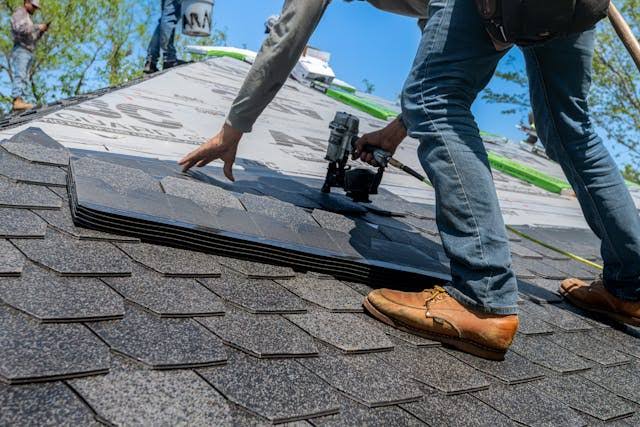
    When Is The Best Time To Get A New Roof

    How Your Location Impacts the Best Timing

    The “best time” is not one-size-fits-all. Your geographic location plays a massive role in determining your window of opportunity.

    Northern States (e.g., Minnesota, New York)

    In colder climates, the window for roofing is narrower. You want to complete the project before the first heavy snowfall, which can arrive as early as October.

    • Target Window: Late August to mid-October.
    • Risk: Waiting too long into November can result in work stoppages due to ice or frozen ground, which makes debris removal difficult.

    Southern States (e.g., Texas, Florida)

    Heat and hurricane seasons are the primary concerns here. Summer temperatures can exceed 100°F, making it unsafe for workers and causing shingles to soften excessively, leading to footprints or damage during installation.

    • Target Window: Late October to December.
    • Risk: Hurricane season runs from June to November. Ideally, you want your new roof installed before the peak storm months, but the heat makes early fall difficult. Late fall offers cooler temps after the storm risk decreases.

    Midwest and Pacific Northwest

    These regions deal with significant rainfall. Spring is often too wet, and winter is too cold.

    • Target Window: September to early November.
    • Strategy: Monitor long-range forecasts closely. A two-week dry spell is all you need for a standard residential roof.

    Step-by-Step Guide to Planning Your Roof Replacement

    Once you have identified the season, follow these steps to ensure a smooth process.

    1. Get Multiple Quotes (2–3 Months Before Desired Start Date) Do not just call one roofer. Obtain at least three detailed estimates. Ensure they include:
      • Removal of old materials (tear-off).
      • Type and brand of shingles.
      • Warranty details (both manufacturer and workmanship).
      • Cleanup and disposal fees.
    2. Check Credentials and Insurance Verify that the contractor is licensed in your state and carries both liability insurance and workers’ compensation. This protects you from being liable if a worker is injured on your property.
    3. Secure Financing or Budget Roofing is expensive. The average cost in the US ranges from $5,000 to $15,000, depending on size and materials. If you plan to use insurance, file your claim early. If paying out-of-pocket, consider if your chosen season offers any financing promotions.
    4. Prepare Your Home
      • Clear the driveway for dumpster placement.
      • Trim tree branches hanging over the roof.
      • Move vehicles and outdoor furniture away from the house.
      • Protect attic items from dust and vibration.
    5. Schedule the Inspection Have a professional inspect the underlying decking. If rot is found, it must be repaired before new shingles are laid. This is often an additional cost, so ask about it upfront.

    Frequently Asked Questions (FAQ)

    1. Can I replace my roof in the rain?

    No. Reputable roofers will not install shingles on a wet roof deck. Moisture trapped beneath the shingles can lead to mold, rot, and premature failure of the roofing system. If it rains during the project, work will pause until the deck is completely dry.

    2. Does replacing a roof in winter void the warranty?

    Not necessarily, but it depends on the manufacturer. Many warranties require installation within specific temperature ranges. If installed in cold weather, the roofer must use special techniques (like hand-sealing) to validate the warranty. Always confirm this with your contractor before signing.

    3. How long does a roof replacement take?

    For an average-sized single-family home, a full tear-off and replacement typically takes 1 to 3 days. Larger homes or complex rooflines with multiple valleys and chimneys may take up to a week. Weather delays can extend this timeline.

    4. Is it cheaper to replace a roof in the winter?

    It can be. Due to low demand, some contractors may lower their labor rates or offer promotions. However, if special cold-weather procedures are required, labor costs might increase. The material costs remain largely the same year-round. The savings are usually modest compared to the risks of poor weather.

    5. What signs indicate I need a new roof immediately, regardless of the season?

    If you notice active leaks, sagging roof decks, or widespread missing shingles, do not wait for the “perfect” season. These are structural issues that can lead to interior damage, mold growth, and electrical hazards. Contact a professional for emergency repairs or replacement immediately.

    Conclusion

    So, when is the best time to get a new roof? For most US homeowners, early fall provides the ideal combination of mild weather, contractor availability, and potential cost savings. It allows for proper shingle sealing without the extreme heat of summer or the freezing risks of winter.

    However, the “best” time is ultimately when your roof needs it. If your roof is failing, waiting for the perfect season could cause more damage to your home’s interior. Regular inspections are key to planning ahead, giving you the luxury of choosing your timing rather than being forced into an emergency situation.

    Did you find this guide helpful? Share it with friends or neighbors who might be debating their next home improvement project. Planning ahead is the best way to protect your investment and your peace of mind!
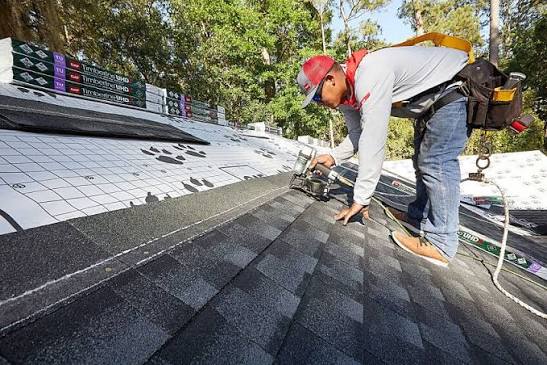
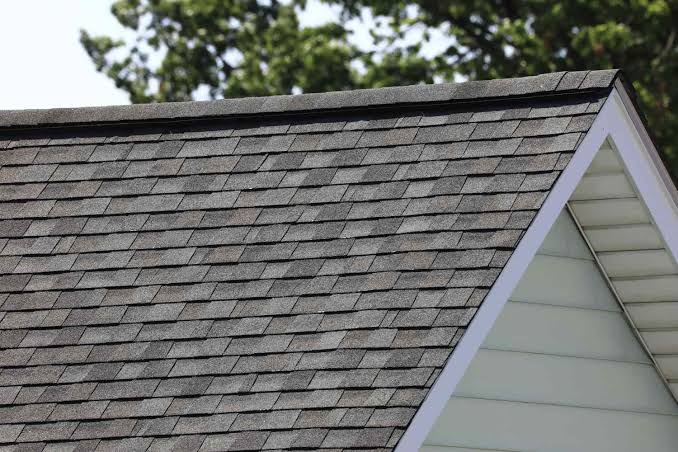
  • Best Time to Replace Your Roof: A Pro’s Guide

    Best Time to Replace Your Roof: A Pro’s Guide

    Timing is everything in life, and home improvement is no exception. Whether you are dealing with persistent leaks or simply noticing that your shingles are curling at the edges, knowing when is the best time to get a roof replaced can save you thousands of dollars and significant stress. Many homeowners wait until a storm causes catastrophic damage, but proactive planning during the right season ensures a smoother installation and better long-term performance for your home.

    In this comprehensive guide, we will break down the seasonal pros and cons, helping you make an informed decision that balances budget, weather conditions, and contractor availability.

    Why Timing Matters for Roof Replacement

    Replacing a roof is one of the most significant investments a homeowner can make. It is not just about slapping new shingles on old wood; it involves tearing off old materials, inspecting the decking, and ensuring proper ventilation and insulation.

    The timing of this project affects three critical factors:

    1. Cost: Demand fluctuates throughout the year, influencing labor and material prices.
    2. Quality: Weather conditions directly impact how well roofing materials adhere and seal.
    3. Speed: Contractor availability determines how quickly your project can start and finish.

    Ignoring these factors can lead to rushed jobs, higher bills, or even installation errors due to poor weather conditions. Let’s dive into the specifics of each season to find your perfect window.

    Is Spring the Best Season for Roofing?

    Spring is often considered the “goldilocks” season for many home projects, but does it hold up for roofing? As temperatures rise and snow melts, homeowners eager to fix winter damage flock to roofing companies.

    The Pros of Spring Roofing

    • Moderate Temperatures: Asphalt shingles require specific temperatures to seal properly. Spring usually offers the mild warmth needed for adhesives to activate without the extreme heat of summer.
    • Damage Assessment: It is the ideal time to assess winter damage. If you had ice dams or heavy snow loads, spring allows you to address structural issues before the next winter.
    • Preparation for Summer: Getting the roof done in spring ensures your home is ready for summer storms and heat.

    The Cons of Spring Roofing

    • High Demand: Because everyone wants to fix their roof after winter, contractors are booked solid. You may face longer wait times.
    • Rainy Weather: Spring is notoriously rainy in many parts of the US. Rain can delay installation and pose risks if the roof deck is exposed before shingles are laid.

    Verdict: Spring is a strong contender, but you must book months in advance. If you live in a region with a wet spring (like the Pacific Northwest), consider waiting until late spring or early summer.

    Why Late Summer and Early Fall Are Often Ideal

    If you ask most professional roofers when they prefer to work, many will point to late summer and early fall. This period typically offers the most stable weather patterns and a slight dip in the frantic demand of spring.

    The Advantages of Fall Roofing

    • Stable Weather: By late summer, the unpredictable storms of spring have passed, but the harsh cold of winter has not yet arrived. This stability allows for consistent workdays.
    • Material Performance: Asphalt shingles need warmth to seal. The residual heat from summer ensures that shingles bond correctly, creating a watertight seal.
    • Contractor Availability: While still busy, many roofing companies have cleared their spring backlog. You might find more flexibility in scheduling.

    Things to Watch Out For

    • Shortening Days: As you move deeper into fall, daylight hours decrease. This can extend the duration of the project if the crew cannot work as many hours per day.
    • Unexpected Cold Snaps: In northern states, an early frost can make shingles brittle and difficult to handle. Always check the local forecast for sudden temperature drops.

    Expert Insight: According to industry standards, asphalt shingles should be installed when temperatures are above 40°F (4°C) to ensure proper sealing. Fall generally maintains this threshold longer than early spring in many regions.

    When Is The Best Time To Get A Roof Replaced

    Can You Replace a Roof in Winter?

    Many homeowners assume roofing is impossible in winter, but this is a myth. While it is not the ideal time, it is certainly possible and sometimes advantageous.

    The Benefits of Winter Roofing

    • Lower Costs: This is the off-season for most roofing companies. To keep their crews working, many contractors offer discounts or promotions during winter months.
    • Immediate Attention: With fewer jobs in the queue, you can often get started immediately rather than waiting weeks for an appointment.
    • Identifying Leaks: Winter is when leaks are most apparent. Fixing them immediately prevents interior water damage and mold growth.

    The Challenges of Winter Roofing

    • Brittle Materials: Shingles become fragile in cold temperatures. They can crack if handled roughly, leading to waste and potential future leaks.
    • Safety Hazards: Ice and snow create dangerous working conditions for roofers. This may slow down the process or require additional safety measures.
    • Sealing Issues: If temperatures drop below freezing, the adhesive strips on shingles may not activate. Roofers may need to use hand-sealing techniques (applying roofing cement manually), which is more labor-intensive.

    Recommendation: If you must replace your roof in winter, hire a contractor experienced in cold-weather installations. They will know how to store materials properly and use techniques to ensure a secure fit despite the cold. For more details on roofing materials and their properties, you can refer to Wikipedia’s article on roofing.

    Summer Roofing: Beat the Heat or Burn Out?

    Summer is the peak season for construction, but is it good for your roof?

    Pros

    • Longest Days: More daylight means crews can work longer hours, potentially finishing the job faster.
    • Dry Conditions: In many regions, summer is the driest season, reducing the risk of rain delays.

    Cons

    • Extreme Heat: Working on a roof in 90°F+ weather is physically demanding. Crews may take more breaks, slowing progress.
    • Material Softening: Excessive heat can make shingles too soft, causing them to deform under foot traffic during installation.
    • Higher Prices: Due to high demand, prices may be at their peak.

    Comparison Table: Seasonal Roofing Breakdown

    To help you visualize the differences, here is a quick comparison:

    SeasonCostWeather StabilityContractor AvailabilityMaterial Performance
    SpringMedium-HighVariable (Rain)Low (Booked)Good
    SummerHighHigh (Dry/Hot)Low (Booked)Risk of Softening
    FallMediumHigh (Stable)MediumExcellent
    WinterLowLow (Snow/Ice)High (Available)Poor (Brittle)

    Signs You Need a Roof Replacement Now

    Regardless of the season, some signs indicate you cannot wait. If you notice any of the following, prioritize repair over timing:

    1. Active Leaks: Water stains on ceilings or walls indicate immediate failure.
    2. Missing Shingles: Large areas of missing granules or shingles expose the underlayment.
    3. Sagging Roof Deck: This suggests structural damage and requires immediate professional assessment.
    4. Age: Most asphalt shingle roofs last 20–25 years. If yours is nearing this age, plan for replacement soon.

    How to Prepare for Your Roof Replacement

    Once you have decided on the timing, preparation is key to a smooth process.

    1. Clear the Perimeter: Move cars, patio furniture, and grills away from the house. Falling debris can damage these items.
    2. Protect Attic Items: Dust and vibrations will shake loose debris into your attic. Cover stored items with tarps.
    3. Trim Tree Branches: Ensure no branches are hanging over the roof to give contractors clear access.
    4. Communicate with Neighbors: Let nearby neighbors know about the noise and potential debris. A little courtesy goes a long way.

    FAQ Section

    Q: What is the cheapest month to replace a roof?

    A: Generally, winter months (December to February) are the cheapest. Contractors are less busy and may offer discounts to keep their teams employed. However, ensure the weather permits safe installation in your area.

    Q: How long does a roof replacement take?

    A: For an average-sized single-family home, a roof replacement typically takes 1 to 3 days. Larger homes or complex roof designs (multiple peaks, valleys) may take up to a week. Weather delays can extend this timeline.

    Q: Can I stay in my house during roof replacement?

    A: Yes, you can stay in your house, but expect significant noise and vibration. If you have young children, pets, or work from home, you might consider staying elsewhere for the day or two of active tear-off and installation.

    Q: Does insurance cover roof replacement?

    A: Insurance typically covers roof replacement if the damage is caused by a covered peril, such as a storm, hail, or fallen tree. It usually does not cover wear and tear or age-related deterioration. Check your policy and document all damage with photos before filing a claim.

    Q: Should I replace the gutters at the same time?

    A: It is highly recommended. Since the roofers are already working at height, adding gutter replacement saves on labor costs. New gutters also ensure that water is directed away from your new roof and foundation effectively.

    Conclusion

    So, when is the best time to get a roof replaced? For most homeowners in the US, late summer to early fall offers the best balance of favorable weather, reasonable pricing, and contractor availability. However, if budget is your primary concern, winter may provide significant savings, provided you hire a skilled team experienced in cold-weather installations.

    Don’t wait for a leak to force your hand. Assess your roof’s condition now, get multiple quotes, and schedule your replacement during a window that suits your lifestyle and budget. A new roof is a shield for your biggest asset—protect it wisely.

    Found this guide helpful? Share it with your friends on social media who might be debating their own home repairs!

  • Best Time to Replace Your Roof?

    Best Time to Replace Your Roof?

    There is nothing quite as stressful as discovering a leak in your ceiling during a heavy storm. It forces you to confront an expensive reality: your home’s first line of defense is failing. If you are reading this, you are likely trying to plan ahead to avoid emergency repairs and budget effectively. Knowing when is the best time to get your roof replaced can save you thousands of dollars and significant hassle.

    Many homeowners assume that roofing is a “fix-it-when-it-breaks” scenario. However, strategic timing can lead to better craftsmanship, lower material costs, and less disruption to your daily life. In this guide, we will break down the seasonal pros and cons, helping you make an informed decision that protects both your wallet and your home.

    Why Seasonality Matters in Roofing Projects

    Roofing is inherently an outdoor job. Unlike remodeling a kitchen or bathroom, contractors are at the mercy of the elements. Temperature, humidity, and precipitation directly impact the materials used—especially asphalt shingles, which account for the majority of residential roofs in the US.

    According to industry experts, the chemical bonding process of asphalt shingles requires specific thermal conditions to seal properly. If it is too cold, the shingles remain brittle and may crack under foot traffic. If it is too hot, they become overly pliable and difficult to align correctly. Therefore, understanding the seasonal window is not just about convenience; it is about the longevity of your investment.

    Is Fall the Ideal Season for Roof Replacement?

    For most regions in the United States, early fall is widely considered the gold standard for roof replacement. Here is why this season hits the sweet spot for both homeowners and contractors.

    Moderate Temperatures

    In September and October, temperatures in most states range between 45°F and 70°F (7°C–21°C). This is the optimal range for asphalt shingle activation. The sun is still warm enough to help seal the adhesive strips on the shingles, but the air is cool enough for workers to maintain stamina and safety.

    Predictable Weather Patterns

    Summer storms have usually passed, and winter snows have not yet arrived. This reduces the risk of work stoppages due to rain or ice. A consistent schedule means your project is more likely to finish on time.

    Contractor Availability

    While fall is popular, it is not as frenzied as the post-storm rush of late summer. You are more likely to secure a reputable contractor who isn’t rushing from one emergency job to another. This often translates to higher attention to detail.

    Pro Tip: Schedule your inspection in late summer so you can book the actual replacement for early fall. This ensures you beat the winter rush.

    Can You Replace a Roof in Winter?

    A common myth is that roofing cannot be done in winter. While it is not ideal, it is certainly possible—and sometimes necessary.

    The Challenges of Cold Weather

    • Brittle Shingles: Asphalt shingles lose flexibility in freezing temperatures. They require careful handling to prevent cracking.
    • Sealing Issues: The self-sealing adhesive on shingles may not activate without sufficient heat. Contractors often need to use hand-sealing methods (applying roofing cement manually), which takes more time.
    • Safety Hazards: Ice and snow create slippery conditions, increasing the risk of accidents for workers.

    When Winter Replacement Makes Sense

    If your roof has suffered severe storm damage in December or January, waiting until spring is not an option. In these cases, professional roofing companies have protocols for cold-weather installations. They may store shingles in a heated trailer before installation to keep them pliable.

    However, expect potential delays. Snow removal adds labor time, and short daylight hours mean fewer working hours per day.

    When Is The Best Time To Get Your Roof Replaced

    What About Spring and Summer?

    Spring and summer are the busiest seasons for roofing, but they come with distinct advantages and disadvantages.

    Spring: The Recovery Season

    Spring is a good alternative if you missed the fall window. The weather is warming up, making materials easier to work with. However, spring is also known for unpredictable rain showers. Frequent rain delays can stretch a two-day project into a week-long ordeal, leaving your home vulnerable to the elements.

    Summer: High Demand, High Heat

    Summer is peak season. Everyone wants their roof done before the next winter.

    FactorProsCons
    WeatherLong daylight hours; no snow/ice risk.Extreme heat can cause heat exhaustion for workers.
    CostN/APrices are often highest due to high demand.
    AvailabilityN/ATop-tier contractors are booked months in advance.
    Material HandlingShingles seal quickly due to heat.Shingles can become too soft and distort if walked on.

    If you choose summer, ensure your contractor schedules work for early morning hours to avoid the midday heat spike.

    How Does Timing Affect the Cost?

    One of the primary reasons homeowners ask when is the best time to get your roof replaced is financial. Supply and demand play a massive role in pricing.

    • Off-Peak Discounts: In late winter (January–February) or very early spring, contractors are often looking to fill their schedules. You may negotiate a discount of 5–15% off labor costs.
    • Material Price Fluctuations: Asphalt prices are tied to oil markets, but local demand affects delivery fees. During peak season, expedited delivery fees may apply.
    • Emergency Premiums: Waiting until a leak becomes catastrophic often means paying premium “emergency service” rates, which can be 20–30% higher than standard scheduled work.

    For more detailed information on how construction costs fluctuate, you can refer to general economic principles on Wikipedia.

    Signs You Should Not Wait for the “Best Time”

    While timing is important, the condition of your roof is paramount. Do not wait for fall if you notice these red flags:

    1. Active Leaks: Water intrusion damages insulation, drywall, and electrical systems. Immediate repair is non-negotiable.
    2. Sagging Roof Deck: This indicates structural failure. It is a safety hazard that requires immediate professional assessment.
    3. Missing Granules in Gutters: If your gutters are filled with sand-like granules, your shingles are losing their UV protection and nearing the end of their life.
    4. Daylight Through Roof Boards: If you can see light from your attic, you have gaps that compromise your home’s energy efficiency and weatherproofing.

    Step-by-Step Guide to Planning Your Replacement

    Once you have identified the season, follow these steps to ensure a smooth process:

    1. Get Three Quotes: Never settle for the first estimate. Ensure each quote includes tear-off, disposal, underlayment, and ventilation checks.
    2. Check Credentials: Verify the contractor’s license, insurance, and bonding. Look for manufacturer certifications (e.g., GAF Master Elite, Owens Corning Platinum).
    3. Review the Contract: Ensure it specifies the start date, completion timeline, payment schedule, and warranty details.
    4. Prepare Your Property: Move cars from the driveway, cover patio furniture, and trim tree branches near the roof.
    5. Final Inspection: Walk through the site with the contractor after completion. Check for leftover nails, clean gutters, and proper flashing installation.

    FAQ Section

    1. How long does a typical roof replacement take?

    For an average-sized single-family home (2,000–2,500 sq. ft.), a full roof replacement typically takes 1–3 days. Larger homes or complex rooflines with multiple valleys and chimneys may take up to a week.

    2. Is it cheaper to replace a roof in the winter?

    It can be. Due to lower demand, some contractors offer off-season discounts. However, if the weather causes delays or requires special cold-weather handling procedures, those savings might be offset by extended labor hours.

    3. Can I stay in my house during roof replacement?

    Yes, most homeowners stay in their homes. However, expect significant noise, vibration, and dust. If you have sensitive pets, small children, or work from home, you might consider staying elsewhere for the 1–3 days of active work.

    4. What happens if it rains during the replacement?

    Professional contractors monitor weather forecasts closely. If rain is predicted, they will tarp the exposed sections of the roof at the end of each day. Minor rain delays are common, but a good crew will prioritize drying out the deck before continuing.

    5. Does the type of roofing material affect the best time to replace?

    Yes. Asphalt shingles are temperature-sensitive. Metal roofs can be installed in colder weather more easily than asphalt. Slate and tile are heavier and require dry conditions for safety, making spring and fall ideal for these materials.

    Conclusion

    Determining when is the best time to get your roof replaced involves balancing weather conditions, contractor availability, and your budget. For most US homeowners, early fall offers the perfect combination of mild weather and reasonable scheduling. However, late spring is a strong second choice, while winter and summer present specific challenges that can be managed with the right contractor.

    Don’t wait for a leak to force your hand. Proactive planning allows you to choose the timing that works best for your life and your wallet.

    Found this guide helpful? Share it with your neighbors on Facebook or Pinterest to help them protect their homes too! A well-timed roof replacement is one of the best investments you can make in your property’s value and safety.