Replacing a roof is one of the most significant investments you can make for your home. It is a process filled with heavy materials, loud noises, and complex logistics that can feel overwhelming for any homeowner. One of the most common questions we hear from clients is: do gutters have to be removed when replacing a roof? The answer isn’t always a simple yes or no, but understanding the nuances can save you money and prevent damage to your property.
In this guide, we will break down exactly what happens to your gutters during a roof replacement, why some contractors insist on removing them, and how you can ensure your drainage system remains intact. Whether you are planning a DIY project or hiring a professional, this information is crucial for protecting your home’s exterior.
Why Roofers Often Recommend Removing Gutters
When you hire a roofing contractor, they may suggest taking down your existing gutters before starting the tear-off process. This recommendation usually stems from a desire to protect both the new roofing materials and the gutter system itself.
Preventing Damage to New Shingles
The primary reason for removal is safety and precision. During a roof tear-off, old shingles, nails, and debris are stripped away rapidly. If gutters remain in place, there is a high risk that heavy debris will fall into them, causing dents or bending the fascia board behind them. More importantly, installers need clear access to the edge of the roof deck to install drip edges and flashing correctly.
According to industry standards, proper flashing installation is critical to preventing water intrusion. If gutters are in the way, roofers might struggle to seal the edges properly, leading to leaks down the road.
Protecting the Gutter System
Gutters, especially older aluminum ones, are fragile. A falling bundle of shingles or a misplaced ladder can easily crush or detach them. By removing them, contractors eliminate the risk of accidental damage. If your gutters are damaged during the job, you would be responsible for the repair costs unless specified otherwise in your contract.
When Can You Keep Your Gutters On?
While removal is common, it is not strictly mandatory in every scenario. There are specific conditions where leaving gutters in place is feasible and sometimes preferred.
Condition of the Existing Gutters
If your gutters are relatively new (less than 5–7 years old), made of durable material like copper or heavy-gauge steel, and are securely fastened, they might survive the process. However, if they are old, sagging, or already leaking, it is often better to replace them simultaneously with the roof.
Type of Roofing Material
For lighter roofing materials, such as certain types of metal roofing or lightweight asphalt shingles, the risk of debris damage is lower. In these cases, careful contractors can work around the gutters without removing them. However, for heavy materials like clay tiles or slate, removal is almost always required due to the weight and fragility of the materials involved.
Use of Protective Measures
Some experienced roofing teams use protective covers or tarps to shield gutters during the tear-off. If your contractor offers this service and guarantees protection, you may be able to keep the gutters attached. Always ask for this guarantee in writing.
The Pros and Cons: Removal vs. Keeping Them
To help you make an informed decision, let’s look at a direct comparison of both approaches.
| Feature | Removing Gutters | Keeping Gutters |
|---|---|---|
| Cost | Higher initial cost (removal + reinstallation) | Lower initial cost |
| Risk of Damage | Near zero (if stored properly) | High (dents, bends, detachment) |
| Installation Quality | Better access for flashing/drip edge | Potential gaps in sealing |
| Time | Adds time to the project | Faster start time |
| Debris Cleanup | Easier to clean roof edge | Debris may clog gutters |
As shown above, while keeping gutters saves money upfront, it carries higher risks. Most professionals agree that the long-term benefit of a properly sealed roof edge outweighs the temporary inconvenience of gutter removal.
Step-by-Step: What Happens If Gutters Are Removed?
If you decide to proceed with removal, here is what the process typically looks like. Understanding these steps helps you verify that your contractor is following best practices.
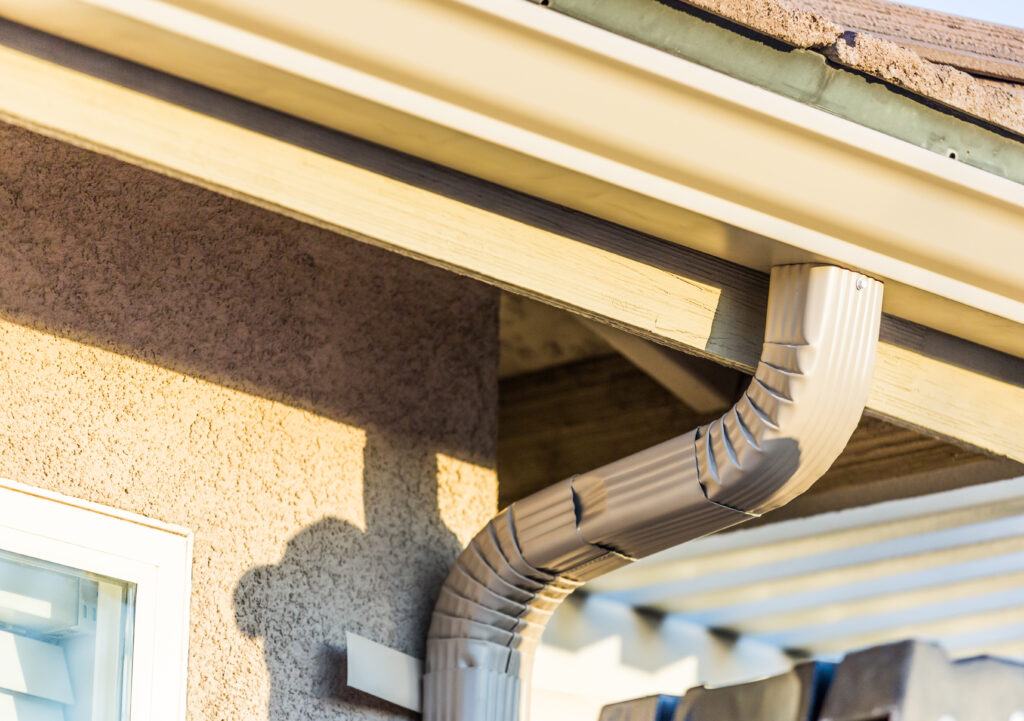
- Detachment: The crew carefully unscrews or unclips the gutters from the fascia board. They take care not to pull on the downspouts too hard, which could damage the underground drainage pipes.
- Labeling and Storage: Each section of the gutter is labeled according to its position on the house (e.g., “North Side,” “Front Left”). They are then stacked horizontally in a safe, flat area to prevent warping.
- Roof Work: The roofers proceed with the tear-off, installation of underlayment, drip edge, and new shingles. With the gutters gone, they have unobstructed access to the eaves.
- Reinstallation: Once the new roof is complete, the gutters are reattached. The crew checks the pitch (slope) to ensure water flows correctly toward the downspouts.
- Sealing and Testing: All joints are re-sealed with high-quality silicone or gutter sealant. Finally, they run water through the system to check for leaks and proper flow.
Expert Insight: The Importance of Drip Edge
One technical aspect often overlooked by homeowners is the drip edge. This is a metal flashing placed along the edges of the roof to direct water away from the fascia and into the gutters.
If gutters are not removed, installing a proper drip edge can be difficult. The existing gutter hangers may interfere with the placement of the metal. According to building codes and best practices referenced by Wikipedia, proper flashing integration is essential for moisture management. Without it, water can wick back under the shingles, rotting the wood decking and causing interior ceiling damage.
Therefore, even if you want to keep your gutters, ensure your roofer can install a continuous drip edge without compromising the gutter’s position. If they cannot, removal is the safer option.
Cost Implications
Homeowners often worry about the extra cost. Typically, removing and reinstalling gutters adds between $200 to $500 to the total roofing bill, depending on the linear footage and complexity. However, consider this: if your gutters are damaged during the roof replacement, the repair or replacement cost could range from $500 to $2,000+.
Paying for professional removal is essentially an insurance policy for your drainage system. It ensures that when the job is done, everything works as it should.
FAQ Section
1. Will my warranty be voided if I don’t remove my gutters?
Not necessarily, but many roofing manufacturers require proper installation methods to honor their warranties. If improper flashing installation due to obstructed gutters leads to a leak, the warranty claim might be denied. Always check with your contractor about manufacturer requirements.
2. Can I replace my gutters at the same time as my roof?
Yes, this is often the best time to do it. Since the gutters are already off, you can upgrade to a newer, more durable system without paying extra labor for removal. Many homeowners choose to install seamless aluminum or copper gutters during a roof replacement.
3. How long does it take to remove and reinstall gutters?
For an average-sized home, removal takes about 1–2 hours, and reinstallation takes another 2–4 hours. This is usually done on the first and last days of the roofing project, so it doesn’t significantly delay the overall timeline.
4. What if my gutters are glued or sealed to the roof?
In some older installations, gutters may be adhered directly to the fascia or roof edge. In these cases, removal is mandatory and must be done carefully to avoid damaging the wood. Your contractor will need to scrape off old adhesive and prepare the surface for reinstallation.
5. Do I need to clean my gutters after the roof is replaced?
Absolutely. Even with protective measures, small granules from new shingles and dust will accumulate in the gutters. Schedule a cleaning within a week of project completion to ensure proper water flow.
Conclusion
So, do gutters have to be removed when replacing a roof? While not legally mandatory, it is highly recommended by professionals to ensure the highest quality installation and protect your investment. Removing gutters allows for proper flashing installation, prevents accidental damage, and ensures a cleaner, more efficient workflow.
By understanding the process and weighing the pros and cons, you can make the best decision for your home. Remember, a roof replacement is a long-term investment. Taking the extra step to protect your gutters now will save you from costly repairs and leaks in the future.
If you found this guide helpful, please share it with friends or family who are planning their own home improvements. Knowledge is power when it comes to protecting your biggest asset—your home!
Leave a Reply