Have you ever looked up at your aging asphalt shingle roof and wondered if there was a faster, less messy way to replace it? Many homeowners face this dilemma, fearing the high cost and disruption of a full tear-off. You are likely asking yourself: Can you put a metal roof over an existing roof? The short answer is yes, but it requires careful planning and adherence to strict building codes to ensure longevity and safety.
In this comprehensive guide, we will walk you through everything you need to know about installing metal roofing over shingles. We will cover the structural requirements, cost benefits, potential pitfalls, and step-by-step considerations to help you make an informed decision for your home.
Is It Structurally Safe to Install Metal Over Shingles?
Before diving into the aesthetics or cost savings, we must address the most critical factor: structural integrity. Your home’s framing was designed to hold a specific weight load. Adding a new layer of roofing material adds weight, even if metal is lighter than many other materials.
Understanding the Weight Load
Asphalt shingles typically weigh between 2.5 to 4 pounds per square foot. Standing seam metal roofs, by comparison, weigh only 1 to 1.5 pounds per square foot. This means that in many cases, replacing heavy shingles with light metal actually reduces the overall load on your roof structure. However, if you are leaving the old shingles in place, you are adding that 1–1.5 lbs/sq ft on top of the existing 3 lbs/sq ft.
For most modern homes built after 1970, the framing can easily support this additional weight. However, older homes, particularly those with historical timber framing or previous water damage, may not be as robust.
Expert Tip: Always hire a licensed structural engineer or a certified roofing contractor to inspect your attic and rafters before proceeding. They can determine if your roof deck can handle the combined load of two roofing systems.
The Condition of the Existing Deck
The “deck” is the wooden surface (usually plywood or OSB) that holds your shingles. If your current roof has soft spots, rot, or significant water damage, you cannot simply cover it up. Trapping moisture under a new metal roof will accelerate decay and lead to catastrophic failure within a few years. Any compromised sections of the deck must be replaced before installation begins.
What Are the Benefits of Roofing Over Existing Shingles?
Why do so many contractors and homeowners choose this method? The advantages go beyond just convenience. Here is a breakdown of why this approach is gaining popularity across the United States.
1. Significant Cost Savings
The most immediate benefit is financial. A full roof tear-off involves labor-intensive removal, dumpster rentals, and disposal fees. By skipping the tear-off, you can save between $1,000 and $2,500 depending on the size of your home and local landfill fees. Additionally, the installation process is faster, which reduces labor costs.
2. Enhanced Insulation and Energy Efficiency
Leaving the existing shingle layer in place creates an additional thermal barrier. This extra layer can improve your home’s R-value (resistance to heat flow), helping to keep your house cooler in summer and warmer in winter. When combined with proper ventilation strategies, this can lead to noticeable reductions in energy bills.
3. Reduced Noise and Weather Protection
During the installation process, your home remains protected from the elements. Since the old roof stays in place, there is no risk of rain leaking into your attic while workers are stripping the old material. Furthermore, the solid base of the old shingles can help dampen the sound of rain or hail hitting the metal panels, addressing a common concern among homeowners.
4. Environmental Friendliness
Roofing waste is a major contributor to landfills. According to the EPA, construction and demolition debris accounts for a significant portion of total waste generated in the US. By avoiding a tear-off, you keep tons of asphalt shingles out of the landfill, making this a more sustainable choice for eco-conscious homeowners.
What Are the Risks and Drawbacks to Consider?
While the benefits are appealing, it is not all smooth sailing. There are specific risks associated with “roof-over” installations that you must understand to avoid costly mistakes.
| Feature | Tear-Off Replacement | Roof-Over Installation |
|---|---|---|
| Cost | Higher (Labor + Disposal) | Lower (No Disposal Fees) |
| Inspection | Full deck visibility | Limited visibility |
| Warranty | Often longer/full coverage | May be voided or limited |
| Longevity | Maximum potential lifespan | Slightly reduced due to heat trap |
| Future Repairs | Easier to diagnose leaks | Harder to locate leak source |
Voided Manufacturer Warranties
This is a critical point often overlooked. Many metal roofing manufacturers will void their warranty if their product is installed over more than one layer of existing roofing. Always read the fine print of your chosen metal brand. Some may allow it if specific underlayment and ventilation protocols are followed, while others strictly prohibit it.
Trapped Moisture and Heat
If the existing shingles are curled or uneven, they can create air pockets. Without proper ventilation, heat and moisture can get trapped between the two layers. This “greenhouse effect” can cause the wood deck to rot from the inside out, even if the metal roof looks perfect from the outside. Proper airflow is non-negotiable.
Difficulty in Future Inspections
If you develop a leak five years down the road, identifying the source becomes much harder. Water can travel laterally between the shingles and the metal before dripping into your attic. This makes repairs more complex and potentially more expensive in the long run.
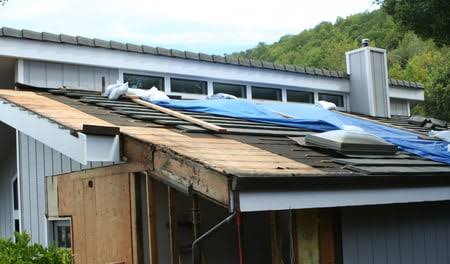
How Is the Installation Process Different?
Installing metal over shingles is not the same as installing it on a bare deck. The process requires specific techniques to ensure a flat, secure, and ventilated finish.
Step 1: Preparation and Repair
First, remove any loose shingles, protruding nails, or vent pipes that are no longer needed. Secure any loose shingles with roofing cement. Ensure the roof surface is as flat as possible.
Step 2: Installing Furring Strips (Battens)
You should never screw metal panels directly into old shingles. Instead, install horizontal or vertical furring strips (also known as battens). These are usually 1×4 or 2×4 wooden strips spaced 24 inches apart.
- Why? Battens create a level surface over the uneven shingles.
- Ventilation: They create an air channel between the old roof and the new metal, allowing heat and moisture to escape. This is crucial for preventing condensation buildup.
Step 3: Adding Underlayment
A high-quality synthetic underlayment should be installed over the battens or directly over the shingles (depending on the batten system used). This acts as a secondary water barrier. For more details on roofing materials and standards, you can refer to general construction guidelines on Wikipedia.
Step 4: Panel Installation
The metal panels are then screwed into the battens, not the deck. Use screws with rubber washers designed for metal roofing to prevent leaks. Ensure that the screws are driven straight and not over-tightened, which can damage the washer.
Frequently Asked Questions (FAQ)
1. Can I put a metal roof over two layers of shingles?
Generally, no. Most building codes in the US limit roofing to two layers total. If you already have two layers of shingles, you must tear them off before installing metal. Even if code allows it, the unevenness and weight make it highly inadvisable.
2. Will my homeowner’s insurance cover a roof-over installation?
Most insurance companies accept metal roofs installed over shingles, provided the installation meets local building codes and manufacturer specifications. However, some insurers may offer lower premiums for a full tear-off because it eliminates the risk of hidden deck damage. Always check with your provider.
3. Does installing metal over shingles affect resale value?
Yes, positively. Metal roofs are known for their durability (40–70 years) and energy efficiency. As long as the installation is professional and disclosed properly, it can increase your home’s curb appeal and market value. Buyers appreciate the low maintenance aspect.
4. How long does a metal roof last when installed over shingles?
A properly installed metal roof can last 40 to 70 years. However, the underlying shingles will eventually degrade. While the metal protects them from rain, heat buildup can shorten the life of the organic materials beneath. The metal itself will remain intact, but the system’s overall performance relies on the initial condition of the shingles.
5. Do I need a permit to install a metal roof over my existing roof?
Yes, in almost all jurisdictions in the US, you need a building permit for re-roofing. The inspector will check the structural load and ensure the installation meets fire and wind resistance codes. Skipping permits can lead to fines and issues when selling your home.
Conclusion
So, can you put a metal roof over an existing roof? Absolutely. It is a viable, cost-effective, and environmentally friendly option for many homeowners. By saving on disposal costs and gaining an extra layer of insulation, you can upgrade your home’s protection without breaking the bank.
However, success depends on execution. You must ensure your roof structure is sound, use furring strips for ventilation, and choose a metal manufacturer that supports this installation method. Never cut corners on inspection or preparation.
If you are considering this upgrade, take the time to get multiple quotes from certified metal roofing specialists. Ask them specifically about their experience with roof-over installations and request references.
Found this guide helpful? Share it with your friends on Facebook or Pinterest who might be contemplating their own roofing projects. Knowledge is power when it comes to protecting your biggest investment—your home!
Leave a Reply