Have you ever run your tongue across the roof of your mouth and felt a strange, unexpected lump? It can be alarming to discover a new texture or protrusion in such a sensitive area. You are not alone; many people ask, “What is a bump on the roof of my mouth?” while worrying about serious health issues.
In most cases, these bumps are harmless and temporary. However, understanding the underlying cause is crucial for proper care and peace of mind. This guide will walk you through the most common reasons for palate bumps, how to treat them at home, and exactly when you need professional medical attention.
Common Causes of Bumps on the Roof of Your Mouth
The roof of your mouth, known medically as the palate, is divided into two sections: the hard palate (front) and the soft palate (back). Because this area is exposed to hot foods, bacteria, and physical trauma, it is prone to various irritations. Here are the most frequent culprits behind that mysterious lump.
1. Thermal Burns (Pizza Palate)
This is arguably the most common cause. We have all been too eager to eat a slice of piping hot pizza or drink scalding coffee. When the delicate tissue of the hard palate comes into contact with extreme heat, it can blister or swell.
- Symptoms: Redness, swelling, tenderness, and sometimes a fluid-filled blister.
- Healing Time: Typically 3–7 days.
- Prevention: Let food cool for at least 2–3 minutes before eating.
2. Canker Sores (Aphthous Ulcers)
Canker sores are small, shallow lesions that develop on the soft tissues in your mouth or at the base of your gums. Unlike cold sores, they don’t occur on the surface of your lips and aren’t contagious.
- Appearance: White or yellow center with a red border.
- Triggers: Stress, minor injury to oral tissues, acidic foods, or vitamin deficiencies.
- Pain Level: Moderate to high, especially when eating spicy or acidic foods.
3. Torus Palatinus
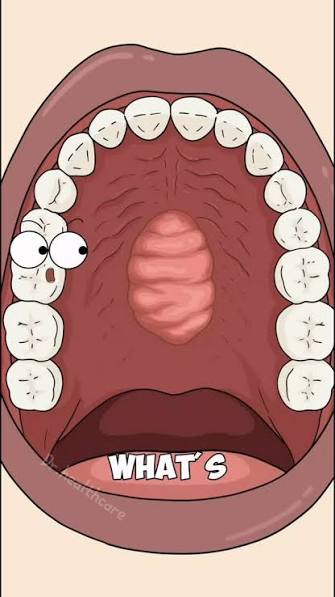
If the bump feels hard, bony, and has been there for a long time without changing, it might be a torus palatinus. This is a benign bony growth on the midline of the hard palate.
- Nature: Genetic and harmless.
- Prevalence: Affects approximately 20–30% of the population.
- Action Required: None, unless it interferes with denture fitting.
4. Oral Mucocele
A mucocele is a cyst-like bump caused by a blocked salivary gland. While more common on the lower lip, they can appear on the roof of the mouth if a minor salivary gland becomes obstructed due to trauma (like biting or scratching the palate).
- Texture: Soft, fluid-filled, and movable.
- Color: Clear, bluish, or pink.
- Resolution: Often ruptures and heals on its own within a few weeks.
5. Nasopalatine Duct Cyst
This is a rare developmental cyst that occurs in the midline of the anterior hard palate. It originates from remnants of the nasopalatine duct.
- Symptoms: Often asymptomatic but can cause swelling or drainage if infected.
- Diagnosis: Requires X-ray or CT scan by a dentist or oral surgeon.
For more detailed anatomical information regarding the oral cavity, you can refer to Wikipedia’s article on the Human Mouth.
Less Common but Serious Causes
While most bumps are benign, some require immediate medical intervention. It is vital to distinguish between a minor irritation and a potential health risk.
Oral Thrush (Candidiasis)
Oral thrush is a fungal infection caused by Candida albicans. It often presents as creamy white lesions on the tongue or inner cheeks, but it can also affect the roof of the mouth.
- Risk Factors: Antibiotic use, diabetes, weakened immune system, or wearing dentures.
- Treatment: Antifungal medications prescribed by a doctor.
Oral Cancer
Although less common, a persistent bump could be a sign of oral cancer. Early detection is key to successful treatment.
Red Flags for Oral Cancer:
- A sore or lump that does not heal within two weeks.
- Persistent pain or numbness.
- Difficulty chewing, swallowing, or moving the jaw.
- Unexplained bleeding.
- White or red patches that do not wipe away.
Expert Insight: According to the Oral Cancer Foundation, early-stage oral cancer has a significantly higher survival rate. If you notice any changes in your oral tissue that persist beyond 14 days, schedule an appointment with your dentist or primary care provider immediately.
How to Treat a Bump on the Roof of Your Mouth at Home
If your bump is due to a minor burn, canker sore, or mild irritation, you can manage it effectively at home. Follow these steps to promote healing and reduce discomfort.
Step-by-Step Home Care Routine
- Salt Water Rinse
- Mix 1/2 teaspoon of salt into 8 ounces (240 ml) of warm water.
- Swish gently around your mouth for 30 seconds.
- Spit out the solution. Do not swallow.
- Repeat 2–3 times daily to reduce inflammation and keep the area clean.
- Apply Cold Compress
- Suck on ice chips or eat cold foods like yogurt or smoothies.
- Avoid extremely hot temperatures, which can aggravate the tissue.
- Avoid Irritants
- Stop consuming spicy, acidic, or crunchy foods (like chips) that can scratch the bump.
- Avoid alcohol-based mouthwashes, as they can sting and dry out the tissue.
- Over-the-Counter Relief
- Use oral gels containing benzocaine for temporary pain relief.
- Take ibuprofen or acetaminophen if the pain is affecting your sleep or daily activities.
| Treatment Method | Best For | Frequency |
|---|---|---|
| Salt Water Rinse | Burns, Canker Sores, General Hygiene | 2–3 times/day |
| Ice/Cold Foods | Thermal Burns, Swelling | As needed |
| Benzocaine Gel | Pain Management | Up to 4 times/day |
| Honey Application | Minor Ulcers (Antibacterial) | 2 times/day |
When to See a Doctor or Dentist
Knowing when to seek professional help is just as important as home care. You should schedule an appointment if:
- The bump persists for more than two weeks.
- The bump is growing rapidly in size.
- You experience difficulty breathing or swallowing.
- There is pus, severe bleeding, or foul odor coming from the bump.
- You have a fever accompanying the oral symptom.
- The bump is hard, fixed in place, and painless (this can sometimes be more concerning than a painful sore).
FAQ: Common Questions About Palate Bumps
1. Can a bump on the roof of my mouth go away on its own?
Yes, most bumps caused by minor trauma, burns, or canker sores will heal on their own within 7–14 days. Maintaining good oral hygiene and avoiding irritants speeds up this process.
2. Is a bump on the roof of my mouth contagious?
It depends on the cause. Canker sores, burns, and torus palatinus are not contagious. However, if the bump is caused by a viral infection like herpes (cold sores) or a fungal infection like thrush, it may be transmissible to others through shared utensils or kissing.
3. Why does the bump hurt when I eat?
The roof of your mouth is rich in nerve endings. Inflammation or open sores expose these nerves, making them sensitive to temperature, texture, and chemicals (like salt or acid) in food. This is a natural protective mechanism to prevent further injury.
4. Can allergies cause bumps on the roof of the mouth?
Yes. Oral Allergy Syndrome (OAS) can cause itching, swelling, or small bumps in the mouth after eating certain raw fruits, vegetables, or nuts. This is usually an immediate reaction and subsides once the allergen is removed.
5. Should I pop a blister on the roof of my mouth?
No. Popping a blister can introduce bacteria into the wound, leading to infection and delayed healing. Let it rupture naturally or absorb back into the tissue. If it is large and painful, see a dentist for safe drainage.
Conclusion
Discovering a lump in your mouth can be unsettling, but remember that “What is a bump on the roof of your mouth“ is a question with mostly reassuring answers. In the vast majority of cases, these bumps are benign results of minor burns, canker sores, or natural anatomical variations like torus palatinus.
By practicing good oral hygiene, avoiding extreme temperatures in food, and monitoring the bump’s progress, you can often manage the issue at home. However, never ignore a sore that lasts longer than two weeks. Your oral health is a window into your overall well-being, so stay vigilant and proactive.
Found this guide helpful? Share it with friends and family on social media to help them navigate their own oral health concerns with confidence!
Leave a Reply