Hearing scratching, scurrying, or thumping noises coming from above your ceiling can be incredibly stressful. It disrupts your sleep, damages your peace of mind, and signals a potential structural threat to your home. If you are asking, “How do you get rid of squirrels in your roof,“ you are not alone; thousands of US homeowners face this exact challenge every year, especially during the cooler months when these agile rodents seek warmth and shelter.
This guide provides a comprehensive, step-by-step approach to resolving this issue safely, legally, and effectively. We will cover identification, humane eviction techniques, exclusion strategies, and prevention methods to ensure your attic remains squirrel-free for good.
Why Are Squirrels in My Attic?
Before attempting removal, it is crucial to understand why they are there. Squirrels do not enter homes out of malice; they enter out of survival instinct.
The Search for Shelter and Warmth
During autumn and winter, outdoor temperatures drop, and natural food sources become scarce. Attics offer an ideal environment: they are dry, insulated, and protected from predators like hawks and foxes. According to wildlife experts, a single female squirrel can cause significant damage by tearing up insulation to build nests for her young.
Easy Access Points
Squirrels are excellent climbers. They can scale brick, wood, and vinyl siding with ease. Common entry points include:
- Damaged roof vents.
- Gaps around chimneys.
- Loose fascia boards.
- Overhanging tree branches that touch the roofline.
Understanding these motivations helps you target your solution more effectively. You aren’t just removing an animal; you are securing your home against a persistent survivor.
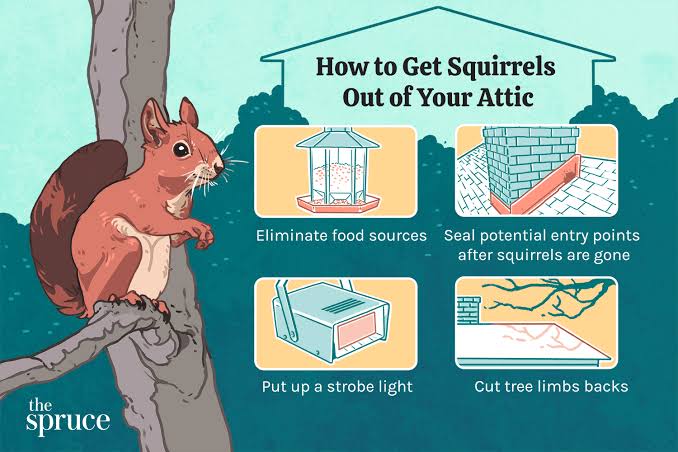
Step 1: Confirm the Presence and Identify the Species
Not all noises in the attic are squirrels. Raccoons, rats, and even birds can create similar disturbances. Misidentification can lead to ineffective treatment or legal issues, as some wildlife species are protected by law.
Signs of Squirrel Infestation
- Noise Pattern: Squirrels are diurnal (active during the day). If you hear loud scampering primarily at dawn and dusk, it is likely squirrels. Nocturnal noises suggest raccoons or rats.
- Droppings: Squirrel droppings are small, oblong, and often found in clusters near entry points. They are larger than mouse droppings but smaller than rat feces.
- Chew Marks: Look for gnawed wood, wires, or insulation materials. Squirrels have incisors that grow continuously, requiring them to chew constantly to keep them filed down.
Expert Note: Always wear gloves and a mask when inspecting droppings or insulation. Squirrel waste can carry diseases such as leptospirosis and salmonella. For detailed information on zoonotic diseases associated with wildlife, refer to the Centers for Disease Control and Prevention guidelines or general wildlife health resources on Wikipedia.
Step 2: Humane Eviction Methods
Once confirmed, the goal is to encourage the squirrels to leave voluntarily. Never seal entry points while animals are still inside. This traps them, leading to death, decomposition smells, and aggressive behavior as they try to escape.
Method 1: One-Way Exclusion Devices
This is the most effective and humane professional method.
- Identify Active Entries: Watch your roof at dawn to see where squirrels exit.
- Install the Device: Place a one-way exclusion funnel or net over the primary entry hole. These devices allow squirrels to push their way out but prevent them from re-entering.
- Seal Secondary Holes: Close all other potential entry points with steel wool or hardware cloth, leaving only the main exit open with the device.
- Wait: Give it 3–5 days. Check daily to ensure all animals have exited.
Method 2: Natural Repellents
While less reliable than exclusion devices, repellents can work for minor cases or as a deterrent.
- Predator Urine: Fox or coyote urine granules can be placed near entry points. The scent signals danger.
- Strong Scents: Soak rags in apple cider vinegar, peppermint oil, or ammonia and place them in the attic. Squirrels have sensitive noses and dislike these strong odors.
- Note: Repellents need frequent reapplication and may lose effectiveness as squirrels become habituated.
Method 3: Light and Noise Deterrence
Squirrels prefer dark, quiet spaces.
- Place a bright LED work light in the attic.
- Play a radio tuned to a talk station at moderate volume.
- Combine this with scent repellents for a multi-sensory deterrent effect.
Step 3: Seal and Fortify Your Home
After confirming the attic is empty, immediate action is required to prevent re-entry. Squirrels can squeeze through holes as small as 1.5 inches.
Materials That Work
| Material | Effectiveness | Durability | Best Use Case |
|---|---|---|---|
| Hardware Cloth (Wire Mesh) | High | High | Covering vents, chimneys, and large gaps. |
| Steel Wool | Medium | Low | Stuffing into small cracks before sealing. |
| Expanding Foam | Low | Low | Only as a filler behind metal mesh; squirrels can chew through foam alone. |
| Metal Flashing | High | High | Repairing damaged roof edges or fascia. |
Step-by-Step Sealing Process
- Inspect the Exterior: Walk around your house. Look for gaps in soffits, eaves, and rooflines.
- Trim Trees: Cut back any tree branches within 6–8 feet of your roof. This removes the “bridge” squirrels use to access your home.
- Install Chimney Caps: Ensure your chimney has a sturdy, mesh-covered cap.
- Secure Vents: Replace plastic vent covers with metal ones or cover existing vents with hardware cloth (ensure airflow is not restricted).
- Seal Gaps: Use caulk for tiny cracks and steel wool packed tightly into larger holes, then cover with metal flashing or mesh.
Step 4: Cleanup and Sanitization
Squirrel infestations leave behind more than just noise. They leave urine, feces, and nesting materials that can harbor pathogens and attract insects.
- Remove Nesting Material: Wear an N95 mask and heavy-duty gloves. Bag all insulation and nesting debris in heavy-duty trash bags.
- Disinfect: Spray affected areas with an enzymatic cleaner designed to break down organic waste and eliminate odors. Bleach is not always effective on porous surfaces like wood beams.
- Replace Insulation: If insulation is heavily soiled, it is best to remove and replace it. Contaminated insulation loses its R-value and poses health risks.
Frequently Asked Questions (FAQ)
1. Is it legal to trap and relocate squirrels?
Laws vary significantly by state and municipality in the US. In many states, relocating wildlife is illegal without a permit because it can spread disease and disrupt local ecosystems. Always check with your local Department of Natural Resources (DNR) or Fish and Wildlife agency before trapping. Humane exclusion is generally the preferred and legal method.
2. Can squirrels chew through metal?
Squirrels cannot chew through thick metal like hardware cloth or steel flashing. However, they can easily chew through aluminum foil, thin plastic, wood, vinyl, and even soft lead flashing. Always use galvanized steel mesh (at least 1/4 inch gauge) for exclusion.
3. How long does it take to get rid of squirrels?
Using one-way exclusion devices, the process typically takes 3 to 7 days. If using repellents alone, it may take weeks and is less guaranteed. The key is patience and ensuring all animals, including babies, have left before sealing entries.
4. What if there are baby squirrels in the attic?
If it is spring or early summer, there may be dependent babies. Mothers will not abandon their young. If you exclude the mother, the babies will die inside, causing severe odor and maggot issues. In this case, wait until the babies are old enough to follow the mother (usually 6–8 weeks) or consult a professional wildlife rehabilitator who can safely reunite them.
5. Will mothballs keep squirrels away?
Mothballs contain naphthalene or paradichlorobenzene, which are toxic pesticides. While the smell may deter squirrels initially, using them in attics is dangerous for humans and pets due to toxic fumes. Furthermore, their use indoors is often illegal. Stick to safer, natural repellents like peppermint oil or predator urine.
Conclusion
Dealing with squirrels in your roof is a manageable problem if approached with patience and the right strategy. By understanding how do you get rid of squirrels in your roof through humane exclusion, proper sealing, and sanitation, you protect both your home’s integrity and the welfare of the wildlife.
Remember, the most critical step is prevention. Once the squirrels are gone, invest time in trimming trees and sealing entry points. This proactive approach saves you money and stress in the long run.
If you found this guide helpful, please share it on social media to help friends and neighbors tackle their own wildlife challenges. A squirrel-free home is a peaceful home!
Leave a Reply