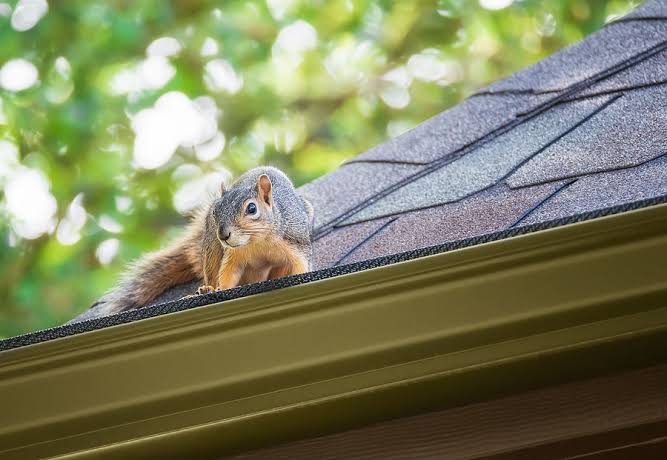
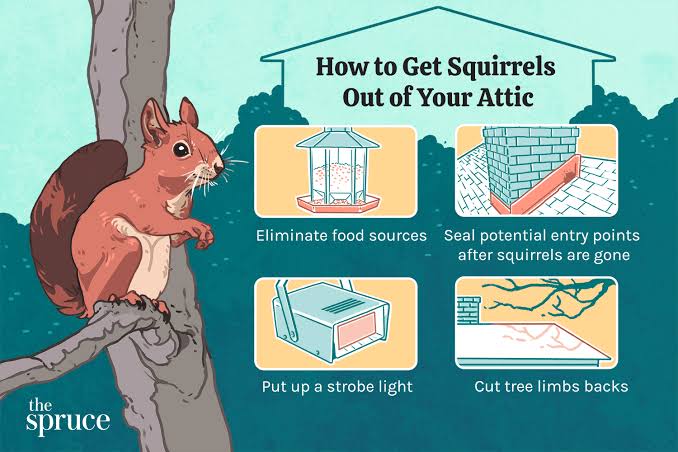
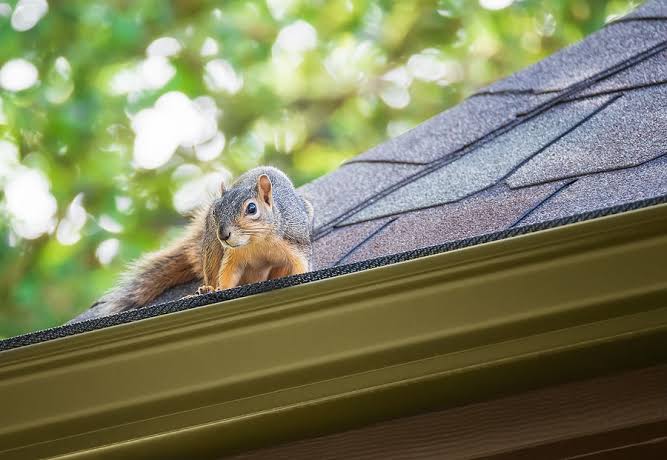
Hearing scratching, scurrying, or thumping noises in your attic can be incredibly stressful. It disrupts your sleep, raises concerns about property damage, and leaves you feeling helpless in your own home. If you are asking yourself, “How do I get rid of squirrels in my roof?” you are not alone; thousands of homeowners face this exact challenge every year. The good news is that with the right approach, you can resolve this issue humanely and effectively without causing further harm to your property or the animals.
Why Are Squirrels in Your Attic?
Before we dive into removal tactics, it is crucial to understand why they chose your roof. Squirrels are not random invaders; they are strategic survivors. They seek three main things: warmth, safety, and nesting materials.
Your attic provides an ideal environment that mimics a hollow tree but with better insulation. According to wildlife experts, squirrels often enter attics during late winter to breed or in early autumn to prepare for colder months. A single female squirrel can have two litters a year, meaning a small problem can quickly become a large infestation if left unchecked. Understanding their motivation helps you anticipate their behavior and choose the most effective removal strategy.
Step-by-Step Guide: How to Humanely Remove Squirrels
Removing squirrels requires patience and adherence to local wildlife laws. In many US states, it is illegal to trap and relocate squirrels without a permit, or to harm them directly. Therefore, the “exclusion method” is widely regarded as the most ethical and effective long-term solution.
1. Identify All Entry Points
You cannot fix what you cannot see. Squirrels can squeeze through holes as small as 1.5 inches in diameter. Walk around the exterior of your house and look for:
- Gaps in the fascia boards.
- Damaged roof vents.
- Cracks in the siding near the roofline.
- Openings around chimney stacks.
Mark these spots with chalk or tape. It is common to find multiple entry points, even if you only hear noise in one area.
2. Confirm the Nest is Empty
This is the most critical step. Never seal an entry point if babies are inside. If you trap nursing mothers outside, the infants will starve and die inside your walls, leading to severe odor and sanitation issues.
To check if the nest is active:
- Listen for high-pitched chirping (babies) versus heavy thumping (adults).
- Use a flashlight to peek into accessible vents.
- Observe the entry point at dawn and dusk when squirrels are most active.
If you suspect babies are present, wait until they are old enough to leave the nest (usually 6–8 weeks) or contact a professional wildlife rehabilitator.
3. Install One-Way Exclusion Devices
Instead of trapping, use a one-way door. This device allows squirrels to exit your attic to find food but prevents them from re-entering.
How to install it:
- Seal all secondary entry points with steel wool or hardware cloth. Leave only the main entry hole open.
- Attach the one-way exclusion cone over the main hole.
- Secure it tightly with screws or heavy-duty staples.
- Wait 3–5 days. Monitor the device to ensure all squirrels have exited.
4. Permanently Seal the Entry Points
Once you are certain the attic is empty, remove the one-way door and permanently seal the hole.
| Material | Effectiveness | Durability | Cost |
|---|---|---|---|
| Steel Wool + Caulk | High | Medium | Low |
| Hardware Cloth (1/4 inch) | Very High | High | Medium |
| Expanding Foam | Low | Low | Low |
| Wood Planks | Medium | Medium | Medium |
Pro Tip: Avoid using expanding foam alone. Squirrels can easily chew through dried foam. Always cover foam with metal mesh or use hardware cloth stapled securely over the opening. For more details on rodent-proofing materials, you can refer to general pest management principles outlined on Wikipedia.
5. Clean and Sanitize the Attic
Squirrel urine and feces can carry diseases such as leptospirosis and salmonella. After removal:
- Wear an N95 mask and gloves.
- Remove contaminated insulation.
- Disinfect surfaces with an enzymatic cleaner designed for pet waste.
- Consider replacing insulation to eliminate lingering odors that might attract new pests.
Common Mistakes to Avoid
Many homeowners try quick fixes that ultimately fail or cause more damage. Here are the top pitfalls:
- Using Poison: This is inhumane and dangerous. A poisoned squirrel may die in inaccessible wall cavities, causing rot and attracting flies and beetles. Furthermore, poison poses a risk to pets and local wildlife like owls or hawks that may eat the poisoned squirrel.
- Trapping Without Exclusion: If you trap and remove a squirrel but do not seal the entry points, another squirrel will simply move in. Nature abhors a vacuum, and your warm attic is prime real estate.
- Ignoring the Landscape: Squirrels are excellent jumpers. Trim tree branches at least 6–8 feet away from your roofline. This removes their “highway” to your home.
When to Call a Professional
While DIY methods work for minor cases, some situations require expert intervention. You should call a licensed wildlife control operator if:
- You cannot locate the entry point.
- There are signs of a large infestation (multiple noises, strong ammonia smell).
- You suspect rabies or other diseases (aggressive behavior, disorientation).
- The structural damage to your roof is extensive.
Professional services typically cost between $300 and $600, depending on the complexity of the job. While this is an investment, it ensures the job is done correctly and often includes a warranty on the exclusion work.
FAQ Section
Q1: Will mothballs keep squirrels out of my attic?
A: No, mothballs are not effective for squirrels. They contain naphthalene or paradichlorobenzene, which are toxic to humans and pets but rarely deter determined squirrels. Moreover, using mothballs in an attic can create hazardous air quality levels in your living space below.
Q2: Can squirrels chew through metal?
A: Squirrels have incredibly strong teeth and can chew through wood, plastic, vinyl, and even soft metals like aluminum flashing. However, they cannot chew through hardened steel or heavy-gauge hardware cloth (1/4 inch mesh or smaller). Always use steel-based materials for sealing.
Q3: How long does it take to get rid of squirrels?
A: Using the exclusion method, it typically takes 3 to 7 days for all squirrels to leave. Afterward, sealing and cleaning may take an additional 1–2 days. If you use trapping, it may take longer depending on how many squirrels are present and their wariness of traps.
Q4: Is it legal to trap squirrels in my state?
A: Laws vary significantly by state and municipality. In many places, relocating wildlife is prohibited because it spreads disease and disrupts local ecosystems. Always check with your local Department of Natural Resources (DNR) or fish and wildlife agency before setting traps.
Q5: What smells do squirrels hate?
A: Squirrels dislike strong scents such as peppermint oil, cayenne pepper, and garlic. While spraying these around entry points may act as a temporary deterrent, they are not a permanent solution. Rain and wind wash these scents away quickly, and squirrels often become habituated to them.
Q6: Will removing squirrels damage my roof?
A: If done correctly, no. The exclusion process involves attaching devices to existing openings. However, improper sealing (like nailing shingles incorrectly) can cause leaks. If you are uncomfortable working on your roof, hire a professional roofer or wildlife expert to handle the physical sealing.
Conclusion
Dealing with squirrels in your roof is undeniably frustrating, but it is a solvable problem. By understanding their behavior and using humane exclusion techniques, you can reclaim your home without harming wildlife. Remember, the key to long-term success is not just removal, but prevention. Seal those gaps, trim your trees, and maintain your roof’s integrity.
If you found this guide helpful, please share it on social media to help friends and neighbors who might be hearing similar noises in their attics. Together, we can promote humane and effective wildlife management practices.