Replacing your roof is one of the most significant home improvement projects you will ever undertake. It protects your family, increases your property value, and provides peace of mind during storm season. However, the uncertainty surrounding the schedule can be stressful for any homeowner. You might be wondering, “How long does it take to get a new roof?” while trying to coordinate work schedules, childcare, or pet care.
The short answer is that most standard residential roof replacements are completed within one to three days. However, this timeline can vary significantly based on the size of your home, the materials chosen, and external factors like weather. In this comprehensive guide, we will break down exactly what influences the timeline, what happens day-by-day, and how you can prepare for a smooth installation process.
What Factors Influence Roof Replacement Time?
While a two-day turnaround is common, several variables can extend or shorten this window. Understanding these factors helps you set realistic expectations with your contractor.
1. Size and Complexity of the Roof
A simple, single-story ranch-style home with a straightforward gable roof is much faster to replace than a multi-story Victorian home with multiple dormers, valleys, and turrets.
- Square Footage: Larger roofs naturally take longer.
- Pitch and Slope: Steeper roofs require more safety equipment and slower movement for workers.
- Obstacles: Chimneys, skylights, and vent pipes require careful flashing and sealing, adding time to the job.
2. Type of Roofing Material
Not all roofing materials are installed at the same speed. Here is a general comparison:
| Material | Estimated Installation Time (Average Home) | Difficulty Level |
|---|---|---|
| Asphalt Shingles | 1–2 Days | Low |
| Metal Roofing | 2–4 Days | Medium |
| Clay/Concrete Tiles | 5–7 Days | High |
| Slate | 7–10+ Days | Very High |
| Wood Shakes | 3–5 Days | High |
Asphalt shingles remain the most popular choice in the US largely due to their cost-effectiveness and rapid installation speed. Conversely, materials like slate or clay tiles are heavier and more fragile, requiring meticulous handling that slows down the crew.
3. Weather Conditions
Roofing is an outdoor job, making it highly susceptible to weather. Rain, high winds, or extreme heat can halt production.
- Rain: Workers cannot install underlayment or shingles on wet decks as it traps moisture, leading to mold and rot.
- Wind: High winds make handling large sheets of underlayment or metal panels dangerous and difficult.
- Heat: Extreme temperatures can soften asphalt shingles, making them harder to handle and seal properly.
4. Structural Repairs
Once the old roof is removed, the underlying structure is exposed. If the contractors discover rotted decking (sheathing) or damaged rafters, these must be repaired before the new roof can be installed. This “unforeseen” step can add half a day or more to the project.
The Step-by-Step Roof Replacement Timeline
To give you a clearer picture, let’s walk through a typical two-day asphalt shingle replacement for an average 2,000-square-foot home.
Day 1: Tear-Off and Preparation
The first day is often the loudest and most disruptive.
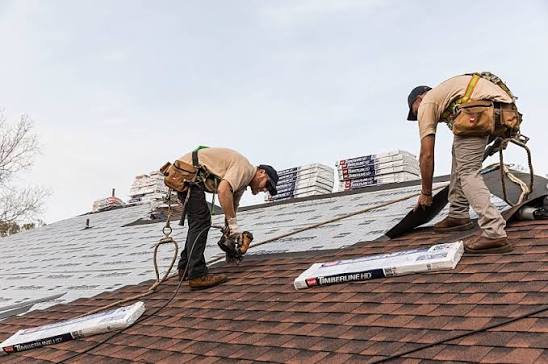
- Site Setup (7:00 AM – 8:00 AM): The crew arrives, sets up safety barriers, and places a dumpster for debris. They may also lay down tarps to protect your landscaping and driveway.
- Removal of Old Roofing (8:00 AM – 12:00 PM): Workers strip away the old shingles, underlayment, and nails. This exposes the wooden deck beneath. You will hear significant noise during this phase.
- Inspection and Repair (12:00 PM – 2:00 PM): The team inspects the wood decking. Any rotten or soft spots are replaced with new plywood or OSB boards. Note: This is where timelines can shift if extensive damage is found.
- Installation of Underlayment (2:00 PM – 5:00 PM): A water-resistant barrier (underlayment) is rolled out over the entire deck. Drip edges are installed along the eaves to direct water away from the fascia.
Day 2: Installation and Cleanup
The second day focuses on installing the new protective layers and finishing touches.
- Flashing Installation (8:00 AM – 10:00 AM): Metal flashing is installed around chimneys, vents, and valleys. This is critical for preventing leaks. For more technical details on roofing components, you can refer to the Wikipedia entry on Roofing to understand the structural importance of proper flashing.
- Shingle Installation (10:00 AM – 3:00 PM): The crew starts from the bottom edge (eave) and works their way up to the ridge. They ensure each shingle is aligned and nailed according to manufacturer specifications.
- Ridge Vents and Cap Shingles (3:00 PM – 4:00 PM): The peak of the roof is sealed with ridge vents for airflow and covered with cap shingles for a finished look.
- Cleanup and Final Inspection (4:00 PM – 5:00 PM): The crew uses magnetic rollers to pick up stray nails from your yard and driveway. All debris is loaded into the dumpster. The project manager performs a final walkthrough with you to ensure satisfaction.
Signs Your Roof Needs Immediate Replacement
Sometimes, the question isn’t just about time, but urgency. If you notice any of the following, do not delay scheduling an inspection:
- Curling or Cupping Shingles: This indicates aging and loss of granule protection.
- Missing Granules: Check your gutters for sand-like particles; this means your shingles are deteriorating.
- Daylight Through Roof Boards: If you can see light from your attic, you have gaps that need immediate attention.
- Sagging Roof Deck: This suggests structural issues and requires emergency professional assessment.
How to Prepare Your Home for Roofers
A prepared home leads to a faster, smoother installation. Here is a quick checklist:
- Clear the Perimeter: Move cars, grills, patio furniture, and potted plants away from the house. Falling debris can damage these items.
- Protect Attic Items: The vibration from hammering can shake dust and debris loose. Cover sensitive items in your attic with sheets.
- Secure Pets: The noise and presence of strangers can stress animals. Keep pets indoors in a quiet room or arrange for them to stay elsewhere during work hours.
- Trim Tree Branches: Ensure no branches are hanging over the roof, as they can obstruct work and damage new shingles.
Frequently Asked Questions (FAQ)
1. Can I stay in my house during roof replacement?
Yes, most homeowners stay in their homes during the process. However, expect significant noise, vibration, and dust. If you have infants, elderly family members, or work from home, you might consider staying elsewhere for the 1–2 days of active tear-off and installation.
2. What happens if it rains during the project?
Professional roofers monitor weather forecasts closely. If rain is expected, they will pause work. If the old roof is already removed, they will cover the exposed deck with tarps to prevent water intrusion. Once the rain passes and the wood is dry, work will resume.
3. Do I need to be home while the roofers are working?
You do not need to be home the entire time, but it is recommended to be present at the start and end of the project. Being there at the start allows you to confirm the scope of work, and being there at the end allows for the final walkthrough and cleanup inspection.
4. How long does a roof permit take to process?
This varies by municipality. In many US cities, permits can be obtained instantly online or within 24–48 hours. In stricter jurisdictions, it may take 1–2 weeks. Reputable contractors usually handle permitting as part of their service, so ask your provider about this timeline upfront.
5. Will my homeowner’s insurance cover the time it takes to get a new roof?
Insurance typically covers the cost of the roof if the damage was caused by a covered peril (like hail or wind), but it does not pay for your living expenses unless the home is uninhabitable. Standard roof replacements rarely make a home uninhabitable, so temporary housing costs are usually out-of-pocket unless specified in your policy.
Conclusion
So, how long does it take to get a new roof? For the majority of American homes using asphalt shingles, you can expect the project to be completed in 1 to 3 days. While factors like roof complexity, material choice, and weather can influence this timeline, proper preparation and hiring a reputable contractor can ensure the process stays on track.
Remember, a new roof is an investment in your home’s longevity and safety. By understanding the timeline and preparing your property, you can minimize stress and enjoy the benefits of a secure, beautiful new roof.
Did you find this guide helpful? Share it with your neighbors on Facebook or Twitter who might be considering a roof replacement!
Leave a Reply