Your home is likely your most significant financial investment, and the roof is its primary shield against the elements. Yet, many homeowners ignore subtle warning signs until a minor leak turns into a catastrophic structural failure. Knowing how to tell if your roof needs to be replaced can save you thousands in emergency repairs and protect your family’s safety.
In this guide, we will walk you through the definitive signs of roof failure, helping you make an informed decision before the next storm hits.
The Critical Age Factor: How Old Is Too Old?
Before climbing a ladder or scanning your ceiling for water stains, start with the basics: the age of your roofing material. Every roofing system has a finite lifespan, determined by the materials used and the local climate conditions.
Most standard asphalt shingle roofs—the most common type in the United States—last between 20 to 25 years. If your roof is approaching this age bracket, it is statistically more likely to fail, even if it looks okay from the ground.
However, age alone isn’t the only determinant. Extreme weather events, such as hailstorms or hurricane-force winds, can significantly shorten this lifespan. Conversely, high-quality architectural shingles or metal roofing can last 30 to 50 years.
| Material Type | Average Lifespan | Key Vulnerability |
|---|---|---|
| Asphalt Shingles | 15–25 Years | UV Radiation, Wind Lift |
| Wood Shakes | 20–30 Years | Moisture, Rot, Insects |
| Metal Roofing | 40–70 Years | Corrosion (if uncoated) |
| Slate/Tile | 50+ Years | Impact Damage, Weight |
If you are unsure when your roof was installed, check your home inspection report from when you bought the house, or look for a manufacturer’s sticker on the underside of a shingle tab (visible from the attic).
Visible Exterior Red Flags: What to Look For From the Ground
You do not need to be a professional roofer to spot major issues. Many signs of roof deterioration are visible from your yard using binoculars. Here are the most common exterior indicators that replacement is imminent.
1. Curling, Cupping, or Clawing Shingles
Shingles should lie flat against the roof deck. If you notice edges turning upward (cupping) or downward (clawing), the shingles have lost their structural integrity. This is often caused by moisture trapped in the attic or poor ventilation, causing the asphalt to dry out and warp. Once shingles curl, they become brittle and prone to cracking under wind stress.
2. Missing Granules and Bald Spots
Asphalt shingles are coated with ceramic granules that protect them from UV rays. Over time, these granules wash away. Check your gutters and downspouts. If you find an accumulation of sand-like granules, your shingles are wearing thin. Look for “bald spots” where the black asphalt base is exposed; these areas are highly susceptible to heat damage and leaks.
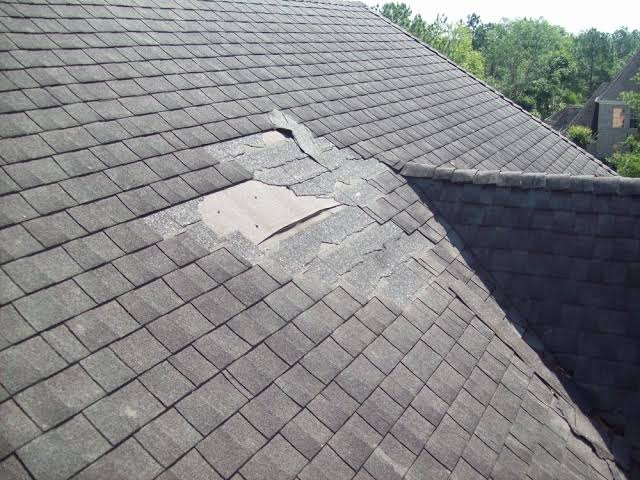
3. Cracked or Broken Shingles
While a few cracked shingles can be repaired individually, widespread cracking indicates that the entire roof system is becoming brittle. This is common in older roofs exposed to frequent freeze-thaw cycles. If more than 30% of your roof shows cracks, a full replacement is usually more cost-effective than patching.
4. Moss, Algae, and Fungal Growth
While moss might look rustic, it is dangerous for your roof. Moss retains moisture against the shingle surface, accelerating decay. More importantly, moss roots can lift shingles, breaking the sealant strip and allowing wind-driven rain to penetrate underneath. If moss covers a significant portion of your roof, it may have already caused underlying rot.
Interior Warning Signs: Checking Your Attic and Ceilings
Sometimes, the exterior looks deceptively fine, but the damage is happening underneath. Your attic is the best place to diagnose hidden roof problems.
Water Stains and Active Leaks
The most obvious sign is water staining on your ceiling or walls. However, by the time you see a stain on your living room ceiling, the water has already traveled through the insulation and drywall.
Go into your attic during the day with a flashlight. Look for:
- Dark streaks on the wood decking.
- Daylight piercing through the roof boards.
- Sagging sections of the roof deck.
According to the Insurance Information Institute, water damage is one of the most common home insurance claims. Identifying the source early can prevent mold growth and structural compromise.
Poor Ventilation and Heat Buildup
Place your hand on the underside of the roof deck in the attic on a hot day. If it feels excessively hot, your attic ventilation is likely insufficient. Poor ventilation traps heat and moisture, which “cooks” the shingles from the inside out, drastically reducing their lifespan. This is a systemic issue that often necessitates a full roof replacement along with improved ventilation systems.
Structural Integrity: Sagging and Deck Issues
A sagging roof is a critical emergency. If you notice a dip or curve in your roofline from the street, stop what you are doing and call a professional immediately.
Sagging indicates that the roof deck or the supporting structural members (rafters or trusses) are failing. This can be caused by:
- Long-term water damage rotting the wood.
- Excessive weight from multiple layers of old shingles.
- Structural settling of the home.
Do not attempt to fix a sagging roof yourself. This is a severe safety hazard that requires immediate engineering assessment and likely a full tear-off and rebuild.
Repair vs. Replace: Making the Financial Decision
One of the hardest questions homeowners face is whether to repair or replace. Use this simple framework to decide:
Choose Repair If:
- The roof is less than 10–12 years old.
- Damage is isolated to a small area (e.g., missing shingles from a single branch fall).
- There are no signs of widespread granule loss or curling.
Choose Replacement If:
- The roof is over 20 years old.
- You have multiple leaks in different areas.
- More than 30% of the shingles are damaged.
- You plan to sell the home soon (a new roof increases curb appeal and value).
Cost Considerations
While a repair might cost $300–$800, a full replacement can range from $5,000 to $15,000+ depending on size and material. However, constantly repairing an aging roof is a “money pit.” If you are calling a roofer more than once every two years, it is time to replace.
Frequently Asked Questions (FAQ)
1. Can I replace just one side of my roof?
Technically, yes, but it is rarely recommended. Matching new shingles to old, weathered shingles is nearly impossible due to fading. Furthermore, if one side is failing, the other side is likely close behind. Replacing half now and the other half later doubles your labor costs and creates potential leak points at the seam.
2. Does homeowner’s insurance cover roof replacement?
It depends on the cause of the damage. Insurance typically covers “sudden and accidental” damage, such as wind storms, hail, or falling trees. It generally does not cover wear and tear, age-related deterioration, or lack of maintenance. Always review your policy and document damage with photos before filing a claim.
3. How long does a roof replacement take?
For an average-sized single-family home, a professional crew can complete a roof replacement in 1 to 3 days. Factors that may extend this timeline include complex roof designs (multiple valleys, turrets), bad weather, or the discovery of rotted decking that needs repair.
4. What is the best season to replace a roof?
Late spring to early fall is ideal because roofing adhesives require warm temperatures to seal properly. However, reputable contractors work year-round. Winter replacements are possible but may take longer due to shorter daylight hours and colder temperatures affecting material flexibility.
5. Do I need to be home during the replacement?
You do not need to stay home the entire time, but you should be available at the start and end of the day. Ensure pets are kept indoors or in a secure area, as the noise and presence of workers can be stressful for animals. Also, move cars out of the driveway to allow space for dumpsters and ladders.
Conclusion
Knowing how to tell if your roof needs to be replaced is about more than just spotting a leak; it is about recognizing the cumulative effects of age, weather, and wear. By regularly inspecting your shingles for curling, checking your attic for moisture, and monitoring the age of your system, you can avoid costly emergencies.
Don’t wait for water to drip onto your dinner table. If your roof is nearing the 20-year mark or showing multiple signs of distress, schedule a professional inspection today. A proactive approach ensures your home remains safe, dry, and valuable for years to come.
Found this guide helpful? Share it with your neighbors on social media to help them protect their homes too!
Leave a Reply