Have you ever taken a bite of a crisp apple or a handful of fresh berries, only to be greeted by an immediate, irritating tickle on the roof of your mouth? It is a confusing and uncomfortable sensation that often leaves people wondering if they are having a serious reaction or just a minor annoyance. If you have found yourself asking, “Why do allergies make the roof of my mouth itch,” you are not alone; this specific symptom is a hallmark sign of a condition known as Oral Allergy Syndrome (OAS).
In this comprehensive guide, we will break down the biological mechanisms behind this itch, identify common triggers, and provide actionable steps to manage and prevent this discomfort. Whether you suffer from seasonal hay fever or specific food sensitivities, understanding the root cause is the first step toward finding relief.
The Science Behind the Itch: What Is Oral Allergy Syndrome?
To understand why the roof of your mouth itches, we must first look at Oral Allergy Syndrome (OAS), also known as Pollen-Food Allergy Syndrome. This is not a traditional food allergy where the immune system attacks proteins in the food directly. Instead, it is a case of mistaken identity by your immune system.
Cross-Reactivity Explained
The proteins found in certain raw fruits, vegetables, and nuts are structurally very similar to the proteins found in pollen. If you are already allergic to pollen (hay fever), your immune system may confuse the food protein for the pollen protein.
When you eat these foods, your body releases histamines in the mouth and throat area, causing localized symptoms like:
- Itching on the roof of the mouth (palate)
- Tingling lips
- Swelling of the tongue or throat
- Scratchy throat
According to the American Academy of Allergy, Asthma & Immunology, OAS affects up to 70% of adults who have seasonal pollen allergies. This high correlation explains why the itch is so prevalent among allergy sufferers.
Common Triggers: Which Foods Cause the Itch?
Not every food causes this reaction. The specific trigger usually depends on which type of pollen you are allergic to. Below is a breakdown of common cross-reactivities.
| Pollen Allergy | Common Food Triggers |
|---|---|
| Birch Pollen | Apples, almonds, carrots, celery, cherries, hazelnuts, peaches, pears, plums |
| Ragweed Pollen | Bananas, cantaloupe, cucumbers, honeydew melon, watermelon, zucchini |
| Grass Pollen | Cantaloupe, oranges, peaches, tomatoes |
| Mugwort Pollen | Carrots, celery, coriander, fennel, garlic, onion, peppers |
If you notice the itch occurs primarily during spring, you might be reacting to birch-related foods. If it happens in late summer or fall, ragweed triggers like melons are more likely culprits.
Why Does the Itch Focus on the Roof of the Mouth?
You might wonder why the reaction isn’t systemic (affecting the whole body) but rather localized. The answer lies in the stability of the proteins involved.
The proteins responsible for OAS are heat-labile and acid-sensitive. This means they break down easily when exposed to heat or stomach acid. Because they degrade quickly, they typically only cause a reaction in the areas they touch directly: the lips, mouth, tongue, and throat.
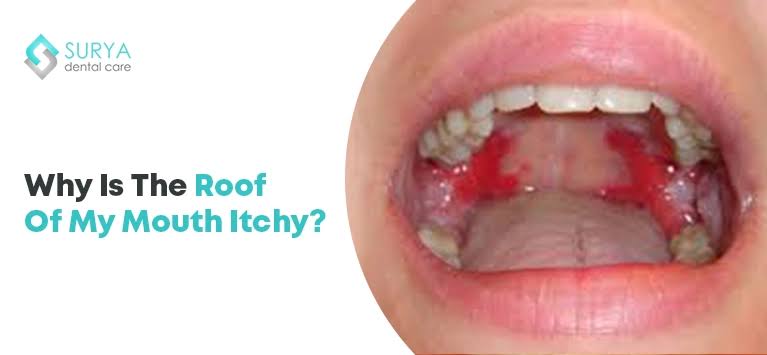
The roof of the mouth (the hard and soft palate) is rich in nerve endings and mast cells. When the allergen touches this sensitive tissue, mast cells release histamine locally, resulting in that distinct, intense itching sensation. Unlike severe food allergies, OAS rarely progresses to anaphylaxis because the proteins are destroyed before they can enter the bloodstream in significant quantities.
Differentiating OAS from True Food Allergies
It is crucial to distinguish between Oral Allergy Syndrome and a true IgE-mediated food allergy, as the latter can be life-threatening. Here is how to tell them apart:
- Onset: OAS symptoms appear immediately upon contact with the food. True allergies can sometimes have a delayed onset.
- Severity: OAS is usually mild and confined to the mouth. True allergies can cause hives, vomiting, difficulty breathing, and drop in blood pressure.
- Cooked vs. Raw: You can often eat cooked versions of OAS-trigger foods without issue. With a true allergy, cooking does not always neutralize the allergen.
Important Note: If you experience difficulty breathing, swelling of the throat that impedes airflow, or dizziness, seek emergency medical attention immediately. This is not typical OAS.
How to Stop the Itch: Immediate Relief Strategies
If you are currently experiencing an itchy roof of the mouth, here are some immediate steps you can take to alleviate the discomfort.
- Stop Eating the Trigger: Immediately cease consumption of the suspected food.
- Rinse Your Mouth: Swish with water to remove any remaining protein particles from the palate and gums.
- Take an Antihistamine: An over-the-counter oral antihistamine (like cetirizine or loratadine) can help block the histamine response. Always consult with a pharmacist or doctor before taking new medication.
- Drink Cold Water: The cold temperature can soothe the inflamed tissues and reduce the itching sensation.
Long-Term Management and Prevention
Managing “why do allergies make the roof of my mouth itch” involves both avoidance and preparation. Here are effective long-term strategies:
1. Cook Your Produce
Since the offending proteins are heat-sensitive, cooking, baking, or microwaving fruits and vegetables can denature the proteins, making them safe to eat. For example, if raw apples cause itching, try apple pie or applesauce instead.
2. Peel the Skin
In many cases, the highest concentration of the cross-reactive protein is found in the skin of the fruit. Peeling apples, peaches, or cucumbers before eating them may reduce or eliminate the itching.
3. Manage Seasonal Allergies
Keeping your underlying pollen allergy under control can reduce the severity of OAS. During peak pollen seasons, consider:
- Using nasal corticosteroids.
- Keeping windows closed.
- Showering after being outdoors to remove pollen from hair and skin.
4. Consult an Allergist
If OAS significantly impacts your quality of life, an allergist can perform specific testing to confirm triggers. In some cases, immunotherapy (allergy shots) for the pollen allergy can also reduce the severity of OAS symptoms over time.
FAQ Section
1. Can Oral Allergy Syndrome go away?
OAS is generally a lifelong condition if you remain allergic to the pollen. However, symptoms can fluctuate. Some children may outgrow it, but for most adults, it persists as long as the pollen allergy exists. Managing the underlying pollen allergy is key to reducing symptoms.
2. Is it safe to eat the trigger food if I peel it?
For many people, yes. Since the proteins are often concentrated in the skin, peeling fruits like apples, peaches, and pears can significantly reduce the risk of an itchy mouth. However, sensitivity varies by individual, so proceed with caution.
3. Why do I only get the itch sometimes?
The severity of OAS can depend on your current level of pollen exposure. During high pollen counts, your immune system is already on high alert, making it more likely to react to cross-reactive foods. Additionally, the ripeness of the fruit can affect protein levels.
4. Can children get Oral Allergy Syndrome?
Yes, though it is more commonly diagnosed in adolescents and adults who have had prolonged exposure to pollen. Children with severe eczema or early-onset hay fever are at higher risk.
5. Should I carry an EpiPen for OAS?
Typically, no. OAS is rarely associated with anaphylaxis. However, if you have a history of severe reactions to nuts or other foods, or if your doctor identifies a risk of progression, they may prescribe an epinephrine auto-injector. Always follow your healthcare provider’s advice.
6. Does honey help with OAS?
There is no scientific evidence that local honey cures or prevents Oral Allergy Syndrome. While honey has soothing properties for a scratchy throat, it does not alter the immune system’s cross-reactivity to pollen proteins.
Conclusion
Understanding why do allergies make the roof of my mouth itch empowers you to take control of your diet and comfort. The culprit is usually Oral Allergy Syndrome, a manageable condition resulting from cross-reactivity between pollen and certain raw fruits, vegetables, and nuts. By identifying your specific triggers, opting for cooked or peeled produce, and managing your seasonal allergies, you can significantly reduce these irritating symptoms.
Remember, while OAS is generally mild, always listen to your body. If symptoms escalate beyond mild itching, consult a medical professional immediately.
Did you find this guide helpful? Share it with friends who suffer from seasonal allergies so they can finally enjoy their favorite fruits without the itch!
Leave a Reply