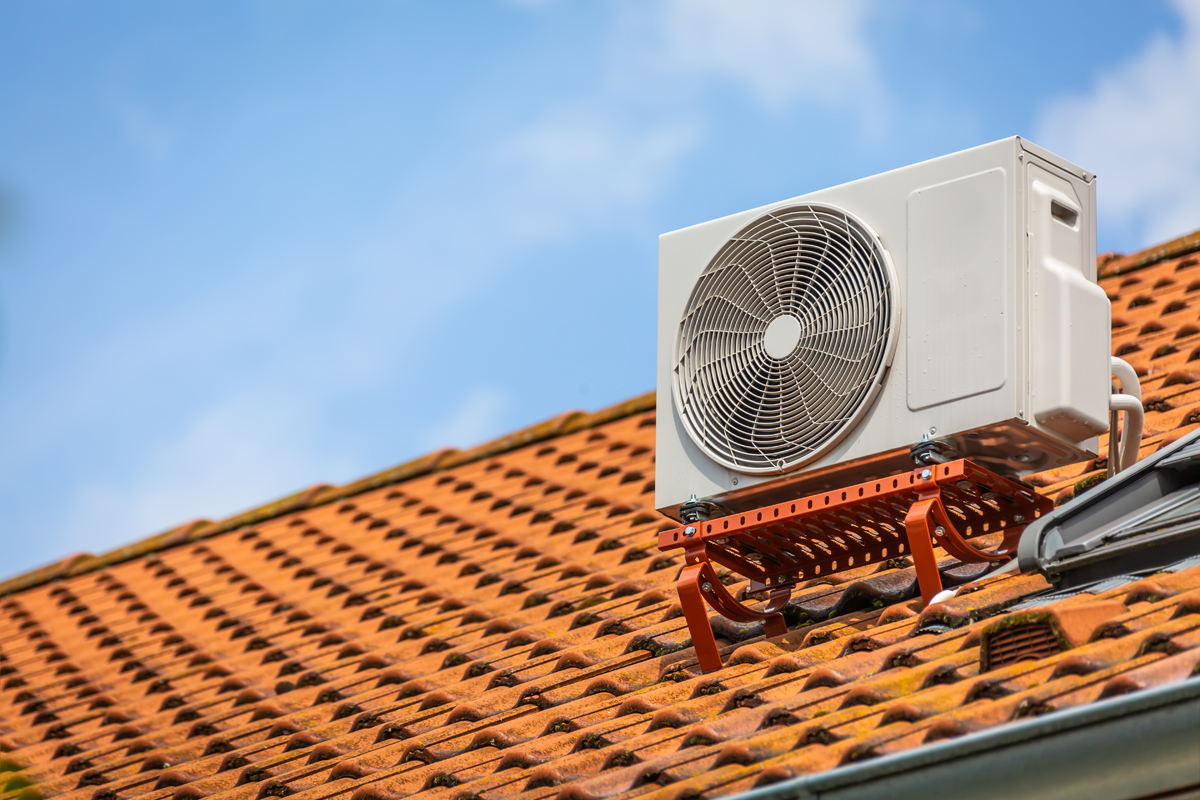
If you have ever driven through Phoenix, Tucson, or Scottsdale, you have likely noticed a distinct feature of the local architecture: large, boxy air conditioning units perched atop flat roofs. It is a sight that often confuses visitors from cooler climates. You might find yourself asking, why are the AC units on the roof in Arizona? The answer lies in a combination of extreme climate challenges, building codes, and practical engineering solutions designed specifically for the desert environment.
In this guide, we will break down the logic behind rooftop HVAC systems, explore their benefits and drawbacks, and help you understand whether this setup is right for your home or business. Whether you are a new homeowner, a facility manager, or just curious about desert infrastructure, this article provides the clarity you need.
Space Efficiency in Dense Urban Areas
One of the primary reasons for placing AC units on roofs in Arizona is simply a matter of real estate. In cities like Phoenix, land is valuable, and lot sizes can be relatively small compared to the size of the buildings constructed on them.
Maximizing Ground-Level Usability
By moving the HVAC equipment to the roof, property owners free up crucial ground-level space. This area can then be used for:
- Landscaping and xeriscaping (water-efficient gardening).
- Patios, pools, and outdoor entertainment areas.
- Parking spaces, which are at a premium in commercial districts.
For commercial buildings, such as strip malls and office complexes, ground space is often fully utilized by storefronts and walkways. There is literally no room left for a traditional ground-mounted condenser unit. The roof becomes the only viable option for housing the necessary mechanical equipment without encroaching on customer or employee space.
Protection from Flash Floods and Debris
Arizona’s weather is characterized by intense heat, but it also brings monsoon seasons with sudden, heavy rainfall. These storms can lead to rapid flash flooding, particularly in low-lying areas or neighborhoods with poor drainage.
Avoiding Water Damage
Ground-level AC units are vulnerable to water damage during these flash floods. If a unit is submerged, even briefly, it can suffer catastrophic electrical failure and corrosion. By elevating the units to the roof:
- Flood Risk is Eliminated: Rooftops are naturally above flood levels.
- Debris Reduction: During windstorms, ground-level units can accumulate dirt, sand, and vegetation debris quickly. While roofs are not immune to dust, they are generally less prone to the immediate burial that ground units face in sandy environments.
This elevation acts as a protective measure, ensuring that the cooling system remains operational even when the streets below are temporarily underwater.
Enhanced Airflow and Heat Dissipation
Air conditioners work by removing heat from inside your building and releasing it outside. For this process to be efficient, the hot air needs to dissipate quickly. In Arizona, where ambient temperatures can exceed 110°F (43°C), this is a significant challenge.
The Physics of Hot Air
Hot air rises. When an AC unit is placed on the ground, especially if it is surrounded by walls, fences, or other structures, the hot exhaust air can get trapped. This creates a “heat island” effect around the unit, forcing it to work harder to push out more heat.
On a rooftop, however, there is usually unobstructed airflow. The wind speeds are generally higher at elevated positions, which helps carry away the hot exhaust air more efficiently. This natural ventilation allows the condenser coils to cool down faster, improving the overall efficiency of the system.
Expert Insight: According to principles of thermodynamics, the rate of heat transfer is proportional to the temperature difference and the surface area exposed to cooling media (air). Better airflow means better heat rejection. For more on the basic science of heat transfer, you can refer to Wikipedia’s article on Heat Transfer.
Noise Reduction for Indoor Comfort
Nobody wants to listen to the hum of a compressor while trying to sleep or conduct business. Ground-level AC units can be noisy, and sound travels easily across flat, hard surfaces like concrete patios or asphalt driveways.
Creating a Quieter Environment
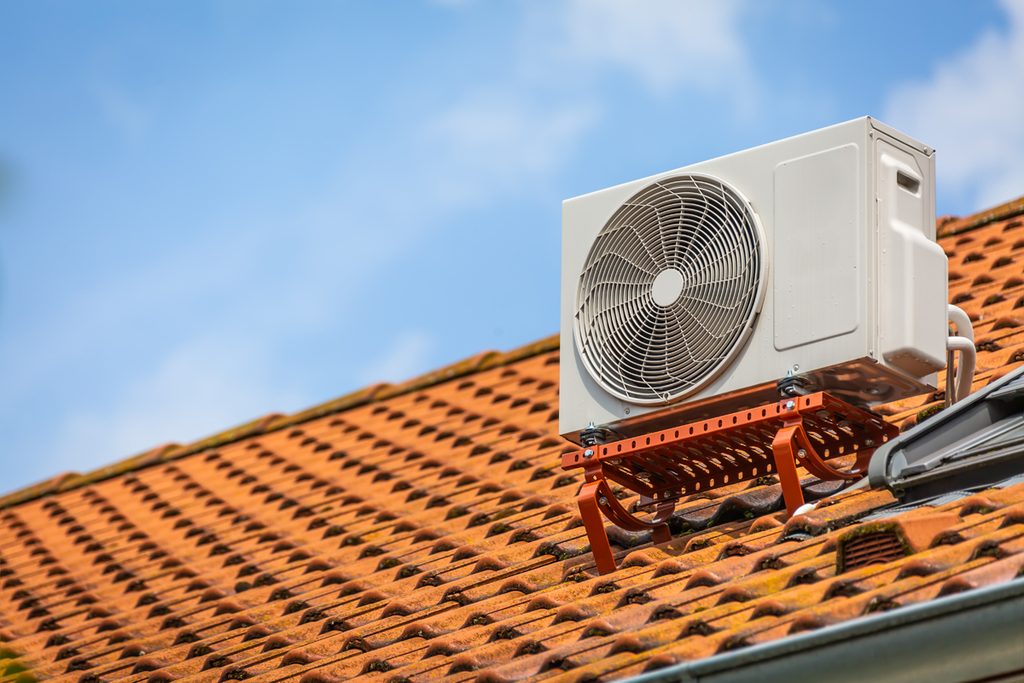
Placing the unit on the roof adds vertical distance between the noise source and the living or working spaces. Additionally, the structure of the building itself can act as a sound barrier. While rooftop units are not silent, the noise is often less intrusive to occupants than a unit sitting right next to a bedroom window or office door.
For commercial buildings, this is crucial for maintaining a professional atmosphere. For residential homes, it contributes to a peaceful indoor environment, which is essential for comfort during the long, hot nights of an Arizona summer.
Ease of Maintenance and Security
While it might seem counterintuitive, rooftop units can sometimes be easier to maintain and secure than ground-level ones.
Accessibility for Technicians
HVAC technicians in Arizona are accustomed to working on roofs. Most commercial buildings and many modern homes have safe access points, such as ladders or stairwells. This keeps the maintenance activity away from high-traffic pedestrian areas, reducing liability risks for business owners.
Vandalism and Theft Prevention
Unfortunately, copper theft is a real issue in many parts of the United States, including Arizona. Ground-level AC units are easy targets for thieves looking to steal copper wiring and components. Rooftop units are significantly harder to access illegally, providing a natural layer of security against vandalism and theft.
Comparison: Rooftop vs. Ground-Mounted AC in Arizona
To help you visualize the differences, here is a quick comparison table:
| Feature | Rooftop AC Units | Ground-Mounted AC Units |
|---|---|---|
| Space Usage | Saves ground space | Requires yard/patio space |
| Flood Risk | Very Low | High during monsoons |
| Noise Level | Lower impact indoors | Higher potential for disturbance |
| Maintenance Access | Requires roof access | Easy ground access |
| Security | High (hard to reach) | Low (vulnerable to theft) |
| Installation Cost | Higher (structural support needed) | Lower (standard pad installation) |
Important Considerations and Challenges
While there are clear benefits, rooftop AC units are not without their challenges. It is important to be aware of these factors.
Structural Integrity
Not all roofs can support the weight of an AC unit. Before installation, a structural engineer must verify that the roof can handle the load. This is especially true for older buildings. Reinforcing the roof can add to the initial installation cost.
Heat Exposure
While airflow is better, the unit is also exposed to direct sunlight for longer periods without shade. This can cause the exterior casing to degrade faster over time. Regular maintenance, including cleaning coils and checking refrigerant levels, is critical to ensure longevity.
Leak Risks
Any penetration of the roof membrane carries a risk of leaks. Proper flashing and sealing are essential during installation. Homeowners should inspect their roof regularly, especially after heavy monsoon rains, to ensure that the seals around the AC unit remain intact.
FAQ Section
1. Is it more expensive to install AC on the roof?
Generally, yes. The initial installation cost is higher due to the need for structural reinforcement, specialized lifting equipment, and complex ductwork routing. However, the long-term benefits in space saving and security can offset this cost.
2. Do rooftop AC units last longer in Arizona?
They can, provided they are well-maintained. Because they are less prone to flood damage and vandalism, they may avoid certain types of premature failure. However, constant exposure to UV rays and extreme heat can wear out external components faster, so regular servicing is key.
3. Can I put my residential AC on the roof?
Yes, many modern homes in Arizona, particularly those with flat or low-slope roofs, are designed for rooftop units. However, you must consult with an HVAC professional and a structural engineer to ensure your home can support the weight and that local zoning laws permit it.
4. How do I clean a rooftop AC unit?
Cleaning a rooftop unit requires safety precautions. It is recommended to hire a professional HVAC technician. They will use specialized tools to clean the coils, check the refrigerant, and inspect the electrical connections. DIY cleaning is risky due to the height and electrical hazards.
5. What happens if my rooftop AC breaks down during a heatwave?
Given the extreme heat in Arizona, a broken AC is an emergency. Most reputable HVAC companies in Arizona offer 24/7 emergency services. It is advisable to have a maintenance contract with a local provider to prioritize your service calls during peak summer months.
Conclusion
So, why are the AC units on the roof in Arizona? The answer is a smart adaptation to a harsh environment. By moving these vital systems upstairs, Arizonans maximize space, protect their equipment from floods and thieves, reduce noise pollution, and improve airflow efficiency. While there are upfront costs and maintenance considerations, the benefits clearly outweigh the drawbacks for many residential and commercial properties in the Valley of the Sun.
Understanding your HVAC system is the first step toward keeping your home comfortable and energy-efficient. If you found this guide helpful, please share it with your friends and neighbors on social media. Stay cool, Arizona!
Leave a Reply