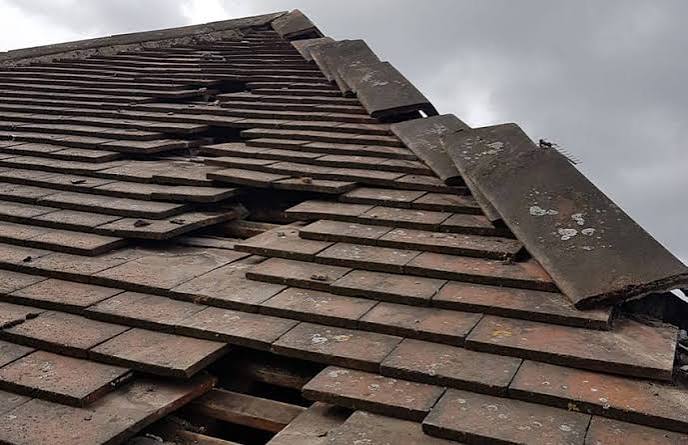
Hearing the distinct crash of ceramic or concrete hitting your driveway is never a pleasant sound. It triggers an immediate spike in anxiety, not just because of the mess, but because you know your home’s primary defense against the elements has been compromised. If you are wondering what to do if a tile falls off the roof, you are likely worried about potential leaks, structural integrity, and the cost of repairs.
Take a deep breath. While a missing tile is certainly an issue that needs attention, it is rarely a catastrophic emergency if handled correctly and promptly. This guide will walk you through the immediate safety protocols, temporary mitigation strategies, and long-term repair solutions to keep your home dry and secure.
Immediate Safety Steps: Secure the Area First
Before you even look up at the roof, your priority must be the safety of your family, pets, and neighbors. A falling tile indicates that other tiles may be loose or that the underlying structure has shifted.
1. Cordon Off the Danger Zone
Debris from a fallen tile can scatter significantly upon impact. Sharp shards of clay or concrete can cause serious injury.
- Clear the area: Immediately remove children and pets from the vicinity of where the tile landed.
- Mark the spot: Use caution tape, cones, or even a simple chair to block off the area until you can clean it up safely.
- Wear protection: When cleaning up the broken pieces, wear heavy-duty gloves and closed-toe shoes. Eye protection is also recommended to prevent dust or small fragments from entering your eyes.
2. Assess for Secondary Hazards
Did the tile hit a window? A car? A gas line? Check for collateral damage. If the tile fell due to high winds or a storm, check for other loose branches or debris hanging precariously above your roofline.
Expert Insight: According to general safety guidelines outlined by organizations like OSHA, working at heights requires proper fall protection. Never attempt to climb onto a steep or wet roof without professional training and equipment.
Inspecting the Damage: What to Look For
Once the immediate area is safe, you need to understand the scope of the problem. You do not need to climb onto the roof to perform a preliminary inspection. In fact, doing so might void your homeowner’s insurance policy or put you at risk.
Use Binoculars for a Ground-Level Check
From a safe distance, use binoculars to examine the area where the tile is missing. Look for:
- Exposed Underlayment: Is the black waterproof barrier visible? If yes, this is urgent.
- Loose Neighboring Tiles: Are adjacent tiles shifting, cracked, or lifting? Wind uplift often affects multiple tiles, not just one.
- Flashing Integrity: Check the metal flashing around chimneys or vents near the missing tile. Is it bent or corroded?
Check Your Attic Interior
Go into your attic during daylight hours. Look for beams of light shining through the roof deck. If you see light, you have a hole. Even if you don’t see light, look for water stains, damp insulation, or mold growth on the underside of the roof sheathing. These are signs that water has already begun to infiltrate.
Temporary Fixes: Stop the Leak Until Help Arrives
If rain is in the forecast and you cannot get a professional roofer out immediately, you need to apply a temporary patch. Note: These are short-term solutions only. They are not substitutes for proper repair.
Option 1: Tarping (For Large Exposures)
If a significant section of tiles is missing or the underlayment is torn:
- Purchase a heavy-duty, UV-resistant tarp.
- Extend the tarp over the damaged area, ensuring it covers at least 4 feet beyond the damage on all sides.
- Secure the tarp using wooden battens (1×2 or 2×4 strips) nailed into the roof rafters, not just the shingles or tiles. Nailing into tiles will crack them further.
- Ensure the tarp slopes downward to allow water runoff.
Option 2: Roofing Cement and Mesh (For Small Gaps)
If only one tile is missing and the underlayment is intact but exposed:
- Clean the area of any debris or moss.
- Apply a thick layer of roofing cement (plastic asphalt) over the exposed underlayment.
- Embed a piece of fiberglass mesh into the cement for added strength.
- Cover with another layer of cement.
- Warning: Do not walk on the roof to do this unless you have proper fall arrest gear. Use a long-handled trowel from a ladder if possible.
Permanent Repair: DIY vs. Professional Help
Deciding whether to fix the tile yourself or hire a pro depends on three factors: roof pitch, tile type, and your comfort level with heights.
Comparison: DIY Repair vs. Hiring a Pro
| Feature | DIY Repair | Professional Repair |
|---|---|---|
| Cost | Low ($20–$50 for materials) | Higher ($300–$800+ depending on access) |
| Safety Risk | High (Fall hazard) | Low (Insured & trained) |
| Warranty | None | Usually includes labor warranty |
| Time | Variable (Learning curve) | Fast (Often same-day service) |
| Best For | Single story, low pitch, accessible | Multi-story, steep pitch, complex roofs |
How to Replace a Single Tile (If You Choose DIY)
If you have a single-story home with a low-pitch roof and feel confident, here is the step-by-step process:
- Gather Materials: You will need a replacement tile (match the profile exactly), roofing nails, and a pry bar.
- Access Safely: Use a sturdy extension ladder secured at the base. Have a spotter hold the ladder.
- Remove Debris: Clear any broken fragments from the batten (the wood strip the tiles rest on).
- Slide the New Tile: Most interlocking tiles slide into place from below. Lift the neighboring tiles slightly using a wooden wedge to create space.
- Secure the Tile: Once slid into position, ensure it locks with adjacent tiles. Some systems require a nail or clip; others rely on gravity and interlocking shapes.
- Seal if Necessary: Apply a small dab of roofing sealant under the overlapping edge if the fit feels loose.
Critical Note: If your roof uses mortar-bedded tiles (common in older Mediterranean-style homes), DIY repair is nearly impossible without specialized skills. Mortar must be mixed to specific consistency and applied correctly to prevent water pooling.
Why Did the Tile Fall? Preventing Future Issues
Understanding the root cause helps prevent recurrence. Common causes include:
- Wind Uplift: High winds can get under tiles and lift them. This is often exacerbated if the original installer did not use enough clips or nails.
- Foot Traffic: Walking on tile roofs without proper technique can crack the locking mechanisms. Always step on the lower third of the tile where it overlaps the batten.
- Degraded Underlayment: If the felt paper beneath the tiles is old (15+ years), it may become brittle and tear, causing tiles to shift.
- Tree Damage: Overhanging branches can scrape against tiles during wind storms, gradually loosening them.
To prevent future issues, schedule a professional roof inspection every 2–3 years. Trim tree branches that hang within 10 feet of your roofline.
Frequently Asked Questions (FAQ)
1. Is it dangerous to leave a missing roof tile unrepaired?
Yes. While one missing tile might not cause an immediate leak if the underlayment is new, it exposes the waterproof barrier to UV rays, which degrades it rapidly. Furthermore, wind can lift adjacent tiles, creating a larger breach. Water intrusion can lead to mold, rot, and structural damage within weeks.
2. Can I use regular glue to stick the tile back on?
No. Standard household adhesives cannot withstand the extreme temperature fluctuations, moisture, and UV exposure of a roof. You must use roofing-specific cement or mechanical fasteners (nails/clips) designed for exterior masonry or clay products.
3. Will my homeowner’s insurance cover a fallen tile?
It depends on the cause. If the tile fell due to a “covered peril” like a hailstorm, hurricane, or falling tree branch, it is likely covered. However, if it fell due to lack of maintenance, age, or wear and tear, insurance typically denies the claim. Review your policy or contact your agent for specifics.
4. How much does it cost to replace a single roof tile?
The material cost for a single tile is low, often between $5 and $15. However, most roofing companies have a minimum service charge for coming out, which can range from $250 to $500. This covers labor, travel, and safety setup. Buying a single tile online is cheap, but hiring a pro to install it safely is the bulk of the expense.
5. What should I do if I can’t find a matching tile?
If your roof is older, the exact tile profile may be discontinued. In this case, a professional roofer can often harvest a tile from an inconspicuous area of the roof (like behind a chimney) to replace the visible missing one, and then patch the hidden area with a close match or metal flashing.
Conclusion
Knowing what to do if a tile falls off the roof can save you from minor annoyance turning into major water damage. The key is to act quickly but safely. Secure the area, assess the damage from the ground, and apply a temporary fix if rain is imminent. While DIY repairs are possible for low-risk scenarios, hiring a licensed professional ensures the job is done correctly and safely, preserving your home’s integrity and your peace of mind.
Don’t let a small gap become a big problem. If you found this guide helpful, please share it with your neighbors on social media—they might need this advice sooner than they think!
Leave a Reply