Have you ever taken a bite of hot pizza or a sip of scalding coffee, only to feel a sharp, lingering sting every time you swallow? It is a frustrating and uncomfortable sensation that can make even drinking water feel like a chore. If you are currently thinking, “The roof of my mouth is sore when I swallow,” you are not alone, and there are clear, medical reasons behind this discomfort.
In this guide, we will explore why this happens, how to treat it at home, and when it is time to seek professional medical advice. We aim to provide you with actionable, empathetic advice to help you heal faster and eat comfortably again.
Why Does the Roof of My Mouth Hurt When I Swallow?
The roof of your mouth, medically known as the palate, is covered in delicate mucous membranes. These tissues are highly sensitive to temperature, texture, and infection. When you experience pain specifically during swallowing, it is often because the act of swallowing creates friction or pressure against an already inflamed area.
Understanding the root cause is the first step toward relief. Here are the most common culprits:
1. Thermal Burns (Pizza Palate)
This is the most frequent cause. The hard palate has less protective tissue than other parts of the mouth. Consuming food or drinks above 60°C (140°F) can cause first-degree burns.
- Symptoms: Redness, blistering, and raw sensitivity.
- Healing Time: Typically 3–7 days.
2. Abrasive Food Trauma
Hard foods like tortilla chips, crusty bread, or hard candies can scratch the soft tissue. Unlike a burn, this is a mechanical injury.
- Symptoms: A localized scratch or cut that stings when saliva or food passes over it.
3. Oral Infections
Viral or fungal infections can cause widespread inflammation.
- Cold Sores (Herpes Simplex): Can appear on the hard palate, causing painful blisters.
- Thrush (Candidiasis): A yeast infection that creates white patches and soreness, often exacerbated by swallowing.
4. Allergic Reactions
Oral Allergy Syndrome (OAS) can cause itching and swelling in the mouth after eating certain raw fruits or vegetables. This inflammation can make swallowing painful.
Immediate Home Remedies for Relief
If the roof of my mouth is sore when I swallow, you do not always need prescription medication. Most minor cases resolve with consistent home care. Here is a step-by-step protocol to reduce pain and accelerate healing.
Step 1: Cool Down the Area
Heat increases inflammation. Switch to cold or room-temperature foods.
- Action: Suck on ice chips or eat plain yogurt.
- Avoid: Hot soups, coffee, or spicy dishes for at least 48 hours.
Step 2: Salt Water Rinses
Salt water is a natural disinfectant and helps reduce swelling.
- Recipe: Mix 1/2 teaspoon of salt into 240 ml (8 ounces) of warm water. Ensure the water is lukewarm, not hot.
- Method: Swish gently for 30 seconds, then spit out. Repeat 3–4 times a day.
Step 3: Hydration is Key
A dry mouth exacerbates pain. Saliva acts as a natural lubricant and healing agent.
- Target: Drink at least 2 liters of water daily.
- Tip: Use a straw to bypass the roof of your mouth if direct contact is too painful.
Step 4: Over-the-Counter Pain Relief
If the pain is interfering with your ability to eat, consider topical anesthetics.
- Options: Gels containing benzocaine can numb the area temporarily. Always follow the package instructions.
| Remedy Type | Best For | Frequency |
|---|---|---|
| Ice Chips | Immediate numbing | As needed |
| Salt Water Rinse | Cleaning & Healing | 3-4 times/day |
| Honey | Coating & Soothing | 2-3 times/day |
| OTC Gel | Severe Pain | Max 4 times/day |
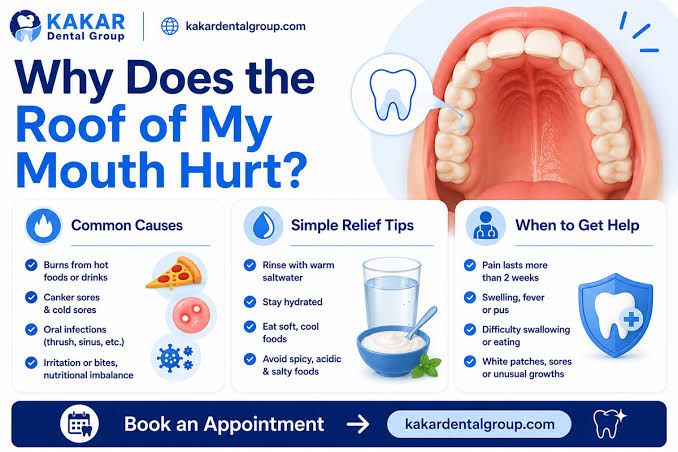
When Should You See a Doctor?
While most cases of a sore palate are benign and self-limiting, some symptoms indicate a more serious underlying issue. According to general medical guidelines, you should consult a healthcare provider if:
- The pain persists for more than 10 days. Most minor burns and scratches heal within a week.
- You have difficulty breathing or swallowing liquids. This could indicate severe swelling or an allergic reaction.
- You notice white patches that bleed when scraped. This may be oral thrush, which requires antifungal medication.
- You have a high fever. This suggests a systemic infection rather than a local injury.
For more detailed information on oral conditions, you can refer to reputable sources like Wikipedia’s page on Oral Mucosa to understand the anatomy involved.
People Also Ask: Common Questions Answered
Can stress cause the roof of my mouth to be sore?
Indirectly, yes. Stress weakens the immune system, making you more susceptible to cold sores or canker sores. Additionally, stress can lead to unconscious habits like pressing your tongue against the roof of your mouth, causing irritation.
Is it safe to pop a blister on the roof of my mouth?
No. Popping a blister introduces bacteria and increases the risk of infection. It also delays healing. Let the blister rupture naturally or absorb back into the tissue.
Why does it hurt more in the morning?
During sleep, saliva production decreases, leading to a drier mouth. If you breathe through your mouth while sleeping, the delicate tissues on the palate can become dry and cracked, making them more sensitive when you swallow upon waking.
Can acid reflux cause palate soreness?
Yes. Gastroesophageal Reflux Disease (GERD) can bring stomach acid up into the throat and mouth. This acid can irritate the soft palate, causing a burning sensation that worsens when swallowing.
What foods should I avoid while healing?
Avoid the “Three H’s”:
- Hot: Temperature-wise.
- Hard: Crunchy textures like nuts or chips.
- Highly Acidic: Citrus fruits, tomatoes, and vinegar-based dressings.
Preventing Future Palate Pain
Prevention is always better than cure. Once your mouth has healed, consider these lifestyle adjustments to protect your palate:
- Test Temperature First: Always blow on hot beverages or take a small test sip before consuming fully.
- Chew Thoroughly: Ensure hard foods are broken down before they reach the back of your mouth.
- Stay Hydrated: Keep your oral tissues moist to maintain their elasticity and resistance to injury.
- Manage Allergies: If you suspect Oral Allergy Syndrome, keep a food diary to identify triggers and cook fruits/vegetables to break down the allergenic proteins.
Conclusion
Dealing with a sore palate can be incredibly annoying, but understanding why the roof of my mouth is sore when I swallow empowers you to take the right steps for relief. In most cases, simple home remedies like salt water rinses, cold compresses, and dietary adjustments will resolve the issue within a week.
Remember, your mouth is a resilient part of your body, but it requires gentle care when injured. Listen to your body, avoid irritants, and stay hydrated.
Did you find this guide helpful? Share this article with friends or family who might be suffering from similar discomfort. Spreading awareness about simple oral care tips can help others find relief faster. Don’t forget to leave a comment below if you have any other questions or personal remedies that worked for you!
Leave a Reply