Blog

  • What Does a Normal Roof of the Mouth Look Like?

    What Does a Normal Roof of the Mouth Look Like?

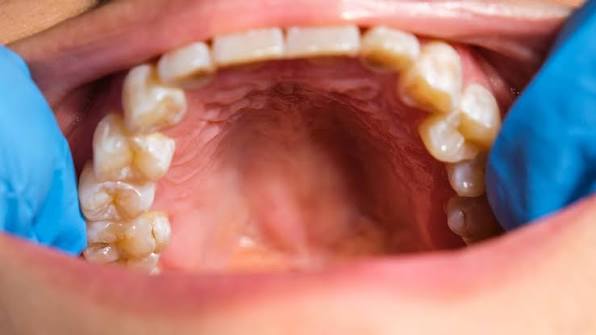
    Have you ever run your tongue along the top of your mouth and wondered if what you’re feeling is actually normal? It is a common concern, especially when you notice a new bump, ridge, or change in texture that wasn’t there before. Understanding what does a normal roof of the mouth look like can help alleviate unnecessary anxiety and empower you to detect genuine issues early.

    The roof of your mouth, medically known as the palate, is a complex structure that plays a vital role in eating, speaking, and breathing. While it may seem like a simple surface, it has distinct anatomical features that vary slightly from person to person. In this guide, we will break down the anatomy of a healthy palate, distinguish between normal variations and potential problems, and provide expert insights on maintaining optimal oral health.

    The Anatomy of a Healthy Palate

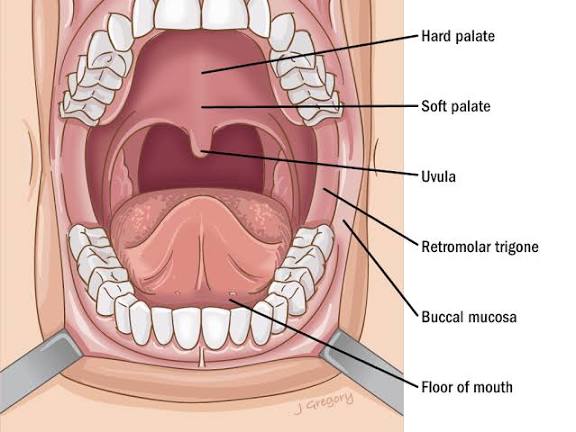
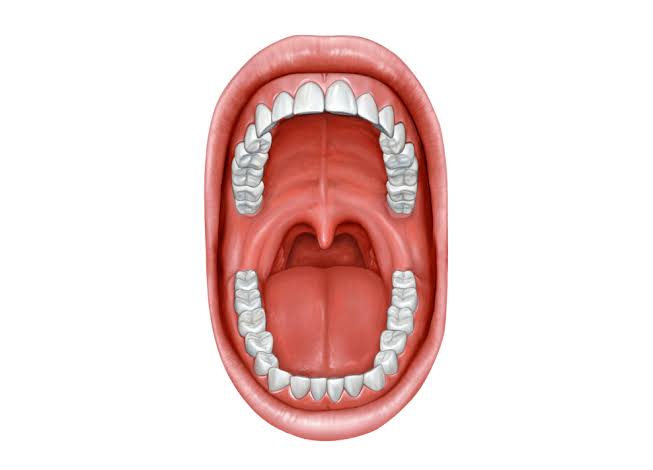
    To understand what is normal, we first need to look at the structure. The roof of the mouth is divided into two main sections: the hard palate and the soft palate. Each has a unique appearance and function.

    The Hard Palate: The Front Section

    The hard palate makes up the front two-thirds of the roof of your mouth. If you run your tongue from your front teeth backward, you will feel a bony, rigid surface. This is the hard palate.

    • Color: A healthy hard palate is typically pale pink or coral pink. It may appear slightly lighter than the gums surrounding your teeth.
    • Texture: It is not perfectly smooth. You will likely feel transverse ridges known as palatine rugae. These are normal folds of tissue that help grip food while chewing.
    • Midline Ridge: Many people have a slight raised ridge running down the center of the hard palate. This is called the median palatine raphe. It is a normal anatomical feature where the two halves of the palate fused during development.

    The Soft Palate: The Back Section

    Moving further back, past the hard bone, you enter the soft palate. This area is muscular and flexible, allowing it to move during swallowing and speech.

    • Color: The soft palate is usually a deeper pink or reddish-pink compared to the hard palate. It is more vascular (has more blood vessels), which contributes to this color difference.
    • Texture: It feels smooth and soft to the touch, lacking the bony rigidity and rugae of the front section.
    • The Uvula: Hanging down from the center of the soft palate is the uvula, that small, fleshy teardrop-shaped piece of tissue. Its presence and size vary among individuals, but it should be symmetrical and match the color of the surrounding soft palate.

    Common Variations That Are Still Normal

    One of the most frequent questions patients ask dentists is about lumps or bumps. Before panicking, it is crucial to recognize that several “abnormalities” are actually benign, normal variations.

    Torus Palatinus

    A torus palatinus is a bony growth located on the midline of the hard palate. It feels like a hard, immovable lump under the skin.

    • Prevalence: It affects approximately 20-30% of the population.
    • Characteristics: It is harmless, grows very slowly over years, and requires no treatment unless it interferes with denture fitting.
    • Appearance: It looks like a smooth, rounded bump covered by normal pink mucosa.

    Geographic Tongue Extension

    While technically affecting the tongue, sometimes patterns of redness or white patches can appear near the posterior roof of the mouth due to adjacent inflammation. However, true geographic tongue is limited to the tongue’s surface. If you see map-like patterns strictly on the palate, it is likely something else and should be checked.

    Pigmentation

    Just like skin, the mucous membranes of the mouth can have pigmentation. Some individuals, particularly those with darker skin tones, may have natural melanin pigmentation on their palate. This appears as brownish or blackish flat spots and is entirely normal if it has been present for a long time without change.
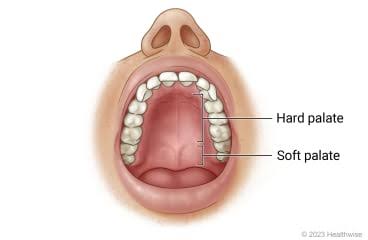
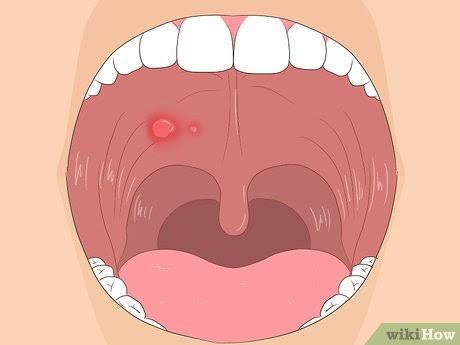
    What Does A Normal Roof Of The Mouth Look Like

    Red Flags: When to See a Dentist

    Knowing what does a normal roof of the mouth look like is equally important for identifying when something is wrong. While minor irritations from hot pizza or crunchy chips are common, certain signs warrant professional evaluation.

    FeatureNormal AppearancePotential Warning Sign
    ColorPale pink to coral pinkWhite patches (leukoplakia), bright red areas, or dark black/blue spots
    TextureSmooth or slight ridges (rugae)Rough, scaly, or cauliflower-like textures
    SensationNo pain or mild sensitivityPersistent pain, numbness, or bleeding without injury
    LumpsHard, midline bony growth (Torus)Soft, growing lumps, or ulcers that do not heal in 2 weeks

    Persistent Sores

    If you have a sore or ulcer on the roof of your mouth that does not heal within two weeks, it is a primary indicator to see a healthcare provider. While most mouth sores are aphthous ulcers (canker sores) caused by stress or minor trauma, persistent non-healing lesions can be a sign of oral cancer or other systemic conditions.

    White Patches

    White patches that cannot be wiped away may indicate leukoplakia, a condition often linked to tobacco use or chronic irritation. Another possibility is oral thrush (candidiasis), a fungal infection that presents as creamy white lesions. Unlike leukoplakia, thrush can often be scraped off, leaving a red, raw area underneath.

    How to Maintain a Healthy Palate

    Maintaining the health of your palate involves more than just brushing your teeth. Here are actionable steps to ensure your oral cavity remains in top condition.

    1. Practice Gentle Hygiene: When brushing, gently clean the roof of your mouth to remove bacteria and food debris. Use a soft-bristled toothbrush to avoid abrading the delicate tissue of the soft palate.
    2. Stay Hydrated: Saliva is essential for protecting the oral mucosa. Dry mouth (xerostomia) can make the palate more susceptible to infection and irritation. Aim to drink at least 2 liters of water daily.
    3. Avoid Extreme Temperatures: Frequently consuming scalding hot foods or beverages can cause thermal burns, leading to blistering or sloughing of the tissue on the hard palate. Let your coffee cool for a few minutes before sipping.
    4. Limit Irritants: Tobacco and excessive alcohol consumption are significant risk factors for oral cancers and mucosal diseases. Quitting smoking can significantly improve the color and health of your palate within weeks.
    5. Regular Dental Check-ups: Your dentist examines your entire oral cavity, including the roof of your mouth, during routine cleanings. These visits are crucial for early detection of any changes.

    For more detailed information on oral anatomy and related conditions, you can refer to the comprehensive overview provided by Wikipedia on the Human Palate.

    FAQ Section

    1. Why is my roof of the mouth white?

    A white roof of the mouth can be caused by several factors. The most common is a thermal burn from hot food, which causes the top layer of skin to peel and turn white. Other causes include oral thrush (a yeast infection), leukoplakia (thickened white patches), or simply dehydration. If the whiteness persists for more than a week or is accompanied by pain, consult a dentist.

    2. Is it normal to have bumps on the roof of my mouth?

    Yes, small bumps are often normal. The palatine rugae are natural ridges on the hard palate. Additionally, a torus palatinus is a common, harmless bony growth in the center of the palate. However, if new bumps appear suddenly, are painful, bleed, or grow rapidly, they should be evaluated by a professional.

    3. What does an infected roof of the mouth look like?

    An infected palate may appear bright red, swollen, and inflamed. If it is a bacterial or fungal infection like thrush, you might see white, cottage-cheese-like patches. Viral infections, such as herpes simplex, may present as clusters of small, fluid-filled blisters that eventually burst and form ulcers.

    4. Can stress affect the roof of my mouth?

    Indirectly, yes. Stress can weaken your immune system, making you more susceptible to canker sores (aphthous ulcers) or cold sores. Stress can also lead to behaviors like teeth grinding or poor dietary choices, which may irritate the oral tissues.

    5. How long does it take for a burned roof of the mouth to heal?

    Minor thermal burns on the roof of the mouth typically heal within 3 to 7 days. The mouth has a rich blood supply, which promotes rapid healing. During this time, avoid spicy, acidic, or crunchy foods that could further irritate the area.

    Conclusion

    Understanding what does a normal roof of the mouth look like is a fundamental part of taking charge of your oral health. A healthy palate is generally pink, smooth or slightly ridged, and free of persistent pain or unusual lumps. While variations like torus palatinus or minor pigmentation are common and benign, being aware of red flags such as non-healing sores or unexplained white patches is crucial for early intervention.

    By maintaining good oral hygiene, staying hydrated, and visiting your dentist regularly, you can ensure that your palate remains healthy. If you notice any persistent changes, do not hesitate to seek professional advice.

    Found this guide helpful? Share it with your friends and family on social media to help them better understand their oral health!
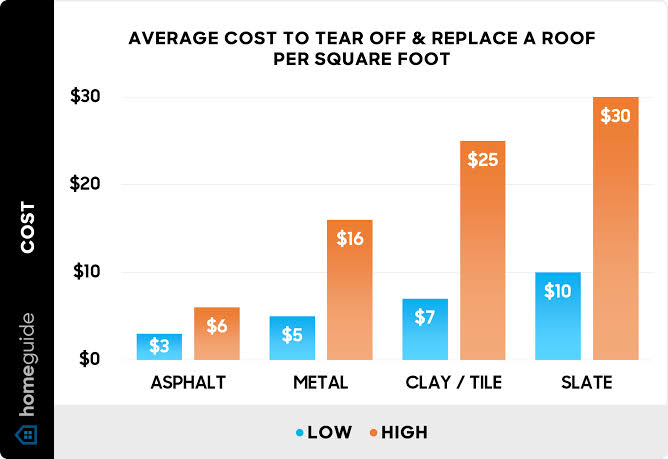
  • How Much Does It Cost To Re Roof A House?

    How Much Does It Cost To Re Roof A House?

    Replacing a roof is one of the most significant home improvement investments you will ever make. It protects your family, enhances curb appeal, and ensures structural integrity. If you are asking, “How much does it cost to re roof a house,“ you are likely looking for clarity amidst confusing quotes and varying material prices. This guide breaks down the costs transparently so you can plan with confidence.

    Understanding the Average Cost to Replace a Roof

    The short answer is that the national average cost to replace a roof in the United States typically ranges between $8,500 and $14,500. However, this figure can swing dramatically based on several variables. For a standard 2,000-square-foot home, most homeowners spend around $11,000 for a complete tear-off and replacement using mid-range asphalt shingles.

    It is crucial to understand that roofing costs are not one-size-fits-all. Prices have fluctuated in recent years due to supply chain adjustments and labor shortages. According to industry data from late 2025 and early 2026, material costs have stabilized, but skilled labor remains at a premium. Therefore, getting multiple quotes is essential to ensure you are paying a fair market rate for your specific region.

    Key Factors Influencing Your Total Bill

    Several components drive the final price tag. Here is what contractors look at when estimating your project:

    • Roof Size and Pitch: Measured in “squares” (100 square feet). Steeper roofs require more safety equipment and time, increasing labor costs by 20–40%.
    • Material Choice: Asphalt shingles are the most affordable, while slate, tile, or metal can cost three to five times more.
    • Complexity: Chimneys, skylights, valleys, and multiple stories add complexity and time.
    • Location: Labor rates in urban areas like New York or San Francisco are significantly higher than in rural Midwest regions.
    • Existing Roof Removal: Removing old layers (tear-off) adds to the disposal and labor fees. Most codes allow up to two layers, but a full tear-off is recommended for longevity.

    Breakdown by Roofing Material

    Choosing the right material is the biggest decision affecting your budget. Below is a detailed comparison of popular roofing materials available in the US market in 2026.

    Material TypeAverage Cost per Square FootLifespanProsCons
    Asphalt Shingles$3.50 – $5.5015–30 YearsAffordable, easy to install, widely availableShorter lifespan, susceptible to wind damage
    Metal Roofing$7.50 – $14.0040–70 YearsDurable, energy-efficient, fire-resistantHigher upfront cost, noisy during rain
    Wood Shakes$6.00 – $9.0020–40 YearsNatural aesthetic, good insulationRequires maintenance, fire risk (unless treated)
    Clay/Concrete Tile$10.00 – $20.0050+ YearsExtremely durable, distinct lookVery heavy, requires reinforced framing
    Slate$15.00 – $30.00+75–100+ YearsPremium look, lasts a lifetimeExtremely expensive, fragile, heavy

    Note: Prices include both materials and professional installation.

    Why Asphalt Shingles Remain Popular

    Despite the rise of metal roofing, asphalt shingles still account for over 70% of residential roofs in the US. They offer the best balance of cost and performance for the average homeowner. Architectural shingles, a thicker variant of asphalt, provide a dimensional look and better durability for only a slight increase in price compared to basic 3-tab shingles.

    How Much Does It Cost To Re Roof A House

    Labor and Additional Costs to Consider

    When calculating how much does it cost to re roof a house, do not overlook the hidden or additional expenses. The material is only part of the equation.

    1. Tear-Off and Disposal

    Removing the old roof is labor-intensive. Expect to pay $1.00 to $5.00 per square foot for tear-off and disposal fees. This includes hauling away old shingles, nails, and underlayment. If your home has multiple layers of roofing, this cost will increase.

    2. Underlayment and Decking Repair

    Once the old roof is off, the contractor will inspect the wood decking. If there is rot or water damage, plywood replacement is necessary. This typically costs $70 to $100 per sheet of plywood. High-quality synthetic underlayment, which provides better moisture protection than traditional felt, may add $0.50 to $1.00 per square foot but is worth the investment for long-term protection.

    3. Permits and Inspections

    Most municipalities require a building permit for roof replacement. Permit fees vary by location but generally range from $150 to $500. This ensures the work meets local building codes and safety standards. You can read more about building code standards on Wikipedia.

    4. Flashing and Ventilation

    New flashing around chimneys, vents, and valleys is critical to prevent leaks. Upgrading to metal flashing instead of reusing old materials adds to the cost but prevents future water damage. Proper attic ventilation installation is also vital to extend the life of your new shingles.

    Step-by-Step Guide to Budgeting Your Roof Replacement

    To avoid surprises, follow this logical process when planning your budget:

    1. Measure Your Roof Area: While contractors do this professionally, you can estimate by measuring your home’s footprint and multiplying by a pitch factor (usually 1.2 to 1.5 for average slopes). Divide by 100 to get the number of “squares.”
    2. Choose Your Material: Decide between budget-friendly asphalt or long-term metal/slate based on how long you plan to stay in the home.
    3. Get Three Detailed Quotes: Ensure each quote includes tear-off, disposal, permits, and warranty details. Avoid vague estimates.
    4. Check for Insurance Coverage: If your roof was damaged by a storm (hail, wind), your homeowners insurance might cover part or all of the replacement. Review your policy deductible.
    5. Plan for Contingencies: Set aside an extra 10–15% of your budget for unexpected decking repairs or structural issues discovered during tear-off.

    Frequently Asked Questions (FAQ)

    1. Does homeowners insurance cover roof replacement?

    Insurance typically covers roof replacement if the damage is caused by a sudden, covered peril like a storm, hail, or falling tree. It generally does not cover wear and tear, age-related deterioration, or lack of maintenance. Always check your policy specifics and document damage with photos before filing a claim.

    2. How long does a roof replacement take?

    For an average-sized home (2,000 sq. ft.), a professional crew can complete a roof replacement in 1 to 3 days. Larger homes, complex designs, or bad weather can extend this timeline. Metal roofs or tile roofs may take longer due to the intricacy of installation.

    3. Is it cheaper to repair or replace a roof?

    If your roof is less than 10 years old and the damage is localized (e.g., a few missing shingles), repair is cost-effective. However, if the roof is nearing the end of its lifespan (20+ years for asphalt) or has widespread leaks, replacement is more economical in the long run. Constant repairs add up quickly and do not solve underlying aging issues.

    4. What is the best time of year to replace a roof?

    Late spring to early fall is the peak season for roofing due to favorable weather. However, scheduling during the off-season (late fall or winter) can sometimes yield lower prices as contractors look to fill their schedules. Just ensure the temperature is above freezing for proper shingle adhesion.

    5. Can I install a new roof over the old one?

    While technically possible in some jurisdictions, it is generally not recommended. Installing over old shingles traps heat and moisture, leading to premature decay of the new roof and the decking below. It also makes it difficult to inspect for existing damage. Most professional roofers insist on a full tear-off for quality assurance.

    Conclusion

    Understanding how much does it cost to re roof a house empowers you to make smart financial decisions. While the average cost hovers between $8,500 and $14,500, your specific price depends on materials, size, and local labor rates. Investing in quality materials and reputable labor pays off through increased home value and peace of mind.

    Don’t rush the process. Take the time to compare quotes, check references, and choose materials that fit your long-term goals. A new roof is a shield for your biggest asset—treat it with the care it deserves.

    Found this guide helpful? Share it with friends or family who are planning home improvements!

  • How to Get Rid of Bump on Roof of Mouth: Fast Relief

    How to Get Rid of Bump on Roof of Mouth: Fast Relief

    Finding a mysterious lump in your mouth can be alarming, especially when it interferes with eating or speaking. You are not alone; many people experience this common oral issue at some point in their lives. If you are wondering how to get rid of bump on roof of mouth, this guide provides safe, expert-backed strategies to help you find relief quickly and understand when professional care is needed.

    Understanding the Cause: Why Did This Bump Appear?

    Before diving into treatments, it is crucial to understand what you are dealing with. A bump on the roof of your mouth (the palate) is rarely a sign of a serious condition, but identifying the root cause helps determine the best course of action.

    The most common culprit is minor trauma. Did you recently eat something sharp, like tortilla chips or hard candy? Or perhaps you burned your mouth on hot pizza or coffee? These incidents can cause mucoceles (blocked salivary glands) or simple irritation blisters. Other causes include canker sores, viral infections like herpes simplex, or even allergic reactions to certain foods or toothpaste.

    According to general medical consensus, most oral lesions heal within 7 to 14 days without intervention. However, knowing the type of bump helps tailor your remedy. For a deeper understanding of oral mucosal conditions, you can refer to resources on Oral Mucosa to learn about the tissue structure involved.

    Immediate Home Remedies for Fast Relief

    If the bump is caused by minor trauma or irritation, you can often manage it at home. Here are proven methods to reduce swelling and pain.

    1. Salt Water Rinses

    This is the gold standard for oral hygiene issues. Salt water acts as a natural disinfectant and helps reduce inflammation.

    • Mix: 1 teaspoon of salt in 8 ounces (240 ml) of warm water.
    • Action: Swish gently around the affected area for 30 seconds.
    • Frequency: Repeat 3–4 times a day, especially after meals.

    2. Cold Compresses

    If the bump is swollen due to injury or heat, cold can numb the area and constrict blood vessels to reduce swelling.

    • Method: Suck on an ice chip or apply a cold compress to the outside of your cheek near the upper palate.
    • Duration: Apply for 10–15 minutes at a time.
    • Caution: Do not place ice directly on the bump for extended periods to avoid tissue damage.

    3. Honey Application

    Honey has natural antibacterial and anti-inflammatory properties. Medical-grade honey, in particular, has been shown to accelerate wound healing.

    • Apply: Dab a small amount of raw honey directly onto the bump.
    • Leave: Let it sit for 10–15 minutes before rinsing.
    • Note: Ensure you are not diabetic or allergic to bee products before trying this.

    When to Use Over-the-Counter Treatments

    Sometimes home remedies aren’t enough, especially if the pain is significant. Over-the-counter (OTC) options can provide targeted relief.

    Product TypeBest ForHow It Works
    Oral Gels (Benzocaine)Numbing painTemporarily blocks nerve signals in the area.
    Antiseptic MouthwashPreventing infectionKills bacteria that could worsen the irritation.
    Hydrogen Peroxide (Diluted)Cleaning woundsBubbling action helps remove debris and dead tissue.

    Important: Always follow the package instructions. Do not use benzocaine products for more than 7 days without consulting a dentist, as overuse can lead to tissue irritation.

    How To Get Rid Of Bump On Roof Of Mouth

    What Not to Do: Avoiding Further Irritation

    While trying to figure out how to get rid of bump on roof of mouth, many people inadvertently make the problem worse. Avoid these common mistakes:

    • Do Not Pop It: Never try to pop or squeeze the bump. This can introduce bacteria, leading to a serious infection or abscess.
    • Avoid Spicy and Acidic Foods: Citrus fruits, tomatoes, and hot peppers can sting and inflame the sensitive tissue.
    • Skip Crunchy Snacks: Hard foods like nuts, chips, or crusty bread can scrape the bump, delaying healing.
    • Stop Smoking or Vaping: Smoke irritates the oral mucosa and significantly slows down the healing process.

    Step-by-Step Guide to Monitoring Healing

    Healing takes time. Follow this timeline to monitor your progress:

    1. Days 1–3: Focus on pain management. Use salt water rinses and avoid irritating foods. The bump may look red or white.
    2. Days 4–7: Swelling should decrease. If it was a burn or bite, the tissue may start to peel or flake slightly. This is normal.
    3. Days 8–14: The bump should disappear completely. If it persists beyond two weeks, it is no longer considered a minor irritation.

    Red Flags: When to See a Doctor or Dentist

    While most bumps are harmless, some require professional attention. Seek immediate care if you experience:

    • Persistence: The bump does not go away after 2 weeks.
    • Growth: The lump gets larger or changes shape.
    • Bleeding: The bump bleeds easily without provocation.
    • Difficulty Swallowing: You have trouble eating or breathing.
    • Fever: You develop a fever or swollen lymph nodes in your neck.

    These symptoms could indicate a more serious condition, such as an oral infection, a blocked salivary gland requiring drainage, or, in rare cases, oral cancer. Early detection is key to successful treatment.

    FAQ Section

    1. Can stress cause a bump on the roof of my mouth?

    Yes, indirectly. Stress weakens the immune system, making you more susceptible to canker sores or viral outbreaks like cold sores, which can appear as bumps or blisters on the palate.

    2. Is a bump on the roof of the mouth contagious?

    It depends on the cause. Canker sores and trauma-induced bumps are not contagious. However, if the bump is caused by the herpes simplex virus (cold sores) or hand, foot, and mouth disease, it can be spread to others through direct contact.

    3. How long does a burned palate take to heal?

    A minor burn from hot food usually heals within 3 to 7 days. Deeper burns may take up to two weeks. Keeping the area clean with salt water rinses can speed up this process.

    4. Can allergies cause lumps in the mouth?

    Yes. Oral allergy syndrome or reactions to certain foods, medications, or dental materials can cause swelling or hives-like bumps on the roof of the mouth. If you suspect an allergy, identify and eliminate the trigger.

    5. Should I brush the bump?

    No. Brushing directly over a sensitive bump can cause pain and further irritation. Continue brushing your teeth gently, but avoid scrubbing the affected area on the palate.

    6. What is a torus palatinus?

    A torus palatinus is a bony growth on the roof of the mouth. It is hard, slow-growing, and usually harmless. Unlike soft tissue bumps, it will not go away with home remedies and typically requires no treatment unless it interferes with dentures.

    Conclusion

    Dealing with a bump on the roof of your mouth is uncomfortable, but in most cases, it is a temporary issue that resolves with simple care. By using salt water rinses, avoiding irritants, and monitoring your symptoms, you can effectively manage the discomfort. Remember, knowing how to get rid of bump on roof of mouth starts with patience and gentle hygiene.

    If the bump persists beyond two weeks or shows signs of infection, do not hesitate to consult a dental professional. Your oral health is a vital part of your overall well-being.

    Found this guide helpful? Share it with friends or family who might be dealing with similar oral discomfort. Stay healthy and keep smiling!

  • What Are The Ridges On The Roof Of Your Mouth?

    What Are The Ridges On The Roof Of Your Mouth?

    Have you ever run your tongue along the top of your mouth and felt those distinct, bumpy textures just behind your front teeth? It is a common curiosity, and many people worry that these bumps might be signs of an infection or abnormality. If you have found yourself asking, “What are the ridges on the roof of your mouth,” you are not alone. Understanding this unique part of your anatomy can help alleviate unnecessary anxiety and improve your overall oral hygiene routine.

    In this comprehensive guide, we will explore the science behind these ridges, their crucial role in how we eat and speak, and when you should actually be concerned about changes in your mouth’s texture.

    The Anatomical Name: Palatine Rugae

    The technical term for those ridges is palatine rugae (singular: rugae). These are irregular, transverse folds of tissue located on the anterior (front) portion of the hard palate. While they may feel rough or uneven to your tongue, they are a completely normal and essential part of human anatomy.

    Unlike the smooth surface of the cheeks or the floor of the mouth, the hard palate requires this textured surface to function correctly. According to anatomical studies, these ridges are formed during fetal development and remain relatively consistent throughout adulthood, although they can change slightly due to wear, age, or dental work.

    Why Do We Have Them?

    You might wonder why evolution decided to give us a bumpy roof of the mouth. The answer lies in functionality. The palatine rugae serve several critical purposes:

    1. Food Manipulation: They provide friction against the tongue, helping to hold food in place while chewing. This prevents slippery foods from sliding too far back into the throat before they are properly masticated.
    2. Speech Articulation: The ridges help the tongue create specific sounds. For example, when you pronounce “t,” “d,” “n,” or “l,” your tongue often touches or comes close to these ridges to shape the airflow.
    3. Sensory Feedback: The area is rich in nerve endings, providing sensory input that helps regulate chewing pressure and food texture perception.

    People Also Ask: Common Questions About Mouth Ridges

    To ensure we cover every aspect of your curiosity, let’s address the most frequent questions users ask search engines regarding this topic.

    Are the Ridges on Everyone’s Mouth the Same?

    No, two people do not have the exact same pattern of palatine rugae. Much like fingerprints, the arrangement, number, and shape of these ridges are unique to each individual.

    • Variability: Most adults have between 3 to 5 major transverse ridges.
    • Uniqueness: Forensic dentists have even studied rugae patterns for identification purposes because they are resistant to decomposition and fire damage, remaining stable after death.

    This uniqueness means that if you notice your ridges look different from a friend’s, it is perfectly normal. There is no “standard” look, only what is standard for you.

    Can the Ridges Change Over Time?

    While the basic pattern is established early in life, minor changes can occur. Here is a breakdown of factors that might alter the appearance or feel of your palatine rugae:

    FactorImpact on Palatine Rugae
    AgingTissue may thin slightly, making ridges less prominent.
    Dental AppliancesBraces or retainers can temporarily irritate or flatten ridges.
    TraumaBurning your mouth on hot pizza can cause swelling that obscures ridges.
    Weight Loss/GainSignificant changes in facial structure can subtly affect palate tension.

    If you notice sudden, drastic changes—such as a ridge disappearing, growing rapidly, or becoming painful—it is advisable to consult a dentist. However, gradual changes over decades are typically part of the natural aging process.

    Is It Normal for the Ridges to Feel Sore?

    Occasional soreness is common, but persistent pain is not. The tissue on the hard palate is tough, but it is not invincible. Common causes for temporary soreness include:

    • Thermal Burns: Eating food that is too hot (above 60°C/140°F) can scald the delicate mucosa covering the ridges.
    • Abrasion: Crunchy foods like tortilla chips or hard crusts can scratch the surface.
    • Allergic Reactions: Certain toothpastes or mouthwashes containing harsh alcohols or sodium lauryl sulfate may cause irritation.

    If the soreness persists for more than two weeks, it could indicate an underlying issue such as an oral infection, vitamin deficiency, or, in rare cases, oral pathology.

    What Are The Ridges On The Roof Of Your Mouth

    When to Be Concerned: Red Flags to Watch For

    While asking “what are the ridges on the roof of your mouth” usually leads to reassurance, it is vital to distinguish between normal anatomy and potential health issues. The American Dental Association recommends regular self-exams to catch abnormalities early.

    Here are specific signs that warrant a professional evaluation:

    1. Persistent Lumps: If a bump appears that was not there before and does not go away after 14 days.
    2. Color Changes: White patches (leukoplakia), red velvety patches (erythroplakia), or dark spots that do not heal.
    3. Bleeding: Unexplained bleeding from the ridges or surrounding tissue.
    4. Numbness: Loss of sensation in the palate, which could indicate nerve involvement.
    5. Difficulty Swallowing or Speaking: Any functional impairment linked to the palate area.

    For more detailed information on oral cancer symptoms and prevention, you can refer to this authoritative resource on Oral Cancer from Wikipedia. Note that while Wikipedia is a great starting point, always prioritize advice from your healthcare provider for personal medical concerns.

    How to Care for Your Palatine Rugae

    Maintaining the health of the roof of your mouth is just as important as brushing your teeth. Here is a simple, step-by-step routine to keep your oral cavity healthy:

    1. Gentle Brushing: When brushing your teeth, lightly brush your tongue and the roof of your mouth. Use a soft-bristled toothbrush to avoid abrasion.
    2. Hydration: Dry mouth can make the tissues more susceptible to irritation. Aim to drink at least 2 liters of water daily, keeping the temperature moderate (22–28°C) to avoid thermal shock to the tissues.
    3. Avoid Extreme Temperatures: Let hot beverages and foods cool for at least 2–3 minutes before consuming them. This simple habit prevents thermal burns that can inflame the rugae.
    4. Balanced Diet: Ensure you are getting enough Vitamin B12, Iron, and Folate. Deficiencies in these nutrients can lead to glossitis or inflammation of the oral mucosa.
    5. Regular Dental Checkups: Visit your dentist every six months. They can spot subtle changes in your palatine rugae that you might miss.

    FAQ Section

    1. Can braces affect the ridges on the roof of my mouth?

    Yes, braces can sometimes cause temporary changes. The hardware may rub against the palate, causing irritation or slight flattening of the ridges due to constant pressure. Once the braces are removed, the tissue usually returns to its normal state within a few weeks.

    2. Why do my ridges feel bigger when I’m sick?

    When you have a cold or allergies, your body produces more mucus, and your tissues may become inflamed or swollen. This systemic inflammation can make the palatine rugae feel more pronounced or tender. Additionally, mouth breathing due to congestion can dry out the palate, leading to irritation.

    3. Is there a condition where people have no ridges?

    It is extremely rare to have a completely smooth hard palate. However, certain genetic conditions or developmental anomalies might result in less defined rugae. If you were born with a cleft palate, the structure of your roof of the mouth may differ significantly, but this is usually addressed surgically in infancy.

    4. Can smoking change the appearance of the roof of my mouth?

    Absolutely. Smokers often develop a condition called nicotinic stomatitis, which causes the palate to turn white and develop small, raised bumps with red centers. This is a reaction to heat and chemicals from smoke. While often reversible upon quitting, it increases the risk of oral cancer and should be monitored by a dentist.

    5. Do pets have similar ridges?

    Yes, many mammals, including cats and dogs, have palatine rugae. In cats, these ridges are particularly prominent and help them groom and manipulate food. This similarity highlights the evolutionary importance of this anatomical feature across species.

    6. How can I soothe irritated ridges at home?

    If your ridges are sore from a burn or scratch, rinse your mouth with warm salt water (1/2 teaspoon of salt in 1 cup of warm water) three times a day. Avoid spicy, acidic, or crunchy foods until the tenderness subsides. Over-the-counter oral gels can also provide temporary relief.

    Conclusion

    So, what are the ridges on the roof of your mouth? They are the palatine rugae—unique, functional, and fascinating structures that help you eat, speak, and sense your food. Far from being a defect, they are a testament to the complex engineering of the human body.

    By understanding their purpose and monitoring their health, you can take better care of your oral well-being. Remember, while variations are normal, persistent changes should always be checked by a professional.

    Did you learn something new about your anatomy today? Share this article with your friends and family on social media to help them understand the hidden wonders of their own mouths!

  • What Is A Lump On The Roof Of Your Mouth? Causes & Fixes

    What Is A Lump On The Roof Of Your Mouth? Causes & Fixes

    Finding a strange bump in your mouth can be alarming. You might run your tongue over it, wondering if it’s serious or just a temporary irritation. If you are asking, “What is a lump on the roof of your mouth,” you are not alone. This guide breaks down the most common causes, treatments, and warning signs so you can find peace of mind.

    Understanding the Palate: Where Did This Lump Come From?

    The roof of your mouth is medically known as the palate. It is divided into two sections:

    • The Hard Palate: The bony front part behind your upper teeth.
    • The Soft Palate: The muscular back part near your throat.

    Lumps can appear on either section. While many are harmless and resolve on their own, some require professional attention. Understanding the location and texture of the lump helps narrow down the cause.

    According to general medical consensus, oral lesions are quite common. For a deeper understanding of oral anatomy and pathology, you can refer to resources like Wikipedia’s entry on the human mouth to understand the complex tissue structures involved.

    Common Causes of Lumps on the Roof of Your Mouth

    1. Canker Sores (Aphthous Ulcers)

    Canker sores are small, shallow lesions that develop on the soft tissues in your mouth or at the base of your gums. Unlike cold sores, they don’t occur on the surface of your lips and aren’t contagious.

    • Appearance: White or yellow center with a red border.
    • Sensation: Painful, especially when eating acidic or spicy foods.
    • Duration: Usually heals within 1–2 weeks without treatment.

    2. Torus Palatinus

    This is a bony growth on the hard palate. It is a benign condition, meaning it is not cancerous.

    • Who gets it? It is more common in adults and can be hereditary.
    • Symptoms: Often painless and hard to the touch. It grows slowly over years.
    • Treatment: Rarely needs removal unless it interferes with denture fitting or speech.

    3. Mucocele (Mucous Cyst)

    A mucocele is a fluid-filled swelling that occurs when a salivary gland becomes blocked or damaged.

    • Cause: Often caused by accidental biting or trauma to the mouth.
    • Appearance: Bluish or clear, soft, and round.
    • Location: More common on the lower lip but can appear on the palate.
    • Outcome: Many rupture and heal on their own, but persistent ones may need minor surgical removal.

    4. Oral Thrush (Candidiasis)

    This is a fungal infection caused by an overgrowth of Candida yeast.

    • Risk Factors: Antibiotic use, diabetes, weakened immune system, or wearing dentures.
    • Appearance: Creamy white lesions that can bleed slightly when scraped.
    • Sensation: May cause a cotton-like feeling in the mouth or loss of taste.

    5. Burn Injury (Pizza Palate)

    Yes, this is a real term! Eating food that is too hot can burn the delicate tissue on the roof of your mouth.

    • Symptoms: Redness, blistering, or a raw sensation.
    • Healing: The mouth heals quickly, usually within 3–7 days.

    6. Nasopalatine Duct Cyst

    This is a rare, non-cancerous cyst that forms in the midline of the hard palate.

    • Cause: Developmental issue where tissue remains from fetal development.
    • Symptoms: Often asymptomatic but can cause swelling or discharge if infected.
    • Diagnosis: Requires X-ray or CT scan for confirmation.

    When Should You Worry? Red Flags to Watch For

    Not every lump is a cause for panic, but some symptoms warrant immediate professional evaluation. Use this checklist to assess your situation:

    SymptomAction Required
    Lump persists for more than 2 weeksSee a Dentist
    Rapid growth in sizeSee a Doctor Immediately
    Bleeding without obvious causeSeek Medical Advice
    Difficulty swallowing or breathingEmergency Care
    Numbness in the mouth or faceConsult a Specialist
    Unexplained weight lossMedical Evaluation Needed

    If you experience any of the “Red Flag” symptoms above, do not wait. Early detection is key for effective treatment, especially if the underlying cause is more serious.

    What Is A Lump On The Roof Of Your Mouth

    How Are Lumps on the Roof of the Mouth Diagnosed?

    When you visit a dentist or doctor, they will perform a thorough examination. Here is what you can expect:

    1. Visual Inspection: The provider will look at the size, color, and location of the lump.
    2. Palpation: They will gently feel the lump to determine if it is hard, soft, fixed, or movable.
    3. Medical History: Expect questions about your diet, recent injuries, smoking habits, and overall health.
    4. Imaging: If the lump is deep or bony, an X-ray or CBCT scan may be ordered.
    5. Biopsy: If the lesion looks suspicious, a small tissue sample may be taken for lab analysis. This is the only way to definitively rule out oral cancer.

    Treatment Options Based on Cause

    Treatment depends entirely on the diagnosis. Here is a breakdown of common approaches:

    Home Remedies for Minor Irritations

    For canker sores, minor burns, or small mucoceles, you can try:

    • Salt Water Rinses: Mix 1 teaspoon of salt in a glass of warm water. Rinse 2–3 times daily to reduce inflammation.
    • Avoid Irritants: Stay away from spicy, acidic, or crunchy foods until healed.
    • Over-the-Counter Gels: Use oral numbing gels containing benzocaine for pain relief.
    • Cold Compresses: Suck on ice chips to numb the area and reduce swelling from burns.

    Professional Treatments

    • Antifungal Medication: Prescribed for oral thrush (e.g., nystatin or fluconazole).
    • Surgical Removal: Recommended for large torus palatinus, persistent mucoceles, or nasopalatine duct cysts.
    • Antibiotics: Used if the lump is caused by a bacterial abscess or infected cyst.
    • Radiation/Chemotherapy: Only required if the lump is diagnosed as malignant (oral cancer).

    Prevention Tips: Keeping Your Palate Healthy

    Preventing oral lumps isn’t always possible, but you can reduce your risk:

    • Maintain Oral Hygiene: Brush twice daily and floss once a day to prevent infections.
    • Stay Hydrated: Dry mouth increases the risk of thrush and irritation. Drink plenty of water.
    • Quit Smoking: Tobacco use is a major risk factor for oral cancer and delayed healing.
    • Eat a Balanced Diet: Ensure you get enough Vitamin B12, iron, and folate to prevent canker sores.
    • Be Careful with Hot Foods: Let your pizza or coffee cool for a few minutes before consuming.

    FAQ Section

    1. Can stress cause lumps on the roof of my mouth?

    Stress does not directly cause lumps, but it can weaken your immune system, making you more susceptible to canker sores and oral thrush. Stress management is a key part of overall oral health.

    2. Is a lump on the roof of my mouth always cancer?

    No. The vast majority of lumps are benign (non-cancerous), such as canker sores, cysts, or bony growths. However, any lump that persists for more than two weeks should be checked by a professional to rule out malignancy.

    3. How long does it take for a burn on the roof of the mouth to heal?

    Minor thermal burns typically heal within 3 to 7 days. The mouth has a rich blood supply, which aids in rapid tissue regeneration. Avoid hot or spicy foods during this period to prevent re-injury.

    4. Can I pop a mucocele myself?

    It is strongly advised not to pop a mucocele yourself. Doing so can introduce bacteria, leading to infection, and the cyst is likely to return because the salivary gland duct remains blocked. A dentist can remove it safely if necessary.

    5. What vitamin deficiency causes mouth sores?

    Deficiencies in Vitamin B12, iron, zinc, and folate are commonly linked to recurrent canker sores. If you suffer from frequent sores, consider asking your doctor for a blood test to check your nutrient levels.

    6. Does a torus palatinus go away on its own?

    No, a torus palatinus is a bony growth and will not disappear without surgical intervention. However, since it is benign and usually painless, removal is only recommended if it causes functional issues.

    Conclusion

    Discovering a lump on the roof of your mouth can be unsettling, but knowledge is power. In most cases, these lumps are harmless conditions like canker sores, minor burns, or benign cysts that resolve with time and simple home care. However, staying vigilant is crucial.

    Remember the two-week rule: If a lump doesn’t heal within two weeks, or if it changes in size, color, or texture, schedule an appointment with your dentist or doctor. Early intervention ensures the best outcomes for your oral health.

    Found this guide helpful? Share it with friends and family on social media to help them stay informed about their oral health. Your next share could help someone else find the answers they need!

  • What Does A Healthy Roof Of The Mouth Look Like?

    What Does A Healthy Roof Of The Mouth Look Like?

    Have you ever paused mid-meal or while brushing your teeth to inspect the top of your mouth, only to wonder if that slight bump or color variation is normal? It is a common concern, yet many of us lack a clear baseline for comparison. Understanding what does a healthy roof of the mouth look like can empower you to detect early signs of oral issues and maintain better overall health.

    In this guide, we will break down the anatomy of a healthy palate, distinguish between normal variations and potential red flags, and provide actionable tips for keeping this sensitive area in top shape. Let’s dive into the details so you can check your smile with confidence.

    The Anatomy of a Normal Palate

    To recognize abnormalities, you first need to know what “normal” looks like. The roof of your mouth, medically known as the palate, is divided into two distinct sections: the hard palate and the soft palate. Each has unique characteristics that contribute to its function and appearance.

    The Hard Palate: Front Section

    The hard palate is the bony front part of the roof of your mouth, located just behind your upper teeth.

    • Color: It typically appears pale pink or whitish-pink. This lighter color is due to the thick layer of keratinized tissue that protects it from the friction of chewing.
    • Texture: It should feel firm and slightly rough. You might notice ridges running horizontally across it; these are called rugae palatinae. They help grip food while you chew.
    • Sensation: It is generally less sensitive than the rest of your mouth because of the dense bone underneath.

    The Soft Palate: Back Section

    Moving further back, past the hard palate, you reach the soft palate. This area is muscular and flexible, playing a crucial role in speech and swallowing.

    • Color: The soft palate is usually a darker, more vibrant pink or reddish-pink compared to the hard palate. It has a thinner mucous membrane and lacks the thick keratin layer.
    • Texture: It feels smooth, soft, and movable. At the very back, you will see the uvula, the small teardrop-shaped piece of tissue that hangs down.
    • Appearance: It should be free of lesions, white patches, or significant swelling.

    Common Variations That Are Still Healthy

    Not every mark on your palate indicates a problem. Many people have benign anatomical features that can be mistaken for issues. Knowing these can save you unnecessary anxiety.

    FeatureDescriptionIs It Normal?
    Torus PalatinusA bony growth in the center of the hard palate.Yes. It is a benign exostosis (bone spur) and requires no treatment unless it interferes with dentures.
    Fordyce GranulesTiny, yellowish-white bumps often seen on the lips or cheeks, sometimes near the palate.Yes. These are enlarged oil glands and are completely harmless.
    Melanin PigmentationDarker spots or patches of brown/black pigment.Often Yes. Common in individuals with darker skin tones. However, new or changing dark spots should be checked.
    Linea AlbaA white line caused by friction from teeth or cheek biting.Yes. Usually harmless, but monitor for changes.

    According to general medical consensus, structural variations like a torus palatinus affect a significant portion of the population without causing health issues. For more detailed anatomical references, you can review the structure of the human palate on Wikipedia.

    What Does A Healthy Roof Of The Mouth Look Like

    Red Flags: When to Be Concerned

    While variations are common, certain signs indicate that something may be wrong. If you notice any of the following, it is time to consult a dentist or healthcare provider.

    Persistent Sores or Ulcers

    A minor burn from hot pizza or a small cut from a chip usually heals within 7 to 10 days. If a sore persists longer than two weeks, it could be a sign of an infection, autoimmune condition, or even oral cancer. Pay attention to sores that bleed easily or do not seem to heal.

    White or Red Patches

    • Leukoplakia: Thickened white patches that cannot be scraped off. While often benign, they can sometimes be precancerous.
    • Erythroplakia: Bright red patches that may indicate inflammation or early cellular changes.
    • Thrush: Creamy white lesions that can be wiped away, often leaving a red, bleeding base. This is a fungal infection common in infants, the elderly, or those with compromised immune systems.

    Unusual Lumps or Bumps

    A sudden lump that grows rapidly, feels hard, or is fixed in place (doesn’t move when touched) warrants professional evaluation. Soft, fluid-filled blisters are often mucoceles (blocked salivary glands) and are usually harmless, but persistent lumps need checking.

    Changes in Sensation

    Numbness, tingling, or persistent pain in the roof of the mouth without an obvious cause (like a recent burn) can indicate nerve involvement or other underlying issues.

    How to Maintain a Healthy Roof of the Mouth

    Prevention is always better than cure. Here are practical steps to keep your palate healthy and resilient.

    1. Practice Gentle Oral Hygiene

    Brushing isn’t just for teeth. Gently brush your tongue and the roof of your mouth to remove bacteria and food debris. Use a soft-bristled toothbrush to avoid irritating the delicate tissues of the soft palate.

    2. Stay Hydrated

    Saliva is your mouth’s natural defense mechanism. It washes away food particles and neutralizes acids produced by bacteria. Aim for at least 2 liters of water daily. Dehydration can lead to dry mouth (xerostomia), increasing the risk of infections and bad breath.

    3. Avoid Irritants

    • Temperature: Let hot foods and beverages cool slightly before consuming. Burns to the hard palate are common and can lead to temporary tissue damage.
    • Spicy Foods: If you are prone to canker sores, limit highly acidic or spicy foods that can trigger inflammation.
    • Tobacco and Alcohol: Both are major risk factors for oral cancer and can cause chronic irritation and discoloration of the palate.

    4. Regular Dental Check-ups

    Visit your dentist every six months. They can spot subtle changes in your palate that you might miss. Early detection of oral conditions significantly improves treatment outcomes.

    FAQ Section

    Q1: Why is the roof of my mouth white after eating?

    A: This is often due to a minor thermal burn from hot food or a reaction to certain textures. If it wipes away easily, it might be food residue or mild thrush. If it persists for more than a week, consult a dentist.

    Q2: Can stress cause sores on the roof of the mouth?

    A: Yes. Stress weakens the immune system, making you more susceptible to canker sores (aphthous ulcers) and cold sores. Managing stress through sleep and relaxation techniques can help reduce outbreaks.

    Q3: Is it normal to have bumps on the roof of the mouth?

    A: Small, symmetrical bumps (rugae) on the hard palate are normal. However, new, asymmetrical, or painful bumps should be evaluated by a professional to rule out infections or other conditions.

    Q4: How long does a burned roof of the mouth take to heal?

    A: Minor burns typically heal within 3 to 7 days. During this time, avoid hot, spicy, or crunchy foods. Rinsing with salt water (1/2 teaspoon of salt in a cup of warm water) can soothe the area and promote healing.

    Q5: What does oral cancer look like on the roof of the mouth?

    A: It may appear as a non-healing sore, a white or red patch, a lump, or an area of thickened tissue. It might also cause difficulty swallowing or numbness. Any persistent change lasting more than two weeks needs immediate professional attention.

    Q6: Can allergies affect the roof of my mouth?

    A: Yes. Allergic reactions to foods, medications, or environmental triggers can cause itching, swelling, or hives on the palate. If you experience sudden swelling or difficulty breathing, seek emergency care immediately.

    Conclusion

    Knowing what does a healthy roof of the mouth look like is a vital part of taking charge of your oral health. A healthy palate is typically pink (pale in the front, darker in the back), smooth or slightly ridged, and free of persistent sores or unusual lumps. By understanding the difference between normal anatomical variations and potential red flags, you can catch issues early and maintain a confident, healthy smile.

    Remember, your mouth is a window to your overall health. Don’t ignore persistent changes. If something feels off, trust your instincts and schedule a check-up with your dentist.

    Found this guide helpful? Share it with your friends and family on social media to help them stay informed about their oral health! Together, we can promote better hygiene habits and early detection for everyone.

  • How To Get Home Insurance To Pay For New Roof

    How To Get Home Insurance To Pay For New Roof

    Discovering a leak or missing shingles after a storm is stressful, but knowing how to get home insurance to pay for new roof replacement can save you thousands of dollars. Many homeowners face denied claims simply because they don’t understand the policy nuances or the documentation required by insurers. This guide will walk you through the process with empathy and expertise, ensuring you are fully prepared to advocate for your home.


    Understanding When Insurance Covers Roof Replacement

    Before filing a claim, it is crucial to distinguish between “wear and tear” and “sudden accidental damage.” Insurance companies are designed to cover unexpected events, not maintenance issues.

    Sudden vs. Gradual Damage

    Most standard homeowners insurance policies cover roof damage caused by specific perils, such as:

    • Windstorms: High winds lifting shingles or tearing off sections.
    • Hail: Dents or cracks in shingles that compromise integrity.
    • Falling Objects: Tree branches or debris impacting the roof.
    • Fire and Lightning: Direct damage from electrical storms or fires.

    However, if your roof is old and leaking due to age, poor installation, or lack of maintenance, the insurer will likely deny the claim. According to industry standards, roofs generally last 20–25 years. If your roof is near the end of its lifespan, insurers may argue that the damage is due to deterioration rather than a covered event.

    Expert Insight: “The burden of proof lies with the homeowner. You must demonstrate that a specific, covered event caused the damage, not just general aging.” – National Association of Insurance Commissioners (NAIC) guidelines.

    For more detailed definitions of covered perils, you can refer to the general concepts of Property Insurance on Wikipedia.


    Step-by-Step Guide: How To Get Home Insurance To Pay For New Roof

    Navigating the claims process requires precision. Follow these concrete steps to improve your chances of approval.

    1. Document the Damage Immediately

    Time is of the essence. As soon as you suspect damage:

    • Take Photos: Use a high-resolution camera. Capture wide shots of the entire roof (if safe) and close-ups of damaged shingles, dents, or leaks.
    • Video Walkthrough: Record a video showing the extent of the damage from multiple angles.
    • Interior Evidence: Photograph water stains on ceilings or walls, which indicate active leaks.

    2. Review Your Policy Details

    Locate your declarations page. Look for:

    • Deductible: The amount you pay out-of-pocket. If repair costs are close to your deductible, filing a claim might not be worth it.
    • Coverage Limits: Ensure your dwelling coverage is sufficient to replace the roof at current market rates.
    • Exclusions: Check for specific exclusions like “cosmetic damage” from hail, which some insurers do not cover.

    3. Hire a Licensed Roofing Contractor for an Inspection

    Do not rely solely on the insurance adjuster’s initial assessment.

    • Get a written estimate from a reputable, licensed roofing contractor.
    • Ask them to provide a detailed report specifying the cause of damage (e.g., “hail impact marks consistent with storm on [Date]”).
    • Tip: Choose a contractor who has experience working with insurance claims. They can often speak the same language as adjusters.

    4. File the Claim Promptly

    Contact your insurance provider to initiate the claim. Provide:

    • Date and time of the incident.
    • Description of the event (e.g., “Severe thunderstorm with golf-ball-sized hail”).
    • Your photos and the contractor’s preliminary report.

    5. Meet with the Insurance Adjuster

    The adjuster will inspect your property.

    • Be Present: Walk the roof with them if possible. Point out specific areas of concern.
    • Provide Evidence: Hand over your contractor’s report and photos.
    • Stay Calm and Factual: Stick to the facts. Do not speculate about the age of the roof unless asked.

    6. Negotiate if Necessary

    If the initial offer is too low:

    • Request a re-inspection.
    • Provide additional quotes from other contractors.
    • Highlight any missed damage in the adjuster’s report.
    How To Get Home Insurance To Pay For New Roof

    Common Reasons for Claim Denials and How to Avoid Them

    Understanding why claims are denied can help you preemptively address issues.

    Reason for DenialExplanationHow to Avoid It
    Lack of MaintenanceInsurer argues damage is due to neglect.Keep records of regular roof inspections and minor repairs.
    Pre-Existing DamageDamage occurred before the policy start date.Ensure you have a clear timeline of when damage occurred.
    Cosmetic OnlyHail dents that don’t affect functionality.Check if your policy includes “cosmetic exclusion” clauses.
    Incorrect FilingMissing documentation or late filing.File immediately and keep digital copies of all documents.

    Actual Cash Value (ACV) vs. Replacement Cost Value (RCV)

    One of the most critical aspects of how to get home insurance to pay for new roof is understanding how your payout is calculated.

    • Actual Cash Value (ACV): This pays you the current value of your roof, minus depreciation. If your roof is 10 years old and has a 20-year lifespan, you may only receive 50% of the replacement cost initially.
    • Replacement Cost Value (RCV): This pays the full cost to replace the roof with similar materials, without deducting for depreciation. However, you usually receive the depreciated amount first, and the rest is paid once you provide proof of completion.

    Pro Tip: If you have an RCV policy, ensure you complete the repairs within the timeframe specified by your insurer (usually 180 days) to recover the withheld depreciation.


    FAQ Section

    1. Will my insurance premiums increase after a roof claim?

    Yes, in most cases, filing a claim can lead to higher premiums. However, if the damage was caused by a widespread natural disaster (like a hurricane), insurers may be more lenient. Always weigh the cost of the repair against the potential premium increase.

    2. Can I choose my own roofing contractor?

    Yes, you have the right to choose any licensed contractor. Insurance companies may recommend vendors from their network, but you are not obligated to use them. Ensure your chosen contractor is reputable and willing to work with your insurer.

    3. What if the insurance adjuster says the damage is just wear and tear?

    If you disagree, hire an independent public adjuster or a structural engineer to provide a second opinion. Their professional report can serve as strong evidence to challenge the insurer’s decision.

    4. Does home insurance cover a full roof replacement if only part is damaged?

    Typically, no. Insurers will only pay to repair the damaged section. However, if matching shingles are unavailable, some policies may cover a full replacement to maintain aesthetic uniformity. Check your policy for “matching clause” provisions.

    5. How long do I have to file a roof damage claim?

    Most policies require you to file “promptly,” which usually means within one year of the incident. However, waiting too long can make it difficult to prove the cause of damage. It is best to file within days of discovering the issue.


    Conclusion

    Learning how to get home insurance to pay for new roof replacement is about preparation, documentation, and persistence. By understanding your policy, documenting damage thoroughly, and engaging professional help, you can navigate the claims process with confidence. Remember, the goal is to restore your home to its pre-loss condition, not to profit from the claim.

    If you found this guide helpful, please share it on social media to help other homeowners protect their investments. Stay informed, stay prepared, and keep your home safe!

  • How To Treat Burns On The Roof Of Your Mouth

    How To Treat Burns On The Roof Of Your Mouth

    Have you ever taken a bite of piping hot pizza or sipped scalding coffee, only to feel that sharp, stinging pain on the roof of your mouth? It is a common yet incredibly uncomfortable experience that can make eating and speaking difficult for days. If you are wondering how to treat burns on the roof of your mouth, you are in the right place to find safe, effective, and immediate relief strategies.

    Immediate First Aid: What to Do Right After the Burn

    The first few minutes after burning the delicate tissue on your palate (the roof of your mouth) are critical. The skin inside your mouth is mucous membrane, which is thinner and more sensitive than the skin on your hands or arms. Acting quickly can minimize tissue damage and reduce pain intensity.

    1. Cool It Down Immediately

    The most important step is to stop the heating process. Do not ignore the pain hoping it will go away.

    • Sip Cold Water: Take small sips of ice-cold water. Hold the water in your mouth for 10–15 seconds before swallowing. This helps draw heat away from the burned tissue.
    • Use Ice Chips: If water isn’t enough, suck on small ice chips. Let them melt slowly over the burned area. Do not apply ice directly to the wound for extended periods, as this can cause further tissue damage (frostbite-like injury).
    • Avoid Ice Cream Initially: While tempting, dairy products can sometimes increase mucus production or coat the area, trapping heat if the mouth isn’t cooled down first. Stick to water or ice first.

    2. Assess the Severity

    Not all burns are the same. Understanding the degree of your burn helps determine the next steps.

    • First-Degree Burn: Redness, mild swelling, and pain. No blisters. This usually heals within 3–7 days.
    • Second-Degree Burn: Blisters may form, severe pain, and significant redness. Healing can take up to two weeks.
    • Third-Degree Burn: Rare in the mouth from food, but involves white or charred tissue and numbness due to nerve damage. Seek medical attention immediately.

    For most food-related incidents, you are likely dealing with a first-degree or mild second-degree burn.

    Effective Home Remedies for Pain Relief and Healing

    Once you have cooled the area, you can use various household items to soothe the pain and accelerate healing. The goal is to keep the area moist, reduce inflammation, and prevent infection.

    Honey: The Natural Healer

    Honey has been used for centuries for its antibacterial and anti-inflammatory properties. A study published in the Journal of Family Medicine and Primary Care highlights honey’s effectiveness in wound healing.

    • How to use: Dab a small amount of raw, organic honey directly onto the burned spot. Let it sit for a few minutes before swallowing. Repeat 2–3 times a day.
    • Why it works: It creates a protective barrier, keeps the wound moist, and fights bacteria.

    Salt Water Rinse

    While it might sting initially, a salt water rinse is one of the most recommended treatments by dentists.

    • Recipe: Mix 1/2 teaspoon of salt into 8 ounces (approx. 240 ml) of warm (not hot) water.
    • Method: Swish gently around your mouth for 30 seconds, focusing on the roof of your mouth, then spit it out.
    • Frequency: Do this 2–3 times a day, especially after meals.
    • Benefit: Salt water helps clean the wound, reduces swelling, and balances the pH level in your mouth, creating an environment less favorable for bacteria.

    Aloe Vera Gel

    Aloe vera is renowned for treating skin burns, and it works similarly for oral mucosa.

    • Selection: Use pure aloe vera gel. Ensure it is food-grade or explicitly safe for internal use. Avoid gels with added alcohol or fragrances.
    • Application: Apply a thin layer to the burned area using a clean finger or cotton swab.
    • Effect: It provides a cooling sensation and promotes cell regeneration.

    Milk and Yogurt

    Dairy products can provide a soothing coating for the burned tissue.

    • Why: The cold temperature numbs the pain, and the proteins in milk can help coat the sensitive nerves.
    • Tip: Choose plain, unsweetened yogurt. Sugar can irritate the wound and feed bacteria.
    How To Treat Burns On The Roof Of Your Mouth

    What to Avoid: Foods and Habits That Delay Healing

    Knowing what not to do is just as important as knowing how to treat the burn. Certain foods and habits can aggravate the injury, leading to prolonged pain or secondary infection.

    CategoryItems to AvoidReason
    TemperatureHot coffee, soup, teaRe-injures the sensitive tissue and increases inflammation.
    TextureChips, crusty bread, nutsSharp edges can scrape the blister or raw skin, causing bleeding.
    AcidityCitrus fruits, tomato sauce, sodaAcidic substances sting open wounds and slow down healing.
    SpiceChili powder, hot sauce, curryCapsaicin irritates nerve endings, increasing pain significantly.
    ChemicalsAlcohol-based mouthwash, tobaccoAlcohol dries out the tissue; tobacco restricts blood flow needed for healing.

    Pro Tip: Stick to a soft, bland diet for the first 48 hours. Think mashed potatoes, lukewarm broth, scrambled eggs, and smoothies (without acidic fruits like orange or pineapple).

    When to See a Doctor: Recognizing Complications

    Most burns on the roof of the mouth heal on their own within a week. However, complications can arise. According to general medical guidelines, you should consult a healthcare provider if you experience any of the following:

    1. Signs of Infection: Increased redness, pus, foul odor, or fever.
    2. Persistent Pain: Pain that does not improve after 7–10 days.
    3. Large Blisters: If blisters are large, interfere with breathing or swallowing, or burst and bleed excessively.
    4. Difficulty Swallowing: If the swelling is so severe that you cannot drink fluids, you risk dehydration.

    For more detailed information on oral tissue injuries and medical classifications, you can refer to resources like Wikipedia’s page on Burns, which provides a comprehensive overview of burn degrees and medical treatments.

    FAQ: Common Questions About Mouth Burns

    How long does it take for the roof of your mouth to heal?

    Typically, a minor first-degree burn on the roof of the mouth heals within 3 to 7 days. The mouth has a rich blood supply, which aids in faster healing compared to skin on other parts of the body. Second-degree burns may take up to two weeks.

    Can I brush my teeth if I have a burn on the roof of my mouth?

    Yes, you should maintain oral hygiene to prevent infection. However, be gentle. Use a soft-bristled toothbrush and avoid scrubbing the burned area directly. You might want to skip flossing near the upper palate if it causes discomfort, but keep the rest of your mouth clean.

    Is it okay to pop a blister on the roof of my mouth?

    No. Never pop a blister in your mouth. The blister acts as a natural bandage, protecting the underlying raw tissue from bacteria and food particles. Popping it increases the risk of infection and delays healing. Let it burst or reabsorb naturally.

    Why does the roof of my mouth feel rough after a burn?

    As the burn heals, the top layer of damaged tissue may peel off. This can create a rough or “skin-like” texture. This is a normal part of the regeneration process. Keep the area clean and moist, and the new, smooth tissue will emerge underneath.

    Can I use over-the-counter pain relievers?

    Yes. Over-the-counter pain medications like ibuprofen (Advil) or acetaminophen (Tylenol) can help manage pain and reduce inflammation. Always follow the dosage instructions on the label. Topical oral anesthetics containing benzocaine can also provide temporary numbness, but use them sparingly.

    Conclusion

    Dealing with a burn on the roof of your mouth is painful, but it is rarely serious if treated correctly. By acting quickly to cool the area, using soothing remedies like honey or salt water rinses, and avoiding irritating foods, you can speed up your recovery significantly. Remember, patience is key—your mouth is designed to heal rapidly, but it needs a little help from you.

    If you found this guide helpful, please share it with your friends and family on social media. You never know who might need quick advice after their next hot cup of coffee! Stay safe, eat wisely, and keep smiling.

  • Bumps on Roof of Mouth: Causes & Fixes

    Bumps on Roof of Mouth: Causes & Fixes

    Have you ever run your tongue over the roof of your mouth and felt something unusual? It can be startling to discover a lump or bump in such a sensitive area, leading to immediate worry about what it might be. If you are asking, “What Does Bumps On The Roof Of Your Mouth Mean,“ you are not alone; this is a common concern that ranges from minor irritations to conditions requiring medical attention.

    In this guide, we will explore the most likely culprits behind these bumps, how to treat them at home, and exactly when you should seek professional help. We aim to provide clear, empathetic, and medically grounded information to put your mind at ease.

    Common Causes of Bumps on the Palate

    The roof of your mouth, known medically as the palate, is divided into two sections: the hard palate (front) and the soft palate (back). Bumps can appear on either section due to various reasons. Understanding the root cause is the first step toward effective treatment.

    1. Thermal Burns (Pizza Palate)

    One of the most frequent causes of bumps on the roof of the mouth is a thermal burn. This often happens when you eat food that is too hot, such as melted cheese from pizza or hot coffee.

    • Symptoms: Redness, blistering, peeling skin, and tenderness.
    • Healing Time: Typically 3–7 days.
    • Why it happens: The tissue on the hard palate is thin and sensitive to extreme temperatures.

    2. Canker Sores (Aphthous Ulcers)

    Canker sores are small, shallow lesions that develop on the soft tissues in your mouth or at the base of your gums. Unlike cold sores, they don’t occur on the surface of your lips and aren’t contagious.

    • Appearance: White or yellow center with a red border.
    • Trigger Factors: Stress, minor injury to the mouth, acidic foods, or vitamin deficiencies.
    • Pain Level: Moderate to high, especially when eating spicy or acidic foods.

    3. Oral Thrush (Candidiasis)

    Oral thrush is a fungal infection caused by an overgrowth of Candida alb yeast. It is more common in infants, the elderly, and individuals with compromised immune systems.

    • Appearance: Creamy white lesions that may bleed slightly when scraped.
    • Sensation: Cotton-like feeling in the mouth, loss of taste, or cracking at the corners of the mouth.

    4. Mucoceles

    A mucocele is a harmless, fluid-filled swelling that occurs when a salivary gland becomes blocked or damaged. While more common on the lower lip, they can appear on the roof of the mouth.

    • Appearance: Clear or bluish dome-shaped bump.
    • Cause: Trauma from biting or sucking on the cheek/palate.

    5. Torus Palatinus

    This is a bony growth on the hard palate. It is not a disease but a benign anatomical variation.

    • Characteristics: Hard, immovable, and usually painless.
    • Prevalence: Affects approximately 20-30% of the population.
    • Action Required: None, unless it interferes with denture fitting.

    When Should You Be Concerned?

    While most bumps are benign and self-limiting, some signs indicate a need for professional evaluation. According to the National Institute of Dental and Craniofacial Research, persistent oral changes should never be ignored.

    Use this checklist to determine if you need to see a dentist or doctor:

    SymptomAction Required
    Bump lasts longer than 2 weeksSee a Doctor
    Rapid growth in sizeSee a Doctor Immediately
    Bleeding without causeSee a Doctor
    Difficulty swallowing or breathingEmergency Care
    Accompanied by feverSee a Doctor

    If you notice any of these red flags, do not attempt home remedies. Early diagnosis is crucial for conditions like oral cancer, although it is important to note that oral cancer is relatively rare compared to benign causes.

    What Does Bumps On The Roof Of Your Mouth Mean

    Home Remedies and Treatment Options

    For minor bumps caused by burns, canker sores, or mild irritation, you can manage the discomfort at home. Here is a step-by-step approach to soothing your palate.

    Step 1: Salt Water Rinse

    Salt water is a natural disinfectant that helps reduce inflammation and speed up healing.

    1. Mix 1 teaspoon of salt into 8 ounces (240 ml) of warm water.
    2. Swish the solution around your mouth for 30 seconds.
    3. Spit it out. Do not swallow.
    4. Repeat 2–3 times a day.

    Step 2: Cold Compress

    If the bump is due to a burn or trauma, cold can help numb the area and reduce swelling.

    • Suck on ice chips or popsicles.
    • Avoid very hot foods and drinks for at least 48 hours.

    Step 3: Over-the-Counter Gels

    For painful canker sores, consider using benzocaine-based gels. These create a protective barrier over the sore, reducing pain while eating.

    • Tip: Apply the gel directly to the dry bump using a clean cotton swab for best adherence.

    Step 4: Dietary Adjustments

    Avoid foods that can irritate the sensitive tissue further.

    • Avoid: Spicy foods, acidic fruits (lemons, oranges), crunchy chips, and alcohol-based mouthwashes.
    • Choose: Soft, cool foods like yogurt, smoothies, and mashed potatoes.

    Prevention Tips for a Healthy Palate

    Preventing bumps on the roof of your mouth is largely about mindful eating and good oral hygiene.

    • Let Food Cool: Wait a few minutes after cooking or ordering hot food before taking the first bite. Test the temperature with your lip or a small sip.
    • Stay Hydrated: Dry mouth can increase the risk of irritation and infection. Aim for 2 liters of water daily.
    • Maintain Oral Hygiene: Brush twice a day and floss daily to prevent bacterial and fungal overgrowth.
    • Quit Smoking: Tobacco use significantly increases the risk of oral cancers and delays healing of mouth sores.

    FAQ Section

    1. Can stress cause bumps on the roof of my mouth?

    Yes, stress can weaken your immune system, making you more susceptible to canker sores and cold sores. While stress itself doesn’t create a physical bump, it triggers the biological responses that lead to their formation.

    2. Is a bump on the roof of the mouth always cancer?

    No, absolutely not. The vast majority of bumps are benign, caused by burns, cysts, or minor infections. Oral cancer is rare and usually presents with additional symptoms like persistent pain, numbness, or loose teeth. However, any bump lasting more than two weeks should be checked.

    3. How long does it take for a burned palate to heal?

    A minor thermal burn typically heals within 3 to 7 days. During this time, the top layer of skin may peel off, which is a normal part of the healing process. Keep the area clean and avoid further irritation.

    4. Can allergies cause bumps on the roof of the mouth?

    Yes, oral allergy syndrome can cause itching, swelling, or small bumps on the palate after eating certain raw fruits, vegetables, or nuts. This is usually an immediate reaction and subsides once the allergen is removed.

    5. What is the difference between a canker sore and a cold sore?

    Canker sores occur inside the mouth and are not contagious. Cold sores (fever blisters) occur outside the mouth, usually on the lips, and are caused by the herpes simplex virus, making them highly contagious.

    6. Should I pop a bump on the roof of my mouth?

    Never pop a bump in your mouth. This can introduce bacteria, lead to infection, and delay healing. If it is a mucocele or abscess, it requires professional drainage by a dentist.

    Conclusion

    Discovering a bump on the roof of your mouth can be alarming, but in most cases, it is a temporary and harmless issue. Whether it’s a simple pizza burn, a stressful canker sore, or a benign bony growth, understanding “What Does Bumps On The Roof Of Your Mouth Mean“ empowers you to take the right action.

    Remember to monitor the bump for changes. If it persists beyond two weeks, grows rapidly, or causes significant pain, consult a healthcare professional. For minor issues, gentle home care and patience are your best allies.

    Found this guide helpful? Share it with friends and family on social media to help them navigate their oral health concerns with confidence!

  • Will Homeowners Insurance Cover Water Damage From A Roof Leak?

    Will Homeowners Insurance Cover Water Damage From A Roof Leak?

    Imagine coming home after a long day to find a puddle forming on your living room floor. Your heart sinks as you trace the drip back to a stain on the ceiling. It is a stressful scenario that thousands of American homeowners face every year. The immediate question that follows is often financial: will homeowners insurance cover water damage from a roof leak? The answer is not a simple yes or no; it depends entirely on why the roof leaked in the first place.

    Understanding the nuances of your policy can save you thousands of dollars in out-of-pocket repairs. In this guide, we will break down the specific conditions under which insurers pay for leaks, when they deny claims, and the exact steps you need to take to protect your financial interests.

    Understanding the “Sudden and Accidental” Rule

    To determine if your claim will be approved, you must understand the core principle of most standard homeowners insurance policies: coverage for sudden and accidental damage.

    Insurance is designed to protect against unforeseen disasters, not maintenance issues. If a heavy storm rips shingles off your roof during a hurricane, causing rain to pour into your attic, this is typically considered a covered peril. The event was sudden, unexpected, and beyond your control.

    However, if your roof has been aging for 20 years and the shingles simply wore down over time, allowing water to seep in gradually, this is classified as wear and tear. Most policies explicitly exclude damage resulting from lack of maintenance or gradual deterioration.

    Key Distinction: Cause vs. Result

    It is crucial to differentiate between the cause of the leak and the resulting water damage.

    • The Cause: If the cause is excluded (e.g., old age), the insurer may deny the entire claim, including the cost to fix the roof.
    • The Result: Even if the roof repair itself is denied, some policies might still cover the resulting interior water damage (like ruined drywall or flooring) if you can prove you were unaware of the leak until it became severe. However, this is a gray area and varies by carrier.

    Common Scenarios: Covered vs. Not Covered

    Navigating insurance jargon can be confusing. To make it clearer, let’s look at specific scenarios using a comparison format. This helps clarify where the line is drawn between a covered loss and a maintenance responsibility.

    ScenarioLikely Coverage StatusReason
    Storm Damage✅ CoveredWind, hail, or falling trees cause immediate structural failure.
    Vandalism✅ CoveredSomeone intentionally damages your roof, leading to a leak.
    Weight of Ice/Snow✅ CoveredCollapse due to accumulated ice/snow is usually a named peril.
    Age/Wear and Tear❌ Not CoveredShingles deteriorated naturally over time.
    Lack of Maintenance❌ Not CoveredYou ignored missing shingles or clogged gutters for months.
    Mold Remediation⚠️ LimitedOften capped at $5,000–$10,000 or excluded entirely.

    As noted by industry experts, the burden of proof lies with the homeowner. You must demonstrate that the damage was not due to negligence. For more detailed definitions of property damage terms, you can refer to general insurance concepts on Wikipedia.

    How Deductibles and Depreciation Affect Your Payout

    Even if your claim is approved, the check you receive might be smaller than expected. Two major factors influence your final payout: the deductible and Actual Cash Value (ACV) versus Replacement Cost Value (RCV).

    The Deductible

    Your deductible is the amount you pay out-of-pocket before insurance kicks in. If your roof repair costs $3,000 and your deductible is $1,000, the insurer pays $2,000. If the repair only costs $800, you pay the full amount because it is below your deductible threshold.

    ACV vs. RCV

    • Actual Cash Value (ACV): This pays you the current value of your roof, accounting for depreciation. If your roof is 10 years old and has a 20-year lifespan, you might only get 50% of the replacement cost.
    • Replacement Cost Value (RCV): This pays the full cost to replace the roof with new materials of similar kind and quality, without deducting for depreciation. Most modern policies offer RCV, but you must confirm this with your agent.

    Pro Tip: Always check if your policy is ACV or RCV. An ACV policy can leave you with a significant financial gap when replacing an older roof.

    Will Homeowners Insurance Cover Water Damage From A Roof Leak

    Step-by-Step Guide: What to Do When You Discover a Leak

    If you discover water entering your home, acting quickly is essential. Delayed action can lead to mold growth and further structural damage, which insurers may view as negligence. Follow these concrete steps:

    1. Mitigate Immediate Damage: Place buckets under drips and move furniture away from wet areas. If safe, use a tarp to cover the exterior hole temporarily. Take photos of these temporary fixes.
    2. Document Everything: Before cleaning up, take high-resolution photos and videos of the water damage, the source of the leak (if visible), and any damaged personal property. Date-stamp these images.
    3. Contact a Professional Roofer: Hire a licensed roofing contractor to inspect the damage. Ask them for a written report detailing the cause of the leak. This professional opinion is vital for your insurance claim.
    4. Notify Your Insurance Company: Call your insurer immediately. Provide them with the initial details but avoid admitting fault or speculating on the cause. State clearly: “I have discovered water intrusion and suspect storm damage.”
    5. Keep Receipts: Save all receipts for emergency repairs, tarps, buckets, or hotel stays if your home is uninhabitable. These may be reimbursable under “Loss of Use” coverage.

    Frequently Asked Questions (FAQ)

    1. Does homeowners insurance cover mold caused by a roof leak?

    Most standard policies have limited coverage for mold. They may cover mold remediation if it is a direct result of a covered peril (like a sudden storm). However, if the mold resulted from long-term neglect or a slow leak, it is typically excluded. Many policies cap mold coverage at $5,000 to $10,000.

    2. Will my insurance rates go up after filing a roof leak claim?

    Yes, it is highly likely. Filing a claim signals to insurers that you are a higher risk. Depending on your state and carrier, your premium could increase by 10% to 20% for several years. For minor damages, consider paying out-of-pocket to avoid rate hikes.

    3. What if the leak started slowly but I didn’t notice it until now?

    This is tricky. Insurers often argue that a “slow leak” implies you should have noticed it earlier through regular maintenance. If you can prove you had no reasonable way of knowing (e.g., the leak was hidden behind finished walls), you might have a case. However, many insurers will deny these claims based on the “maintenance exclusion.”

    4. Is cosmetic damage to the roof covered?

    Generally, no. If a storm scuffs your shingles but does not compromise their ability to shed water, insurers may deem this cosmetic damage. They will only pay for repairs if the functionality of the roof is impaired.

    5. Can I choose my own contractor for repairs?

    Yes, you have the right to choose your own contractor. Insurance companies may recommend vendors from their network, but you are not obligated to use them. Ensure your chosen contractor is licensed and insured to avoid liability issues.

    Conclusion

    So, will homeowners insurance cover water damage from a roof leak? The answer hinges on the cause. Sudden, accidental damage from storms or vandalism is typically covered, while damage from age, wear, and tear is not. The key to a successful claim lies in prompt action, thorough documentation, and understanding your policy’s specific terms regarding depreciation and deductibles.

    Don’t wait for a disaster to review your policy. Take a moment today to check whether you have Replacement Cost Value coverage and understand your deductible. If you found this guide helpful, please share it on social media to help other homeowners navigate the complex world of insurance claims. Stay prepared, stay protected, and keep your home dry.