Water dripping from your ceiling during a storm is every homeowner’s nightmare. It creates immediate stress, potential property damage, and a sense of helplessness as you watch the water accumulate. If you are frantically searching for how do I stop my roof leaking in heavy rain, you are not alone, and there are safe, effective steps you can take right now to mitigate the damage until professional help arrives.
Immediate Safety Steps Before You Act
Before we dive into the repairs, we must address the most critical aspect: your safety. A wet roof is slippery, and heavy rain often comes with wind or lightning.
- Never climb onto a wet roof. The risk of slipping and falling is extremely high. Most emergency “fixes” should be done from inside the attic or from the ground using a ladder if absolutely necessary and safe.
- Turn off electricity. If water is near light fixtures, outlets, or electrical panels, shut off the power to that area immediately to prevent electrocution.
- Protect your belongings. Move furniture, electronics, and valuables away from the leak. Place buckets under the drip and use towels to soak up standing water.
According to the Federal Emergency Management Agency (FEMA), water damage is one of the most common and costly home insurance claims. Taking immediate, safe action can significantly reduce the final repair bill.
How Can I Temporarily Stop a Roof Leak from Inside?
If you cannot go outside due to the severity of the storm, your best bet is to manage the leak from the interior. This won’t fix the roof, but it will stop water from spreading across your ceiling and causing structural rot.
Step-by-Step Interior Diversion Method
- Locate the Source: Go into your attic with a flashlight. Look for water trails on the rafters or insulation. Remember, water often travels along beams before dripping down, so the entry point might be higher up than the drip.
- Create a Drainage Path: If you see water pooling on a beam, do not just poke a hole randomly.
- Take a small nail or screw.
- Gently push it through the center of the water trail on the drywall or ceiling material below.
- This relieves pressure and prevents the ceiling from collapsing under the weight of the water.
- The Bucket and String Trick: This is an old roofer’s secret.
- Place a large bucket under the drip.
- Tie a piece of string to the nail or the edge of the hole.
- Let the string hang down into the bucket.
- Why this works: The water will follow the string down silently, preventing the loud drip-drip-drip noise that drives homeowners crazy and reducing splash-out.
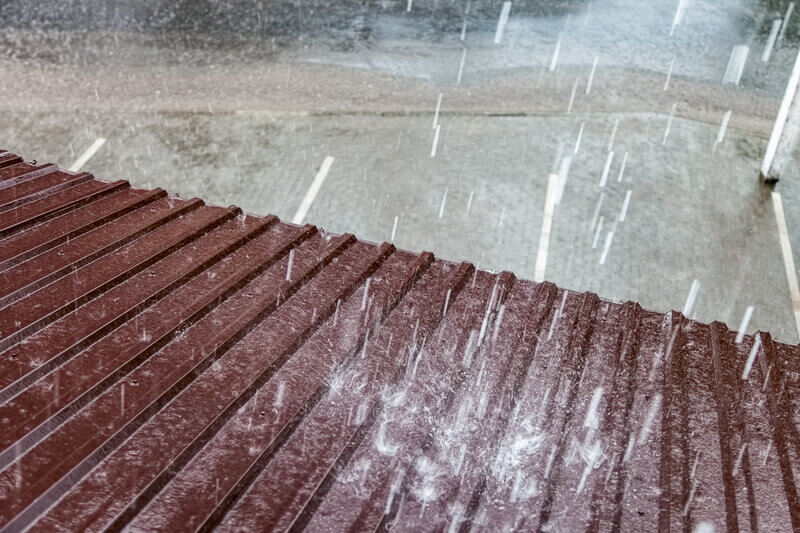
What Are the Best Emergency External Fixes?
Once the rain subsides or if it is safe to access the roof from a stable ladder, you can apply temporary external patches. These are not permanent solutions but are crucial for stopping active leaks.
Option 1: Roofing Tar and Mesh (For Small Holes)
Roofing tar (also known as bitumen) is widely available at hardware stores. It is thick, sticky, and water-resistant.
- Clean the Area: Use a wire brush to remove loose debris, moss, or granules around the leak. The surface must be as dry as possible for adhesion.
- Apply the Tar: Using a putty knife, spread a generous layer of roofing tar over the crack or hole. Extend it at least 2–3 inches beyond the damaged area.
- Reinforce with Mesh: For better durability, press a piece of fiberglass mesh or even a patch of old shingle into the wet tar. Cover it with another layer of tar.
Option 2: Tarping the Roof (For Large Damage)
If a tree branch has torn off shingles or there is significant structural damage, tar won’t suffice. You need a tarp.
- Choose the Right Tarp: Use a heavy-duty, UV-resistant tarp (at least 6 mil thickness). Blue painter’s tarps are too thin; look for construction-grade materials.
- Secure Properly:
- Drape the tarp over the damaged section, ensuring it extends at least 4 feet above the leak point. Water flows down, so the cover must start higher than the damage.
- Do not nail through the tarp if you can avoid it, as this creates new holes. Instead, use 2×4 wooden boards placed over the edges of the tarp and screw the boards into the roof deck. This distributes pressure and holds the tarp securely against wind.
| Method | Best For | Durability | Difficulty |
|---|---|---|---|
| Roofing Tar | Small cracks, vent boots, minor shingle damage | Short-term (Weeks) | Easy |
| Tarping | Large holes, missing shingles, storm damage | Medium-term (Months) | Moderate |
| Caulk/Sealant | Flashing gaps, chimney bases | Short-term (Days) | Very Easy |
Why Is My Roof Leaking Only During Heavy Rain?
It is common for roofs to leak only during intense storms. This phenomenon usually points to specific issues that mild rain doesn’t trigger.
1. Wind-Driven Rain
In heavy storms, wind pushes rain horizontally. This forces water under shingles that would normally shed vertical rain. If your shingles are curled, lifted, or improperly nailed, wind-driven rain will penetrate the underlayment.
2. Clogged Gutters and Ice Dams
If your gutters are full of leaves, water backs up. During heavy rain, this overflow can seep under the roof edge (fascia) and into the attic. In colder climates, ice dams create a similar barrier, forcing melting snow and rain back under the shingles.
3. Compromised Flashing
Flashing is the metal strip used to seal joints around chimneys, vents, and valleys. Over time, thermal expansion and contraction can crack the sealant or loosen the nails. Heavy rain overwhelms these weak points quickly.
When Should I Call a Professional Roofer?
While DIY fixes are great for emergencies, they are not substitutes for proper repair. You should contact a licensed roofing contractor if:
- The leak persists after applying temporary patches.
- There is visible sagging in the roof deck or ceiling, indicating structural water damage.
- Mold is present. If you see black spots or smell a musty odor, professional remediation is needed to protect your health.
- The damage is extensive. If more than 10% of your shingles are missing or damaged, a partial or full replacement may be necessary.
According to industry standards, most asphalt shingle roofs last 20–25 years. If your roof is approaching this age, repeated leaks may signal that it is time for a replacement rather than a repair.
Frequently Asked Questions (FAQ)
1. Can I use silicone caulk to stop a roof leak?
Silicone caulk can work for very small gaps in flashing or around vent pipes, but it is not ideal for large areas or shingles. It lacks the flexibility and adhesion strength of roofing tar or specialized roof cement. Use it only as a last-resort temporary fix for tiny cracks.
2. How much does it cost to fix a leaking roof?
Costs vary widely based on damage extent. A minor patch job might cost $150–$400. However, if water has damaged the decking, insulation, or drywall, costs can rise to $1,000–$3,000 or more. Always get multiple quotes from insured contractors.
3. Will homeowners insurance cover roof leaks?
It depends on the cause. Insurance typically covers “sudden and accidental” damage, such as a tree falling on your roof during a storm. However, they often deny claims for leaks caused by lack of maintenance, wear and tear, or old age. Review your policy carefully.
4. How can I prevent roof leaks in the future?
Prevention is key. Schedule bi-annual inspections (spring and fall). Keep gutters clean, trim overhanging tree branches, and check for missing or curled shingles after major storms. Ensuring proper attic ventilation also prevents moisture buildup that can degrade roofing materials from the inside out.
5. Is it safe to walk on my roof to check for leaks?
No, not during or immediately after heavy rain. Wet shingles are incredibly slippery. Even when dry, older roofs can be fragile. It is safer to inspect your roof from the ground using binoculars or to hire a professional who has the proper safety equipment and insurance.
Conclusion
Dealing with a leak during a storm is stressful, but knowing how do I stop my roof leaking in heavy rain empowers you to act quickly and safely. Remember, interior diversion methods like the bucket-and-string trick are your safest first line of defense. Once the weather clears, apply temporary external patches like roofing tar or tarps to prevent further damage.
However, these are only band-aids. Water damage can compromise the structural integrity of your home and lead to mold growth if left unchecked. Prioritize your safety, mitigate the immediate damage, and schedule a professional inspection as soon as possible.
Did this guide help you save your home from water damage? Share this article with your neighbors on social media—they might need these tips during the next storm!
Leave a Reply