Have you noticed dark streaks or green patches creeping up your shingles? It is a common homeowner dilemma: you know the roof needs attention, but you are terrified of blasting away granules with high-powered equipment. If you are asking yourself, “How Do I Clean My Roof Without A Pressure Washer,“ you are already on the right track toward preserving your home’s integrity.
High-pressure washing can void warranties, dislodge protective granules, and force water under shingles, leading to costly leaks. The good news is that you do not need industrial machinery to restore your roof’s appearance. In this guide, we will walk you through safe, effective, and professional-grade techniques to clean your roof using low-pressure methods, often referred to as “soft washing.”
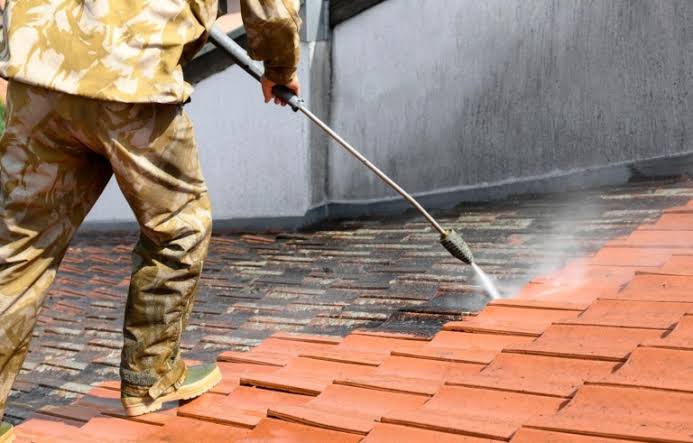
Why You Should Avoid Pressure Washers on Roofs
Before diving into the how, it is crucial to understand the why. Many homeowners assume that more pressure equals a cleaner surface. However, asphalt shingles—the most common roofing material in the US—are covered in tiny ceramic granules. These granules protect the asphalt from UV rays and weathering.
According to industry standards, using a pressure washer above 1,500 PSI can strip these granules away. Once the granules are gone, the underlying asphalt is exposed to the sun, causing it to become brittle and crack prematurely. Furthermore, the intense force of water can break the sealant strips between shingles, compromising the roof’s waterproofing capabilities.
By opting for non-pressure methods, you extend the lifespan of your roof while achieving a visually clean result. This approach aligns with the recommendations of major roofing manufacturers who often specify that high-pressure cleaning voids product warranties.
The Best Alternative: The Soft Wash Method
The most effective way to answer “How Do I Clean My Roof Without A Pressure Washer” is by utilizing the Soft Wash technique. This method relies on specialized cleaning solutions rather than brute force to kill organic growth like moss, algae, and lichen.
What Is Soft Washing?
Soft washing involves applying a biodegradable chemical solution to the roof surface and allowing it to dwell. The solution kills the organic matter at the root. Over time, usually after a few rainfalls or a gentle rinse, the dead organisms wash away naturally.
The Chemistry Behind It
The primary culprit for those black streaks is Gloeocapsa magma, a type of algae. To eliminate it, you need a fungicide or an algaecide. The most common and effective ingredient is sodium hypochlorite (household bleach), mixed with water and a surfactant (soap) to help it stick to the vertical surfaces.
Expert Tip: Always check local environmental regulations before using bleach-based solutions. Some areas have strict rules about runoff into storm drains or gardens.
Step-by-Step Guide: How to Clean Your Roof Safely
Follow this detailed tutorial to clean your roof effectively without risking damage.
Step 1: Safety First
Roof work is dangerous. Before you begin:
- Use a sturdy extension ladder with stabilizers.
- Wear rubber-soled shoes with excellent traction.
- Consider using a safety harness if your roof pitch is steep (greater than 6/12).
- Work on a dry, calm day. Wind can blow cleaning solutions onto your landscaping or into your eyes.
Step 2: Prepare the Cleaning Solution
You can create a potent yet safe cleaning mixture at home. Here is a standard recipe used by many professionals:
| Ingredient | Quantity | Purpose |
|---|---|---|
| Water | 1 Gallon | Base liquid |
| Bleach (Sodium Hypochlorite) | 1–2 Liters | Kills algae and moss |
| Laundry Detergent | 1 Cup | Surfactant to help solution adhere |
| Oxygenated Bleach (Optional) | 1 Cup | Boosts cleaning power, less harsh |
Mix these ingredients in a large plastic bucket. Never mix bleach with ammonia or acids, as this creates toxic gas.
Step 3: Protect Your Landscaping
Since we are using a bleach-based solution, you must protect your plants.
- Thoroughly wet all plants, shrubs, and grass near the house with plain water. Saturated plants absorb less chemical runoff.
- Cover sensitive plants with plastic tarps if possible.
- Rinse the plants again immediately after you finish applying the solution to the roof.
Step 4: Application
You do not need a pressure washer to apply the solution. Instead, use a garden sprayer or a pump sprayer.
- Start from the bottom of the roof and work your way up. This prevents streaks.
- Spray the solution generously onto the affected areas. Ensure the shingles are saturated but not dripping excessively.
- Let the solution dwell for 15–20 minutes. Do not let it dry completely; if it starts to dry, mist it lightly with water.
Step 5: The Gentle Rinse (Optional)
In many cases, you do not need to rinse at all. The rain will wash away the dead algae over the next few weeks. However, if you want immediate results:
- Use a garden hose with a standard nozzle.
- Set the pressure to the lowest setting.
- Gently spray from the top down to push debris off the roof. Never spray upward under the shingles.
For more detailed information on roofing materials and their maintenance requirements, you can refer to general construction guidelines on Wikipedia.
Manual Cleaning: When to Use a Brush
If you have stubborn moss patches that chemicals alone do not remove, you may need manual assistance. However, this requires extreme care.
- Use a Soft-Bristle Brush: Never use wire brushes or stiff brooms. A soft-bristle brush on an extension pole allows you to reach the center of the roof from the ground or the edge.
- Gentle Sweeping Motion: Sweep gently to lift the moss. Do not scrub hard. The goal is to loosen the hold of the moss, not to scrape the shingle.
- Vacuum Debris: After brushing, use a leaf blower on a low setting or a roof vacuum to remove the loose debris from the gutters and valleys. Clogged gutters retain moisture, which encourages new moss growth.
Pros and Cons: Chemical vs. Manual Cleaning
To help you decide which method suits your situation, here is a quick comparison.
| Feature | Chemical Soft Wash | Manual Brushing |
|---|---|---|
| Effort Level | Low | High |
| Risk to Shingles | Very Low | Moderate (if done incorrectly) |
| Effectiveness on Algae | Excellent | Poor |
| Effectiveness on Thick Moss | Good (may need repeat) | Good |
| Time Required | 1–2 hours (mostly waiting) | 3–4 hours of labor |
| Cost | Low (DIY chemicals) | Low (tool cost only) |
Preventing Future Growth
Cleaning is only half the battle. Preventing regrowth saves you time and money in the long run.
- Install Zinc or Copper Strips: Near the ridge of your roof, install metal strips. When it rains, tiny particles of zinc or copper wash down the roof. These metals are natural biocides that inhibit algae and moss growth. This is a long-term solution recommended by many roofing experts.
- Trim Overhanging Branches: Shade and moisture are the best friends of moss. Trim trees to allow sunlight to hit your roof, keeping it dry and warm.
- Keep Gutters Clean: Ensure water flows freely off the roof. Standing water accelerates organic growth.
FAQ Section
1. Can I use vinegar to clean my roof?
Yes, white vinegar is a natural alternative to bleach. It is less effective on heavy algae infestations but works well for mild stains and is safer for plants. Mix equal parts vinegar and water. However, note that vinegar may require more frequent applications than bleach-based solutions.
2. How often should I clean my roof?
Generally, you should inspect your roof annually. Cleaning is typically needed every 2–3 years, depending on your climate. Humid, shaded environments may require more frequent cleaning, while dry, sunny areas may go longer between cleanings.
3. Will walking on my roof damage it?
Yes, it can. Asphalt shingles are fragile, especially in hot weather when they become soft. Walking on them can crack the shingles or dislodge granules. Whenever possible, perform cleaning from the ground using extension poles or from the ladder at the edge.
4. Is it safe to clean a roof in direct sunlight?
No. Avoid cleaning in direct, hot sunlight. The heat causes the cleaning solution to evaporate too quickly, reducing its effectiveness and potentially leaving streaks. Early morning or late afternoon on a cloudy day is ideal.
5. What if the stains return after a week?
If stains return quickly, it may indicate that the algae was not fully killed, or there is an internal moisture issue. Ensure you allowed the solution to dwell for the full 20 minutes. If the problem persists, consult a professional roofer to check for underlying ventilation or leak issues.
Conclusion
Learning how do I clean my roof without a pressure washer is a smart investment in your home’s longevity. By choosing the soft wash method or gentle manual cleaning, you avoid the catastrophic damage that high-pressure water can cause. You save money on repairs, maintain your warranty, and keep your home looking pristine.
Remember, patience is key. Let the chemicals do the heavy lifting, protect your landscaping, and prioritize your safety above all else.
Did you find this guide helpful? Share it with your neighbors on social media to help them protect their roofs too! A clean roof is a happy home.
Leave a Reply